
Top Destinations for an Unforgettable Trip: Best Countries to Visit in Europe
Europe is one of the world’s most fascinating travel destinations, offering a remarkable combination of historic cities, breathtaking landscapes, beautiful beaches, cultural traditions, world-famous architecture, and unforgettable culinary experiences. From the romantic streets of Paris and the ancient ruins of Rome to the snow-covered mountains of Switzerland and the sunny islands of Greece, every European country offers something unique to visitors.
But what are the best countries to visit in Europe? The answer depends on your travel interests, budget, preferred season, and the experiences you want to enjoy. Some countries are ideal for history lovers, while others attract nature enthusiasts, food lovers, adventure seekers, couples, and families. Whether you are planning your first European holiday or looking for new destinations to explore, Europe offers countless opportunities for memorable journeys.
Countries such as Italy, France, Spain, Switzerland, Greece, Portugal, Austria, Germany, the Netherlands, and Norway are excellent choices for different types of travellers. Each destination features distinctive attractions, regional cuisines, local customs, and landscapes that make a European trip rewarding.
In this guide, we explore the best countries to visit in Europe, what makes each destination special, the attractions worth discovering, the best time to travel, and practical tips to help you plan an enjoyable holiday.
1. Why Is Europe One of the Best Continents to Visit?
Europe attracts travellers because it combines cultural diversity with convenient travel options. Many countries are relatively close to one another, allowing visitors to experience different languages, cuisines, architectural styles, and traditions during a single trip. A traveller might explore medieval castles in Germany, admire Renaissance masterpieces in Italy, relax beside the Mediterranean Sea in Spain, and enjoy mountain scenery in Switzerland during one extended holiday.
Another reason Europe is popular is its variety of experiences. Visitors can explore ancient archaeological sites, attend music festivals, visit internationally recognised museums, hike through national parks, enjoy scenic train journeys, or spend relaxing days in coastal villages. Major cities generally offer a wide range of accommodation, restaurants, public transport, and visitor attractions.
Europe also suits different travel budgets. While destinations such as Switzerland and parts of Scandinavia can be expensive, countries such as Portugal and some Central and Eastern European destinations may offer more affordable accommodation, meals, and activities, depending on the season and location.
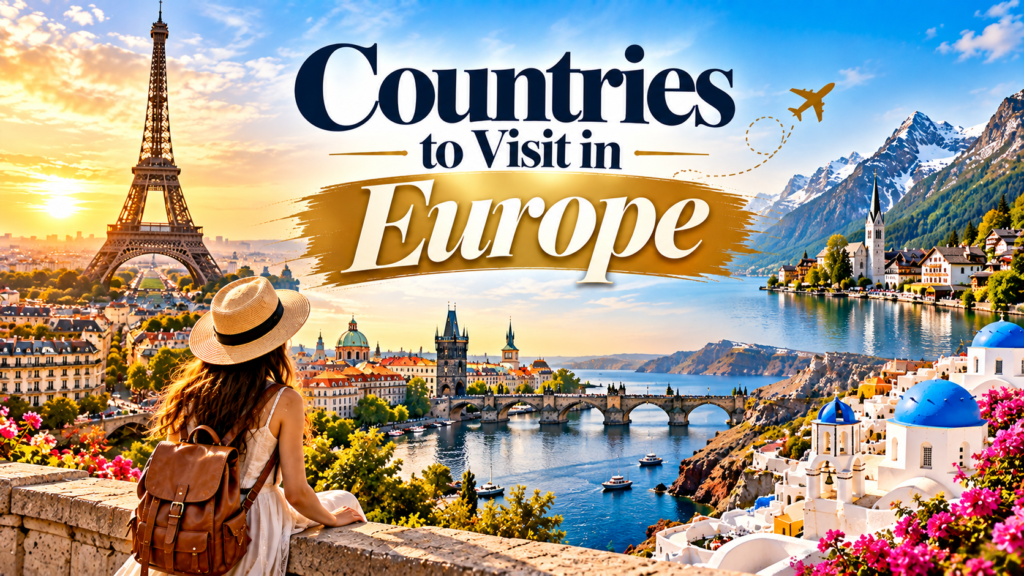
What makes Europe especially appealing to travellers?
- History and heritage: Explore castles, palaces, ancient ruins, and historic city centres.
- Natural beauty: Discover alpine mountains, lakes, forests, islands, and coastlines.
- Food and culture: Experience regional dishes, traditional markets, local festivals, and culinary specialities.
- Easy multi-country trips: Use trains, buses, and flights to connect many European destinations.
- Activities for everyone: Enjoy romantic escapes, family holidays, outdoor adventures, shopping, and cultural tourism.
Europe’s greatest advantage is that no single journey can reveal everything it offers. Each country provides a different perspective on the continent’s rich history, contemporary lifestyle, and natural beauty.
2. Why Is Italy One of the Best Countries to Visit in Europe?
Italy is one of the best countries to visit in Europe for travellers who love history, art, architecture, delicious food, and beautiful landscapes. From the ancient monuments of Rome to the canals of Venice and the scenic coastline of Amalfi, Italy offers an impressive variety of experiences. Its cities and countryside reflect centuries of artistic achievements, cultural traditions, and regional diversity.
Rome is a natural starting point for many visitors. The Colosseum, Roman Forum, and Pantheon provide fascinating insights into the ancient Roman world. Travellers can also visit Vatican City to admire St Peter’s Basilica and the Vatican Museums. Florence attracts art lovers with its Renaissance architecture, galleries, and historic streets, while Venice is famous for its canals, gondola rides, and distinctive island setting.
Italy is equally celebrated for its food. Visitors can enjoy Neapolitan pizza, fresh pasta, risotto, regional cheeses, gelato, and traditional desserts. Tuscany offers rolling hills, historic villages, and vineyards, while the Amalfi Coast is known for colourful seaside towns and dramatic coastal scenery.
What are the best places to visit in Italy?
- Rome for ancient landmarks and historical attractions.
- Venice for canals, bridges, and romantic scenery.
- Florence for Renaissance art and architecture.
- Milan for fashion, shopping, and modern city life.
- The Amalfi Coast for coastal views and charming villages.
- Tuscany for countryside escapes and traditional Italian culture.
Best time to visit: April to June and September to October are often excellent months for sightseeing, with generally pleasant conditions in many popular destinations. Summer is suitable for beach holidays but can bring crowds and high temperatures.
Italy is particularly suitable for couples, families, food enthusiasts, photographers, and first-time European travellers.
3. Why Should You Visit France for Your Next European Holiday?
France is among the best European countries to visit for its elegant cities, artistic heritage, world-famous cuisine, romantic atmosphere, and diverse landscapes. The country offers much more than the iconic Eiffel Tower. Travellers can discover medieval villages, magnificent palaces, Alpine resorts, lavender fields, Atlantic beaches, and picturesque Mediterranean towns.
Paris is the most recognisable destination, attracting visitors to the Eiffel Tower, Louvre Museum, Notre-Dame area, and charming neighbourhoods. The city’s cafés, fashion boutiques, gardens, and riverside walks contribute to its distinctive appeal. The Palace of Versailles, located outside Paris, is another popular attraction for those interested in royal history and elaborate architecture.
Beyond the capital, the French Riviera offers sunny coastal destinations such as Nice and Cannes. The Loire Valley is famous for its historic châteaux, while Provence attracts visitors with its countryside, traditional markets, and seasonal lavender landscapes. Travellers seeking outdoor adventures can explore the French Alps, including the Chamonix region.
French cuisine is another major reason to visit. Fresh pastries, croissants, baguettes, regional cheeses, crêpes, and traditional dishes offer a taste of the country’s culinary traditions.
Which French destinations should you include on your itinerary?
- Paris for museums, architecture, and shopping.
- Nice for Mediterranean beaches and coastal walks.
- Lyon for gastronomy and historic neighbourhoods.
- Bordeaux for architecture and regional food culture.
- Provence for villages and countryside scenery.
- Chamonix for mountain landscapes and outdoor activities.
Best time to visit: April to June and September to October are popular periods for exploring cities and countryside destinations. Winter is appealing for skiing in the Alps, while summer suits many coastal holidays.
France is an excellent choice for romantic breaks, art-focused trips, luxury travel, family holidays, and cultural exploration.
4. What Makes Spain One of the Best Countries to Visit in Europe?
Spain is one of the best countries to visit in Europe for travellers who want a combination of sunny weather, vibrant cities, historic architecture, lively festivals, and memorable food. Its regional diversity means that a holiday in Barcelona can feel very different from a visit to Seville, Madrid, or the Balearic Islands.
Barcelona is known for the distinctive architecture of Antoni Gaudí, especially the Sagrada Família, Park Güell, and colourful buildings throughout the city. Madrid offers major museums, elegant boulevards, parks, and an energetic dining scene. In southern Spain, Seville and Granada reveal the country’s rich architectural history, including the magnificent Alhambra in Granada.
Spain also offers excellent coastal destinations. The Costa del Sol attracts beach lovers, while Mallorca and other Balearic Islands are popular for clear waters, scenic coves, and Mediterranean landscapes. The Canary Islands provide volcanic scenery and opportunities for hiking and outdoor activities.
Food is central to the Spanish experience. Travellers can sample tapas, paella, tortilla española, regional seafood, and local specialities. Traditional festivals, flamenco performances, and lively public squares offer additional opportunities to experience Spanish culture.
What are the top places to explore in Spain?
- Barcelona for architecture, beaches, and urban culture.
- Madrid for museums, shopping, and nightlife.
- Seville for historic landmarks and flamenco traditions.
- Granada for the Alhambra and Andalusian heritage.
- Valencia for modern architecture and Mediterranean cuisine.
- Mallorca for beaches and scenic island landscapes.
Best time to visit: Spring and autumn are generally comfortable for city sightseeing. Summer is popular for beaches but can be extremely hot in parts of southern Spain.
Spain is ideal for beach holidays, cultural trips, nightlife, food tourism, and family adventures.
5. Is Switzerland Worth Visiting for Its Natural Beauty?
Switzerland is one of the best countries to visit in Europe for travellers seeking spectacular mountains, crystal-clear lakes, charming villages, and scenic railway journeys. Its Alpine landscapes make it a favourite destination for nature lovers, photographers, hikers, and winter sports enthusiasts.
Zermatt is famous for views of the Matterhorn, one of the world’s most recognisable mountain peaks. Interlaken serves as a popular base for exploring the Jungfrau region, while Lauterbrunnen attracts visitors with its dramatic valley, waterfalls, and traditional Alpine scenery. Lucerne combines a picturesque lake setting with a historic old town and mountain excursions.
Switzerland is also renowned for its transport network. Scenic train routes offer opportunities to admire mountains, valleys, lakes, and villages without needing to drive. The Glacier Express and Bernina Express are well-known options for travellers interested in panoramic rail journeys, although advance planning and reservations may be required.
Swiss cuisine includes cheese fondue, raclette, rösti, and regional chocolate specialities. Visitors can enjoy traditional mountain restaurants as well as sophisticated dining in major cities.
Which places should you visit in Switzerland?
- Zermatt for mountain views and Alpine experiences.
- Lucerne for its lake, historic centre, and nearby mountains.
- Interlaken for adventure activities and scenic excursions.
- Lauterbrunnen for waterfalls and dramatic landscapes.
- Geneva for lakeside attractions and international culture.
- Zurich for museums, shopping, and urban experiences.
Best time to visit: June to September is generally popular for hiking and outdoor exploration. December to March is a major season for snow sports, depending on altitude and weather.
Switzerland can be expensive compared with many European destinations, so planning accommodation, transport, and meals in advance can help manage costs. It is especially rewarding for nature-focused holidays and scenic journeys.
6. Why Is Greece a Perfect Destination for Beaches and Ancient History?
Greece is one of the best European countries to visit for travellers who want beautiful islands, ancient monuments, Mediterranean food, and relaxed seaside experiences. Its history reaches back thousands of years, and its islands and mainland offer a wide variety of holiday styles.
Athens is a highlight for history enthusiasts. The Acropolis and Parthenon provide an extraordinary connection to ancient Greek civilisation, while museums and historic neighbourhoods reveal the development of the city over centuries. Visitors can combine cultural sightseeing with contemporary cafés, restaurants, and local markets.
Santorini is famous for whitewashed buildings, blue-domed churches, and dramatic views over the Aegean Sea. Mykonos attracts visitors with its beaches and lively atmosphere, while Crete offers archaeological sites, traditional villages, mountain landscapes, and diverse coastal scenery. Travellers looking for a quieter experience may prefer smaller islands, depending on the season.
Greek food is another attraction. Visitors can enjoy Greek salad, souvlaki, moussaka, grilled seafood, olives, yoghurt, and locally prepared pastries. Meals often provide an opportunity to experience the country’s hospitality and regional traditions.
What are the best places to visit in Greece?
- Athens for ancient landmarks and museums.
- Santorini for scenic views and romantic escapes.
- Crete for beaches, archaeology, and outdoor adventures.
- Rhodes for historic architecture and coastal scenery.
- Corfu for green landscapes and island culture.
- Mykonos for beaches and a lively holiday atmosphere.
Best time to visit: May, June, September, and early October can offer a pleasant balance of weather and sightseeing opportunities. July and August are popular but can be busy and hot.
Greece is especially suitable for island hopping, beach holidays, history tours, couples’ trips, and relaxed Mediterranean getaways.
7. What Makes Portugal One of Europe’s Most Attractive Travel Destinations?
Portugal is an appealing choice for travellers looking for scenic coastlines, historic towns, friendly urban atmospheres, and distinctive food traditions. Located on the western edge of mainland Europe, it combines Atlantic scenery with cultural heritage and a relaxed approach to everyday life.
Lisbon, the capital, is known for its historic neighbourhoods, viewpoints, tiled façades, and iconic trams. Visitors can explore the Belém district, enjoy riverside walks, and sample the famous pastel de nata. Porto offers a different experience, with colourful riverside buildings, historic streets, and views along the Douro River.
The Algarve region in southern Portugal is particularly popular for its sandy beaches, dramatic cliffs, and coastal walking routes. Madeira offers lush landscapes and hiking opportunities, while the Azores appeal to visitors interested in volcanic scenery, crater lakes, and nature-based adventures.
Portuguese cuisine includes grilled seafood, traditional cod dishes, hearty soups, regional pastries, and locally produced specialities. The country’s compact size also makes it possible to combine several destinations during a single trip.
Which Portuguese destinations are worth visiting?
- Lisbon for historic neighbourhoods and city views.
- Porto for architecture and riverside scenery.
- Algarve for beaches and coastal landscapes.
- Sintra for palaces and wooded hills.
- Madeira for hiking and dramatic natural scenery.
- The Azores for volcanic landscapes and outdoor activities.
Best time to visit: April to June and September to October are often attractive for sightseeing and outdoor activities. Summer is popular for coastal holidays, although demand can be high.
Portugal can offer good value compared with some of Europe’s more expensive destinations, though prices vary considerably by city, location, and season. It is an excellent choice for couples, families, photographers, and travellers seeking a balanced mix of culture and nature.
8. Is Austria One of the Best Countries to Visit in Europe for Culture and Mountains?
Austria is an excellent destination for travellers who appreciate classical music, imperial architecture, mountain scenery, and traditional European towns. Located in Central Europe, the country combines elegant cities with the spectacular landscapes of the Austrian Alps.
Vienna, the capital, is renowned for its grand palaces, museums, concert halls, and historic coffeehouse culture. Schönbrunn Palace and the Hofburg are important attractions for visitors interested in the country’s imperial past. The city is also associated with classical composers such as Mozart and Beethoven, making it a rewarding destination for music enthusiasts.
Salzburg is another highlight, with its baroque architecture, fortress, and associations with Mozart. Hallstatt attracts photographers and nature lovers with its lakeside setting and mountain backdrop. In winter, Austrian Alpine resorts provide opportunities for skiing and snowboarding, while warmer months are ideal for hiking, cycling, and exploring mountain villages.
Austrian cuisine includes Wiener schnitzel, apple strudel, Sachertorte, and traditional regional dishes. Visitors can also experience seasonal markets and cultural events, especially during the festive winter period.
What are the best places to visit in Austria?
- Vienna for palaces, museums, and classical music.
- Salzburg for historic architecture and musical heritage.
- Hallstatt for lakeside scenery and mountain views.
- Innsbruck for Alpine adventures and city sightseeing.
- Zell am See for lakes, mountain activities, and seasonal holidays.
Best time to visit: May to September is popular for outdoor activities and sightseeing. December to March is attractive for winter sports and Christmas markets.
Austria is particularly suitable for culture lovers, couples, families, and travellers who want to combine city exploration with mountain experiences.
9. Why Should Germany Be on Your Europe Travel Bucket List?
Germany is one of the best countries to visit in Europe for its historical landmarks, lively cities, medieval towns, impressive castles, and beautiful countryside. It offers a mixture of modern urban culture and centuries-old traditions, making it suitable for travellers with different interests.
Berlin is known for its museums, contemporary arts scene, and important historical sites, including the Brandenburg Gate and the remains of the Berlin Wall. Munich offers traditional Bavarian culture, historic architecture, and access to the Alpine foothills. Cologne is famous for its magnificent cathedral, while Hamburg attracts visitors with its waterfront, harbour, and cultural attractions.
Germany’s smaller towns can be equally memorable. The Romantic Road passes through historic settlements and scenic countryside, while Bavaria is home to Neuschwanstein Castle, which inspired many popular depictions of fairytale castles. The Black Forest offers walking trails, forested hills, and charming villages.
German food traditions include pretzels, regional sausages, schnitzel, bread varieties, and local baked goods. Seasonal celebrations, traditional markets, and Christmas markets are also important cultural attractions.
Which German destinations should you explore?
- Berlin for history, museums, and contemporary culture.
- Munich for Bavarian traditions and city attractions.
- Hamburg for harbour views and urban experiences.
- Cologne for its cathedral and historic centre.
- The Black Forest for nature and outdoor activities.
- Bavaria for castles, lakes, and mountain scenery.
Best time to visit: May to September is generally suitable for outdoor exploration. Late November and December are popular for Christmas markets, although opening dates vary.
Germany works well for history enthusiasts, families, road-trip travellers, and visitors who want a mix of cities and countryside.
10. What Makes the Netherlands a Unique European Travel Destination?
The Netherlands is a wonderful choice for travellers who enjoy picturesque canals, cycling routes, art museums, historic architecture, and colourful spring landscapes. Although relatively small, the country offers plenty of variety and is convenient to explore through its extensive public transport network.
Amsterdam is the best-known destination, celebrated for its canals, narrow historic houses, museums, and cycling culture. The Rijksmuseum and Van Gogh Museum are major attractions for art lovers, while canal cruises offer a different perspective on the city’s architecture.
Beyond Amsterdam, Rotterdam is known for modern architecture and innovative urban design. Utrecht offers attractive canals and a historic centre, while The Hague combines cultural institutions with access to the North Sea coast. During spring, the country’s tulip-growing regions become particularly popular with visitors seeking colourful flower displays.
Dutch food experiences include stroopwafels, poffertjes, cheeses, and traditional snacks. Markets, cafés, and local neighbourhoods provide opportunities to discover everyday Dutch culture.
What are the best places to visit in the Netherlands?
- Amsterdam for canals, museums, and historic streets.
- Rotterdam for modern architecture and design.
- Utrecht for canals and a charming old town.
- The Hague for museums, government landmarks, and beaches nearby.
- Keukenhof and surrounding flower fields for seasonal spring scenery.
- Zaanse Schans for traditional windmills and historic crafts.
Best time to visit: April and May are especially popular for spring flowers, while May to September is generally suitable for cycling and city exploration. Spring weather can still be unpredictable, so packing layers is advisable.
The Netherlands is ideal for short breaks, cultural tourism, cycling holidays, photography, and family trips.
11. Why Is Norway Worth Visiting for Fjords and Natural Wonders?
Norway is one of the best countries to visit in Europe for travellers who dream of dramatic fjords, rugged mountains, peaceful coastal villages, and extraordinary natural scenery. Its landscapes offer a striking contrast to Europe’s historic city destinations, making it an excellent choice for outdoor adventures and photography.
Oslo, the capital, combines museums, modern architecture, waterfront attractions, and access to forests and outdoor recreation. Bergen is known for its colourful historic waterfront and serves as a gateway to many fjord experiences. Geirangerfjord and Nærøyfjord are celebrated for their spectacular scenery, while the Lofoten Islands offer dramatic mountains, fishing villages, and coastal views.
Norway is also associated with the Northern Lights, particularly in northern regions during the darker months. In summer, parts of the country experience the midnight sun, providing extended daylight for sightseeing and outdoor activities.
Visitors can explore hiking trails, scenic railway journeys, fjord cruises, and coastal routes. Norwegian cuisine features seafood, salmon, regional specialties, and traditional baked goods.
What are the best places to visit in Norway?
- Oslo for museums and modern Scandinavian culture.
- Bergen for waterfront scenery and fjord excursions.
- Geirangerfjord for dramatic natural landscapes.
- Lofoten Islands for coastal scenery and outdoor exploration.
- Tromsø for Arctic experiences and Northern Lights opportunities.
- Flåm for scenic railway journeys and fjord views.
Best time to visit: June to August is popular for hiking and fjord exploration. September to March offers opportunities to see the Northern Lights in suitable northern locations, although sightings are never guaranteed.
Norway can be expensive, and distances between attractions may be considerable. Careful planning is important, especially for travellers hoping to visit remote areas.
12. Which European Country Is Best for Different Types of Travellers?
Choosing the best country to visit in Europe becomes easier when you match your destination to your interests, budget, and preferred holiday style. While every country has something to offer, certain destinations are especially well suited to particular experiences.
| Travel preference | Recommended country | Why visit? |
|---|---|---|
| Romance and iconic landmarks | France | Paris, historic towns, and the Riviera |
| History and ancient architecture | Italy | Rome, Florence, and archaeological sites |
| Beaches and island holidays | Greece | Mediterranean islands and ancient heritage |
| Affordable coastal experiences | Portugal | Atlantic beaches and historic cities |
| Mountains and scenic railways | Switzerland | Alpine landscapes and panoramic journeys |
| Food and vibrant nightlife | Spain | Regional cuisine, festivals, and lively cities |
| Classical music and architecture | Austria | Imperial palaces and cultural traditions |
| Castles and historic towns | Germany | Medieval settlements and countryside |
| Art and cycling culture | Netherlands | Museums, canals, and cycling routes |
| Fjords and outdoor adventures | Norway | Dramatic coastlines and mountain scenery |
Remember that affordability depends on travel dates, accommodation standards, transport, and activities. Booking in advance and travelling outside peak periods can help you manage your budget.
13. What Is the Best Time to Visit Europe?
Europe is a year-round destination, but the best time to visit depends on the experiences you want. Different seasons offer different landscapes, festivals, weather conditions, and travel costs.
Spring (March to May)
Spring is an appealing season for city sightseeing, gardens, countryside walks, and flower displays. Temperatures begin to rise in many destinations, and some locations are less crowded than during summer. The Netherlands is particularly popular for spring flowers.
Summer (June to August)
Summer is ideal for many beach holidays, island hopping, mountain excursions, and outdoor festivals. However, popular destinations can be crowded, accommodation prices may rise, and southern European cities can experience intense heat.
Autumn (September to November)
Autumn offers colourful landscapes, harvest celebrations, and comfortable sightseeing conditions in many regions. September and October can be particularly attractive for Italy, France, Spain, and Portugal, although weather varies by location.
Winter (December to February)
Winter is perfect for Christmas markets, festive city breaks, skiing, and snowy Alpine landscapes. Austria, Switzerland, and parts of Germany are popular during the festive season, while Mediterranean destinations may offer milder weather.
For a first European holiday, late spring or early autumn can provide a good balance of sightseeing opportunities and seasonal comfort. Nevertheless, the best dates depend on your destination and activities.
14. How Can You Plan a Budget-Friendly European Trip?
A European holiday does not have to be excessively expensive. With thoughtful planning, travellers can explore famous attractions, enjoy regional cuisine, and visit multiple destinations while keeping expenses under control.
Here are practical ways to manage your travel budget:
- Book flights early: Compare different departure dates and nearby airports to find suitable fares.
- Compare accommodation: Consider guesthouses, budget hotels, hostels, or self-catering apartments where appropriate.
- Use public transport: Trains, buses, metros, and local transport can reduce the need for taxis or rental cars.
- Compare rail and bus options: High-speed trains are convenient, but advance fares and intercity buses may offer better value on some routes.
- Travel outside peak season: Shoulder-season travel can provide better availability and sometimes lower prices.
- Choose local restaurants: Traditional cafés, bakeries, and neighbourhood eateries can be less expensive than restaurants in major tourist areas.
- Check attraction tickets: Some museums offer free-entry days or reduced prices for eligible visitors.
- Plan a realistic itinerary: Visiting fewer destinations can reduce transport expenses and give you more time to explore each place.
Travellers should also account for travel insurance, visa requirements where applicable, local taxes, luggage charges, mobile connectivity, and emergency expenses. Requirements vary according to nationality, destination, and trip duration, so verify the relevant rules before departure.
15. How Many Days Do You Need to Explore Europe?
The ideal trip length depends on how many countries you want to visit and the pace at which you prefer to travel. Although Europe’s transport connections make multi-country journeys possible, travelling between destinations takes time.
For a short holiday of five to seven days, it is generally more comfortable to explore one country or a small region. For example, you could focus on Paris and nearby attractions, discover Rome and Florence, or explore Lisbon and Porto.
A trip of 10 to 14 days allows travellers to combine two or three countries with careful planning. One possible itinerary could include France, Switzerland, and Italy, using suitable train connections between major destinations.
For a holiday lasting three weeks or longer, travellers can consider a broader itinerary with a mixture of cities, coastal destinations, and countryside experiences.
What is a practical first-time Europe itinerary?
- Days 1–4: Paris, France, for major landmarks and museums.
- Days 5–7: Lucerne or another Swiss destination for Alpine scenery.
- Days 8–11: Rome, Italy, for ancient history and Italian cuisine.
- Days 12–14: Florence, Italy, for art, architecture, and local food.
This sample itinerary requires international transfers between countries and should be adjusted according to flight schedules, transport connections, and personal interests.
16. What Should You Know Before Visiting European Countries?
Before travelling to Europe, it is worth researching local customs, transport arrangements, weather conditions, and entry requirements. Even neighbouring countries can differ in language, payment practices, opening hours, and cultural expectations.
Keep the following points in mind:
- Check visa and entry rules: Confirm the requirements for every country on your itinerary using official government sources.
- Check currency arrangements: The euro is used by many European countries, but not all countries use it. Norway and Switzerland, for example, have their own currencies.
- Pack for the season: Weather can vary significantly between Mediterranean beaches, northern Europe, and mountain regions.
- Arrange suitable insurance: Choose travel insurance that fits your activities and personal circumstances.
- Reserve popular attractions: Major museums, palaces, rail journeys, and seasonal activities may require advance bookings.
- Respect local customs: Learn basic greetings, follow rules at religious sites, and observe local etiquette.
- Keep travel documents secure: Carry the necessary identification and keep accessible copies of important bookings and documents.
Good preparation can make a European holiday more comfortable, reduce unexpected expenses, and leave you more time to enjoy the experience.
Frequently Asked Questions About the Best Countries to Visit in Europe
Q1. Which is the best country to visit in Europe for the first time?
Ans: Italy, France, and Spain are excellent options for first-time visitors because they offer famous landmarks, cultural attractions, varied food experiences, and established tourist infrastructure. The best choice depends on your interests, available time, and budget.
Q2. What are the top 5 countries to visit in Europe?
Ans: Italy, France, Spain, Switzerland, and Greece are five strong choices for a varied European holiday. They offer a combination of historic cities, cultural attractions, mountain scenery, Mediterranean beaches, and regional cuisine.
Q3. Which European country is best for a family holiday?
Ans: Italy, Spain, France, and Austria can all work well for families. They offer a range of museums, outdoor activities, beaches, scenic destinations, and attractions suitable for different ages. Family needs, transport, and accommodation should guide the final choice.
Q4. Which European countries are good for couples?
Ans: France, Italy, Greece, and Austria are popular options for couples. Visitors can enjoy romantic city walks, historic towns, coastal views, scenic mountain landscapes, and intimate dining experiences.
Q5. Which countries in Europe are relatively affordable to visit?
Ans: Portugal and some destinations in Central and Eastern Europe may offer good value compared with Europe’s most expensive tourist centres. However, prices vary by season, city, accommodation, and travel style. Comparing total trip costs is more useful than relying on country rankings alone.
Q6. Is Europe safe for tourists?
Ans: Many European destinations welcome millions of visitors, but no destination is completely risk-free. Travellers should take normal precautions against pickpocketing, monitor local guidance, use reputable transport, and understand local emergency procedures.
Q7. Can you visit several European countries on one trip?
Ans: Yes. Many travellers combine countries using trains, buses, and flights. Check border and visa requirements, allow enough time for transfers, and avoid packing too many destinations into a short holiday.
Q8. What is the cheapest month to visit Europe?
Ans: There is no single cheapest month across the continent. November and parts of January and February can offer lower prices in some cities, excluding major holidays and winter-sports destinations. Shoulder-season months may also provide a good balance of cost and weather.
Conclusion: Which Are the Best Countries to Visit in Europe?
The best countries to visit in Europe depend on the kind of holiday you want to experience. Italy is a wonderful choice for ancient history, architecture, and food, while France offers art, culture, and sophisticated city experiences. Spain combines beaches and lively traditions, Greece delivers island scenery and archaeological treasures, and Switzerland provides spectacular mountain landscapes.
Portugal is appealing for its coastal beauty and historic cities, Austria combines imperial heritage with Alpine adventures, Germany offers castles and cultural attractions, the Netherlands is famous for canals and museums, and Norway is ideal for travellers seeking dramatic natural scenery.
Rather than trying to see everything in one trip, choose destinations that match your interests, available time, and budget. Research the best season, plan transport carefully, and leave room for spontaneous discoveries along the way.
Whether you dream of wandering through historic European streets, relaxing beside the Mediterranean, exploring mountain villages, or discovering local cuisines, Europe has a destination for every kind of traveler.
Start planning your next European adventure and discover which countries belong on your travel bucket list. For more travel inspiration, destination guides, and practical holiday ideas, explore Europe Saga.
Read More – Ultimate Guide to Real Estate in Europe