
Europe Small Towns You Should Visit: Discover Europe’s Most Beautiful Hidden Gems
Europe is home to some of the world’s most beautiful small towns, where medieval streets, colourful houses, historic castles, peaceful canals, and breathtaking natural landscapes create unforgettable travel experiences. While famous cities such as Paris, Rome, London, and Barcelona attract millions of visitors, Europe’s smaller destinations offer a different kind of charm. These Europe small towns allow travelers to experience local traditions, regional cuisine, centuries-old architecture, and the slower pace of European life.
From the romantic canals of the Netherlands to the colourful villages of Italy, the mountain settlements of Austria, and the historic towns of Eastern Europe, there are countless places worth discovering. Whether you are planning a romantic getaway, a cultural holiday, a photography trip, or a relaxing European vacation, visiting small towns can make your journey more memorable.
But which European small towns should you visit, what makes them special, and when is the best time to explore them? Here is a guide to some of the most beautiful Europe small towns that deserve a place on your travel bucket list.
What Makes Europe Small Towns Worth Visiting?
Europe small towns offer a unique combination of history, architecture, natural beauty, and cultural experiences. Unlike busy metropolitan destinations, many smaller towns have compact historic centers, traditional markets, family-owned restaurants, and walking routes that encourage visitors to explore at a relaxed pace.
Many of these destinations have preserved their architectural heritage for hundreds of years. Visitors can discover medieval town squares, Renaissance buildings, Gothic churches, traditional cottages, and fortifications that tell stories about Europe’s past.
Europe small towns can also provide access to spectacular natural landscapes, including mountains, lakes, forests, coastlines, and countryside trails. Some are ideal for outdoor adventures, while others are perfect for enjoying local food, visiting museums, or spending a quiet weekend away.
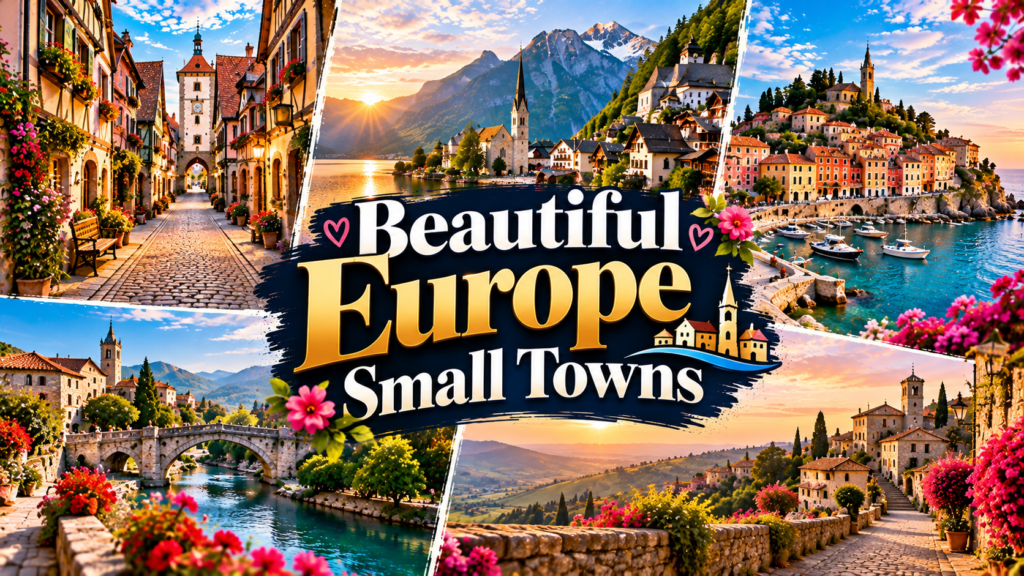
Here are a few reasons why Europe small towns deserve your attention:
- Historic charm: Explore medieval streets, castles, ancient churches, and preserved old towns.
- Scenic beauty: Discover alpine lakes, coastal views, colourful villages, and green countryside.
- Local culture: Experience traditional festivals, regional crafts, local markets, and authentic cuisine.
- Relaxed travel: Enjoy slower sightseeing and explore destinations on foot.
- Photography opportunities: Capture beautiful architecture, scenic viewpoints, and picturesque streets.
- Unique experiences: Discover destinations that offer a different perspective on European life.
Which Europe Small Towns Should You Visit?
Europe has hundreds of attractive small towns, but some stand out for their distinctive architecture, cultural heritage, landscapes, and atmosphere. The following destinations offer a variety of experiences, from lakeside relaxation and coastal adventures to medieval exploration and countryside escapes.
1. Why Should You Visit Hallstatt, Austria?
Hallstatt is one of the most picturesque destinations in Austria, located between the dramatic Dachstein Alps and the clear waters of Lake Hallstatt. Its traditional houses, narrow streets, waterfront views, and mountain scenery make it a favourite destination for travellers seeking the beauty of the Austrian countryside.
The town is also known for its long history of salt production. Its salt-mining heritage helped shape the region, while the surrounding Hallstatt-Dachstein landscape is recognised as a UNESCO World Heritage site.
Visitors can stroll along the lakefront, photograph the traditional buildings, explore local museums, and enjoy panoramic views of the surrounding mountains. Depending on seasonal opening schedules, nearby salt-mine attractions and mountain viewpoints can add another dimension to a visit.
What can you do in Hallstatt?
- Walk through the historic village centre.
- Enjoy the beautiful views of Lake Hallstatt.
- Learn about the region’s ancient salt-mining history.
- Explore nearby hiking routes and mountain landscapes.
- Try traditional Austrian dishes at local restaurants.
Best time to visit: Spring and early autumn are attractive for comfortable sightseeing and scenic photography. Winter offers a different atmosphere, although weather and mountain access may affect activities.
2. What Makes Cesky Krumlov, Czechia, So Special?
Český Krumlov is a historic town in southern Czechia, famous for its winding streets, colourful buildings, and impressive castle complex overlooking the Vltava River. Its well-preserved medieval character makes it one of Central Europe’s most appealing destinations for travellers interested in history and architecture.
The historic centre features Gothic, Renaissance, and Baroque influences. The castle complex is the town’s major landmark, offering courtyards, historic interiors, gardens, and views across the rooftops.
Visitors can spend hours wandering through the old town, browsing independent shops, visiting museums, or enjoying riverside cafés. The town is particularly attractive for photographers because its elevated viewpoints reveal a beautiful combination of red rooftops, river bends, and historic towers.
Top experiences in Cesky Krumlov include:
- Exploring Cesky Krumlov Castle.
- Walking through the historic town centre.
- Photographing the Vltava River and surrounding architecture.
- Discovering local Czech food and traditional cafés.
- Enjoying cultural events and seasonal festivals.
Best time to visit: Late spring and early autumn are excellent for exploring the town on foot, although summer generally brings more visitors.
3. Why Is Colmar, France, One of Europe’s Most Charming Towns?
Colmar, located in the Alsace region of northeastern France, is known for its colourful half-timbered houses, flower-filled streets, and canals. Its architecture reflects a distinctive blend of French and German cultural influences, creating an atmosphere that feels different from many other French destinations.
One of Colmar’s most famous areas is Little Venice, where traditional buildings line picturesque waterways. The historic centre is also home to attractive squares, churches, museums, bakeries, and restaurants serving regional Alsatian cuisine.
Colmar is an excellent destination for travellers who enjoy architecture, photography, and culinary experiences. Its location also makes it a useful base for exploring the Alsace wine route and nearby villages.
What should you explore in Colmar?
- Walk along the canals of Little Venice.
- Photograph the colourful half-timbered houses.
- Visit the Unterlinden Museum.
- Sample Alsatian specialities and regional wines.
- Explore nearby villages and vineyards.
Best time to visit: Late spring and early autumn are ideal for pleasant weather. December is especially popular because of Colmar’s traditional Christmas markets, although the town can be busy during the festive season.
4. What Makes Giethoorn, Netherlands, Different From Other European Towns?
Giethoorn is a charming Dutch village famous for its waterways, traditional thatched-roof houses, wooden bridges, and peaceful countryside. Located in the province of Overijssel, it is often associated with a quieter style of travel centred on canals and nature.
Parts of the village are best explored on foot or by boat. Visitors can glide along the waterways, walk across small bridges, and admire the gardens surrounding traditional homes. The nearby Weerribben-Wieden National Park adds opportunities for birdwatching, cycling, and exploring wetlands.
Giethoorn is particularly appealing to couples, families, and travellers who want a break from crowded cities.
Things to do in Giethoorn:
- Take a boat trip through the canals.
- Walk along village paths and wooden bridges.
- Explore the surrounding nature reserve.
- Rent a bicycle to discover the countryside.
- Enjoy a relaxed meal at a waterside restaurant.
Best time to visit: Late spring and summer generally offer the best conditions for boating and outdoor activities. Visiting early in the day can help you enjoy a quieter experience.
5. Why Should Sintra, Portugal, Be on Your Travel Bucket List?
Sintra is a historic town near Lisbon, surrounded by forested hills and remarkable palaces. Its combination of romantic architecture, gardens, historic estates, and natural scenery makes it one of Portugal’s most distinctive destinations.
The colourful Pena Palace is among Sintra’s most recognisable landmarks. The Moorish Castle, Quinta da Regaleira, and the historic National Palace of Sintra provide further opportunities to explore the region’s architectural and cultural heritage.
The surrounding Sintra-Cascais Natural Park features woodland trails, dramatic landscapes, and access to the Atlantic coast. Travellers can combine historic sightseeing with nature walks and excursions to nearby coastal viewpoints.
What are the best things to do in Sintra?
- Visit Pena Palace and its surrounding park.
- Explore the mysterious gardens of Quinta da Regaleira.
- Walk through Sintra’s historic centre.
- Discover the Moorish Castle.
- Sample Portuguese pastries and traditional dishes.
Best time to visit: Spring and early autumn offer attractive conditions for sightseeing. Since popular attractions can become crowded, booking tickets in advance and starting early are sensible strategies.
6. What Makes Rothenburg ob der Tauber, Germany, So Picturesque?
Rothenburg ob der Tauber is a historic Bavarian town famous for its medieval walls, half-timbered houses, cobblestone lanes, and traditional squares. It is one of Germany’s best-known examples of a preserved medieval townscape.
Walking through the old town feels like stepping into another era. Visitors can explore sections of the historic fortifications, admire the colourful buildings around Market Square, and discover museums that explain the town’s history.
The town is also associated with Germany’s Romantic Road, a scenic travel route connecting historic settlements and countryside landscapes.
Must-see attractions include:
- Market Square and the Town Hall.
- The medieval town walls and towers.
- Plönlein, a famous historic street junction.
- The Medieval Crime Museum.
- Traditional bakeries and regional restaurants.
Best time to visit: Spring and autumn are excellent for walking tours. December is popular for the Christmas market, while summer usually offers longer daylight hours for exploring.
7. Why Is Alberobello, Italy, Famous Around the World?
Alberobello, in Italy’s Puglia region, is renowned for its distinctive trulli houses. These traditional stone buildings have conical roofs and create a striking architectural landscape unlike almost anywhere else in Europe.
The town’s trulli districts are recognised as a UNESCO World Heritage site. Their unique construction reflects local building traditions and the history of rural life in southern Italy.
Visitors can wander through the narrow lanes, explore small craft shops, admire the traditional buildings, and taste regional dishes. Alberobello is also well positioned for discovering other towns in Puglia, including Locorotondo and Martina Franca.
What can travellers enjoy in Alberobello?
- Explore the Rione Monti and Aia Piccola districts.
- Learn about trulli architecture.
- Visit local craft shops and traditional businesses.
- Try Puglian food, including regional pasta dishes.
- Take day trips through the surrounding countryside.
Best time to visit: April to June and September to October generally offer pleasant conditions for exploring southern Italy.
8. What Makes Positano, Italy, a Dream Destination?
Positano is a spectacular coastal town on Italy’s Amalfi Coast, famous for its pastel-coloured houses, steep streets, beach views, and Mediterranean atmosphere. Its buildings appear to cascade down the hillside towards the sea, creating one of Europe’s most recognisable coastal landscapes.
The town is popular with couples, photographers, and travellers seeking scenic seaside experiences. Visitors can spend time on Spiaggia Grande, explore small boutiques, enjoy seafood, and admire the coastline from terraces overlooking the water.
Positano can also serve as a starting point for boat excursions and visits to other Amalfi Coast destinations, although transport can be busy during peak season.
Top things to do in Positano:
- Relax on the beach and enjoy Mediterranean views.
- Walk through the narrow streets lined with boutiques.
- Sample fresh seafood and traditional Italian dishes.
- Take a boat excursion along the coastline.
- Explore nearby coastal towns and walking routes.
Best time to visit: May, June, September, and early October can offer a balance of pleasant weather and sightseeing opportunities. July and August are particularly busy.
9. Why Should You Visit Bibury, England?
Bibury is a small village in the Cotswolds, an English region known for rolling hills, traditional stone cottages, and picturesque countryside. The village is especially famous for Arlington Row, a group of historic stone cottages that have become one of the area’s most recognisable sights.
Bibury offers a quieter experience for visitors interested in rural England. Walking along the village lanes reveals traditional architecture, green landscapes, and peaceful views around the River Coln.
Rather than offering a large number of major attractions, Bibury’s appeal lies in its scenery, historic character, and relaxed atmosphere.
Things to do in Bibury include:
- Photograph the historic cottages of Arlington Row.
- Walk beside the River Coln.
- Explore the surrounding Cotswolds countryside.
- Enjoy traditional English food at local establishments.
- Combine the visit with other Cotswolds villages.
Best time to visit: Late spring and summer are attractive for countryside walks and gardens, while autumn brings beautiful seasonal colours.
10. What Makes Bruges, Belgium, Worth Exploring?
Bruges is a historic Belgian city with the atmosphere of a small European town. Its canals, medieval buildings, cobbled streets, and historic market squares make it a popular destination for cultural sightseeing.
The historic centre is a UNESCO World Heritage site. Visitors can explore the Market Square, admire the Belfry of Bruges, take a canal boat tour, and discover museums dedicated to art and local history.
Bruges is also famous for Belgian chocolate, waffles, beer culture, and traditional cuisine. Its compact historic centre makes it easy to explore many attractions on foot.
What should you see in Bruges?
- Market Square and the Belfry.
- The historic canals and bridges.
- Burg Square and its architectural landmarks.
- Local chocolate shops and bakeries.
- Museums and traditional Belgian restaurants.
Best time to visit: Spring and early autumn offer pleasant conditions for walking. Winter is also attractive for visitors interested in seasonal markets and festive decorations.
11. Why Is Reine, Norway, One of Europe’s Most Beautiful Villages?
Reine is a small fishing village in Norway’s Lofoten Islands, surrounded by dramatic mountains, deep-blue waters, and traditional red and yellow fishermen’s cabins known as rorbuer.
Its location makes it especially attractive to travelers who appreciate rugged natural landscapes. Mountains rise directly from the sea, while nearby islands and coastal roads provide remarkable viewpoints.
Visitors can explore the village, take scenic drives, photograph the surrounding landscape, and enjoy outdoor activities when conditions permit. Hiking opportunities are available in the region, but some routes are steep and require suitable preparation.
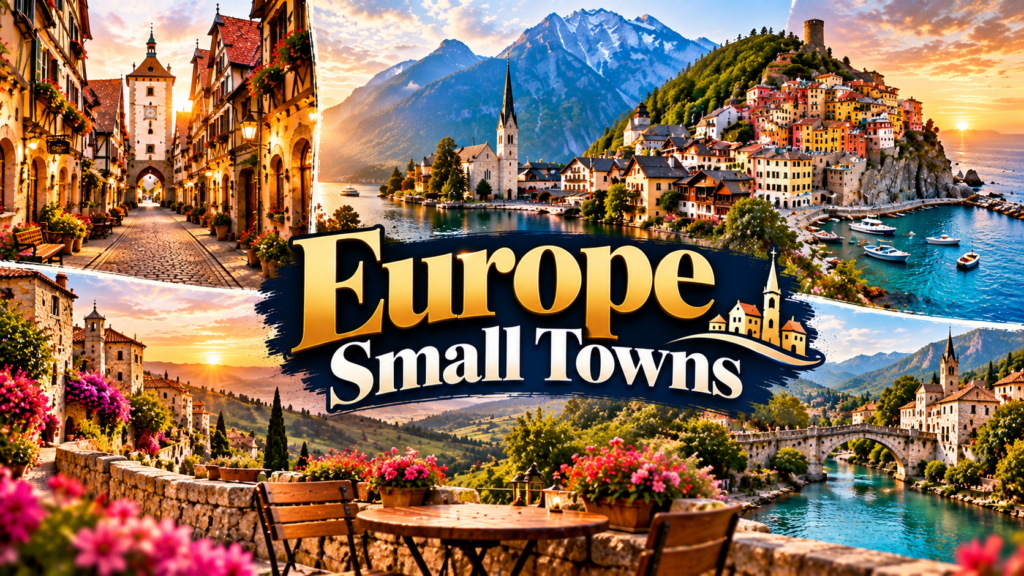
What can you do in Reine?
- Photograph the village and surrounding mountains.
- Stay in a traditional fishermen’s cabin.
- Explore nearby coastal settlements.
- Enjoy kayaking or guided outdoor excursions.
- Experience the midnight sun in summer or seek the northern lights during suitable winter conditions.
Best time to visit: Summer offers long daylight hours and generally better access to outdoor activities. Winter brings opportunities for northern lights viewing, although weather can be challenging.
12. What Makes Kotor, Montenegro, a Unique European Destination?
Kotor is a historic coastal town on Montenegro’s Bay of Kotor, where medieval architecture meets dramatic mountain scenery. Its fortified old town, stone streets, historic churches, and waterfront setting make it a memorable destination in southeastern Europe.
The old town is surrounded by impressive fortifications, while the bay provides opportunities for boat excursions and scenic coastal journeys. Visitors can also explore nearby settlements and enjoy the region’s traditional cuisine.
Kotor is an appealing choice for travellers looking beyond Europe’s most heavily promoted destinations.
Top experiences in Kotor include:
- Exploring the medieval old town.
- Visiting historic churches and squares.
- Walking sections of the old fortifications when conditions allow.
- Taking a boat trip across the bay.
- Discovering nearby coastal villages.
Best time to visit: May, June, September, and early October can offer pleasant sightseeing conditions. Summer is lively but often crowded, particularly when cruise ships arrive.
13. Why Should You Explore Mostar, Bosnia and Herzegovina?
Mostar is a historic town in Bosnia and Herzegovina, best known for Stari Most, its iconic Ottoman-era bridge spanning the Neretva River. The bridge and surrounding old town symbolise the area’s cultural heritage and provide a striking setting for visitors.
Mostar’s historic centre features stone streets, traditional architecture, craft shops, cafés, and restaurants serving regional dishes. Its cultural influences reflect centuries of interaction between different communities and traditions.
The town also offers opportunities to learn about Bosnia and Herzegovina’s complex modern history while enjoying the beauty of its riverside setting.
Things to experience in Mostar:
- Visit Stari Most and the surrounding old town.
- Explore traditional markets and craft shops.
- Try local Bosnian specialities.
- Learn about the town’s cultural and historical heritage.
- Take excursions to nearby natural attractions.
Best time to visit: Spring and autumn are generally comfortable for walking tours, while summer can be hot.
14. What Makes Piran, Slovenia, a Charming Coastal Town?
Piran is a small coastal town on Slovenia’s Adriatic coast, known for its Venetian-influenced architecture, narrow streets, historic squares, and sea views. Its compact old town makes it an excellent destination for travellers seeking a relaxed coastal escape.
Tartini Square forms the centre of local life, while the waterfront provides attractive views of the Adriatic Sea. Visitors can explore historic churches, walk along the town walls, and enjoy seafood in restaurants overlooking the water.
Piran is also well suited to travellers who want to combine coastal sightseeing with visits to other destinations in Slovenia.
What should you do in Piran?
- Explore Tartini Square.
- Walk through the old town’s narrow streets.
- Enjoy views from the historic town walls.
- Try seafood and regional Mediterranean dishes.
- Watch the sunset along the waterfront.
Best time to visit: Late spring and early autumn are attractive for coastal walks and sightseeing. Summer is suitable for seaside activities but tends to be busier.
15. Why Is Sighișoara, Romania, Worth Adding to Your Travel List?
Sighișoara is a historic Transylvanian town known for its colourful buildings, medieval fortifications, cobbled streets, and distinctive clock tower. Its historic centre is recognised as a UNESCO World Heritage site and offers a glimpse into the region’s Saxon heritage.
The town’s fortified citadel contains historic houses, towers, churches, and atmospheric lanes. Visitors can explore the Clock Tower, climb the covered Scholars’ Stairs, and discover local museums and viewpoints.
Sighișoara is particularly attractive for travellers interested in medieval history and destinations that feel different from Western Europe’s best-known tourist centres.
Top attractions in Sighișoara include:
- The Clock Tower and its museum.
- The historic citadel.
- The covered Scholars’ Stairs.
- The Church on the Hill.
- Traditional restaurants and local craft shops.
Best time to visit: Late spring and early autumn offer favourable conditions for exploring the town on foot. Summer is also popular for cultural events and sightseeing.
When Is the Best Time to Visit Europe Small Towns?
The best time to visit Europe’s small towns depends on the destination, your preferred activities, and your tolerance for crowds. Different seasons reveal different sides of European travel, from spring flowers and summer festivals to autumn colors and winter markets.
Which European Towns Are Best to Visit in Spring?
Spring is an excellent time for exploring many European towns because temperatures become milder, gardens begin to bloom, and outdoor sightseeing becomes more comfortable.
Destinations such as Colmar, Sintra, Alberobello, and Piran are appealing during the spring months. However, mountain regions can still experience cold weather, while some attractions may operate on reduced schedules.
Why Is Summer Popular for European Small-Town Holidays?
Summer offers long daylight hours, lively outdoor cafés, coastal activities, and numerous cultural events. It is especially attractive for destinations such as Positano, Reine, Giethoorn, and Hallstatt.
However, summer also brings larger crowds and higher accommodation prices in many popular destinations. Booking early and exploring major attractions in the morning can improve the experience.
Are European Small Towns Beautiful in Autumn?
Autumn is a wonderful season for countryside escapes, scenic photography, and cultural sightseeing. The changing foliage adds colour to historic streets and surrounding landscapes.
Rothenburg ob der Tauber, Sighișoara, Český Krumlov, and towns in the Cotswolds can be particularly appealing during this period.
Should You Visit European Towns in Winter?
Winter can be magical in destinations known for Christmas markets, snow-covered landscapes, and seasonal traditions. Colmar and Rothenburg ob der Tauber are popular choices for festive travel.
Nevertheless, travellers should check opening schedules, daylight hours, road conditions, and transport availability before planning winter excursions.
How Can You Plan a Budget-Friendly Trip to Europe Small Towns?
Exploring Europe does not always require an expensive itinerary. With careful planning, travellers can enjoy historic towns, scenic landscapes, and regional cuisine while managing their budgets.
Consider the following practical tips:
- Travel during shoulder season: Spring and autumn can provide a useful balance between weather, crowds, and accommodation costs.
- Stay outside the busiest centres: Accommodation in nearby towns may be less expensive, provided transport connections are convenient.
- Use public transport: Trains and buses can connect many European destinations, although rural routes may be less frequent.
- Book accommodation early: Popular towns can have limited places to stay, particularly during festivals and summer holidays.
- Explore on foot: Many historic centres are compact and can be enjoyed without paying for organised tours.
- Eat local food: Bakeries, markets, and traditional cafés can provide opportunities to experience regional cuisine at different price points.
- Check attraction schedules: Advance reservations may be necessary for popular palaces, museums, and guided activities.
Travelers should also consider local tourist taxes, seasonal transport changes, luggage restrictions, and the cost of travelling between smaller destinations.
What Should You Know Before Visiting Europe Small Towns?
Although small towns often provide relaxing travel experiences, some practical considerations can make a journey smoother.
First, research transport connections carefully. Not every village has a railway station, and buses may operate less frequently than in major cities. Some destinations are easier to reach by rental car, while others are best explored through regional trains or organised excursions.
Second, remember that historic streets can be uneven, steep, or paved with cobblestones. Comfortable walking shoes are essential, particularly in destinations such as Positano, Kotor, and Český Krumlov.
Third, respect local residents and traditions. Many picturesque towns are working communities rather than open-air museums. Follow photography rules, avoid entering private property, keep noise levels reasonable, and support locally owned businesses where possible.
Finally, check visa requirements, travel insurance, weather forecasts, and seasonal attraction schedules before departure. Entry requirements vary according to nationality and destination, so official government and embassy guidance should always be consulted.
Which Europe Small Towns Are Best for Different Types of Travelers?
The ideal destination depends on what you want from your holiday. Some towns are particularly suited to architecture and history, while others offer coastlines, outdoor adventures, or romantic scenery.
Here are some suggestions based on travel interests:
- For romantic getaways: Colmar, Positano, Piran, and Hallstatt.
- For history enthusiasts: Cesky Krumlov, Rothenburg ob der Tauber, Sighișoara, and Mostar.
- For nature lovers: Reine, Giethoorn, Hallstatt, and the Cotswolds around Bibury.
- For architecture enthusiasts: Alberobello, Colmar, Sintra, and Bruges.
- For coastal holidays: Positano, Piran, and Kotor.
- For photography: Hallstatt, Cesky Krumlov, Reine, and Rothenburg ob der Tauber.
- For cultural experiences: Mostar, Sighisoara, Sintra, and Colmar.
These categories are starting points rather than strict rules. Many destinations combine several experiences, making them suitable for travellers with different interests.
Are Europe Small Towns Better Than Its Major Cities?
Europe small towns and major cities offer different travel experiences, so one is not necessarily better than the other. Major cities often provide extensive public transport, internationally recognized museums, large shopping districts, and a wide choice of entertainment.
Smaller towns, by contrast, can offer a more intimate atmosphere, compact historic centres, distinctive regional traditions, and easy access to nature. They may also provide opportunities to discover local food and architecture away from the busiest tourist districts.
For many travellers, combining both is the best approach. A trip could include Prague and Český Krumlov, Lisbon and Sintra, or Amsterdam and Giethoorn. These combinations balance the cultural attractions of major cities with the slower pace of smaller destinations.
It is important to remember that popular small towns can also become crowded, especially during summer and major festivals. Choosing quieter travel times and exploring beyond the main attractions can help create a more rewarding experience.
Conclusion: Which Europe Small Towns Will You Visit First?
Europe’s small towns offer a remarkable variety of experiences, from the mountain scenery of Hallstatt and the medieval charm of Cesky Krumlov to the colourful canals of Colmar, the traditional trulli houses of Alberobello, and the dramatic coastal landscapes of Positano.
Each destination reveals a different side of European culture, history, architecture, and everyday life. Whether you are looking for a romantic escape, a historical adventure, a scenic photography destination, or a peaceful countryside holiday, these towns offer plenty of inspiration for your next journey.
The best European small town for you ultimately depends on your interests, budget, preferred season, and travel style. Start with one or two destinations that appeal to you, research the transport connections, and allow enough time to explore beyond the most famous landmarks.
For more travel inspiration, cultural discoveries, and destination guides, continue exploring Europe Saga and discover the places that make travelling across Europe such a rewarding experience.
Read More – Most Famous Artists from France