
Famous European Dishes: 20 Must-Try Foods in Europe
Europe is home to one of the world’s most diverse and fascinating food cultures. From the rich pasta dishes of Italy and the delicate pastries of France to the flavorful paella of Spain and the comforting sausages of Germany, famous European dishes reflect centuries of history, regional traditions, local ingredients, and cultural influences. Every European country has its own culinary identity, offering a unique combination of flavors, cooking techniques, and traditional recipes.
European cuisine is popular worldwide because it combines simple ingredients with distinctive preparation methods. Fresh vegetables, seasonal fruits, locally produced cheese, olive oil, herbs, seafood, bread, and meat play important roles in many traditional recipes. While Mediterranean countries are known for olive oil, seafood, and fresh produce, Central and Northern European cuisines often feature hearty soups, potatoes, baked dishes, and rich sauces.
Whether you are planning a European holiday, exploring international food traditions, or searching for new recipes, discovering famous European foods is an excellent way to understand the continent’s culture. From everyday meals to special-occasion delicacies, these dishes offer something for every food lover.
1. Why Is Italian Pizza One of the Most Famous European Dishes?
Italian pizza is one of the most recognizable European foods in the world. Originating in Naples, Italy, traditional Neapolitan pizza is known for its soft, airy crust, flavorful tomato sauce, fresh mozzarella cheese, and fragrant basil. The classic Margherita pizza represents the simplicity of Italian cooking, using a small number of high-quality ingredients to create a delicious meal.
Pizza has evolved into numerous regional and international variations, but traditional Italian versions continue to attract food enthusiasts. Italian chefs often emphasize fresh ingredients, careful dough preparation, and high-temperature baking to achieve the ideal texture and flavor.

Popular Italian pizza varieties include:
- Pizza Margherita: A traditional combination of tomatoes, mozzarella, and basil.
- Pizza Marinara: A simple pizza prepared with tomatoes, garlic, oregano, and olive oil.
- Pizza Quattro Formaggi: A cheese-focused pizza made with a combination of four cheeses.
- Pizza Napoletana: A traditional Neapolitan style known for its soft center and puffed crust.
Pizza is enjoyed as a casual meal, a restaurant specialty, and a shared dish among family and friends. Its versatility and distinctive taste make it one of the best European foods to try.
2. What Makes Italian Pasta a Must-Try European Food?
Pasta is another iconic part of Italian cuisine, with hundreds of shapes, sauces, and regional preparations. Italian pasta dishes range from simple recipes featuring olive oil and garlic to rich combinations of meat, cheese, vegetables, and tomatoes.
One of the most famous examples is spaghetti carbonara, traditionally associated with Rome. It is generally prepared with pasta, eggs, Pecorino Romano cheese, black pepper, and guanciale, a cured pork product. Authentic versions do not require cream, although variations exist in different countries.
Other popular Italian pasta dishes include:
- Spaghetti Bolognese: An internationally popular pasta dish inspired by the meat sauces of Bologna, although traditional ragù alla bolognese is commonly served with tagliatelle.
- Lasagna: Layers of pasta, sauce, cheese, and other ingredients baked together.
- Pesto pasta: Pasta served with a fragrant sauce made from basil, garlic, olive oil, cheese, and pine nuts.
- Penne all’arrabbiata: Pasta served with a spicy tomato and garlic sauce.
- Fettuccine Alfredo: Pasta combined with a rich butter-and-cheese sauce, particularly popular in international Italian-American cuisine.
Pasta demonstrates how Italian cooking transforms everyday ingredients into memorable meals. Different regions have their own preferred pasta shapes, sauces, and cooking traditions, making it an essential part of any exploration of European cuisine.
3. Why Are French Croissants Famous Around the World?
French croissants are among the most recognizable European breakfast foods. These crescent-shaped pastries are known for their golden exterior, delicate layers, buttery aroma, and light, flaky texture. Their preparation involves laminating dough with butter and repeatedly folding it to create thin layers that expand during baking.
Although the croissant’s history includes influences from Austrian baking traditions, it became closely associated with French bakeries and café culture. Today, croissants are commonly enjoyed with coffee, tea, jam, or butter.
Popular croissant variations include:
- Plain croissant: A buttery pastry with a crisp exterior.
- Pain au chocolat: A related laminated pastry containing chocolate.
- Almond croissant: A croissant filled with almond cream and often topped with sliced almonds.
- Ham and cheese croissant: A savory version served as a breakfast or light lunch option.
French bakeries are also famous for baguettes, éclairs, macarons, and fruit tarts. Together, these baked goods illustrate the country’s emphasis on technique, presentation, and carefully balanced flavors.
4. What Is French Coq au Vin and Why Is It Popular?
Coq au vin is a traditional French dish that demonstrates the depth and richness of classic French home cooking. Its name translates roughly to “rooster in wine,” reflecting its traditional preparation with poultry slowly braised in wine, along with mushrooms, onions, herbs, and other ingredients.
The slow-cooking process allows the meat to absorb the flavors of the sauce, producing a tender and aromatic dish. Modern recipes frequently use chicken instead of rooster, making the dish more accessible to home cooks.
Coq au vin is often associated with Burgundy and other French culinary traditions, although regional versions differ. It is commonly served with potatoes, bread, or other accompaniments that help absorb the flavorful sauce.
French cuisine also features dishes such as beef bourguignon, ratatouille, onion soup, and duck confit. These recipes reflect the country’s varied regional ingredients and long-standing cooking traditions.
5. What Makes Spanish Paella a Famous European Dish?
Paella is one of Spain’s best-known traditional dishes and is particularly associated with the Valencia region. It is prepared in a wide, shallow pan, traditionally using rice, saffron, stock, vegetables, and other ingredients that create a flavorful and colorful meal.
Traditional Valencian paella often includes rabbit, chicken, green beans, and locally characteristic ingredients. Seafood paella, which features ingredients such as prawns, mussels, and squid, is another popular version. Mixed paella combines seafood and meat, although preferences vary across Spain.
Important features of paella include:
- Rice: The foundation of the dish, ideally suited to absorbing flavorful stock.
- Saffron: Adds aroma, color, and a distinctive taste.
- Stock: Contributes depth and richness.
- Regional ingredients: Reflect local agricultural and coastal traditions.
- The socarrat: The lightly toasted rice layer that forms at the bottom of the pan when properly prepared.
Paella is often served during family gatherings, celebrations, and social occasions. Its combination of regional identity, vibrant presentation, and communal dining makes it an essential dish for anyone interested in Spanish food.
6. Why Is Spanish Tortilla Espanola So Popular?
Tortilla Española, also known as Spanish tortilla or Spanish omelette, is a classic Spanish dish made primarily from eggs and potatoes. Onions are included in many versions, although the subject remains a matter of culinary preference in Spain.
The potatoes are usually cooked before being combined with beaten eggs and prepared into a thick, round omelette. The result can be served warm or at room temperature, making it suitable for breakfast, lunch, dinner, or tapas.
Unlike a thin French omelette, the Spanish tortilla is substantial and often cut into wedges or small portions. It is commonly found in homes, cafés, and tapas bars.
Spanish cuisine also includes gazpacho, patatas bravas, croquetas, and churros. These dishes demonstrate the country’s love of sharing plates, fresh ingredients, and contrasting textures.
7. What Is Greek Moussaka and Why Should You Try It?
Moussaka is one of Greece’s most famous traditional dishes. It is commonly prepared with layers of eggplant, minced meat, tomato sauce, and a creamy béchamel topping. The assembled ingredients are baked until the surface becomes golden and the flavors combine.
Although Greek moussaka is particularly well known internationally, related dishes exist across the eastern Mediterranean and the Balkans. Recipes differ according to local ingredients and family traditions.
A typical Greek version includes:
- Sliced eggplant, usually cooked before layering.
- Minced lamb or beef in a tomato-based sauce.
- Onions, garlic, and aromatic spices.
- A béchamel sauce made with milk, butter, and flour.
- Cheese, sometimes added to the topping.
Moussaka is often served as a main course alongside a Greek salad or other vegetable dishes. Its layered presentation and rich flavor make it a popular example of Mediterranean comfort food.
8. Why Is Greek Souvlaki a Favorite Street Food in Europe?
Souvlaki is a popular Greek food consisting of small pieces of meat cooked on skewers. Pork and chicken are common choices, although other meats and regional variations are available.
The meat is often seasoned with olive oil, lemon, garlic, and herbs before grilling. Souvlaki may be served on skewers with bread, salad, and sauces or wrapped in pita with ingredients such as tomatoes, onions, and tzatziki.
Souvlaki is valued for its simplicity, smoky flavor, and convenience. It is widely enjoyed at casual restaurants and street-food establishments throughout Greece.
Other well-known Greek foods include spanakopita, a savory spinach-and-cheese pastry, and dolmades, which are grape leaves filled with rice and sometimes meat. Greek cuisine frequently combines fresh vegetables, herbs, olive oil, cheese, and grilled ingredients.
9. What Makes German Bratwurst a Famous European Food?
Bratwurst is a traditional German sausage with a long history and numerous regional varieties. Depending on the region, it may be made from pork, veal, or beef and seasoned with different combinations of spices and herbs.
Bratwurst is commonly grilled or pan-fried and served with mustard, bread rolls, potatoes, or sauerkraut. It is especially associated with German markets, outdoor gatherings, traditional restaurants, and festivals.
Germany has several well-known sausage varieties, including Nürnberger Rostbratwurst and Thüringer Rostbratwurst. Each has its own characteristics, ingredients, and preparation traditions.
Other famous German foods include pretzels, schnitzel, potato salad, and Black Forest cake. Together, these dishes demonstrate the diversity of German cuisine, which ranges from simple street food to elaborate regional specialties.
10. Why Is Austrian Wiener Schnitzel So Famous?
Wiener Schnitzel is one of Austria’s best-known traditional dishes and is closely associated with Vienna. It consists of a thin slice of veal coated in flour, egg, and breadcrumbs before being fried until golden and crisp.
Traditional Wiener Schnitzel is made with veal, while similar schnitzel dishes may use pork, chicken, or other meats. These alternatives should not be confused with the specifically named Austrian preparation.
The dish is commonly served with lemon and potato salad or parsley potatoes. Its appeal comes from the contrast between the crisp coating and tender meat.
Austrian cuisine is also celebrated for its desserts, including apple strudel, Sachertorte, and Kaiserschmarrn. These specialties make Austria an important destination for travelers interested in Central European food traditions.
11. What Is Belgian Moules-Frites and Why Is It Popular?
Moules-frites is a classic Belgian combination of mussels and fries. It is especially popular in Belgium’s restaurants and coastal food culture, where mussels are often prepared with white wine, onions, celery, garlic, or herbs.
The mussels are usually steamed until they open, creating a fragrant broth that complements the seafood. Crispy fries are served alongside them, often with mayonnaise or another dipping sauce.
The combination offers a contrast between tender seafood and crisp potatoes. It is also associated with casual dining and social meals.
Belgium is famous for other foods, including waffles, chocolate, speculoos biscuits, and a wide variety of fries and sauces. These specialties have helped establish Belgian cuisine as an important part of Europe’s culinary identity.
12. Why Are British Fish and Chips a Traditional European Favorite?
Fish and chips is one of the United Kingdom’s most recognizable traditional meals. It generally consists of battered and fried fish, commonly cod or haddock, served with thick-cut chips.
The dish became particularly popular in Britain during the nineteenth century and developed into a staple of casual dining. It is often served with salt, vinegar, lemon, tartar sauce, or mushy peas, depending on local preferences.
The key elements of traditional fish and chips include:
- Fresh fish coated in a light batter.
- Hot oil that creates a crisp exterior.
- Thick-cut potato chips.
- Simple accompaniments that complement the fish.
Although recipes vary, the dish remains closely associated with British seaside towns, takeaway shops, and traditional pubs.
British cuisine also includes shepherd’s pie, Sunday roast, Cornish pasties, and a variety of puddings. These dishes reflect the country’s regional traditions and history of home-style cooking.
13. What Makes Irish Irish Stew a Famous Comfort Food?
Irish stew is a traditional dish associated with Ireland’s agricultural heritage and home cooking. Historically, it was prepared with ingredients such as mutton, potatoes, onions, and water or stock. Modern versions may use lamb, carrots, and additional seasonings.
The ingredients are simmered slowly, allowing the flavors to develop and the meat to become tender. Irish stew is particularly suited to colder weather because it provides a warm, filling meal.
Its appeal lies in its straightforward preparation and use of familiar ingredients. Like many traditional European stews, it reflects a history of making satisfying meals from locally available produce.
Other popular Irish foods include soda bread, colcannon, and boxty. These dishes highlight the importance of potatoes, grains, dairy products, and regional cooking traditions in Ireland.
14. Why Is Polish Pierogi Worth Discovering?
Pierogi are traditional Polish dumplings made from dough and filled with sweet or savory ingredients. They are typically boiled and may be served with butter, onions, sour cream, or other accompaniments. Some versions are pan-fried after boiling for a crisp exterior.
Common pierogi fillings include:
- Potato and cheese: A popular savory combination.
- Meat: Prepared with seasoned meat.
- Sauerkraut and mushrooms: A traditional filling associated with festive meals.
- Fruit: Sweet versions may contain berries or other seasonal fruits.
Pierogi are enjoyed in homes, restaurants, and food markets throughout Poland. Their versatility makes them suitable for different occasions, from everyday meals to celebrations.
Polish cuisine also includes bigos, a hearty cabbage-and-meat stew, and żurek, a distinctive sour rye soup. These foods illustrate the country’s rich culinary heritage and the importance of regional ingredients.
15. What Is Hungarian Goulash and How Does It Differ From Other Stews?
Hungarian goulash, known as gulyás in Hungary, is a traditional dish associated with the country’s pastoral history. It typically features beef, onions, paprika, and other seasonings, often with vegetables and potatoes.
Paprika is particularly important in Hungarian cuisine, providing color and a characteristic flavor. Traditional goulash is generally more soup-like than some thick meat stews served under similar names elsewhere.
The dish developed from the cooking traditions of Hungarian herders and gradually became an important national specialty. Today, it is enjoyed at restaurants, family meals, and cultural events.
Other Hungarian foods include chicken paprikash, lángos, and chimney cake. Together, these dishes demonstrate how spices, slow cooking, and traditional preparation methods shape Central European cuisine.
16. Why Is Portuguese Bacalhau Considered a National Favorite?
Bacalhau, or salted cod, occupies an important place in Portuguese food culture. Portugal has a long history of preserving cod through salting and drying, allowing the fish to be stored and transported before modern refrigeration.
There are numerous bacalhau recipes, each featuring different combinations of potatoes, onions, eggs, olives, vegetables, or cream.
Some well-known preparations include:
- Bacalhau à Brás: Shredded cod mixed with thin fried potatoes and scrambled eggs, commonly garnished with olives.
- Bacalhau com natas: A baked dish featuring cod, potatoes, and cream.
- Bacalhau à Gomes de Sá: A traditional preparation combining cod with potatoes, onions, eggs, and olives.
Portugal is also famous for caldo verde, a comforting soup made with potatoes and leafy greens, and pastel de nata, a custard tart with a crisp pastry shell.
These dishes highlight the importance of seafood, baking, and regional traditions in Portuguese cuisine.
17. What Makes Swedish Meatballs Famous Worldwide?
Swedish meatballs, known as köttbullar, are among Sweden’s best-known traditional dishes. They are usually prepared with ground meat, breadcrumbs or another binder, milk, onions, and seasonings before being shaped into small balls and cooked.
They are commonly served with creamy gravy, boiled or mashed potatoes, lingonberry preserves, and sometimes pickled cucumber. The combination of savory meat, rich sauce, and tart berries creates a distinctive balance of flavors.
Swedish meatballs are enjoyed in homes and restaurants and have become internationally recognized through Scandinavian food culture.
Other Swedish specialties include gravlax, a cured salmon preparation, crispbread, and cinnamon buns. These foods reflect the country’s use of fish, grains, dairy products, and seasonal ingredients.
18. Why Is Danish Smørrebrød a Unique European Dish?
Smørrebrød is a traditional Danish open-faced sandwich made with dense rye bread and a variety of toppings. Unlike an ordinary sandwich, it is often carefully arranged to combine contrasting textures, colors, and flavors.
Popular toppings include pickled herring, smoked salmon, roast beef, eggs, shrimp, cheese, and fresh vegetables. Sauces, herbs, and garnishes help bring the ingredients together.
Smørrebrød is commonly served for lunch and can range from a simple everyday meal to an elaborate restaurant creation. Its presentation reflects the Danish appreciation for practical yet carefully prepared food.
Denmark is also known for pastries, rye bread, hot dogs, and dishes featuring pork and seasonal produce. These foods provide an introduction to the country’s culinary traditions and modern Nordic dining culture.
19. What Is Swiss Fondue and Why Is It Popular in Europe?
Swiss fondue is a traditional dish in which cheese is melted with wine and seasonings in a shared pot. Diners use long forks to dip pieces of bread into the warm cheese mixture.
Common cheeses include Gruyère and Vacherin Fribourgeois, although combinations vary by region and recipe. The mixture is often flavored with garlic and white wine, with additional seasonings depending on local tradition.
Fondue is especially associated with social dining during colder months. Its communal style encourages people to gather around the table and share a meal.
Switzerland is also famous for raclette, another cheese-centered dish, along with rösti, a potato preparation, and Swiss chocolate. These specialties demonstrate the country’s strong culinary connection to dairy farming and Alpine food traditions.
20. Why Is Hungarian Chimney Cake and Other European Desserts Worth Trying?
European cuisine is famous not only for savory meals but also for its wide range of desserts, pastries, cakes, and sweet street foods. Traditional sweets often reflect local ingredients, festive customs, and centuries of baking expertise.
One popular Central European specialty is chimney cake, known as kürtőskalács in Hungary. It is made from sweet yeast dough wrapped around a cylindrical spit, baked until golden, and coated with sugar. Some versions include cinnamon, nuts, or other toppings. Similar pastries are found in neighboring countries, with their own local names and traditions.
Other famous European desserts include:
- Tiramisu, Italy: A layered dessert traditionally made with coffee-soaked ladyfingers, mascarpone cream, and cocoa.
- Crème brûlée, France: A custard dessert topped with a thin layer of caramelized sugar.
- Pastel de nata, Portugal: A small custard tart with flaky pastry.
- Belgian waffles, Belgium: Waffles available in different regional styles, often served with fruit, chocolate, or other toppings.
- Black Forest cake, Germany: A chocolate cake traditionally featuring cherries, cream, and chocolate shavings.
- Apple strudel, Austria: A pastry filled with apples, sugar, spices, and often raisins.
- Churros, Spain: Fried dough pastries commonly served with sugar and sometimes thick chocolate for dipping.
These desserts are popular with locals and travelers alike, offering a delicious way to discover Europe’s regional baking traditions.
Which European Countries Are Best for Traditional Food Experiences?
Many European destinations are worth exploring for their distinctive culinary traditions. Italy is an excellent choice for pasta, pizza, regional cheeses, and gelato. France is celebrated for pastries, breads, sauces, and refined regional dishes. Spain offers tapas, paella, and a variety of seafood specialties, while Greece is known for grilled meats, fresh salads, olive oil, and baked dishes.
Germany and Austria attract visitors with sausages, hearty meals, pastries, and traditional desserts. Belgium is famous for chocolate, waffles, and fries, while Portugal offers seafood, custard tarts, and traditional cod dishes. Poland and Hungary are ideal destinations for dumplings, soups, paprika-seasoned dishes, and other Central European specialties.
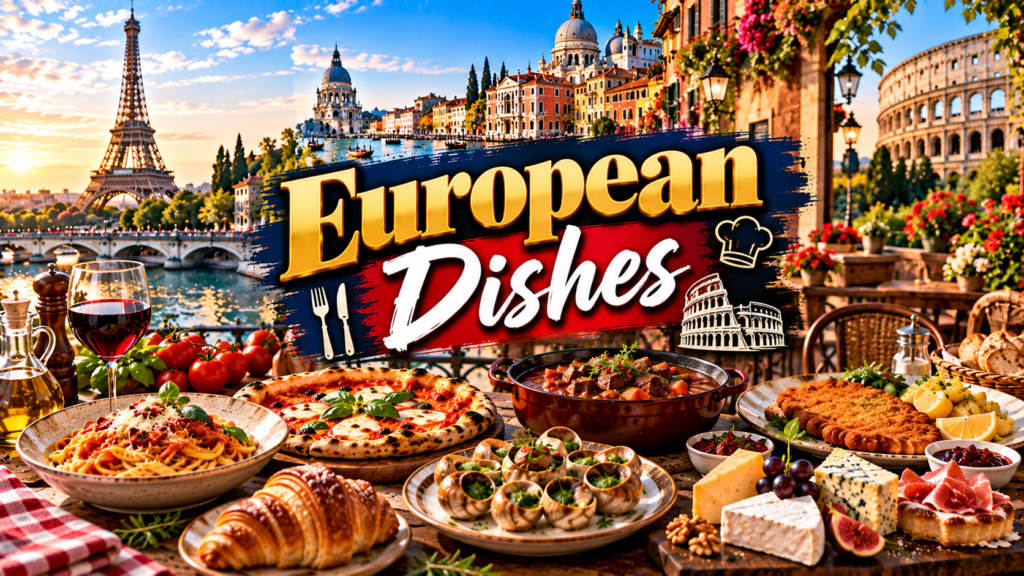
When exploring European cuisine, travelers can make the experience more memorable by visiting local markets, family-run restaurants, bakeries, food festivals, and traditional cafés. Regional dishes are often prepared differently from one town to another, so sampling local variations can provide a deeper understanding of a country’s food culture.
How Can You Experience Famous European Dishes at Home?
You do not need to travel across Europe to explore its culinary traditions. Many famous European dishes can be prepared at home using ingredients available at local supermarkets or specialty food stores.
Start with recipes that use familiar ingredients and straightforward cooking methods. Italian pasta, Spanish tortilla, Greek salad, French onion soup, and Swedish-style meatballs can be adapted for home kitchens without requiring professional equipment.
Here are some useful tips for preparing European foods at home:
- Choose authentic recipes: Look for recipes that explain the dish’s regional background and traditional ingredients.
- Use fresh ingredients: Fresh vegetables, herbs, good-quality cheese, and suitable cooking oils can improve flavor.
- Learn the cooking technique: Dough preparation, slow braising, grilling, and baking can influence the final result.
- Explore regional variations: A dish may have several traditional versions, so compare recipes from different regions.
- Respect dietary preferences: Many recipes can be adapted for vegetarian diets or other requirements, but substitutions may change the traditional character of a dish.
- Pair foods thoughtfully: Serve main courses with suitable breads, vegetables, salads, or traditional accompaniments.
Preparing these dishes at home is a practical way to learn about Europe’s cultural diversity while discovering new flavors.
Are Famous European Dishes Different From One Country to Another?
Yes, European food traditions vary significantly according to geography, climate, agriculture, history, and cultural exchange. Coastal countries often feature a wide selection of seafood, while mountainous regions have developed dishes using cheese, potatoes, grains, and preserved meats. Mediterranean cuisines commonly use olive oil, tomatoes, herbs, and seasonal vegetables, whereas some northern and central European traditions emphasize root vegetables, dairy products, rye bread, and hearty stews.
History has also influenced European cuisine. Trade introduced new spices and ingredients, migration spread cooking techniques, and changing agricultural practices transformed everyday meals. Over time, traditional recipes developed distinct regional identities, even when neighboring countries shared similar ingredients.
For example, Italian pasta dishes differ according to regional sauces and pasta shapes. Spanish rice dishes vary according to local produce and cooking traditions. German sausages have different characteristics from one region to another, and Polish dumplings can contain a wide range of sweet and savory fillings.
This diversity is what makes European cuisine so appealing. Rather than representing a single style of cooking, it brings together numerous culinary traditions that continue to evolve while preserving important cultural connections.
Conclusion: Why Should You Explore Famous European Dishes?
Famous European dishes offer more than delicious meals; they provide a window into the continent’s history, culture, and regional identity. From Italian pizza and pasta to French pastries, Spanish paella, Greek moussaka, German bratwurst, Polish pierogi, and Swiss fondue, each dish tells a story about local ingredients and traditional cooking methods.
Exploring European cuisine can make travel more rewarding, inspire home cooking, and introduce food lovers to flavors they may never have experienced before. Whether you prefer savory comfort food, fresh Mediterranean dishes, grilled specialties, or delicate desserts, Europe has an extraordinary variety of culinary experiences to discover.
For anyone interested in food, culture, and travel, learning about famous European dishes is an excellent starting point for understanding the continent’s rich gastronomic heritage. Try a traditional recipe, visit a local restaurant, or explore a regional food festival to experience these flavors for yourself. Every dish offers a new opportunity to discover what makes European food culture so distinctive and memorable.
Read More – French Fashion Secrets