
Inspiring Stories of Intergenerational Friendship: How Different Generations Build Meaningful Connections
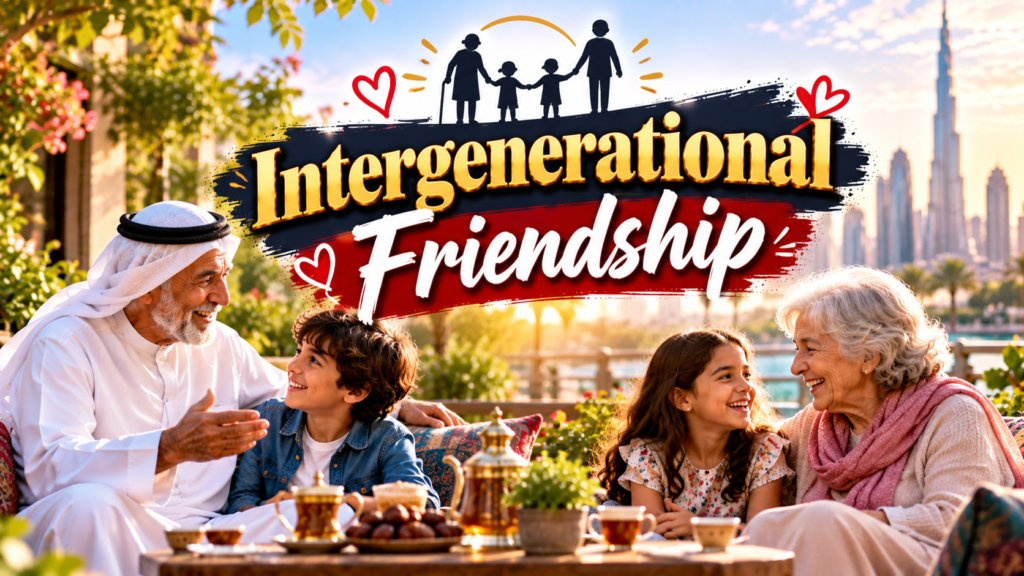
Intergenerational friendship is a meaningful relationship between people from different age groups who share common interests, experiences, values, and emotional connections. These friendships can develop between children and older adults, teenagers and retirees, young professionals and experienced mentors, or people who simply enjoy learning from one another despite their age differences. Unlike relationships that are limited to family responsibilities or professional roles, intergenerational friendships often grow naturally through shared activities, conversations, community events, educational programmes, and everyday encounters.
In a world where people frequently connect through digital platforms but may struggle to build lasting personal relationships, friendships across generations offer a valuable opportunity to develop deeper human connections. Younger people can gain wisdom, perspective, and practical knowledge from older friends, while older adults can experience renewed enthusiasm, companionship, and opportunities to understand changing lifestyles. These relationships demonstrate that friendship is not defined by age but by mutual respect, trust, kindness, and the willingness to understand another person’s experiences.
Inspiring stories of intergenerational friendship remind us that people from different generations can learn from one another and create relationships that enrich everyday life. Whether a friendship begins in a neighborhood, a school, a workplace, a community center, or an online group, it can challenge stereotypes and bring people closer together.
How Can an Unexpected Friendship Between Different Generations Change Lives?
Some of the most inspiring friendships begin with a simple conversation. A young person might meet an older neighbor while walking a dog, helping with groceries, or participating in a local event. What begins as a brief exchange can gradually become a meaningful friendship built on regular conversations, shared interests, and genuine concern for one another.
Imagine a university student who moves to a new city and feels isolated while adjusting to a different environment. An older neighbour notices the student spending time alone and begins inviting them for tea and conversation. Over time, the student learns about the neighbour’s life experiences, career challenges, family traditions, and memories of the community. In return, the student shares modern technology, music, and perspectives on contemporary life.
This illustrative example shows how an ordinary act of kindness can develop into a relationship that benefits both people. The student gains a sense of belonging, while the older neighbor enjoys companionship and the opportunity to share experiences with someone from a different generation.

Such friendships often grow through small but meaningful gestures, including:
- Checking on a neighbour who lives alone.
- Sharing meals and celebrating important occasions together.
- Offering help with everyday tasks without expecting anything in return.
- Listening carefully to each other’s stories and concerns.
- Making time for regular conversations and shared activities.
The central lesson is that meaningful friendships do not always require a planned programme or a special occasion. Sometimes, they begin when one person takes the time to acknowledge another.
What Can Young People Learn From Older Friends?
Older friends often bring a lifetime of experiences that younger people may not yet have encountered. Their stories can provide valuable perspectives on relationships, careers, financial decisions, personal setbacks, family responsibilities, and the importance of patience. However, the greatest value of these friendships is not simply receiving advice. It is learning how another person has navigated different stages of life.
Consider an illustrative story of a young entrepreneur who regularly meets a retired business owner at a neighbourhood café. The entrepreneur is enthusiastic about launching a new company but feels discouraged after experiencing financial difficulties. The retired business owner shares lessons about managing uncertainty, building trustworthy relationships, and learning from mistakes.
Rather than telling the younger person exactly what to do, the older friend encourages careful planning and perseverance. These conversations help the entrepreneur understand that setbacks are a normal part of growth and that long-term success often requires flexibility and patience.
Young people can benefit from older friends in several ways:
- Practical wisdom: Learning from real-life experiences and decisions.
- Emotional resilience: Understanding how people recover from disappointment and change.
- Historical perspective: Discovering how communities, workplaces, and lifestyles have evolved.
- Personal confidence: Receiving encouragement from someone who recognises their potential.
- Stronger values: Exploring the importance of honesty, responsibility, empathy, and commitment.
At the same time, younger people should remember that older friends do not have all the answers. Every generation faces different circumstances, and the strongest relationships allow advice to be shared without judgment or pressure.
How Can Younger Generations Inspire Older Adults?
Intergenerational friendship is not a one-way exchange in which older people provide wisdom and younger people simply receive it. Younger friends also bring fresh perspectives, curiosity, creativity, and knowledge that can make a positive difference in the lives of older adults.
Imagine a retired teacher who wants to stay connected with distant relatives but finds modern communication applications confusing. A younger neighbour offers to explain video calls, messaging tools, and photo-sharing features. Over several meetings, the teacher becomes more comfortable using technology and begins having regular conversations with family members who live far away.
As their friendship develops, the younger person discovers the teacher’s passion for literature, storytelling, and local history. The teacher begins sharing reading recommendations and stories from decades of classroom experience. What began as a technology lesson becomes a rewarding exchange of knowledge.
Younger friends may support older adults by:
- Introducing them to useful digital tools and online communication.
- Sharing contemporary music, films, books, and cultural trends.
- Encouraging participation in community activities and hobbies.
- Offering fresh perspectives on changing social attitudes.
- Helping them explore new interests and experiences.
- Providing companionship through conversations and shared projects.
These relationships can also help older adults feel valued for their knowledge, interests, personality, and individuality rather than being defined only by their age.
Can a Friendship Between a Teenager and a Senior Citizen Break Stereotypes?
Age-related stereotypes can create unnecessary distance between generations. Teenagers may assume that older adults cannot understand modern life, while seniors may believe that young people lack patience, responsibility, or interest in the past. Intergenerational friendship challenges these assumptions by allowing people to understand one another through direct experience.
Consider a hypothetical community garden project where teenagers and older residents work together to grow vegetables, flowers, and herbs. At first, participants may feel uncertain about communicating with people from different age groups. As they prepare the soil, plant seeds, water the garden, and discuss their progress, their conversations become more natural.
Older participants share gardening knowledge developed over many years, while younger participants introduce creative planting ideas and digital methods for documenting the garden. Both groups contribute to the project’s success.
The garden becomes more than a shared activity. It creates a space where people recognise each other’s abilities, appreciate different perspectives, and develop trust.
Friendships like these demonstrate that:
- Age does not determine a person’s interests or personality.
- People from different generations can enjoy common hobbies.
- Learning can take place at every stage of life.
- Mutual respect is more valuable than assumptions about age.
- Shared goals can bring people together despite differences.
When people spend time together, they often discover similarities that are more meaningful than the differences they initially noticed.
How Do Intergenerational Friendships Develop Through Shared Hobbies?
Shared interests provide a natural starting point for friendships across generations. People who enjoy gardening, painting, cooking, reading, music, photography, sports, or volunteering can connect through activities that make conversation easier and more enjoyable.
For example, imagine a young musician who meets an older neighbour at a local cultural event. The older person once played a musical instrument and is delighted to discover that the younger person shares the same passion. They begin meeting regularly to practise music, exchange recommendations, and discuss the songs they enjoy.
The younger musician introduces contemporary compositions, while the older friend shares traditional melodies and stories about performances from earlier years. Their friendship becomes an opportunity to preserve cultural knowledge while exploring new artistic ideas.
Other hobbies that can encourage intergenerational friendship include:
- Cooking: Preparing family recipes and experimenting with new dishes.
- Reading: Joining book clubs and discussing novels, biographies, and poetry.
- Gardening: Growing plants and sharing knowledge about nature.
- Photography: Exploring neighbourhoods and documenting everyday life.
- Crafts: Learning knitting, pottery, painting, woodworking, or embroidery.
- Walking: Exploring local parks while talking about personal interests.
- Volunteering: Supporting community projects and helping people in need.
Shared hobbies give people something to look forward to and create regular opportunities for interaction. They also make friendships more balanced because everyone can contribute according to their interests and abilities.
What Role Do Intergenerational Friendships Play in Reducing Loneliness?
Loneliness can affect people at different stages of life. Students may feel isolated after moving away from home, working adults may struggle to build relationships outside their professional responsibilities, and older adults may experience fewer opportunities for social interaction after retirement or major life changes.
Intergenerational friendships can provide meaningful companionship by creating opportunities for regular communication, shared experiences, and emotional support. A friendship may give someone a reason to participate in community activities, explore a new hobby, or simply look forward to a conversation at the end of the day.
Imagine an older adult who begins attending a weekly storytelling group at a local community centre. Initially, the person attends mainly to listen. Over time, they become friends with a younger volunteer who enjoys recording oral histories and learning about the area’s cultural heritage. Their conversations develop into a regular friendship that includes walks, book discussions, and community events.
The older participant gains an opportunity to share personal experiences, while the younger volunteer develops a deeper connection with the community.
Intergenerational friendship may help reduce feelings of isolation by encouraging:
- Regular social interaction.
- A stronger sense of belonging.
- Opportunities to share thoughts and emotions.
- Participation in community life.
- Meaningful routines and shared interests.
- Greater understanding between age groups.
However, friendship is not a replacement for professional support when someone experiences persistent or severe loneliness, depression, or other mental health concerns. Its value lies in offering an additional source of human connection and belonging.
How Can Intergenerational Friendships Preserve Culture and Family Traditions?
Culture is passed from one generation to another through language, food, music, festivals, stories, crafts, and everyday customs. Intergenerational friendships can help preserve these traditions by creating opportunities for people to share their experiences beyond their immediate families.
Consider a young person who becomes interested in traditional cooking after meeting an older community member at a cultural festival. The older friend teaches the younger person how to prepare regional dishes, explains the significance of particular ingredients, and describes how certain recipes are associated with celebrations and family gatherings.
In return, the younger friend helps document the recipes, take photographs, and organise a small community cooking event. The knowledge is shared with other residents, allowing traditions to reach people who might otherwise never encounter them.
These exchanges can preserve more than recipes. They can help keep languages, oral histories, traditional skills, and local memories alive.
Intergenerational friendships can support cultural preservation by:
- Encouraging the sharing of personal and community histories.
- Passing traditional skills to interested younger people.
- Recording stories, songs, recipes, and local customs.
- Creating opportunities to celebrate festivals together.
- Encouraging respect for cultural differences.
- Connecting historical experiences with contemporary perspectives.
Such relationships also remind people that culture is not static. Traditions can be respected and preserved while adapting to changing circumstances and new generations.
Can Intergenerational Friendship Make Communities Stronger?
Communities become more welcoming when people have opportunities to interact across age groups. When children, teenagers, working adults, and older residents know one another personally, they may become more willing to cooperate, share resources, and support local initiatives.
For example, a neighbourhood association might organise a community storytelling day where older residents share memories of how the area developed. Younger residents could help collect photographs, record interviews with permission, and create a digital archive. Families could attend the event and learn about the people and places that shaped their community.
A project like this can encourage meaningful relationships while strengthening local identity. It also creates opportunities for people who might rarely meet in their everyday routines to discover common interests.
Community initiatives that encourage intergenerational friendship include:
- Mentoring programmes that connect students with experienced professionals.
- Reading partnerships between schoolchildren and older volunteers.
- Community gardens maintained by residents of different ages.
- Intergenerational sports, arts, and cultural activities.
- Digital literacy sessions led by younger volunteers.
- Oral history projects that document local memories.
- Neighbourhood volunteering and shared celebrations.
Successful programmes should be inclusive and accessible, with activities adapted to participants’ interests, mobility, schedules, and communication preferences. The aim is to encourage genuine relationships rather than simply bringing different age groups into the same room.
How Can Schools and Colleges Encourage Intergenerational Friendship?
Schools and colleges can help young people appreciate older generations by creating structured opportunities for conversation, collaboration, and shared learning. Such initiatives can also help students develop communication skills, empathy, and an understanding of experiences beyond their own age group.
A school might invite older community members to participate in a local history project. Students could interview volunteers about childhood memories, changes in education, traditional celebrations, and important events in the community. With appropriate permission, they could turn these interviews into essays, presentations, podcasts, or exhibitions.
Another school could partner with a retirement community to organize reading sessions, art workshops, gardening activities, or technology demonstrations. These activities would allow participants to contribute their abilities while learning from others.
Educational institutions can encourage intergenerational friendship through:
- Oral history and storytelling projects.
- Joint art, music, and theatre activities.
- Career mentoring and practical skills workshops.
- Community volunteering programmes.
- Shared reading and writing sessions.
- Digital skills exchanges.
- Intergenerational environmental projects.
These programmes work best when participation is voluntary, interactions are respectful, and both groups have opportunities to contribute. Students should learn to listen without making assumptions, while older participants should be encouraged to express their interests and preferences openly.
What Challenges Can Arise in Intergenerational Friendships?
Although friendships across generations can be rewarding, they may require patience and understanding. People of different ages can have different communication styles, cultural references, expectations, energy levels, and views about technology or social change.
For instance, a younger friend might prefer sending short messages throughout the day, while an older friend may enjoy longer telephone conversations. One person might value spontaneity, whereas the other prefers making plans in advance. Such differences do not have to prevent a friendship from developing.
Instead, they can become opportunities to understand and respect each other’s needs.
Common challenges include:
- Communication differences: People may have different preferences for discussing feelings, making plans, or staying in touch.
- Generational stereotypes: Assumptions about age can lead to misunderstandings.
- Different life experiences: Friends may approach careers, relationships, technology, and social issues differently.
- Time constraints: Work, education, family responsibilities, or health-related limitations may affect how often people meet.
- Unequal expectations: A friendship can become uncomfortable if one person expects constant help, advice, or attention.
These challenges can be managed through honest communication, mutual respect, flexibility, and clear personal boundaries. Neither person should feel pressured to adopt the other’s beliefs or change their lifestyle simply to maintain the relationship.
It is also important to recognise that people of every age deserve safety, dignity, and independence. Healthy friendships should be voluntary, respectful, and free from manipulation or exploitation.
How Can You Build an Intergenerational Friendship in Everyday Life?
Building a friendship with someone from another generation does not require an elaborate plan. It often begins with a small step, such as introducing yourself to a neighbour, joining a community activity, or offering to participate in a shared project.
The key is to approach the relationship with genuine curiosity rather than treating it as a task or assuming that someone of a particular age must have specific interests.
Here are practical ways to begin:
- Join local activities: Attend library events, cultural programmes, gardening groups, or volunteering sessions that attract people of different ages.
- Start with common interests: Discuss books, food, music, travel, sports, films, or hobbies.
- Ask thoughtful questions: Invite people to share their experiences without pressuring them to discuss private matters.
- Listen actively: Give the other person time to speak and show genuine interest in their perspective.
- Share your own experiences: Friendship develops through mutual exchange, not one-sided questioning.
- Stay connected: If both people are comfortable, arrange another conversation or shared activity.
- Respect boundaries: Accept different communication preferences and personal circumstances.
- Allow the relationship to grow naturally: Trust takes time, and not every conversation will lead to a lasting friendship.
A simple greeting or shared activity can become the beginning of a meaningful relationship. Consistency, kindness, and mutual interest often matter more than age or background.
What Do Inspiring Stories of Intergenerational Friendship Teach Us?
Inspiring stories of intergenerational friendship reveal that meaningful relationships can emerge whenever people are willing to look beyond age and discover what they share. Whether two people meet through volunteering, a neighbourhood gathering, an educational programme, or a common hobby, their friendship can become a source of encouragement, learning, and belonging.
These relationships also challenge the idea that generations live in separate worlds. Older adults can introduce younger people to historical experiences, practical skills, and lessons learned over time. Younger people can share new ideas, technological knowledge, creative interests, and different perspectives on contemporary life.
The most important lessons from these friendships include:
- Friendship has no age limit: People can form meaningful connections throughout their lives.
- Listening creates understanding: Honest conversations help people move beyond stereotypes.
- Learning is mutual: Every generation has something valuable to teach and discover.
- Small gestures matter: Regular conversations and simple acts of kindness can build lasting trust.
- Community connections improve belonging: Relationships across age groups can make neighbourhoods more inclusive.
- Differences can be enriching: People do not need identical experiences or opinions to respect one another.
Ultimately, the value of intergenerational friendship lies in recognising the person behind the age group. Every individual has memories, hopes, challenges, interests, and experiences worth understanding.
Why Should We Celebrate Intergenerational Friendship Today?
Modern life often separates generations through different work environments, educational settings, entertainment habits, and social routines. Although digital communication makes it easier to connect across distances, meaningful friendships still depend on attention, trust, empathy, and shared experiences.
Celebrating intergenerational friendship encourages people to create more opportunities for genuine interaction. Families can invite neighbours and community members to share meals, schools can organise collaborative projects, workplaces can develop mentoring relationships, and local organisations can bring residents together through cultural and recreational activities.
The goal is not to suggest that every person must form friendships with people of different ages. Rather, it is to recognise that age diversity can enrich social life and create opportunities for relationships that might otherwise never develop.
A teenager and a retired professional may discover a shared passion for photography. A young parent and an older neighbour may become friends through gardening. A university student and a former teacher may connect through a love of literature. These relationships can grow in unexpected ways because people bring different strengths and experiences to the friendship.
By encouraging curiosity, respect, and regular interaction, individuals and communities can create environments where friendships across generations have room to flourish.
Frequently Asked Questions About Intergenerational Friendship
Q1. What is intergenerational friendship?
Ans: Intergenerational friendship is a voluntary relationship between people from different generations who share companionship, interests, experiences, and mutual respect. It can develop between young people and older adults in neighbourhoods, schools, workplaces, and community organisations.
Q2. Why are intergenerational friendships important?
Ans: These friendships can encourage mutual learning, reduce social isolation, challenge age-related stereotypes, preserve cultural knowledge, and strengthen community relationships. They provide opportunities for people of different ages to understand one another’s experiences.
Q3. What are some examples of intergenerational friendship?
Ans: Examples include a teenager learning traditional cooking from an older neighbour, a retired teacher helping a student with literature, a younger volunteer teaching digital skills to seniors, or people of different ages working together in a community garden.
Q4. How do intergenerational friendships benefit young people?
Ans: Young people may gain practical knowledge, historical perspectives, emotional encouragement, mentorship, and a deeper understanding of different life experiences. These relationships can also help them develop patience, empathy, and communication skills.
Q5. How do older adults benefit from friendships with younger people?
Ans: Older adults may enjoy companionship, opportunities to explore new interests, help with digital communication, and a greater sense of connection with their communities. These friendships can also create opportunities to share their knowledge and personal experiences.
Q6. How can communities promote intergenerational friendship?
Ans: Communities can organise shared gardening projects, storytelling events, mentoring programmes, reading groups, cultural celebrations, volunteering activities, and technology workshops that encourage people of different ages to interact naturally.
Q7. Can intergenerational friendship help reduce loneliness?
Ans: Intergenerational friendship can provide companionship, regular social interaction, and a sense of belonging. Although it may help reduce social isolation, people experiencing persistent emotional distress may also benefit from appropriate professional support.
Q8. What is the most important lesson from intergenerational friendship?
Ans: The most important lesson is that meaningful friendship is not restricted by age. Mutual respect, kindness, shared interests, open communication, and a willingness to learn from one another can create lasting connections between generations.
Conclusion: Can Intergenerational Friendship Make the World More Connected?
Inspiring stories of intergenerational friendship show how meaningful relationships can develop between people whose lives may initially seem very different. Through shared hobbies, thoughtful conversations, community projects, mentoring, and everyday acts of kindness, people from different generations can build friendships that enrich their lives.
These connections can provide companionship, encourage learning, challenge stereotypes, preserve cultural traditions, and strengthen communities. They also remind us that wisdom and creativity are not limited to a particular age group. Everyone has something to share, and everyone can continue learning from others.
The most inspiring friendships are not necessarily those that begin with dramatic events. Often, they start with a greeting, an invitation, a shared interest, or a willingness to listen. Over time, these small moments can develop into relationships built on trust, understanding, and mutual appreciation.
Ultimately, intergenerational friendship teaches us that human connection becomes stronger when people are willing to cross the boundaries that age can create. By making space for conversations and shared experiences between generations, we can help build a more compassionate, inclusive, and connected world.
Read More – Healthy Eating Habits