
What Are Animal Shelters and Why Are They Important?
Animal shelters play a vital role in protecting animals, supporting responsible pet ownership, and creating safer communities. They provide temporary or long-term care for abandoned, stray, neglected, and surrendered animals, including dogs, cats, rabbits, birds, and other vulnerable creatures. For many animals, a shelter is the first place where they receive regular meals, clean drinking water, medical attention, and protection from harsh weather or dangerous surroundings.
The importance of animal shelters goes far beyond providing a roof and food. These organizations give animals an opportunity to recover from difficult experiences, regain trust in humans, and find loving families. They also help communities address animal homelessness, promote adoption, encourage sterilization programs, and educate people about animal welfare.
Whether operated by charitable organizations, local authorities, or dedicated animal welfare groups, shelters represent compassion in action. Through rescue efforts, rehabilitation, and adoption services, they transform the lives of animals while inspiring people to become more responsible and caring toward all living beings.
How Do Animal Shelters Rescue Animals in Need?
Animal rescue is one of the most important services provided by animal shelters. Across cities, towns, and rural communities, many animals face abandonment, accidents, starvation, abuse, and neglect. Some become homeless after their owners move away, experience financial difficulties, or can no longer provide proper care. Others are born on the streets and struggle to survive without reliable access to food, water, or veterinary services.
Animal shelters work with volunteers, veterinarians, rescue organizations, and concerned residents to identify animals that need immediate assistance. Depending on their resources and local arrangements, they may respond to reports of injured animals, collect abandoned pets, and coordinate emergency treatment.
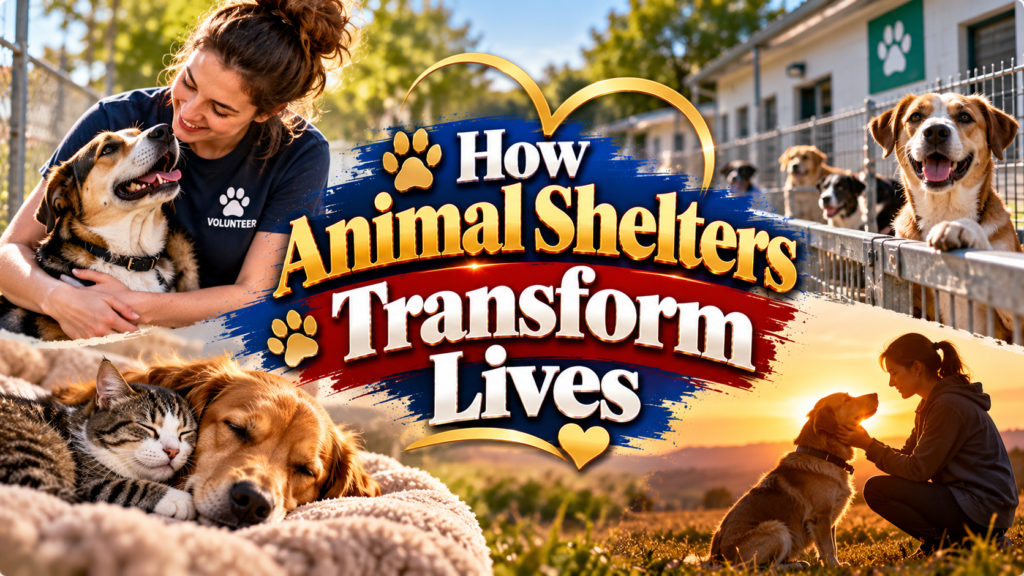
The animal shelters rescue process often involves several important steps:
- Identifying animals at risk: Volunteers and rescue workers respond to reports of abandoned, injured, or neglected animals.
- Providing emergency assistance: Injured animals may receive first aid and transportation to veterinary clinics.
- Arranging safe shelter: Rescued animals are moved to secure environments where their basic needs can be met.
- Assessing their condition: Staff evaluate injuries, nutrition, behavior, and possible health concerns.
- Planning recovery: Each animal receives appropriate care based on its individual needs.
These efforts can make the difference between life and death for vulnerable animals. Although shelters cannot save every animal, their work creates essential opportunities for survival, recovery, and a better future.
How Do Animal Shelters Improve Animal Health and Well-Being?
Many animals arrive at shelters suffering from malnutrition, dehydration, untreated injuries, parasites, infections, or other medical problems. Some have never received routine veterinary care, while others have experienced prolonged neglect. Without assistance, these conditions can worsen and seriously affect their quality of life.
Animal shelters help address these problems by arranging health examinations, vaccinations, parasite treatment, wound care, and other necessary veterinary services. Animals with serious injuries or illnesses may require surgery, medication, or specialized treatment. Their recovery depends on the severity of their condition, the availability of resources, and the quality of professional care.
Good animal welfare also involves emotional and behavioral well-being. A frightened animal may need a quiet space, gentle handling, predictable routines, and opportunities to feel safe. Providing comfortable bedding, clean living areas, nutritious food, fresh water, and appropriate exercise helps animals recover physically and emotionally.
Responsible animal shelters also monitor animals for signs of stress or illness and seek veterinary advice when necessary. By combining medical care with a safe environment, they help rescued animals regain strength and prepare for adoption whenever suitable.
Why Is Animal Adoption Important for Homeless Pets?
Animal adoption gives homeless pets an opportunity to become part of a permanent family. Instead of remaining in a shelter or facing uncertain conditions on the streets, adopted animals can enjoy companionship, regular care, and a stable home environment.
Adoption is also an important alternative to purchasing pets, particularly when suitable animals are already waiting for homes. Shelters often care for puppies, kittens, adult animals, and senior pets with different personalities and needs. By helping potential adopters find compatible companions, shelters can improve outcomes for both animals and families.
The benefits of adoption include:
- A second chance at life: Animals can move from uncertain circumstances into safer, more stable environments.
- Emotional companionship: Pets can become valued members of a household.
- Support for shelter capacity: Successful adoptions create space for other animals that need rescue.
- Responsible pet ownership: Adoption processes can encourage families to consider long-term care commitments.
- Reduced demand for irresponsible breeding: Choosing adoption may help reduce reliance on some commercial or irresponsible breeding sources.
However, adoption should never be treated as an impulsive decision. Prospective owners need to consider housing arrangements, time, expenses, allergies, family needs, and the animal’s expected lifespan. When a suitable match is made, adoption can transform an animal’s life for years to come.
How Do Animal Shelters Help Animals Overcome Fear and Trauma?
Not every rescued animal immediately feels comfortable around people. Animals that have experienced abandonment, abuse, or prolonged neglect may become fearful, withdrawn, defensive, or anxious. Some hide when approached, while others react strongly to unfamiliar sounds, handling, or environments.
Animal shelters can help these animals rebuild confidence through patient, compassionate care. Trained staff and experienced volunteers may use gradual socialization, positive reinforcement, enrichment activities, and predictable routines to help animals feel more secure. Rather than forcing interaction, they allow animals to progress at a pace appropriate to their individual needs.
For example, a frightened dog might initially need a quiet kennel and short, calm interactions before participating in group activities. A shy cat may benefit from hiding spaces, gentle play, and opportunities to approach people voluntarily.
Behavioral rehabilitation may include:
- Building trust through calm and consistent interactions.
- Introducing new people and environments gradually.
- Encouraging desirable behaviors through rewards.
- Providing toys, scratching posts, climbing areas, and other enrichment.
- Seeking veterinary or qualified behavioral support when needed.
Recovery is not always quick or straightforward. Some animals may require long-term management, specialized homes, or additional professional support. Nevertheless, patient care can help many animals become more comfortable, confident, and ready for adoption.
What Role Do Animal Shelters Play in Finding Forever Homes?
Finding the right home is one of the most meaningful responsibilities of an animal shelter. Successful adoption is not simply about moving an animal out of a facility. It involves matching the animal’s needs and personality with a family that can provide appropriate care throughout its life.
Shelters may evaluate an animal’s temperament, energy level, medical needs, and interactions with people or other animals. Potential adopters may be asked about their lifestyle, previous pet experience, housing situation, and ability to meet ongoing expenses.
Many shelters also provide adoption counseling to help families understand the responsibilities involved. Some offer introductory meetings, foster-to-adopt arrangements, or post-adoption guidance, depending on their policies.
A successful adoption process often includes:
- Learning about the animal’s history and care requirements.
- Meeting the animal and observing its behavior.
- Discussing the household’s suitability and expectations.
- Completing required paperwork and adoption procedures.
- Preparing the home with appropriate food, bedding, identification, and safety measures.
- Scheduling veterinary care and allowing time for adjustment.
Animals may need days, weeks, or longer to settle into a new home. Patience, consistency, and realistic expectations help families build lasting relationships with their adopted companions.
How Do Animal Shelters Transform the Lives of Children and Families?
Animal shelters can have a positive influence on families by introducing them to the responsibilities and rewards of caring for animals. Adopting a pet can create opportunities for companionship, shared activities, and meaningful family experiences.
Children who participate in age-appropriate pet care may learn empathy, patience, kindness, and respect for living beings. Simple responsibilities, such as helping measure food or assisting with supervised grooming, can teach consistency and accountability. Adults also benefit from the companionship that pets can provide, although the level of emotional or physical benefit varies from person to person.
Shelters can help families choose animals that suit their circumstances. For example, a household with young children may need a pet with a temperament and care requirements appropriate for that environment. An older adult may prefer an animal whose exercise needs fit their daily routine.
Responsible adoption also teaches families that pets are not temporary entertainment. Animals need attention, healthcare, exercise, training, and protection throughout their lives. By encouraging thoughtful decisions, shelters help create stronger relationships between people and animals.
How Do Animal Shelters Support Community Animal Welfare?
Animal shelters do more than care for individual animals. Their work can contribute to healthier and more compassionate communities by addressing the causes and consequences of animal homelessness.
Stray and abandoned animals may face road accidents, infectious diseases, hunger, and harsh weather. Communities may also experience concerns about animal bites, uncontrolled breeding, and conflicts between residents and free-roaming animals. Humane, evidence-based animal welfare programs can help address these challenges while respecting the needs of animals.
Depending on local laws and available resources, shelters may work with municipal authorities, veterinarians, rescue groups, and community members to support:
- Pet identification and reunification with owners.
- Vaccination and preventive veterinary care.
- Sterilization programs to reduce unwanted litters.
- Humane management of free-roaming animals.
- Responsible pet ownership education.
- Reporting and prevention of animal cruelty.
- Community adoption and foster-care initiatives.
In India, animal welfare efforts may also involve local bodies and registered animal welfare organizations working within applicable regulations. Programs for community dogs and other free-roaming animals should follow current local rules and veterinary guidance.
When shelters and communities cooperate, they can improve animal welfare while encouraging safer, more informed interactions between people and animals.
Why Are Animal Shelters Important for Controlling Pet Overpopulation?
Pet overpopulation is a significant animal welfare challenge in many places. When large numbers of animals reproduce without adequate access to care, shelters and communities may struggle to provide enough food, veterinary services, and safe housing. Unplanned litters can also increase the number of animals exposed to abandonment and disease.
Animal shelters help address this challenge through adoption, public education, and, where resources and local programs permit, sterilization initiatives. Spaying and neutering can prevent unwanted pregnancies and reduce the number of unplanned litters entering the community.
Responsible pet ownership is equally important. Owners can help prevent pet homelessness by ensuring animals have identification, keeping them secure, seeking veterinary advice, and making realistic long-term care plans before bringing a pet home.
Effective population management requires more than sheltering animals after they become homeless. It often involves cooperation among veterinarians, public authorities, animal welfare organizations, breeders, and pet owners.
The precise approach should reflect local animal populations, ecological considerations, public health needs, and applicable laws. Humane, professionally guided programs can reduce future suffering and help shelters use their limited resources more effectively.
How Do Volunteers Make a Difference in Animal Shelters?
Volunteers are an essential part of many animal shelters. Even organizations with paid staff may depend on community support to provide daily care, organize adoption activities, transport animals, and raise awareness about animal welfare.
Volunteering does not always require professional veterinary knowledge. Shelters may need assistance with cleaning, feeding, laundry, recordkeeping, fundraising, photography, administration, and public outreach. Experienced or appropriately trained volunteers may also help with walking dogs, socializing cats, or supporting adoption events.
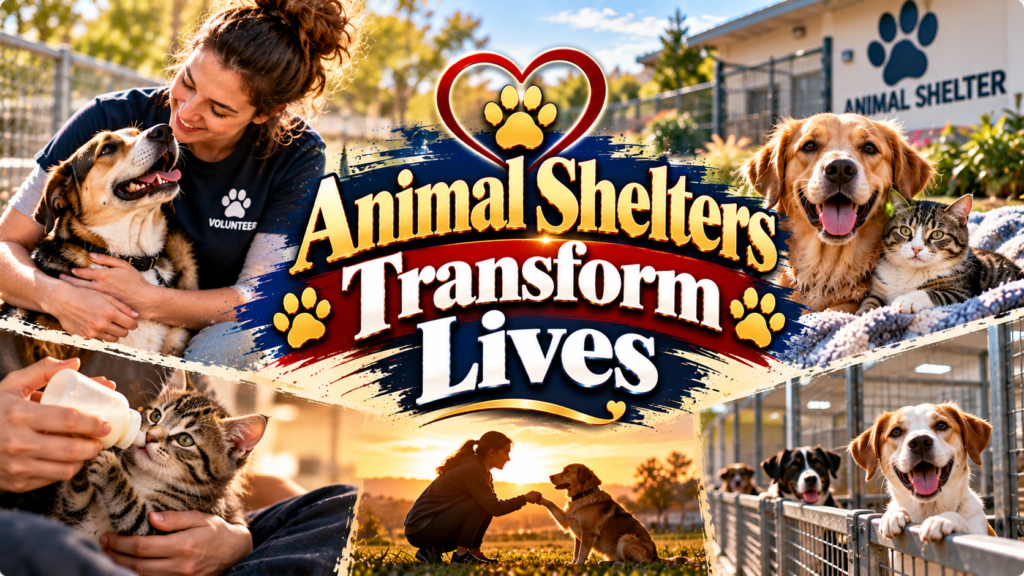
Common volunteer activities include:
- Preparing food and refreshing drinking water.
- Cleaning and maintaining animal living spaces.
- Providing supervised exercise and enrichment.
- Photographing animals and sharing accurate adoption profiles.
- Helping organize donation drives and community events.
- Supporting foster-care programs.
- Educating the public about responsible pet ownership.
Volunteers should follow shelter policies, hygiene procedures, animal-handling guidance, and safety instructions. Children should participate only in activities suitable for their age and under appropriate adult supervision.
By contributing time and skills, volunteers help shelters extend their reach and provide better care to animals waiting for permanent homes.
How Can Fostering Animals Transform Their Lives?
Foster care provides temporary homes for animals that need an environment outside a shelter. A foster family may care for a young kitten, a recovering dog, an animal that struggles with kennel stress, or a pet waiting for adoption.
Living in a home can help animals become familiar with everyday experiences such as household sounds, gentle handling, and regular routines. Foster caregivers may also learn more about an animal’s personality, behavior, and care requirements, helping shelters create more accurate adoption profiles.
Fostering can be particularly valuable for young animals that require frequent feeding or monitoring, animals recovering from medical treatment, and pets that benefit from quieter surroundings. However, not every household is suitable for every animal, and some cases require specialized care.
Before fostering, individuals should discuss veterinary expenses, food supplies, emergency procedures, expected duration, existing pets, and the shelter’s support arrangements. Clear communication helps protect both the animal and the foster household.
Although foster care is temporary, its impact can be lasting. It gives animals an opportunity to experience safety and affection while opening shelter space for other animals in need.
What Challenges Do Animal Shelters Face Every Day?
Despite their important work, animal shelters frequently face financial, logistical, and staffing challenges. Food, medication, vaccinations, veterinary treatment, cleaning supplies, utilities, and facility maintenance can create substantial ongoing expenses.
Overcrowding is another major concern. When more animals arrive than leave through adoption, reunification, or transfers, shelters may struggle to maintain suitable living conditions. Limited space can increase stress and make disease prevention more difficult.
Other challenges include insufficient volunteers, a shortage of trained staff, complex medical cases, behavioral difficulties, and a lack of suitable adopters. Some animals need long-term care because of age, disability, chronic illness, or specialized behavioral needs.
Shelters may address these problems through:
- Transparent fundraising and responsible financial management.
- Partnerships with veterinary clinics and community organizations.
- Adoption campaigns and foster networks.
- Staff training and volunteer recruitment.
- Preventive healthcare and appropriate sanitation.
- Public education about adoption and lifelong pet care.
- Careful planning for emergency situations and seasonal demand.
No single shelter can solve every animal welfare problem independently. Sustainable progress requires public participation, effective policies, adequate resources, and collaboration across the animal welfare sector.
How Can People Support Animal Shelters Without Adopting a Pet?
Adoption is not the only way to help animals. People who cannot take responsibility for a pet can still make a meaningful contribution to shelter operations and animal welfare programs.
Financial donations help cover essential expenses such as veterinary treatment, nutritious food, vaccination, and safe housing. However, shelters also benefit from practical supplies and professional services. Before donating goods, people should check which items the organization actually needs and whether it accepts used equipment.
Here are several useful ways to support animal shelters:
- Donate money: Contribute through established organizations and review their transparency practices.
- Provide essential supplies: Ask about current requirements for food, bedding, cleaning materials, and other approved items.
- Volunteer regularly: Offer time for suitable care, administrative, or outreach tasks.
- Become a foster caregiver: Provide a temporary home when your circumstances allow.
- Promote adoption: Share accurate profiles of animals that need suitable homes.
- Support local education: Encourage responsible pet ownership and humane animal care.
- Report cruelty responsibly: Contact the appropriate local authorities or animal welfare organizations when an animal appears to be in danger.
Small contributions can make a difference when they respond to real needs. Consistent, practical support is often more useful than occasional donations that a shelter cannot safely store or use.
How Do Animal Shelters Educate People About Responsible Pet Ownership?
Education is an important part of preventing animal abandonment and neglect. Many problems arise when people underestimate the time, cost, and commitment required to care for a pet. Others may lack access to reliable information about nutrition, vaccination, training, identification, or animal behavior.
Animal shelters can help by providing adoption counseling, educational events, online resources, and community outreach. These activities explain that every pet needs regular veterinary care, suitable nutrition, safe housing, exercise, social interaction, and protection from harm.
Responsible pet ownership also means understanding the financial implications of caring for an animal. Families should consider routine veterinary visits, emergency treatment, food, grooming, training, and other expenses before adopting.
Education can also challenge harmful misconceptions about shelter animals. A pet’s presence in a shelter does not automatically mean it is unhealthy, aggressive, or unsuitable for family life. Animals have different histories, temperaments, and needs, and each should be assessed individually.
By sharing accurate information and encouraging thoughtful decisions, shelters can help prevent future abandonment and promote more compassionate relationships between people and animals.
Can Animal Shelters Help Senior and Special-Needs Animals?
Yes. Senior animals and pets with disabilities or chronic health conditions can benefit significantly from shelter support. Older pets may arrive after their owners pass away, move into housing that does not allow animals, or become unable to provide care. Others may have been abandoned because of the cost or complexity of their medical needs.
These animals often require individualized care. A senior dog might need a comfortable resting area, moderate exercise, regular veterinary monitoring, and a diet suited to its health. A visually impaired cat may benefit from a consistent indoor environment with food, water, and litter trays placed in predictable locations.
Special-needs animals may also need medication, mobility assistance, accessible living spaces, or adopters willing to learn specific care routines.
Although finding suitable homes for these pets can take time, their age or disability does not determine their ability to form meaningful bonds. Shelters can help by sharing clear information about their needs and connecting them with experienced adopters or foster caregivers.
A thoughtful adoption can provide a senior or special-needs animal with comfort, security, and companionship during an important stage of life.
What Is the Future of Animal Shelters?
The future of animal shelters depends on combining compassionate care with better planning, community participation, and sustainable animal welfare practices. Technology can help organizations maintain records, publish adoption profiles, coordinate volunteers, and communicate urgent needs. Online platforms can also connect shelters with potential adopters, foster families, donors, and veterinary professionals.
However, technology alone cannot replace adequate staffing, veterinary expertise, safe facilities, and personal attention. Shelters need reliable resources and effective partnerships to meet the needs of the animals they serve.
Future progress may include stronger adoption networks, expanded foster programs, improved access to sterilization and vaccination services, better animal identification systems, and more community education. Data about admissions, reunifications, adoptions, and animal health can help organizations identify service gaps and improve their work.
Public authorities, businesses, schools, veterinarians, and individuals all have a role to play. Supporting responsible pet ownership and preventing abandonment can reduce pressure on shelters before animals reach a crisis.
The ultimate goal is not simply to build more shelters. It is to create communities where fewer animals experience neglect, more pets remain safely with their families, and homeless animals have realistic opportunities to find permanent homes.
How Do Animal Shelters Inspire Compassion and Kindness?
Animal shelters demonstrate how compassion can become meaningful action. Every rescued animal represents an opportunity for someone to provide food, medical attention, patience, or a safe place to recover. These everyday acts can inspire people to look beyond their own needs and recognize the vulnerability of other living beings.
Shelter workers and volunteers often demonstrate extraordinary dedication despite limited resources and emotionally challenging circumstances. Their efforts remind communities that kindness does not always require a grand gesture. It can begin with reporting an injured animal, supporting a local rescue group, donating needed supplies, or treating a frightened creature with patience.
Adoption can also change the way people understand animal welfare. Families who welcome shelter pets may become more aware of abandonment, irresponsible breeding, and the importance of preventive care. Their experiences can encourage others to make compassionate choices.
Although shelters cannot eliminate every form of animal suffering, they provide practical examples of what communities can accomplish when people work together. Their influence extends beyond individual rescues by helping create a culture of empathy and responsibility.
Conclusion: How Do Animal Shelters Give Animals a Second Chance at Life?
Animal shelters transform lives by rescuing vulnerable animals, providing medical care, supporting emotional recovery, and connecting homeless pets with suitable families. Their work helps animals move from uncertainty toward safety, comfort, and companionship. At the same time, shelters support communities through education, responsible adoption, volunteer opportunities, foster care, and animal welfare initiatives.
Their impact depends on more than buildings and resources. It relies on dedicated workers, compassionate volunteers, responsible adopters, veterinary professionals, and community members who recognize that animals deserve humane treatment.
Everyone can contribute, whether by adopting a pet, fostering an animal, donating essential supplies, volunteering, or spreading awareness about responsible pet ownership. Even small actions can support the broader effort to reduce animal suffering.
Ultimately, animal shelters represent hope for animals that have lost their homes or experienced difficult circumstances. By supporting their work and preventing abandonment, communities can help create a future in which more animals receive the care, protection, and loving homes they deserve.
Read More – How European Traditions Changed Over Generations?