
Artists Who Became Fashion Icons: How Did They Change the World of Style?
Fashion is more than clothing, accessories, and seasonal trends. It is a powerful form of self-expression that reflects personality, creativity, culture, and individuality. Throughout history, several artists have influenced the fashion industry through their distinctive appearances, experimental outfits, and unconventional approaches to personal style. From legendary musicians and talented painters to celebrated performers and contemporary creative personalities, many artists have become fashion icons whose influence continues to inspire designers and fashion enthusiasts worldwide.
But what makes an artist a fashion icon? Is it the ability to create memorable looks, challenge traditional dressing rules, or inspire millions of people to express themselves differently? Artists often use fashion as an extension of their creative identities. Their clothing choices communicate emotions, artistic beliefs, cultural movements, and personal stories.
The relationship between art and fashion has become increasingly influential over the decades. Many artists have collaborated with luxury fashion houses, inspired runway collections, introduced unforgettable trends, and changed how people understand personal style.
Let’s explore some of the most influential artists who became fashion icons and discover how their creativity transformed the world of fashion.
1. Why Have Artists Become So Influential in the Fashion Industry?
Artists have always influenced society beyond their primary creative professions. Their ability to experiment with colours, shapes, textures, and visual storytelling naturally connects them with fashion.
Unlike traditional fashion models, artists often develop distinctive personal styles that reflect their identities. Their appearances become recognizable signatures, making their fashion choices memorable and influential.
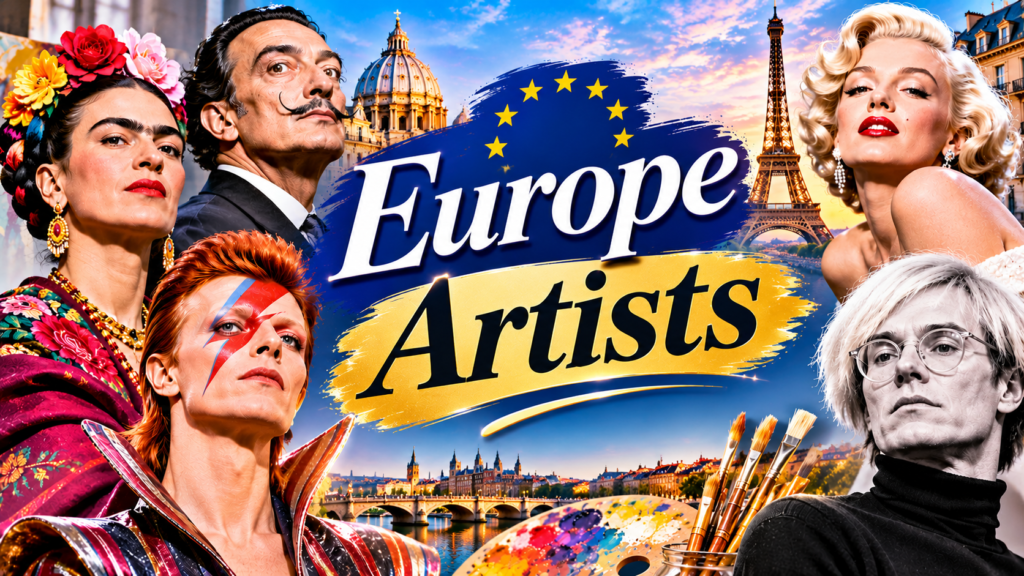
There are several reasons why artists have become important figures in the fashion industry:
- Creative expression: Artists use clothing to communicate their personalities and artistic visions.
- Cultural influence: Their fashion choices often represent important social and cultural movements.
- Individuality: Many artists challenge conventional beauty standards and traditional dressing rules.
- Trendsetting: Their outfits inspire designers, celebrities, and everyday fashion enthusiasts.
- Artistic collaborations: Artists frequently collaborate with fashion brands to introduce innovative collections.
Through these influences, artists have helped transform fashion into a global cultural language.
2. How Did David Bowie Become One of the Most Influential Fashion Icons?
David Bowie remains one of the most recognizable examples of an artist whose fashion identity transformed popular culture. Known for constantly reinventing his musical and visual identity, Bowie used fashion as an essential part of his artistic expression.
His famous Ziggy Stardust persona introduced audiences to colourful jumpsuits, dramatic makeup, platform boots, and futuristic outfits. These looks challenged traditional ideas about masculinity, gender expression, and celebrity fashion.
Bowie’s influence extended beyond music stages. His experimental approach encouraged people to embrace individuality and explore unconventional clothing styles.
Some of his most influential fashion elements included:
- Bright metallic fabrics and colourful jumpsuits.
- Dramatic makeup and theatrical hairstyles.
- Platform boots and futuristic accessories.
- Gender-fluid silhouettes and experimental styling.
- Bold combinations of colours and textures.
Why does David Bowie’s fashion legacy remain relevant? His style demonstrated that clothing could become an artistic performance rather than simply something people wear.
3. How Did Madonna Redefine Fashion Through Music and Art?
Madonna became a global fashion influence through her ability to reinvent her appearance throughout her career. From the rebellious street-inspired looks of the 1980s to glamorous stage costumes, her fashion choices have frequently reflected changing cultural attitudes.
Her early fashion identity included lace gloves, layered jewellery, cross necklaces, oversized accessories, and bold hairstyles. These looks became closely associated with youth culture and helped popularize expressive street fashion.
One of her most memorable fashion moments was the iconic cone-bra corset designed by Jean Paul Gaultier for her 1990 Blond Ambition World Tour.
Madonna demonstrated that fashion could challenge social expectations while creating powerful visual statements.
Her influence can be seen in:
- Statement jewellery and layered accessories.
- Corset-inspired fashion.
- Bold stage costumes.
- Reinvented feminine silhouettes.
- Confidence-driven personal styling.
Her career proves that fashion icons do not need to follow trends. Sometimes, they create entirely new ones.
4. Why Is Rihanna Considered a Modern Fashion Icon?
Rihanna has become one of the most influential modern artists in fashion. Her fearless approach to dressing, ability to experiment with different silhouettes, and confidence in unconventional styling have earned her international recognition.
Whether appearing at major fashion events or walking through city streets, Rihanna frequently introduces looks that attract worldwide attention.
Her famous yellow gown at the 2015 Met Gala, designed by Chinese couturier Guo Pei, became one of the most memorable red-carpet appearances in fashion history.
Rihanna has also influenced the fashion and beauty industries through her entrepreneurial ventures, including Fenty Beauty and Savage X Fenty.
What makes her fashion identity unique?
- She combines luxury fashion with streetwear.
- She embraces oversized silhouettes and statement accessories.
- She experiments with dramatic colours and textures.
- She promotes inclusive fashion and diverse beauty standards.
- She confidently wears unconventional outfits.
Rihanna’s influence demonstrates how contemporary artists can shape fashion through creativity, entrepreneurship, and cultural influence.
5. How Did Beyonce Become a Symbol of Power and Fashion?
Beyoncé is another artist whose fashion identity has become an important part of her global influence.
Her stage costumes, red-carpet appearances, and music-video styling frequently combine glamour, strength, femininity, and artistic storytelling.
Her Coachella 2018 performance, often called Beychella, featured custom-designed outfits by Balmain. The costumes connected fashion with music, performance, and cultural heritage.
Her Renaissance era further highlighted metallic fabrics, silver outfits, futuristic silhouettes, and disco-inspired styling.
Beyonce’s fashion influence includes:
- Dramatic performance costumes.
- Elegant evening gowns.
- Metallic and futuristic fashion.
- Powerful feminine silhouettes.
- Cultural references through clothing.
Her fashion choices show how artists can use clothing to celebrate identity, confidence, and creativity.
6. Why Did Frida Kahlo Become an International Fashion Icon?
Frida Kahlo was celebrated for her extraordinary paintings, but her personal style also became an important part of her artistic identity.
She frequently wore traditional Mexican clothing, particularly Tehuana-inspired dresses, embroidered garments, colourful shawls, and elaborate floral headpieces.
Her appearance reflected her cultural pride, personal experiences, and artistic beliefs. Instead of following international fashion trends, Kahlo developed a distinctive visual identity rooted in Mexican heritage.
Her recognizable fashion elements included:
- Colourful embroidered dresses.
- Traditional Mexican garments.
- Floral headpieces.
- Statement earrings and necklaces.
- Bold combinations of patterns and colours.
Why does Frida Kahlo continue to inspire fashion designers? Her style celebrated cultural identity and demonstrated that traditional clothing could become a powerful expression of modern individuality.
Her influence continues to appear in fashion exhibitions, editorial photography, accessories, and designer collections.
7. How Did Andy Warhol Connect Pop Art With Fashion?
Andy Warhol was one of the most influential figures in the Pop Art movement. His work transformed everyday consumer objects, celebrity portraits, and commercial imagery into celebrated works of art.
Warhol also developed a distinctive personal appearance. His silver wig, black turtlenecks, dark trousers, and understated accessories became recognizable elements of his identity.
His relationship with fashion extended beyond personal clothing. He worked with magazines, photographed celebrities, and explored the connection between popular culture, advertising, and visual style.
His influence helped establish several important ideas:
- Fashion and art can share the same creative language.
- Everyday objects can become sources of artistic inspiration.
- Celebrity culture plays an important role in fashion.
- Visual branding can create a recognizable personal identity.
Warhol’s legacy continues to influence fashion photography, graphic design, advertising, and contemporary creative culture.
8. How Did Lady Gaga Transform Fashion Into Performance Art?
Lady Gaga is widely recognized for transforming fashion into an essential part of her artistic performances.
Her outfits frequently challenge conventional fashion expectations through dramatic shapes, unusual materials, bold colours, and theatrical concepts.
One of her most talked-about appearances was the meat dress worn at the 2010 MTV Video Music Awards. The outfit generated widespread discussion about fashion, artistic expression, and personal freedom.
Lady Gaga has also worn memorable creations by designers such as Alexander McQueen.
Her fashion identity includes:
- Experimental haute couture.
- Dramatic makeup and accessories.
- Sculptural clothing designs.
- Unconventional materials.
- Theatrical red-carpet appearances.
How did Lady Gaga change the fashion industry? She encouraged people to view clothing as a form of storytelling and performance art.
Her influence is particularly visible in avant-garde fashion, music-video styling, and experimental runway presentations.
9. Why Is Harry Styles Influential in Modern Gender-Fluid Fashion?
Harry Styles has become an important contemporary fashion figure through his playful and unconventional approach to clothing.
His personal style often combines colourful suits, pearl necklaces, patterned shirts, feather boas, flowing garments, and vintage-inspired designs.
His December 2020 Vogue cover attracted significant attention because he appeared in a dress, encouraging wider conversations about gender expression and fashion.
Styles has frequently collaborated with luxury fashion labels, particularly Gucci, and his fashion choices have influenced younger audiences around the world.
His recognizable style elements include:
- Colourful tailored suits.
- Pearl necklaces and statement jewellery.
- Vintage-inspired clothing.
- Floral prints and bold patterns.
- Flowing silhouettes and gender-fluid styling.
His influence demonstrates that modern fashion is increasingly about personal freedom rather than traditional clothing categories.
10. How Did Elvis Presley Influence Fashion Through Rock and Roll?
Elvis Presley helped shape the visual identity of rock and roll during the 1950s and beyond.
His distinctive hairstyles, colourful shirts, leather jackets, and energetic stage costumes influenced generations of musicians and fashion enthusiasts.
His early appearance combined rebellious youth culture with rockabilly-inspired styling. Later, his elaborate jumpsuits decorated with rhinestones and bold details became iconic stage costumes.
His fashion influence included:
- Leather jackets and fitted trousers.
- Bold shirts and contrasting colours.
- Distinctive hairstyles.
- Embellished performance outfits.
- Rockabilly-inspired clothing.
Elvis demonstrated that an artist’s clothing could become as recognizable as their music.
11. Why Did Grace Jones Become a Fashion Icon?
Grace Jones is celebrated for her striking appearance, experimental fashion choices, and powerful artistic identity.
Her collaboration with photographer and creative director Jean-Paul Goude helped establish some of the most recognizable visual images of the 1980s.
Her signature style featured sharp tailoring, geometric shapes, sculptural silhouettes, dramatic makeup, and an iconic angular hairstyle.
What made Grace Jones different from other fashion personalities?
- She challenged conventional beauty standards.
- She experimented with androgynous silhouettes.
- She embraced architectural clothing designs.
- She combined music, modelling, and performance art.
- She created a distinctive visual identity.
Her influence remains visible in avant-garde fashion, contemporary photography, and experimental runway designs.
12. How Did Cher Become a Fashion Icon Through Glamour and Bold Styling?
Cher has maintained an extraordinary fashion presence through decades of musical and entertainment history.
Her collaboration with designer Bob Mackie produced some of the most memorable costumes in celebrity fashion.
Cher became known for dramatic feathers, sparkling embellishments, sheer fabrics, elaborate headpieces, and daring silhouettes.
Her fashion legacy demonstrates how performance clothing can combine theatrical creativity with high-fashion craftsmanship.
Her signature fashion elements include:
- Elaborate stage costumes.
- Feathered and embellished outfits.
- Dramatic eveningwear.
- Statement headpieces.
- Glamorous, body-conscious silhouettes.
Cher’s style continues to inspire performers who want their clothing to become part of their artistic identity.
13. How Did Beyonce, Rihanna, and Other Contemporary Artists Influence Streetwear?
Contemporary fashion is increasingly influenced by the relationship between music, celebrity culture, and streetwear.
Artists have helped make casual clothing, sneakers, oversized garments, and luxury sportswear important parts of everyday fashion.
Rihanna, Beyoncé, and numerous other performers have popularized combinations of designer clothing and relaxed street-inspired pieces.
Some of the most recognizable trends include:
- Oversized jackets and trousers.
- Luxury sneakers and statement footwear.
- Graphic T-shirts and hoodies.
- Designer handbags with casual outfits.
- Bold sunglasses and accessories.
- Sport-inspired clothing.
The growing popularity of streetwear demonstrates that fashion does not always need to be formal or expensive to become influential.
Artists have helped make everyday clothing an important part of contemporary style.
14. How Do Artists Influence Fashion Designers and Luxury Brands?
The relationship between artists and fashion designers has become stronger over the years. Artists provide designers with fresh creative perspectives, cultural inspiration, and new ways of understanding visual identity.
Fashion houses frequently collaborate with musicians, painters, photographers, and other creative personalities to develop special collections and campaigns.
These partnerships create opportunities for both industries to reach new audiences.
Some important examples include:
- Rihanna and luxury fashion: Her partnership with LVMH resulted in the launch of Fenty, highlighting the influence of contemporary musicians in luxury fashion.
- Beyonce and Balmain: Her Coachella-inspired collaboration demonstrated the connection between performance costumes and high fashion.
- Kanye West and Adidas: The Yeezy partnership helped popularize minimalist sneaker designs and contemporary streetwear aesthetics.
- Pharrell Williams and Louis Vuitton: His appointment as men’s creative director brought music, street culture, and luxury fashion together.
- Madonna and Jean Paul Gaultier: Their collaboration created some of the most recognizable stage costumes in pop culture.
These partnerships demonstrate that artists are no longer simply consumers of fashion. They are active participants in shaping the industry’s creative direction.
15. What Makes an Artist a True Fashion Icon?
Not every artist who wears expensive clothing becomes a fashion icon. True fashion influence comes from originality, consistency, cultural impact, and the ability to inspire others.
An artist becomes a fashion icon when their personal style creates a lasting impression and influences how people understand clothing.
Several characteristics distinguish fashion icons from ordinary trend followers.
1. Originality: Fashion icons develop distinctive appearances rather than simply copying existing trends.
2. Confidence: They wear unconventional clothing with confidence and communicate their individuality through style.
3. Cultural influence: Their fashion choices often reflect important artistic, social, or cultural movements.
4. Innovation: They experiment with new materials, silhouettes, accessories, and styling techniques.
5. Long-term influence: Their fashion legacy continues to inspire future generations.
6. Personal identity: Their clothing becomes closely connected to their artistic personality and public image.
These qualities explain why certain artists remain relevant in fashion discussions long after their most famous performances or creative achievements.
16. How Has Social Media Changed the Relationship Between Artists and Fashion?
Social media has transformed the way artists influence fashion trends. In earlier decades, audiences primarily discovered celebrity fashion through magazines, television, concerts, and fashion events.
Today, platforms such as Instagram, TikTok, Pinterest, and YouTube allow millions of people to follow artists’ personal styles in real time.
A single outfit can quickly become a global fashion trend through photographs, videos, and online discussions.
Social media has created several important changes:
- Instant trend visibility: Celebrity outfits reach international audiences within minutes.
- Direct audience engagement: Fans can discuss, recreate, and share their favourite looks.
- Fashion accessibility: People can discover affordable alternatives inspired by celebrity clothing.
- Brand collaborations: Artists can promote fashion collections directly to their followers.
- Personal branding: Artists can develop recognizable fashion identities beyond traditional entertainment platforms.
This digital transformation has made artists even more influential in the modern fashion ecosystem.
17. Why Do Artists Use Fashion as a Form of Self-Expression?
Fashion provides artists with another creative medium through which they can communicate their ideas and personalities.
Just as painters use colours and musicians use sounds, artists can use clothing to express emotions, beliefs, and individual experiences.
A dramatic outfit may communicate rebellion, while a traditional garment may represent cultural identity. Minimalist clothing can reflect simplicity, whereas extravagant costumes may communicate confidence and theatrical creativity.
Artists use fashion to:
- Express personal identity.
- Celebrate cultural traditions.
- Challenge social expectations.
- Communicate artistic concepts.
- Experiment with creativity.
- Connect with audiences emotionally.
This connection between clothing and artistic expression explains why fashion has become such an important part of modern popular culture.
18. Which Fashion Trends Were Popularised by Famous Artists?
Many fashion trends that are popular today have been influenced by artists and performers from different generations.
Their personal choices have helped introduce styles that later became part of mainstream fashion.
| Artist | Recognizable fashion influence |
|---|---|
| David Bowie | Glam rock and futuristic clothing |
| Madonna | Lace gloves, corsets and statement accessories |
| Rihanna | Luxury streetwear and experimental silhouettes |
| Beyoncé | Glamorous performance fashion and metallic outfits |
| Frida Kahlo | Traditional Mexican embroidery and floral headpieces |
| Lady Gaga | Avant-garde and theatrical fashion |
| Harry Styles | Gender-fluid styling and colourful tailoring |
| Elvis Presley | Rockabilly clothing and embellished jumpsuits |
| Grace Jones | Architectural silhouettes and androgynous fashion |
| Cher | Dramatic stage costumes and glamorous embellishments |
These examples demonstrate how artists have influenced different fashion movements while creating their own recognizable identities.
19. Can Artists Still Influence Future Fashion Trends?
Absolutely. Artists will continue to influence fashion because creativity and self-expression remain essential parts of the industry.
The future of fashion is likely to feature stronger connections between music, digital art, cultural heritage, sustainability, and technology.
Several emerging developments could shape the relationship between artists and fashion.
Sustainable fashion: Artists may increasingly promote recycled fabrics, responsible manufacturing, vintage clothing, and environmentally conscious fashion choices.
Digital fashion: Virtual clothing, digital identities, and fashion experiences in online environments could create new opportunities for artistic experimentation.
Cultural representation: More artists may use clothing to celebrate traditional craftsmanship, regional textiles, and cultural heritage.
Gender-inclusive fashion: Designers and performers are likely to continue challenging conventional clothing categories.
Creative collaborations: Partnerships between artists, independent designers, and luxury fashion houses may introduce innovative collections and visual concepts.
As fashion evolves, artists will remain important voices in shaping its cultural and creative direction.
20. What Can We Learn From Artists Who Became Fashion Icons?
The fashion journeys of influential artists teach us that personal style is not about following every trend or purchasing expensive designer clothing. It is about understanding individual identity and expressing it confidently.
David Bowie demonstrated the importance of experimentation. Frida Kahlo celebrated cultural heritage. Madonna challenged conventional fashion expectations, while Rihanna and Lady Gaga showed how creativity can redefine modern celebrity style.
Their stories offer several valuable lessons for everyday fashion enthusiasts:
- Develop a personal style that reflects your personality.
- Experiment with colours, patterns, and accessories.
- Do not be afraid to challenge traditional fashion rules.
- Find inspiration in art, music, history, and culture.
- Choose clothing that makes you feel confident.
- Embrace individuality instead of copying every trend.
- Combine classic fashion pieces with creative elements.
Ultimately, the most memorable fashion statements often come from people who are confident enough to be different.
Frequently Asked Questions (FAQs)
Q1. Who are some of the most famous artists who became fashion icons?
Ans: David Bowie, Madonna, Rihanna, Beyoncé, Frida Kahlo, Lady Gaga, Harry Styles, Elvis Presley, Grace Jones, and Cher are among the most influential artists who became fashion icons.
Q2. How do musicians influence fashion trends?
Ans: Musicians influence fashion through stage costumes, music videos, public appearances, brand collaborations, and personal styling. Their outfits often inspire fans and designers to experiment with new trends.
Q3. Why is David Bowie considered a fashion icon?
Ans: David Bowie is considered a fashion icon because of his experimental costumes, Ziggy Stardust persona, dramatic makeup, colourful outfits, and willingness to challenge traditional fashion expectations.
Q4. How did Frida Kahlo influence the fashion industry?
Ans: Frida Kahlo influenced fashion through her colourful traditional Mexican clothing, embroidered dresses, floral headpieces, and distinctive accessories. Her style continues to inspire designers interested in cultural heritage.
Q5. Which female artists have influenced modern fashion?
Ans: Madonna, Rihanna, Beyoncé, Lady Gaga, Cher, and Grace Jones have significantly influenced modern fashion through their distinctive styles and creative approaches to clothing.
Q6. How does fashion help artists express their personalities?
Ans: Fashion allows artists to communicate their identities, emotions, cultural backgrounds, and creative beliefs through colours, silhouettes, fabrics, accessories, and styling.
Q7. Can an artist become a fashion icon without being a fashion designer?
Ans: Yes. Artists can become fashion icons through their personal style, cultural influence, originality, and ability to inspire audiences, even without formally working as fashion designers.
Q8. What is the relationship between art and fashion?
Ans: Art and fashion share creativity, visual storytelling, experimentation, and self-expression. Artists often inspire fashion designers through paintings, photography, music, performance, and cultural movements.
Q9. How has social media increased artists’ fashion influence?
Ans: Social media allows artists to showcase outfits instantly to global audiences, making it easier for fans to discover trends, recreate celebrity looks, and engage with fashion brands.
Q10. What is the biggest fashion lesson from artists who became fashion icons?
Ans: The biggest lesson is that confidence, originality, and individuality are more important than simply following popular fashion trends.
Conclusion: How Have Artists Changed the Meaning of Fashion?
Artists who became fashion icons have transformed the way people understand clothing, beauty, and personal expression. From David Bowie’s futuristic stage costumes and Frida Kahlo’s traditional Mexican garments to Rihanna’s experimental luxury looks and Harry Styles’ gender-fluid styling, these creative personalities have demonstrated that fashion is much more than an industry.
It is a powerful form of communication that connects art, culture, music, identity, and society.
Their influence extends beyond celebrity appearances and fashion magazines. They have inspired designers, encouraged individuality, challenged traditional expectations, and introduced trends that continue to shape contemporary wardrobes.
As the fashion industry evolves, new generations of artists will undoubtedly bring fresh ideas, creative collaborations, and unconventional styles. Their contributions will continue to demonstrate that true fashion icons are not simply people who wear beautiful clothes but individuals who use fashion to express something meaningful.
The lasting lesson is simple: fashion becomes iconic when creativity meets individuality.
Read More – Best Countries to Work in Europe