
European Breakfast Traditions: What Do People Eat for Breakfast Across Europe?
Have you ever wondered what people eat for breakfast in different European countries? European breakfast traditions offer a fascinating journey through the continent’s diverse food cultures, regional ingredients, historical influences, and everyday lifestyles. From freshly baked French croissants and Italian cappuccinos to hearty English breakfasts, German bread rolls, and Scandinavian open sandwiches, every country has its own way of welcoming the morning.
Breakfast is more than just the first meal of the day in Europe. It reflects local traditions, agricultural practices, family habits, and cultural identity. While some Europeans prefer a quick coffee with a pastry, others enjoy a filling meal featuring eggs, cheese, bread, vegetables, fish, and fresh fruit.
European breakfast culture also changes from one region to another. Southern European countries often favour coffee, bread, and sweet pastries, while Northern and Central European countries are known for their hearty breads, dairy products, cereals, and savoury breakfast options. Eastern Europe adds another layer of variety with pancakes, porridge, cottage cheese, and traditional baked dishes.
Let’s explore the fascinating world of European breakfast traditions and discover what makes morning meals across the continent so special.
1. What Makes European Breakfast Traditions So Unique?
European breakfast traditions are unique because they combine centuries-old culinary practices with modern lifestyles. Unlike countries where breakfast menus may be relatively similar across regions, Europe offers remarkable diversity in morning meals.
Geography, climate, agriculture, religion, and historical trade routes have all influenced what Europeans eat in the morning. Countries with colder climates traditionally rely on filling foods such as porridge, rye bread, cheese, and smoked fish. Warmer Mediterranean countries often favor lighter breakfasts featuring coffee, fresh fruit, yoghurt, and pastries.
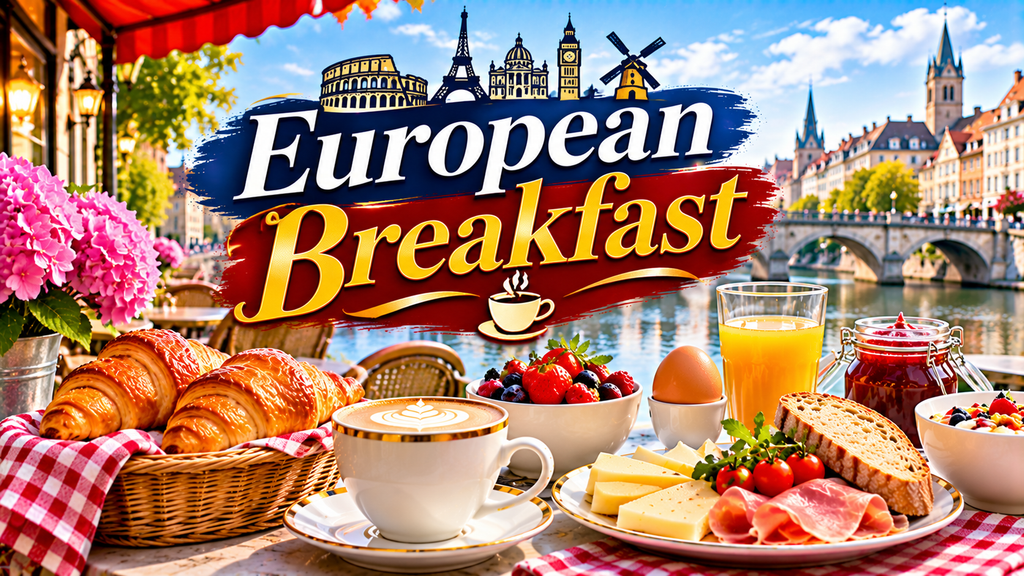
Some of the most common characteristics of European breakfast culture include:
- Freshly baked bread: Bread rolls, baguettes, rye bread, and sourdough are popular breakfast staples.
- Coffee culture: Espresso, cappuccino, café au lait, and filter coffee are important parts of morning routines.
- Dairy products: Cheese, butter, yoghurt, milk, and cream feature in many European breakfasts.
- Sweet pastries: Croissants, cinnamon rolls, doughnuts, and regional cakes are enjoyed across the continent.
- Fresh ingredients: Seasonal fruits, vegetables, eggs, and locally produced foods contribute to breakfast menus.
- Regional specialities: Each country has distinctive dishes that reflect its culinary heritage.
These traditions demonstrate how food connects everyday life with national and regional identity.
2. What Is a Traditional French Breakfast Like?
France is famous for its elegant food culture, and breakfast is no exception. A traditional French breakfast, commonly called petit déjeuner, is generally simple, light, and centred around bread, pastries, and coffee.
Many French people enjoy a freshly baked croissant or a piece of baguette with butter and jam. Coffee, café au lait, tea, or hot chocolate often accompanies the meal.
Popular French breakfast foods include:
- Croissants made with buttery, flaky pastry.
- Pain au chocolat filled with chocolate.
- Baguette served with butter and fruit preserves.
- Tartines, which are slices of bread topped with butter and jam.
- Brioche, a soft and slightly sweet bread.
- Yoghurt, fruit, and occasionally cereal.
Unlike the elaborate brunches often seen in restaurants, everyday French breakfasts are usually uncomplicated. Bakeries play an important role in French morning culture, with people stopping by to purchase fresh bread and pastries before work or school.
The French breakfast tradition reflects the country’s appreciation for fresh ingredients, quality baking, and the pleasure of enjoying simple food.
3. Why Is the English Breakfast So Famous Around the World?
The traditional English breakfast is one of Europe’s most recognisable morning meals. Often called a full English breakfast, it is famous for its generous portions and combination of savoury ingredients.
Unlike lighter continental breakfasts, a full English breakfast is designed to be filling. It is particularly popular as a weekend meal, although some restaurants and hotels serve it throughout the week.
A traditional full English breakfast may include:
- Fried, scrambled, or poached eggs.
- Bacon and sausages.
- Baked beans.
- Grilled tomatoes.
- Mushrooms.
- Toast or fried bread.
- Black pudding.
- Tea or coffee.
The origins of the full English breakfast are associated with British social and culinary history, particularly the elaborate country-house breakfasts that became popular among wealthier households.
Today, the meal is enjoyed by people from different backgrounds and is widely available in British cafés, hotels, and restaurants.
There are also regional variations. Scottish breakfasts may include tattie scones and black pudding, while Welsh breakfasts can feature locally produced ingredients and laverbread.
4. What Do Italians Eat for Breakfast?
Italian breakfast, known as colazione, is generally light, sweet, and accompanied by coffee. Unlike the substantial meals associated with some Northern European countries, Italians often prefer a pastry and a hot drink in the morning.
One of the most popular combinations is a cappuccino with a cornetto, an Italian pastry similar to a croissant. Cornetti may be plain or filled with chocolate, cream, jam, or pistachio.
Common Italian breakfast choices include:
- Cornetto with cappuccino.
- Espresso with biscuits.
- Toast with jam.
- Crostata, a traditional jam tart.
- Fette biscottate, crisp toasted bread.
- Yoghurt and fresh fruit.
Italian coffee bars are central to everyday breakfast culture. Many people visit their local bar in the morning, stand at the counter, enjoy an espresso or cappuccino, and continue with their daily activities.
Interestingly, cappuccino is traditionally associated with morning consumption in Italy, although coffee preferences vary from person to person.
5. What Are Traditional German Breakfast Foods?
Germany has a rich breakfast culture built around bread, cheese, cold cuts, eggs, and preserves. A traditional German breakfast, commonly called Frühstück, is often more substantial than the typical Mediterranean morning meal.
Bread is especially important in Germany, which is famous for its wide variety of regional bread styles. Rye bread, wholegrain bread, sourdough, pretzels, and small bread rolls are common choices.
A typical German breakfast may include:
- Fresh Brötchen (bread rolls).
- Rye and wholegrain bread.
- Butter, cheese, and sliced meats.
- Boiled eggs.
- Honey, jam, and chocolate spreads.
- Yoghurt and fresh fruit.
- Coffee, tea, or fruit juice.
Weekend breakfasts are often more elaborate, with families gathering around the table to enjoy a relaxed meal.
Germany’s breakfast traditions demonstrate the importance of regional baking, locally produced dairy products, and traditional food preparation.
6. How Do French, Italian, and Spanish Breakfasts Differ?
Although France, Italy, and Spain share a Mediterranean influence, their breakfast traditions are noticeably different.
French breakfast: Usually includes croissants, baguettes, butter, jam, and coffee. It is often sweet and relatively light.
Italian breakfast: Commonly features cappuccino or espresso with cornetto, biscuits, or other sweet pastries.
Spanish breakfast: Often includes toast, coffee, churros, or regional specialities such as pan con tomate.
In Spain, breakfast is known as desayuno. One popular option is pan con tomate, toasted bread rubbed with ripe tomato and often topped with olive oil and salt. Churros served with thick hot chocolate are another favourite, especially during leisurely morning outings.
These three countries demonstrate how similar regional ingredients can produce very different breakfast experiences.
7. What Do People Eat for Breakfast in Spain?
Spanish breakfast traditions are influenced by regional ingredients, Mediterranean flavours, and relaxed café culture. Breakfast is called desayuno, and it is generally a simple meal consisting of coffee, toast, pastries, or other light foods.
One of Spain’s best-known breakfast dishes is pan con tomate. It consists of toasted bread rubbed with fresh tomato, olive oil, and sometimes garlic and salt. It is particularly popular in Catalonia, where it is also known as pa amb tomàquet.
Other popular Spanish breakfast foods include:
- Churros with thick hot chocolate.
- Toast with olive oil and crushed tomato.
- Spanish tortilla, made with potatoes and eggs.
- Croissants and sweet pastries.
- Toast with ham, especially Spanish cured ham.
- Coffee with milk, known as café con leche.
Breakfast habits vary across Spain. Some people eat a quick breakfast before work, while others enjoy a more relaxed café visit. The country’s regional food traditions ensure that breakfast can be different in Madrid, Barcelona, Andalusia, and the Basque Country.
8. What Are Traditional Scandinavian Breakfast Traditions?
Scandinavian countries, including Denmark, Sweden, and Norway, are known for their nutritious and practical breakfast traditions. Their morning meals often include wholegrain bread, dairy products, fish, cheese, eggs, and seasonal fruits.
The colder climate and availability of local ingredients have historically influenced Nordic food culture. Many traditional breakfast dishes are designed to provide energy and nourishment throughout the day.
Popular Scandinavian breakfast foods include:
- Rye bread and wholegrain bread.
- Open-faced sandwiches with cheese, fish, or vegetables.
- Smoked salmon and other seafood.
- Boiled eggs.
- Oatmeal and other hot cereals.
- Yoghurt with berries and nuts.
- Crispbread with butter and cheese.
Sweden has a particularly interesting coffee culture. The tradition of fika involves taking a coffee break with something sweet to eat. Although fika is not exclusively a breakfast custom, it highlights the importance of social food experiences in Swedish culture.
In Denmark, rye bread is a popular everyday ingredient, while Norwegian breakfasts often feature bread, cheese, eggs, and fish.
Scandinavian breakfast traditions demonstrate how simplicity, seasonal ingredients, and nutritional balance can come together in everyday meals.
9. What Makes a Traditional Danish Breakfast Special?
Denmark has a distinctive breakfast culture that combines traditional baking with simple savoury foods. Danish breakfast tables often feature bread, cheese, butter, jam, eggs, and coffee.
Rye bread, known as rugbrød, is one of the most important ingredients in Danish food culture. It is a dense, dark bread that is commonly enjoyed with cheese, cold cuts, or other toppings.
A traditional Danish breakfast may include:
- Rugbrød or other fresh bread.
- Danish pastries, commonly called wienerbrød.
- Butter and cheese.
- Boiled eggs.
- Jam and honey.
- Yoghurt and fresh fruit.
- Coffee or tea.
Danish pastries are internationally famous, but they are not necessarily eaten every morning. Everyday breakfasts can be quite simple, while weekends and special occasions may involve a larger spread.
10. What Do People in the Netherlands Eat for Breakfast?
The Netherlands has a straightforward and practical breakfast culture. Dutch people commonly enjoy bread with sweet or savoury toppings, accompanied by milk, tea, or coffee.
One of the most distinctive Dutch breakfast traditions is hagelslag, which consists of chocolate sprinkles placed on buttered bread. It is particularly popular among children, although adults enjoy it too.
Common Dutch breakfast foods include:
- Bread with chocolate sprinkles.
- Cheese sandwiches.
- Peanut butter on toast.
- Butter and jam.
- Boiled eggs.
- Yoghurt and breakfast cereals.
- Coffee, tea, and milk.
Dutch breakfasts are generally easy to prepare and fit well into busy daily routines. The country’s strong bread and dairy traditions are reflected in its everyday morning meals.
11. What Are Traditional Breakfast Foods in Greece?
Greek breakfast traditions are closely connected to Mediterranean ingredients and regional food heritage. Olive oil, yoghurt, honey, cheese, bread, olives, and fresh fruits are important components of Greek food culture.
Although modern Greek breakfast habits vary, traditional foods remain popular in homes, bakeries, and cafés.
Some common Greek breakfast options include:
- Greek yoghurt with honey and walnuts.
- Fresh bread with feta cheese.
- Olives and tomatoes.
- Cheese pies known as tiropita.
- Spinach pies known as spanakopita.
- Sesame bread rings called koulouri.
- Coffee and herbal tea.
Greek yoghurt is particularly famous internationally for its creamy texture and versatility. It is frequently served with honey, nuts, and seasonal fruits, creating a simple yet satisfying morning meal.
The Greek breakfast experience reflects the country’s agricultural heritage and appreciation for fresh, locally sourced ingredients.
12. What Do People Eat for Breakfast in Portugal?
Portugal has a delightful breakfast culture influenced by traditional bakeries, coffee shops, and regional baked goods. Portuguese breakfast is commonly called pequeno-almoço.
Many Portuguese people begin their mornings with coffee and a pastry or a piece of bread. Cafés and neighbourhood bakeries are important parts of everyday life.
Popular Portuguese breakfast foods include:
- Pastel de nata, a famous custard tart.
- Pão com manteiga, bread with butter.
- Toast with jam.
- Croissants and sweet rolls.
- Cheese and ham sandwiches.
- Coffee, espresso, and milk-based coffee drinks.
Pastel de nata is one of Portugal’s most recognisable pastries. Although it can be enjoyed throughout the day, many people also enjoy it during breakfast or a morning coffee break.
Portuguese breakfast traditions reflect the country’s love for freshly baked goods and strong coffee.
13. What Are Traditional Breakfast Foods in Eastern Europe?
Eastern Europe offers some of the continent’s most diverse and comforting breakfast traditions. Countries such as Poland, Hungary, Romania, Ukraine, and the Czech Republic have distinctive morning dishes influenced by local agriculture, climate, and family customs.
Unlike the light pastry-based breakfasts common in parts of Southern Europe, traditional Eastern European breakfasts often include dairy products, eggs, bread, porridge, and savoury dishes.
Some popular examples include:
Poland: Polish breakfasts may include rye bread, cheese, eggs, sausages, vegetables, and cottage cheese. Open sandwiches are also common.
Ukraine: Traditional breakfast options include syrnyky, small fried pancakes made with cottage cheese, often served with sour cream, honey, or jam.
Hungary: Bread, butter, cheese, cold cuts, boiled eggs, and vegetables are popular breakfast ingredients. Sweet pastries are also enjoyed.
Romania: Breakfast may feature bread, cheese, eggs, tomatoes, cucumbers, and traditional dairy products.
Czech Republic: Bread rolls, butter, cheese, ham, yoghurt, and coffee are common choices.
These regional variations reveal how Eastern European breakfast culture combines hearty ingredients with traditional home cooking.
14. What Do People Eat for Breakfast in Switzerland and Austria?
Switzerland and Austria have breakfast traditions that combine Central European baking with dairy products and simple savoury foods.
In Switzerland, breakfast is often called Zmorge in Swiss German-speaking regions. Bread, butter, cheese, yoghurt, muesli, and coffee are popular choices.
One particularly famous Swiss breakfast dish is Birchermüesli, a mixture of oats, grated apples, nuts, and other ingredients, often combined with yoghurt or milk. It was developed by Swiss physician Maximilian Bircher-Benner and became popular as a nutritious breakfast.
Austria has a strong café and bakery culture. Traditional Austrian breakfasts often feature bread rolls, butter, jam, cheese, cold cuts, soft-boiled eggs, and coffee.
Popular Austrian breakfast options include:
- Kaisersemmel, a traditional bread roll.
- Fresh butter and apricot jam.
- Boiled eggs.
- Cheese and cold cuts.
- Croissants and sweet pastries.
- Coffee and hot chocolate.
Both countries demonstrate the importance of high-quality dairy products, traditional baking, and leisurely weekend breakfasts.
15. How Do European Breakfast Traditions Reflect Local Culture and History?
European breakfast traditions are deeply connected to the continent’s history, geography, and social development. Food habits have evolved over generations, influenced by agricultural practices, international trade, migration, and changing working lifestyles.
In rural communities, breakfast traditionally depended on locally available ingredients. Farmers often preferred substantial meals featuring bread, cheese, eggs, potatoes, and dairy products because physical work required considerable energy.
In cities, the growth of bakeries, cafés, and coffee houses helped establish different breakfast customs. French cafés became associated with coffee and pastries, while British establishments popularised hearty cooked breakfasts.
Trade and cultural exchange also influenced European morning meals. Coffee, chocolate, sugar, and other ingredients became increasingly accessible over the centuries, changing the way people prepared and enjoyed breakfast.
Several historical influences remain visible today:
- Agricultural heritage: Local grains, dairy products, fruits, and vegetables shaped regional breakfast menus.
- Climate: Colder regions developed traditions involving filling foods, preserved ingredients, and warm cereals.
- Trade: Coffee, tea, chocolate, and imported spices influenced European eating habits.
- Urbanisation: Busy working schedules encouraged convenient breakfasts and bakery culture.
- Family traditions: Many breakfast recipes continue to be passed from one generation to another.
European breakfast culture is therefore not just about food. It is also a reflection of how societies have changed while preserving their culinary identities.
16. Are European Breakfast Traditions Changing in Modern Times?
European breakfast habits are changing as people adopt new lifestyles, dietary preferences, and food trends. Although traditional dishes remain popular, modern Europeans are increasingly exploring healthier, quicker, and more convenient breakfast options.
Busy working schedules have encouraged many people to choose ready-to-eat cereals, smoothies, yoghurt bowls, and takeaway coffee. At the same time, traditional bakeries and cafés continue to attract customers who appreciate freshly prepared food.
Some important modern European breakfast trends include:
- Healthy breakfast choices: More people are choosing wholegrain bread, fresh fruits, nuts, seeds, and yoghurt.
- Plant-based alternatives: Oat milk, almond milk, and plant-based yoghurt are becoming more widely available.
- Organic ingredients: Consumers are showing interest in locally produced and organic breakfast foods.
- High-protein meals: Eggs, cottage cheese, Greek yoghurt, and protein-rich cereals are popular options.
- International influences: Smoothie bowls, avocado toast, and other international breakfast dishes are appearing on European menus.
- Sustainable eating: Seasonal produce and locally sourced ingredients are gaining attention.
Despite these changes, traditional European breakfasts remain an important part of cultural identity. Many families continue to prepare familiar recipes and enjoy regional specialities during weekends and holidays.
17. Why Is Bread So Important in European Breakfast Culture?
Bread has been a fundamental part of European food culture for centuries. It is affordable, versatile, and can be prepared using different grains, ingredients, and baking techniques.
Different countries have developed their own bread varieties, making bread an essential element of their breakfast traditions.
Some popular European bread varieties include:
- Baguette: A long, crusty French bread commonly enjoyed with butter and jam.
- Rye bread: A popular choice in Germany, Denmark, and other Northern European countries.
- Sourdough: Found in various European food cultures and valued for its distinctive flavour.
- Brötchen: Small German bread rolls often served with cheese and cold cuts.
- Rugbrød: Dense Danish rye bread commonly used for sandwiches.
- Pretzels: Traditional baked goods associated with Germany and neighbouring regions.
- Pão: Portuguese bread served with butter, cheese, or other toppings.
Bread connects European breakfast traditions across national boundaries while allowing each region to maintain its distinctive culinary character.
18. Which European Countries Are Famous for Sweet Breakfasts?
Several European countries are particularly well known for their sweet breakfast traditions. Pastries, cakes, biscuits, bread with jam, and chocolate-based foods are common morning favourites.
Some notable examples include:
| Country | Popular sweet breakfast |
|---|---|
| France | Croissants and pain au chocolat |
| Italy | Cornetto and biscuits |
| Spain | Churros with chocolate |
| Portugal | Pastel de nata |
| Denmark | Danish pastries |
| Germany | Sweet bread and jam |
| Sweden | Cinnamon buns and bread with jam |
| Austria | Sweet pastries and rolls |
Sweet breakfasts are particularly associated with coffee culture in Southern and Western Europe. However, savoury alternatives are also widely available, and individual preferences differ.
19. Which European Countries Prefer Savoury Breakfasts?
Savoury breakfasts are especially popular in several Northern, Central, and Eastern European countries. These meals frequently include bread, eggs, cheese, fish, cold cuts, and vegetables.
Some examples include:
- England: Eggs, sausages, bacon, mushrooms, and baked beans.
- Germany: Bread rolls, cheese, boiled eggs, and cold cuts.
- Denmark: Rye bread with cheese, eggs, and other toppings.
- Norway: Bread, smoked fish, cheese, and boiled eggs.
- Poland: Bread, cottage cheese, eggs, and vegetables.
- Greece: Cheese pies, bread, olives, and tomatoes.
Savoury breakfasts often provide a combination of protein, carbohydrates, and fats, making them satisfying options for people with busy mornings.
20. Why Should Travellers Experience Traditional European Breakfasts?
Experiencing local breakfast traditions is an excellent way to understand European culture while travelling. Food provides an opportunity to discover regional ingredients, local hospitality, and everyday customs that visitors might otherwise miss.
Instead of choosing the same international breakfast every morning, travellers can explore neighbourhood cafés, traditional bakeries, and local markets.
Here are some reasons to experience European breakfasts while travelling:
- Discover local flavours: Every destination offers distinctive dishes and ingredients.
- Understand regional culture: Breakfast customs reveal how local people live and eat.
- Support small businesses: Visiting independent bakeries and cafés supports local food producers.
- Explore traditional recipes: Travellers can discover dishes that have been enjoyed for generations.
- Enjoy authentic experiences: Sharing breakfast in a local café offers a glimpse into everyday European life.
Whether enjoying a croissant in Paris, a cappuccino in Rome, or rye bread in Copenhagen, breakfast can become one of the most memorable parts of a European journey.
Frequently Asked Questions (FAQs)
Q1. What is the most popular breakfast in Europe?
Ans: There is no single breakfast that is popular throughout Europe. Croissants in France, cornetto in Italy, full English breakfast in the UK, and bread with cheese in Germany are among the well-known traditional choices.
Q2. Which European country has the healthiest breakfast?
Ans: There is no definitive healthiest country because nutritional quality depends on ingredients and portion sizes. Scandinavian breakfasts featuring wholegrain bread, fish, eggs, fruits, and dairy products can offer a balanced combination of nutrients.
Q3. What do Europeans typically drink for breakfast?
Ans: Coffee is one of the most popular breakfast drinks across Europe. Tea, milk, hot chocolate, fruit juice, and herbal drinks are also commonly consumed.
Q4. Do Europeans eat eggs for breakfast?
Ans: Yes. Eggs are popular in many European countries. They may be boiled, fried, scrambled, or served as part of larger breakfast meals.
Q5. What is a continental breakfast?
Ans: A continental breakfast generally includes bread, pastries, butter, jam, fruit, coffee, tea, and juice. It is commonly served in European hotels and is inspired by lighter breakfast habits in parts of continental Europe.
Q6. Which European country is famous for croissants?
Ans: France is internationally famous for croissants, which are buttery, flaky pastries commonly enjoyed with coffee or hot chocolate.
Q7. What is a traditional Scandinavian breakfast?
Ans: A traditional Scandinavian breakfast often includes rye bread, cheese, boiled eggs, smoked fish, yoghurt, oatmeal, and fresh berries.
Q8. Do Europeans eat sweet or savoury breakfasts?
Ans: Both are popular. Southern European countries often have sweet pastry-based breakfast traditions, while Northern and Central European countries commonly feature savoury foods such as bread, cheese, eggs, and fish.
Q9. What is the difference between European and American breakfasts?
Ans: European breakfasts often vary considerably by country and may include pastries, bread, cheese, coffee, and regional specialities. American breakfasts commonly feature pancakes, eggs, bacon, cereal, and other dishes, although both regions have diverse eating habits.
Q10. What should tourists try for breakfast when visiting Europe?
Ans: Tourists can try French croissants, Italian cornetto, Spanish pan con tomate, German Brötchen, Danish rye bread, Greek yoghurt with honey, and Portuguese pastel de nata.
Conclusion: Why Are European Breakfast Traditions Worth Exploring?
European breakfast traditions represent the continent’s remarkable cultural and culinary diversity. From the buttery pastries of France and the coffee culture of Italy to the hearty English breakfast and nutritious Scandinavian morning meals, every country offers something distinctive.
These traditions are shaped by history, geography, local ingredients, and changing lifestyles. While modern eating habits continue to influence breakfast menus, traditional foods remain an important part of European identity.
Exploring European breakfast culture is also a wonderful way to understand the connection between food and everyday life. Whether you are a food enthusiast, traveller, or someone interested in European culture, discovering these morning traditions offers an enjoyable introduction to the continent’s culinary heritage.
Ultimately, European breakfasts demonstrate that the first meal of the day can be much more than a daily routine. It can be a celebration of tradition, flavor, community, and cultural diversity.
Read More – Luxury Train Journeys Across Europe