
Carnival 2026 Celebrations Around the Europe: History and Traditions
Why does Carnival 2026 hold such a special place in European culture? Why do millions of people come together every year to celebrate with colorful costumes, lively music, spectacular parades, traditional dances and street performances? Carnival is much more than a festival of entertainment. It is a celebration of European history, cultural identity, community spirit, artistic expression and centuries-old traditions.
Across Europe, Carnival 2026 represents a unique opportunity for people to enjoy life, express their creativity and connect with their cultural heritage. From the world-famous Carnival of Venice in Italy to the energetic celebrations of Cologne in Germany, the colorful festivities of Nice in France and the lively Carnival traditions of Spain and Portugal, each destination offers a different experience.
Although Carnival celebrations vary from country to country, they share common themes of freedom, joy, togetherness and cultural preservation. These festivities bring generations together and provide an opportunity to celebrate local customs while welcoming visitors from different parts of the world.
But what makes Carnival 2026 so important in European culture? How did this tradition develop, and why does it continue to attract millions of people? Exploring its history, traditions, cultural influence and modern significance helps explain why Carnival remains one of Europe’s most cherished celebrations.
1. What Is Carnival 2026 and Why Is It Celebrated Across Europe?
Carnival 2026 is a traditional festival celebrated in many European countries, generally before the Christian season of Lent. It is commonly associated with public celebrations, elaborate costumes, music, dancing, street parades, traditional food and community gatherings.
The word Carnival is often associated with the period of celebration before Lent, when many Christian communities traditionally observed fasting and restrictions. Over time, Carnival developed into a broader cultural event that combines religious customs, local traditions and popular entertainment.
Today, Carnival 2026 is celebrated by people from different backgrounds and communities. While its historical connection with Christianity remains important in several regions, many modern celebrations focus primarily on cultural heritage, tourism, creativity and social interaction.

Some of the most popular Carnival 2026 activities include:
- Colourful street parades featuring decorated floats.
- Traditional music and live dance performances.
- Elaborate costumes, masks and artistic face painting.
- Local food festivals and traditional culinary experiences.
- Street theatre, comedy and public performances.
- Community gatherings and cultural competitions.
These activities make Carnival an important part of Europe’s cultural calendar.
2. How Did Carnival Become an Important Part of European History?
The history of Carnival is connected to centuries of European religious, social and cultural traditions. Its development was influenced by medieval Christian practices, seasonal celebrations and older European customs associated with public festivities.
During the Middle Ages, Carnival became particularly popular in several European cities. It offered communities a period of celebration before the beginning of Lent, traditionally associated with reflection, fasting and religious discipline.
In many places, Carnival 2026 also became an opportunity for people to temporarily challenge social expectations. Through costumes, masks, humor and public performances, participants could express themselves in ways that were less common in everyday society.
Venice became one of the most famous centres of Carnival celebrations. Venetian Carnival traditions developed over several centuries, with masks becoming a particularly recognisable symbol of the festival. These masks allowed people to participate in public celebrations while concealing their identities.
As Carnival traditions spread and evolved, different European communities developed their own distinctive celebrations.
Important historical influences include:
- Medieval religious traditions: Celebrations developed around the period preceding Lent.
- Local seasonal customs: Communities incorporated music, dancing, feasting and public gatherings.
- Social expression: Costumes and masks provided opportunities for creativity and playful role reversal.
- Urban cultural development: European cities transformed Carnival into major public events.
- Cultural exchange: Migration, trade and international influences helped introduce new traditions and artistic styles.
This long history explains why Carnival is considered an important part of Europe’s intangible cultural heritage.
3. Why Is Carnival Important for Preserving European Cultural Traditions?
One of the most important reasons Carnival remains significant is its role in preserving traditional European customs.
Every European region has its own cultural identity, expressed through language, music, clothing, food, dance and community celebrations. Carnival provides an opportunity to keep these traditions alive and introduce them to younger generations.
For example, traditional Venetian masks represent centuries of craftsmanship and artistic creativity. In Germany, Carnival 2026 associations preserve regional songs, costumes and humorous performances. In Spain, local communities organize celebrations featuring traditional dances, music and distinctive costumes.
These traditions are often passed down through families, cultural organisations and community groups.
Carnival 2026 helps preserve European culture in several ways:
- Encouraging younger generations to learn traditional dances and songs.
- Supporting local artisans who create costumes, masks and decorations.
- Keeping regional languages and cultural expressions visible.
- Preserving historical performances and community customs.
- Creating opportunities for families to celebrate their heritage together.
Without these celebrations, some traditional cultural practices might gradually disappear from everyday community life.
4. How Does Carnival Bring European Communities Together?
Carnival 2026 is an important social event because it brings people together regardless of their age, profession or background.
During Carnival season, streets, public squares and neighbourhoods become gathering places where residents and visitors participate in shared celebrations. Families attend parades, children enjoy colourful performances, and local organisations organise activities that encourage community participation.
Unlike some cultural events that focus mainly on formal performances, Carnival often encourages ordinary people to become active participants.
People can join dance groups, prepare traditional dishes, design costumes, perform music or volunteer during public celebrations.
This community involvement creates a strong sense of belonging.
Carnival 2026 also encourages interaction between generations. Older residents share stories about historical celebrations, while younger participants introduce new artistic ideas and contemporary performances.
As a result, Carnival 2026 becomes more than an annual festival. It becomes a shared cultural experience that strengthens relationships and supports community identity.
5. Why Is the Carnival of Venice So Famous in European Culture?
The Carnival 2026 of Venice is one of the most recognizable Carnival celebrations in Europe. Known for its elegant masks, elaborate costumes, historic architecture and romantic atmosphere, it attracts visitors from across the world.
The origins of Venetian Carnival traditions date back centuries. Masks became an essential part of the celebration because they allowed people to conceal their identities and participate in public festivities with greater freedom.
Today, Venetian Carnival is celebrated through a variety of cultural activities, including costume competitions, historical performances, concerts, theatrical events and public gatherings.
The most recognizable features of Venetian Carnival 2026 include:
- Traditional masks: Handmade masks represent Venetian artistic craftsmanship and historical traditions.
- Historical costumes: Participants wear elaborate clothing inspired by different periods of European history.
- Grand public celebrations: St Mark’s Square becomes an important gathering place during the festivities.
- Artistic performances: Theatre, music and cultural shows recreate the atmosphere of historical Venice.
- Photography and tourism: The spectacular costumes and historic surroundings attract photographers and international visitors.
Why does Venetian Carnival matter so much? It demonstrates how a historical celebration can become an internationally recognised cultural attraction without losing its traditional character.
6. How Does Carnival Reflect European Art, Music and Creativity?
Carnival is closely connected with European artistic expression. Its colourful celebrations provide opportunities for artists, musicians, designers, dancers, performers and craftspeople to showcase their talents.
Costume design is one of the most important creative elements of Carnival. Participants spend considerable time preparing outfits that reflect historical periods, cultural symbols, fantasy characters and contemporary artistic ideas.
In some cities, professional designers and local artists collaborate to create enormous parade floats decorated with imaginative sculptures, paintings and handmade ornaments.
Music is equally important. Different European regions incorporate their traditional musical styles into Carnival celebrations. Brass bands, folk musicians, orchestras, drummers and contemporary performers contribute to the festival atmosphere.
Carnival 2026 also provides a platform for street theatre and comedy. Performers use satire, storytelling, costumes and humorous characters to entertain audiences while commenting on social issues.
Its contribution to European creativity can be understood through several artistic elements:
- Visual arts: Masks, paintings, decorations and colourful floats showcase artistic skills.
- Fashion and design: Carnival encourages innovative clothing and costume craftsmanship.
- Music: Traditional and contemporary musical performances bring communities together.
- Dance: Regional dance forms help preserve local artistic heritage.
- Theatre: Public performances introduce audiences to storytelling and dramatic traditions.
- Photography: Carnival creates opportunities to document European cultural life.
In this way, Carnival 2026 acts as a living artistic exhibition that takes place in public spaces rather than traditional galleries and theatres.
7. Why Is Carnival Important for European Tourism?
Carnival plays a major role in attracting international tourists to European destinations. Many travellers plan their holidays around famous Carnival celebrations because these events offer experiences that cannot easily be found elsewhere.
Cities such as Venice, Nice, Cologne, Düsseldorf and Santa Cruz de Tenerife receive considerable attention during their Carnival seasons.
Tourists visit these destinations to experience traditional parades, enjoy regional cuisine, explore historical attractions and participate in local celebrations.
Carnival 2026 tourism also supports several industries, including:
- Hotels, resorts and guesthouses.
- Restaurants, cafes and traditional food businesses.
- Local transport and travel companies.
- Costume designers and handicraft producers.
- Event organisers and entertainment businesses.
- Photography and cultural tourism services.
- Local shops and souvenir businesses.
For many destinations, Carnival provides an opportunity to promote their cultural identity internationally.
It also encourages visitors to explore nearby attractions, museums, historical buildings and local neighbourhoods. This can create economic benefits beyond the festival period.
However, successful Carnival tourism requires careful planning. Large crowds can create challenges involving public transport, waste management, accommodation prices and environmental protection.
European destinations increasingly need to balance tourism growth with the preservation of local traditions and the quality of life of residents.
8. What Makes Carnival in Germany Different from Other European Celebrations?
Germany has some of Europe’s most energetic and distinctive Carnival traditions. The celebrations are particularly popular in cities such as Cologne, Düsseldorf and Mainz.
In many German regions, Carnival is known by different names, including Karneval, Fasching and Fastnacht. Although the names and customs differ, the celebrations generally involve costumes, humour, music, dancing and public parades.
The Cologne Carnival is especially famous for its enthusiastic atmosphere. It features colourful street celebrations, traditional songs, decorated floats and large public gatherings.
One of its major highlights is Rosenmontag, or Rose Monday, when spectacular parades take place in several Carnival cities.
German Carnival is also known for its humorous political and social commentary. Parade floats sometimes use satire to highlight political developments, public debates and social concerns.
Important characteristics of German Carnival 2026 include:
- Traditional Carnival societies and organised community groups.
- Colourful costumes and humorous characters.
- Large street parades and decorated floats.
- Regional songs and traditional music.
- Public celebrations involving residents and tourists.
- Satirical performances addressing contemporary issues.
These customs demonstrate that Carnival can be both entertaining and socially meaningful.
9. Why Is Carnival in France an Important Cultural Attraction?
France is home to several distinctive Carnival celebrations, with the Nice Carnival being among the most famous.
The Nice Carnival is particularly popular because of its impressive parade floats, giant artistic figures, colourful decorations and flower battles.
The festival transforms the city into a lively cultural destination. Visitors can enjoy street performances, musical events, illuminated parades and elaborate artistic displays.
One of its most recognisable traditions is the flower parade, during which performers distribute flowers to spectators. This tradition highlights the importance of floral craftsmanship and the region’s connection with flower production.
France also has other regional Carnival traditions that reflect the country’s diverse cultural identity.
Why is French Carnival important?
- It promotes regional traditions and artistic creativity.
- It provides opportunities for local performers and artists.
- It attracts international tourists.
- It supports restaurants, hotels and local businesses.
- It showcases French cultural heritage through public celebrations.
French Carnival demonstrates how local traditions can become major international cultural attractions.
10. How Does Carnival Reflect European Religious Traditions?
Carnival has a historical connection with Christianity, particularly with the period preceding Lent.
Lent is traditionally observed by many Christian communities as a period of reflection, prayer and fasting before Easter. Carnival developed in several European regions as a period of celebration before these religious observances began.
Historically, people used Carnival as an opportunity to enjoy food, entertainment and social gatherings before entering a more disciplined religious season.
Although the religious significance of Carnival differs between communities, its historical relationship with the Christian calendar remains an important part of its identity.
Some celebrations still follow traditional religious calendars, while others have developed into largely secular cultural festivals.
This combination of religious history and contemporary entertainment makes Carnival an interesting example of how European traditions evolve over time.
11. Why Are Costumes and Masks So Important During Carnival?
Masks and costumes are among the most recognisable symbols of European Carnival.
They allow participants to explore different identities, express creativity and temporarily move beyond the expectations of everyday life.
In historical Venetian society, masks were associated with anonymity and social freedom. People from different backgrounds could participate in celebrations without immediately revealing their identities.
Today, Carnival costumes serve several purposes. Some represent historical traditions, while others are inspired by popular culture, mythology, literature and contemporary fashion.
Costume-making also supports traditional craftsmanship. Many masks, dresses and decorative accessories are handmade by skilled artisans.
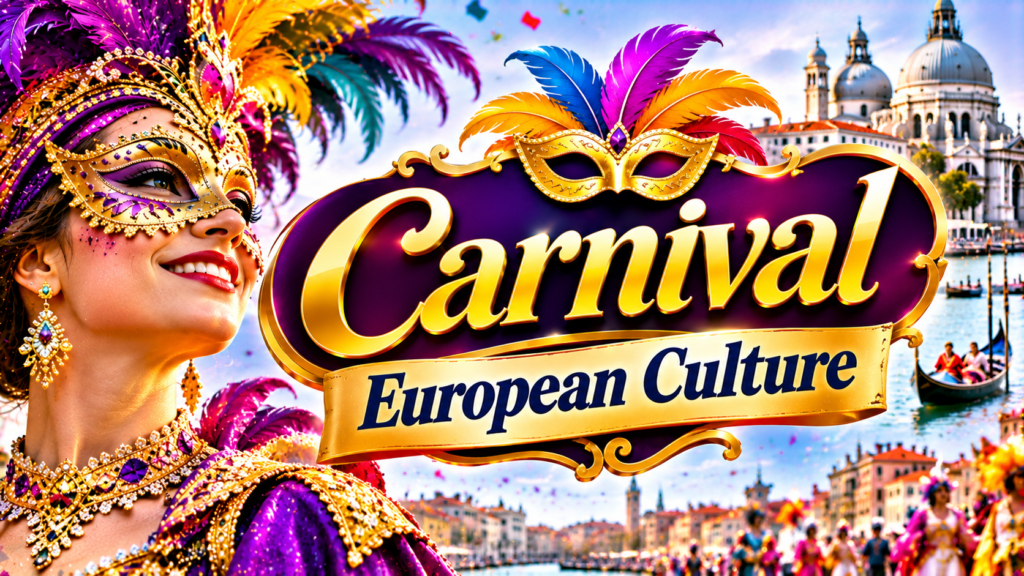
The importance of Carnival costumes includes:
- Preserving traditional clothing and design techniques.
- Encouraging creative expression.
- Supporting local artisans and designers.
- Connecting modern celebrations with historical traditions.
- Providing visual symbols of regional identity.
- Creating memorable cultural experiences for visitors.
Costumes also make Carnival an important subject for fashion designers, photographers and artists interested in European cultural traditions.
12. How Does Carnival Help Preserve Local Food and Culinary Traditions?
Food is another important part of Carnival celebrations across Europe. Traditional dishes, sweets and regional specialities help communities connect their celebrations with local culinary heritage.
Different European countries have their own Carnival food traditions, often involving rich pastries, fried sweets and festive meals.
For example:
- Italy: Chiacchiere are popular fried pastries traditionally associated with Carnival.
- Germany: Berliner doughnuts are commonly enjoyed during the Carnival season.
- France: Beignets and other regional fried pastries are associated with festive traditions.
- Spain: Filloas and other regional sweets are enjoyed during Carnival in some areas.
- Portugal: Malassadas are among the traditional sweet treats associated with Carnival celebrations.
Food traditions vary significantly between regions, and recipes are frequently passed from one generation to another.
Carnival also creates opportunities for local food producers, restaurants, bakeries and street vendors to introduce regional specialities to visitors.
As a result, culinary heritage becomes an important part of the wider cultural experience.
13. Why Does Carnival Encourage Cultural Diversity and Inclusion?
Modern European societies are culturally diverse, and Carnival provides an opportunity for people from different communities to celebrate together.
Although many Carnival traditions have local historical origins, contemporary festivals increasingly welcome international participants, artists and visitors.
People from different countries can join public parades, attend performances, enjoy traditional food and learn about regional customs.
Carnival also provides opportunities for cultural exchange. International music, modern dance styles and contemporary artistic influences have become part of many celebrations.
Its inclusive character is reflected in several ways:
- People of different ages can participate.
- Families and community groups can celebrate together.
- International visitors can experience local traditions.
- Artists from different cultural backgrounds can collaborate.
- Public performances encourage social interaction.
- Cultural organisations can promote diversity through creative activities.
Carnival reminds people that cultural identity can be preserved while remaining open to new ideas and influences.
14. What Role Does Carnival Play in Supporting European Local Businesses?
Carnival is not only a cultural celebration but also an important economic opportunity for local businesses.
Preparing for major Carnival events requires the involvement of numerous professionals and organisations. Costume makers, event planners, musicians, food suppliers, decorators, transport providers and hospitality businesses all contribute to the celebrations.
Small businesses often benefit from increased visitor numbers during festival periods.
For example, local designers may receive orders for costumes, restaurants may experience increased demand, and souvenir shops may attract international customers.
Carnival can also create temporary employment opportunities for event staff, performers, security personnel and service workers.
Its economic contribution extends beyond major cities because visitors sometimes travel to smaller towns and nearby destinations to experience regional celebrations.
Supporting local businesses through Carnival helps strengthen regional economies while keeping traditional skills and services active.
15. How Has Modern Carnival Changed Compared with Historical Celebrations?
Carnival has changed considerably over the centuries. Although many traditional elements remain, modern celebrations are influenced by technology, global tourism, contemporary fashion and social media.
Historically, Carnival was largely organised through local communities and traditional associations. Today, many major events involve professional event management companies, international performers and large-scale public infrastructure.
Modern Carnival celebrations often include:
- Digital advertising and online ticketing.
- International music performances.
- Professional lighting and sound systems.
- Contemporary costume and float designs.
- Social media photography and video sharing.
- International cultural collaborations.
- Environmentally conscious event planning.
These developments have helped Carnival reach a wider audience.
However, modernisation also creates questions about cultural authenticity. Some communities worry that excessive commercialisation could weaken the historical meaning of their traditions.
The challenge is to introduce modern entertainment while protecting the cultural practices that make each Carnival unique.
16. Why Is Carnival Important for Younger Generations in Europe?
Carnival provides younger generations with an opportunity to understand their cultural roots while developing new creative interests.
Children and young adults often participate in school activities, dance performances, costume competitions and community parades. These experiences introduce them to local traditions in an enjoyable and interactive way.
For many young people, Carnival is also an opportunity to develop artistic and social skills.
They may learn how to design costumes, play musical instruments, perform on stage, organise public events or work with other community members.
Carnival encourages younger generations to:
- Learn about European history and regional traditions.
- Develop an appreciation for music, dance and artistic expression.
- Participate in community activities.
- Build friendships and social connections.
- Explore careers in fashion, art and event management.
- Understand the importance of cultural preservation.
By involving young people, European communities can ensure that Carnival traditions continue to evolve rather than disappear.
17. What Challenges Does Carnival Face in Contemporary Europe?
Despite its popularity, Carnival faces several challenges in modern European society.
Large celebrations require considerable resources, planning and cooperation between local authorities, businesses and communities.
One major challenge is overcrowding. Famous destinations can receive thousands of additional visitors during Carnival, creating pressure on public transport, accommodation and public facilities.
Environmental sustainability is another important concern. Large parades and street celebrations can generate significant amounts of waste, particularly from disposable decorations, food packaging and single-use materials.
Other challenges include:
- Maintaining traditional customs amid commercialisation.
- Managing large crowds and public safety.
- Protecting historical buildings and public spaces.
- Reducing environmental pollution.
- Supporting local communities affected by increased tourism.
- Ensuring that traditional craftsmanship remains economically sustainable.
Many European organisers are responding by introducing improved waste management, reusable decorations, responsible tourism initiatives and stronger community participation.
Protecting Carnival requires a balance between cultural preservation, economic development and environmental responsibility.
18. How Does Carnival Promote Europe’s International Cultural Identity?
Carnival has become an important symbol of European cultural identity because it demonstrates the continent’s historical diversity and creative traditions.
International visitors often recognise European destinations through their famous Carnival celebrations. Venice is associated with elegant masks, Cologne with energetic street parades, and Nice with colourful floats and flower celebrations.
These festivals help communicate the richness of European heritage to international audiences.
Carnival also provides opportunities for cultural diplomacy. International artists, performers and visitors interact through shared cultural experiences, encouraging understanding between different communities.
Its international importance can be seen through:
- Cultural promotion: European destinations showcase their historical traditions.
- International tourism: Visitors discover different regional cultures.
- Artistic exchange: Performers and artists share creative ideas.
- Community connections: Cultural celebrations encourage interaction between nationalities.
- Heritage awareness: International audiences learn about European customs and history.
Carnival demonstrates that Europe’s cultural identity is not based on a single tradition. Instead, it is shaped by many different regional histories, artistic influences and community experiences.
19. Which European Carnival Festivals Should Travellers Experience?
Europe offers several remarkable Carnival destinations, each providing a different cultural experience.
Here are some celebrations worth exploring:
| Carnival destination | Country | Famous for |
|---|---|---|
| Venice Carnival | Italy | Traditional masks and historical costumes |
| Cologne Carnival | Germany | Street parades and traditional music |
| Nice Carnival | France | Flower battles and decorated floats |
| Santa Cruz de Tenerife Carnival | Spain | Spectacular costumes and dancing |
| Binche Carnival | Belgium | Traditional Gilles costumes and performances |
| Ovar Carnival | Portugal | Colourful parades and community celebrations |
| Patras Carnival | Greece | Large parades and festive street events |
Each destination reflects a different aspect of European cultural heritage.
Travellers interested in history may prefer Venice, while those looking for energetic street celebrations may enjoy Cologne or Santa Cruz de Tenerife. Nice offers a combination of artistic displays and traditional festivities.
Exploring these destinations allows visitors to understand how one festival tradition can develop into many different cultural expressions.
20. What Is the Future of Carnival in European Culture?
The future of Carnival will depend on how successfully European communities preserve their traditions while adapting to changing social and cultural expectations.
Younger generations, international visitors and contemporary artists are already influencing how these celebrations are organised and experienced.
Digital technology is making it easier for festivals to reach international audiences through photographs, videos and live online coverage. At the same time, growing awareness of environmental issues is encouraging organisers to adopt more sustainable practices.
Future Carnival celebrations may increasingly focus on:
- Environmentally friendly decorations and costumes.
- Greater participation from young artists.
- Digital cultural experiences and international promotion.
- Preservation of traditional crafts and performances.
- More accessible public celebrations.
- Stronger support for local communities and small businesses.
The most successful celebrations will likely be those that combine innovation with respect for historical traditions.
Carnival does not need to remain exactly as it was centuries ago. Its cultural importance comes partly from its ability to adapt while maintaining its connection with local identity and community life.
Conclusion: Why Will Carnival Always Remain Important in European Culture?
Carnival is important in European culture because it represents much more than colourful parades, music, costumes and entertainment. It reflects centuries of history, religious traditions, artistic creativity, community participation and regional identity.
From the traditional masks of Venice to the energetic celebrations of Germany, the spectacular flower parades of France and the vibrant festivities of Spain and Portugal, Carnival demonstrates Europe’s extraordinary cultural diversity.
It also supports local businesses, encourages international tourism, preserves traditional craftsmanship and creates opportunities for people of different generations to celebrate together.
In an increasingly connected world, maintaining cultural traditions has become more important than ever. Carnival provides a meaningful way for European communities to protect their heritage while welcoming new influences and creative ideas.
Ultimately, Carnival remains a celebration of freedom, togetherness, imagination and cultural identity. Its ability to connect history with modern life ensures that it will continue to hold a special place in European society for generations to come.
Read More – Remarkable Europe Comeback Stories