
European Food Guide Complete Guide to the Best Foods and Cuisines in Europe
What makes European food so fascinating? A European Food Guide is more than a list of famous dishes. It is a journey through the diverse culinary traditions, ingredients, cooking techniques, cultures, and regional specialties found across the European continent.
From creamy Italian pasta and French pastries to Spanish tapas, Greek salads, German sausages, Portuguese seafood, and Scandinavian dishes, Europe offers an enormous variety of flavors. Each country has developed its own food traditions based on its history, geography, climate, agriculture, and cultural influences.
Whether you are planning a European vacation, searching for traditional European food, or simply interested in discovering new dishes, understanding the continent’s culinary landscape can make your experience much more enjoyable.
Why Is European Food Cuisine So Diverse?
Why does food change so dramatically from one European country to another? Europe’s geography and history are major reasons. The continent includes Mediterranean coastlines, Alpine mountains, fertile plains, northern forests, Atlantic shores, and colder Scandinavian regions.
These environments influence what ingredients are available and how people traditionally prepare their meals.
For example, Mediterranean countries commonly use olive oil, tomatoes, herbs, seafood, vegetables, and grains. Northern European cuisines have traditionally relied more heavily on potatoes, grains, dairy products, fish, preserved foods, and meat.
European food has also been shaped by centuries of migration, trade, empires, and cultural exchange. As a result, many popular dishes reflect influences from neighboring countries and historical communities.
What Are the Most Popular European Food Cuisines?
Which European cuisines are the most popular around the world? Several European cuisines have achieved international recognition, although every country offers its own distinctive food culture.
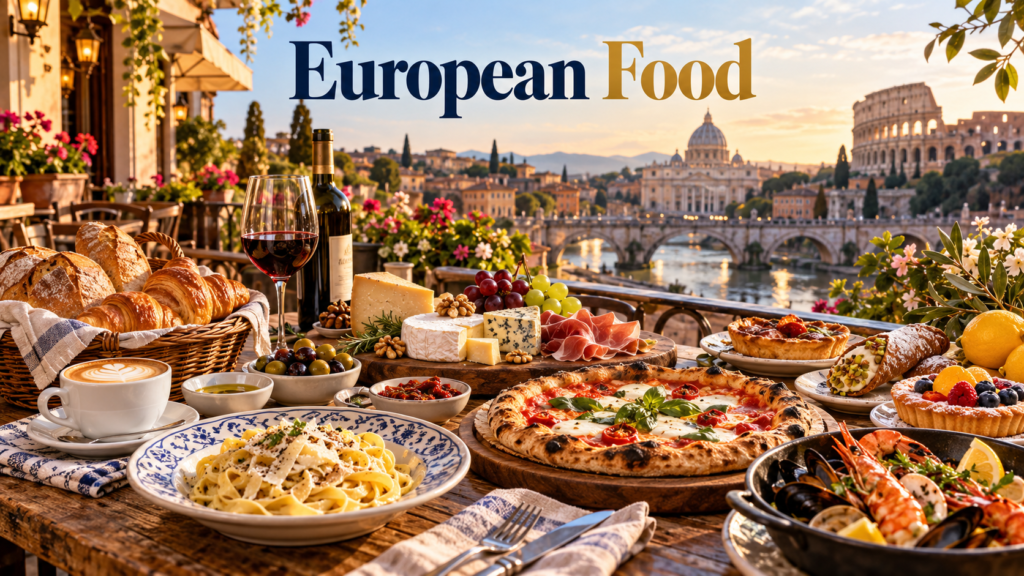
Some of the most widely known European cuisines include:
- Italian cuisine
- French cuisine
- Spanish cuisine
- Greek cuisine
- Portuguese cuisine
- German cuisine
- British cuisine
- Irish cuisine
- Austrian cuisine
- Swiss cuisine
- Scandinavian cuisine
- Eastern European cuisine
- Balkan cuisine
Each cuisine has signature ingredients, cooking styles, and traditional dishes worth exploring.
What Traditional Italian Foods Should You Try?
Why is Italian food so popular worldwide? Italian cuisine combines relatively simple ingredients with regional cooking traditions and strong emphasis on freshness.
Pizza and pasta may be the most internationally recognized Italian foods, but Italian cuisine goes far beyond them.
Some traditional Italian foods to consider include:
- Pizza Napoletana
- Pasta Carbonara
- Lasagna
- Risotto
- Gnocchi
- Osso Buco
- Parmigiana
- Pesto-based pasta
- Tiramisu
- Gelato
Italy’s regional diversity is particularly important. Food in northern Italy can differ significantly from food in Sicily or Naples. Northern regions are known for dishes involving rice, butter, cheese, and polenta, while southern cuisine often features tomatoes, olive oil, vegetables, seafood, and pasta.
What French Foods Are Famous in Europe?
What makes French cuisine special? French cooking has had an enormous influence on professional culinary traditions around the world. It is known for careful preparation, sauces, pastries, bread, cheese, and an emphasis on technique.
Popular French foods include:
- Croissants
- Baguettes
- Ratatouille
- Coq au Vin
- Beef Bourguignon
- Quiche Lorraine
- Crêpes
- Bouillabaisse
- French onion soup
- Crème brûlée
French cuisine also varies by region. Coastal areas offer abundant seafood, while rural regions have their own meat, cheese, vegetable, and pastry traditions.
What Spanish Foods Should You Try?
Why is Spanish cuisine perfect for food lovers? Spanish food is known for bold flavors, fresh ingredients, seafood, cured meats, rice dishes, and social dining.
Tapas are one of the best-known elements of Spanish food culture. They allow diners to sample several smaller dishes during one meal.
Popular Spanish foods include:
- Paella
- Tortilla Española
- Patatas Bravas
- Gazpacho
- Croquetas
- Jamón
- Churros
- Pulpo a la Gallega
- Spanish omelette
- Various regional tapas
Spain is also famous for its regional culinary traditions. Food in Catalonia, Andalusia, Galicia, the Basque Country, and Valencia can be very different.
What Greek Foods Are Popular?
What should travelers eat in Greece? Greek cuisine is strongly associated with Mediterranean ingredients such as olive oil, vegetables, herbs, grains, seafood, yogurt, and cheese.
Some classic Greek foods include:
- Moussaka
- Souvlaki
- Gyros
- Greek salad
- Tzatziki
- Spanakopita
- Dolma
- Grilled seafood
- Baklava
- Greek yogurt with honey
Greek food is often characterized by fresh ingredients and relatively straightforward preparation. For travelers, local tavernas can provide an opportunity to experience traditional dishes in a relaxed setting.
What Portuguese Foods Should You Taste?
Why is Portuguese cuisine worth exploring? Portugal has a strong connection with the Atlantic Ocean, so seafood plays an important role in its culinary traditions.
Popular Portuguese foods include:
- Bacalhau
- Pastéis de nata
- Caldo verde
- Francesinha
- Grilled sardines
- Arroz de marisco
- Polvo dishes
- Portuguese-style grilled meats
Pastéis de nata, the famous Portuguese custard tarts, are particularly popular with visitors.
Portugal’s food culture also reflects its maritime history and the use of spices and ingredients introduced through historical trade routes.
What German Foods Are Famous?
What should you try when exploring German cuisine? German food is often associated with hearty meals, sausages, breads, potatoes, cabbage, and meat.
Popular German dishes include:
- Bratwurst
- Currywurst
- Schnitzel
- Sauerbraten
- Pretzels
- Kartoffelsalat
- Sauerkraut
- Rouladen
- Black Forest cake
German cuisine varies considerably by region. Bavaria, for example, has different specialties from northern Germany.
What British Foods Are Worth Trying?
Is British cuisine more diverse than its traditional reputation suggests? Yes. British food includes classic dishes as well as a wide variety of modern and international influences.
Traditional British foods include:
- Fish and chips
- Sunday roast
- Shepherd’s pie
- Cottage pie
- Full English breakfast
- Cornish pasty
- Yorkshire pudding
- Steak and kidney pie
- Scones
- Sticky toffee pudding
The traditional afternoon tea experience is also associated with British food culture and typically includes tea, sandwiches, cakes, and scones.
What Scandinavian Foods Should You Explore?
What makes Scandinavian food different from other European cuisines? Nordic food traditions have historically been influenced by colder climates and the availability of fish, grains, dairy products, berries, root vegetables, and preserved foods.
Scandinavian countries include Denmark, Sweden, Norway, Finland, and Iceland, each with its own culinary identity.
Popular Nordic foods include:
- Swedish meatballs
- Gravlax
- Danish pastries
- Smørrebrød
- Norwegian salmon
- Finnish rye bread
- Icelandic seafood dishes
- Nordic berries
Modern Nordic cuisine also emphasizes seasonal and locally sourced ingredients.
What Eastern European Foods Should You Try?
Why should Eastern Europe be included in a European Food Guide? Countries across Eastern Europe offer hearty, comforting, and culturally significant dishes.
Depending on the country, travelers can discover foods such as:
- Pierogi
- Borscht
- Goulash
- Cabbage rolls
- Dumplings
- Schnitzel variations
- Potato-based dishes
- Stuffed peppers
- Rye breads
- Regional soups and stews
Poland, Hungary, Romania, Czechia, Slovakia, Ukraine, and neighboring countries each have distinctive culinary traditions.
What Are the Best European Street Foods?
Can you experience European cuisine without visiting expensive restaurants? Absolutely. Street food is one of the easiest ways to explore local flavors while traveling.
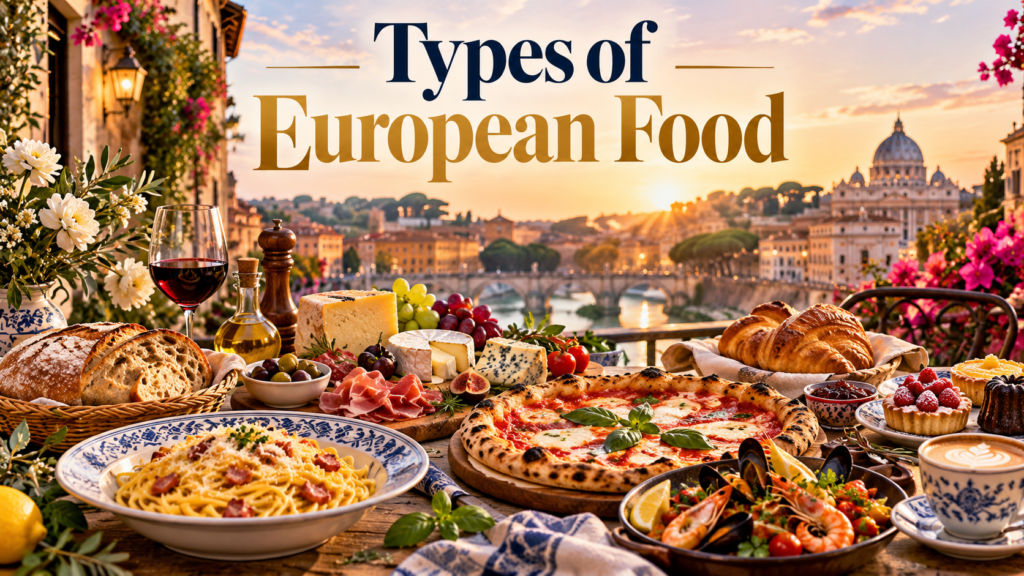
Depending on the destination, popular European street foods include:
- German sausages
- Belgian waffles
- French crêpes
- Spanish churros
- Italian pizza slices
- Portuguese pastries
- Greek gyros
- Polish pierogi
- Czech trdelník
- British fish and chips
Street food can also provide insight into everyday food culture because these foods are often enjoyed by locals as well as visitors.
What Are the Most Famous European Desserts?
What would a European Food Guide be without desserts? Europe has some of the world’s most recognizable pastries, cakes, chocolates, and sweet dishes.
Popular European desserts include:
- Tiramisu from Italy
- Crème brûlée from France
- Churros from Spain
- Baklava from Greece and other regions
- Pastéis de nata from Portugal
- Sachertorte from Austria
- Belgian waffles
- Black Forest cake from Germany
- Strudel from Central Europe
- Danish pastries
Desserts also vary considerably within individual countries, making them an important part of regional food exploration.
Which European Countries Are Famous for Cheese?
Why is cheese such an important part of European food culture? Dairy farming has played an important role in many European regions, and centuries of traditional cheesemaking have created a huge variety of flavors and textures.
Countries particularly associated with famous cheeses include:
- France
- Italy
- Switzerland
- Netherlands
- Spain
- Greece
- United Kingdom
From hard aged cheeses to soft varieties and blue cheeses, European cheesemaking offers something for almost every taste.
What European Foods Are Best for Vegetarians?
Can vegetarians enjoy European cuisine? Yes. Although many traditional European dishes contain meat or dairy, there are also numerous vegetarian-friendly foods.
Examples include:
- Greek salads
- Ratatouille
- Margherita pizza
- Vegetable pasta
- Spanish tortilla
- Vegetable paella
- Greek stuffed vegetables
- Mushroom-based dishes
- Potato dishes
- Fresh breads and cheeses
Large European cities generally offer an even wider selection of vegetarian and plant-based restaurants.
What About Vegan Food in Europe?
Is vegan food easy to find in Europe? Vegan options have become increasingly common in many European cities. Travelers can find plant-based versions of traditional dishes as well as restaurants specializing in vegan cuisine.
When traveling, it is useful to learn a few local words for dietary requirements. Checking menus in advance can also make dining easier, particularly in smaller towns or rural areas.
What Are the Most Important Ingredients in European Cuisine?
Which ingredients appear repeatedly throughout European food traditions? The answer depends on the region, but several ingredients have played major roles across the continent.
These include:
- Olive oil
- Butter
- Cheese
- Potatoes
- Wheat
- Rice
- Tomatoes
- Onions
- Garlic
- Fresh herbs
- Seafood
- Meat
- Seasonal vegetables
- Legumes
- Fruits and berries
The way these ingredients are combined creates the enormous variety associated with European cuisine.
How Does Geography Influence European Food?
Why does geography matter so much when discussing European food? Local geography determines which ingredients are available and which preservation techniques become important.
Mediterranean regions have traditionally benefited from olive cultivation, vineyards, vegetables, citrus fruits, and seafood. Mountainous regions have developed dishes based around dairy products, grains, preserved meats, and hearty stews.
Northern areas have historically depended more heavily on fish, root vegetables, grains, dairy products, and preservation methods such as smoking and pickling.
This relationship between geography and food makes culinary travel a fascinating way to understand Europe.
How Can You Experience Authentic European Food?
How can travelers experience local food beyond tourist restaurants? One of the best approaches is to look for places where local residents regularly eat.
Consider visiting:
- Traditional family-run restaurants
- Local food markets
- Bakeries
- Farmers’ markets
- Food halls
- Neighborhood cafés
- Street-food markets
- Regional festivals
Trying seasonal specialties can also provide a more authentic experience because many traditional dishes are connected to specific times of the year.
What Should You Know About European Food Markets?
Why are food markets worth visiting? European markets can offer an excellent introduction to local ingredients and everyday food culture.
Markets may feature fresh fruits and vegetables, cheeses, meats, seafood, breads, pastries, spices, preserves, and ready-to-eat meals.
For travelers, markets can be particularly useful because they allow you to sample smaller portions and discover foods that may not appear on standard tourist menus.
What European Food Experiences Should Travelers Add to Their Itinerary?
Should food be part of your European travel itinerary? For many travelers, it can be one of the most memorable parts of a trip.
Instead of simply visiting landmarks, consider building food experiences into your itinerary.
You could:
- Take a local cooking class.
- Visit a traditional food market.
- Try a regional breakfast.
- Eat at a family-owned restaurant.
- Sample local desserts.
- Explore regional cheeses.
- Join a guided food tour.
- Visit a bakery early in the morning.
- Try local street food.
- Ask residents about traditional dishes.
These experiences can help connect food with local culture and history.
What Is the Best Way to Plan a European Food Trip?
How should you plan a food-focused European journey? Start by selecting a few destinations rather than trying to taste everything in one trip.
Research the traditional dishes of each destination before you travel. Make a list of foods you want to try, but leave room for spontaneous discoveries.
It can also be helpful to balance expensive dining experiences with affordable local restaurants, bakeries, cafés, and markets.
Most importantly, remember that food traditions can differ within the same country. Exploring regional cuisine can therefore be just as rewarding as visiting different countries.
What Are Some Essential European Foods to Put on Your List?
If you are creating your own European Food Guide checklist, consider including a mixture of main courses, snacks, desserts, and beverages.
Your list could include:
- Italian pizza
- Fresh pasta
- French croissants
- Spanish paella
- Greek moussaka
- Portuguese custard tarts
- German bratwurst
- Belgian waffles
- Austrian schnitzel
- Polish pierogi
- Hungarian goulash
- Scandinavian seafood
- British fish and chips
- French cheese
- European pastries and chocolates
The exact dishes you choose will depend on your destinations and personal preferences.
How Can You Eat Like a Local in Europe?
What does it mean to eat like a local? It does not necessarily mean avoiding tourist restaurants completely. Instead, it means showing curiosity about local eating habits.
Observe when people eat, what they order, and how meals are served. Try regional specialties rather than ordering the same international dishes everywhere.
Learning basic food-related phrases in the local language can also improve your experience and make communication easier.
Why Is European Food Important to European Culture?
Why does food matter beyond taste? Food is deeply connected to family traditions, celebrations, religion, agriculture, history, and community life.
Many European dishes have been passed from one generation to another. Recipes may be associated with holidays, weddings, festivals, religious occasions, or particular regions.
Consequently, trying a traditional European dish can provide more than a culinary experience. It can offer a glimpse into the culture and history of the place where it originated.
What Is the Future of European Cuisine?
How is European cuisine changing? Traditional food continues to play an important role, but European culinary culture is also evolving.
Modern chefs increasingly combine traditional recipes with contemporary techniques. Plant-based dining, sustainable ingredients, local sourcing, food innovation, and international influences are becoming more visible.
At the same time, many chefs and communities are working to preserve traditional recipes and regional food heritage.
This combination of tradition and innovation makes European cuisine continually interesting for both residents and travelers.
Final Thoughts: Why Explore a European Food Guide?
Why should food lovers explore European cuisine? Because European food offers an extraordinary combination of history, culture, geography, ingredients, and culinary creativity.
A European Food Guide can help travelers discover everything from famous dishes and street foods to regional specialties, traditional desserts, local markets, and unforgettable dining experiences.
Whether you dream of eating authentic Italian pasta in Italy, tasting French pastries in France, enjoying tapas in Spain, sampling Greek dishes by the Mediterranean, or discovering traditional foods in Eastern and Northern Europe, the continent provides countless opportunities for culinary exploration.
The best approach is to remain curious. Try local dishes, explore regional specialties, visit markets, speak with local people, and give traditional foods a chance. You do not need to be a professional food lover to appreciate European cuisine.
From simple bakery treats to elaborate regional meals, Europe’s food culture demonstrates how ingredients and traditions can tell the story of a place. That is what makes exploring European cuisine such a rewarding part of travel.
Read More – Best universities in Europe for higher education