
Europe Street Food Trends: What Are the Must-Try Flavours, Dishes, and Food Experiences?
What makes European street food so appealing to travellers, food lovers, and culinary enthusiasts? Across Europe, street food has become an important part of everyday life, combining traditional recipes, regional ingredients, international influences, and modern cooking techniques. From freshly baked pastries in France and crispy potato snacks in Belgium to savoury crepes in Germany and delicious gyros in Greece, European street food offers a wide variety of flavours for every palate. Food markets, outdoor stalls, food trucks, and small family-run vendors are attracting people who want to experience authentic local cuisine without visiting expensive restaurants.
Europe street food trends are also evolving as consumers seek affordable meals, convenient dining options, sustainable ingredients, and memorable culinary experiences. Traditional dishes are being reimagined with creative toppings, plant-based alternatives, and fusion flavours. At the same time, many vendors continue to preserve the heritage of their communities through recipes passed down through generations. Whether exploring a bustling food market in London, enjoying a warm pastry in Copenhagen, or tasting a freshly prepared sandwich in Italy, street food provides a delicious way to discover Europe’s diverse food culture.
What Are the Biggest Europe Street Food Trends Today?
What food trends are shaping the European street food scene? Several developments are influencing how vendors prepare, present, and sell their dishes. While popular foods vary by country and city, certain trends are becoming increasingly visible across European food markets and urban neighborhoods.
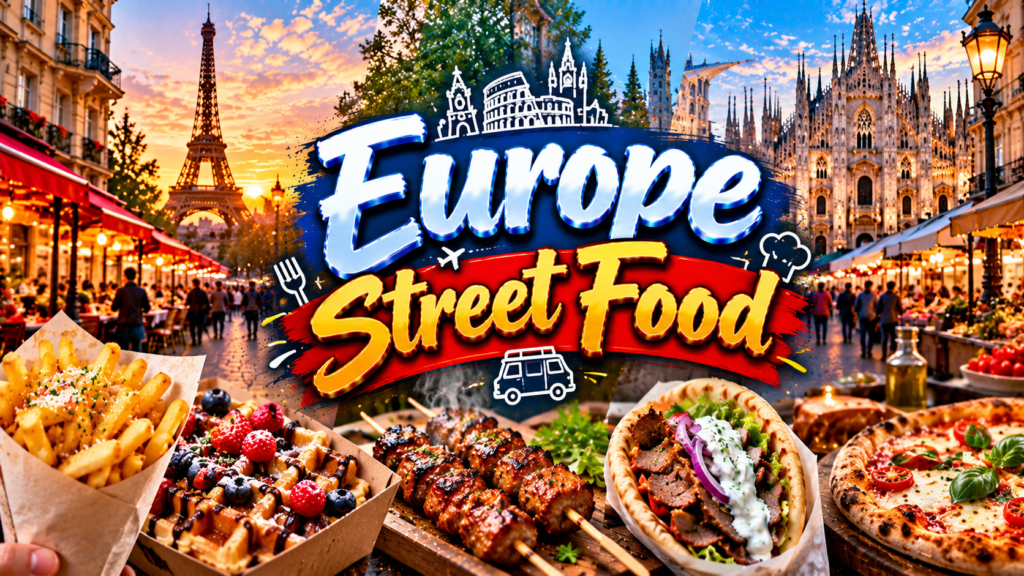
Some of the major Europe street food trends include:
- Authentic regional flavours: Traditional local dishes are gaining attention among visitors who want to experience the genuine taste of a destination.
- Plant-based street food: Vegan burgers, falafel wraps, vegetable-filled pastries, and dairy-free desserts are expanding the choices available to customers.
- International fusion cuisine: European ingredients and cooking traditions are being combined with Asian, Middle Eastern, African, and Latin American influences.
- Affordable gourmet food: Street vendors are offering restaurant-inspired dishes in convenient, informal settings.
- Sustainable food practices: Some vendors are prioritising seasonal ingredients, reusable packaging, and reduced food waste.
- Social-media-friendly presentation: Colourful ingredients, distinctive serving styles, and visually appealing dishes help food businesses attract online attention.
These developments show how street food can balance tradition with innovation. However, the popularity of individual dishes differs across regions, and not every trend is equally established in every European country.
Which European Countries Are Famous for Their Street Food?
Which destinations should food lovers explore to discover Europe’s street food culture? Almost every European country has distinctive snacks, quick meals, baked goods, and regional specialities. Some dishes have become internationally recognised, while others remain closely associated with particular cities or communities.
1. What Makes Italian Street Food So Popular?
Italy is famous for its rich culinary heritage, and its street food reflects the country’s regional diversity. From the busy streets of Naples to the historic markets of Palermo, visitors can discover dishes that combine simple ingredients with traditional cooking methods.
Popular Italian street foods include pizza al taglio, arancini, panzerotti, focaccia, and cannoli. Pizza al taglio is typically baked in large rectangular trays and sold by weight or portion. Arancini are fried rice balls, often filled with cheese, meat, or vegetables. In Sicily, these snacks are especially associated with local food traditions.
Italian street food trends increasingly highlight regional authenticity, high-quality ingredients, and convenient serving styles. Small portions also allow travellers to sample several dishes during one visit. For food enthusiasts, exploring local bakeries and outdoor markets can be an excellent way to discover the culinary identity of different Italian regions.
2. Why Is German Street Food Loved by Locals and Tourists?
German street food is known for its hearty flavours, satisfying portions, and convenient preparation. One of the best-known examples is currywurst, a sausage served with a spiced tomato-based sauce and often accompanied by fries or bread. Bratwurst, pretzels, döner kebabs, and regional baked specialities are also popular choices.
Berlin has developed a particularly diverse street food culture, influenced by international communities and modern food markets. Döner kebab, which has strong roots in Turkish-German culinary history, is an important example of how migration has helped shape European food traditions.
Modern German street food also includes vegetarian sausages, plant-based kebabs, creative burger variations, and international fusion dishes. These options demonstrate how familiar comfort foods can adapt to changing dietary preferences while retaining their appeal.
3. What Are the Must-Try Street Foods in France?
France is widely associated with fine dining, but its everyday food culture also includes delicious street food. Crepes, baguette sandwiches, croque-monsieur, galettes, and freshly baked pastries are among the most recognisable options.
Crepes are especially popular because they can be prepared with sweet or savoury fillings. Sweet versions may include chocolate, fruit, or sugar, while savoury galettes can feature cheese, vegetables, and eggs. French bakeries also offer quick meals for commuters, students, and visitors.
A growing interest in artisanal ingredients and regional specialities has helped make French street food appealing to people who appreciate both convenience and craftsmanship. Food markets and seasonal events provide opportunities to sample local cheeses, breads, pastries, and prepared dishes.
4. Why Should Food Lovers Explore Spanish Street Food?
Spain offers a vibrant street food culture influenced by regional ingredients, Mediterranean flavours, and social dining traditions. Although tapas are commonly served in bars and restaurants rather than exclusively as street food, many Spanish snacks are well suited to casual, on-the-go eating.
Popular options include bocadillos, churros, empanadas, croquetas, and tortilla española. A bocadillo is a Spanish sandwich commonly made with crusty bread, while churros are fried dough pastries often served with thick chocolate for dipping.
Spanish food markets combine traditional flavours with contemporary culinary creativity. In cities such as Madrid and Barcelona, visitors can discover local specialities alongside international street food. The appeal lies in the variety of small bites, making it easy to experience different textures and flavours in a single outing.
5. What Makes Greek Street Food a Favourite Across Europe?
Greek street food is known for fresh ingredients, grilled meats, herbs, vegetables, and Mediterranean flavours. Gyros and souvlaki are among the most recognised dishes. Gyros typically consist of seasoned meat cooked on a vertical rotisserie, while souvlaki features grilled pieces of meat served on skewers or in other formats.
These dishes are often served with pita bread, tomatoes, onions, and sauces. Vegetarian options may include grilled vegetables, salads, and plant-based fillings.
Greek street food appeals to visitors looking for satisfying meals with fresh, flavourful ingredients. Its popularity also reflects the broader appeal of Mediterranean cuisine, where olive oil, herbs, vegetables, and simple preparation techniques play important roles.
6. Which Street Foods Should You Try in Belgium and the Netherlands?
Belgium and the Netherlands offer distinctive street food traditions that are especially popular at markets, fairs, and casual food stalls.
Belgium is famous for its frites, waffles, and mitraillette sandwiches. Belgian fries are traditionally served in generous portions with a choice of sauces, while waffles may be enjoyed plain or topped with fruit, chocolate, or cream.
In the Netherlands, stroopwafels, herring, poffertjes, and bitterballen are well-known local favourites. Stroopwafels consist of thin waffle layers joined by a sweet syrup filling, while poffertjes are small, fluffy pancakes often served with butter and powdered sugar.
These foods illustrate how simple recipes can become defining elements of national food culture. Modern vendors are also experimenting with new toppings, creative serving styles, and alternative ingredients.
How Is Vegan Street Food Changing Europe’s Food Scene?
Why is plant-based street food attracting greater attention in European cities? Many consumers are exploring vegetarian and vegan diets for personal, environmental, ethical, or health-related reasons. As a result, street food vendors are expanding their menus beyond traditional meat-based dishes.
Vegan street food can be found in many forms, including falafel wraps, plant-based burgers, vegetable dumplings, lentil bowls, vegan pizzas, and dairy-free desserts. Some vendors create plant-based versions of familiar regional dishes, while others introduce international recipes that naturally rely on vegetables, grains, legumes, and herbs.
Popular plant-based street food ideas include:
- Falafel wraps with vegetables and tahini sauce.
- Vegan burgers made from beans, lentils, mushrooms, or plant-based alternatives.
- Grilled vegetable sandwiches with herbs and sauces.
- Potato-based snacks with vegan seasonings.
- Dairy-free pastries and desserts.
- Asian-inspired noodle bowls with vegetables and tofu.
This trend gives customers more choices and encourages vendors to innovate. Nevertheless, vegan and vegetarian customers should check ingredient lists and preparation methods because sauces, cooking oils, and shared equipment may contain animal-derived ingredients or create cross-contact concerns.
Why Is Fusion Street Food Becoming a Major Trend in Europe?
What happens when different culinary traditions come together? Fusion street food combines ingredients, techniques, and flavours from different cultures to create new dining experiences. Europe’s multicultural cities provide an ideal environment for this kind of culinary experimentation.
Examples include Korean-inspired fried chicken sandwiches, Indian-spiced wraps, Mexican-style tacos with European cheeses, Japanese-inspired burgers, and Mediterranean bowls with Middle Eastern sauces. These combinations allow vendors to appeal to adventurous customers while introducing familiar ingredients in unexpected ways.
Fusion cuisine also reflects the influence of migration, international travel, and digital food culture. People increasingly encounter new dishes through social media and then seek similar experiences in their own cities.
However, successful fusion street food depends on more than novelty. Good vendors focus on balanced flavours, suitable ingredients, and consistent preparation. The strongest concepts often respect the traditions behind the dishes they combine rather than relying on unusual combinations simply to attract attention.
How Are Food Trucks Transforming European Street Food Markets?
Why have food trucks become an important part of Europe’s street food culture? Food trucks offer flexibility, allowing businesses to serve customers at festivals, public events, office districts, seasonal markets, and designated food truck parks.
Unlike traditional restaurants, food trucks can sometimes operate with lower premises costs and adapt their locations to demand. Their menus may focus on a single speciality, such as burgers, tacos, gourmet sandwiches, or regional desserts, helping them build a recognisable identity.
Food trucks also provide opportunities for independent chefs and small food businesses to test new ideas. Some begin with temporary stalls before expanding into permanent restaurants or multiple locations.
Modern food trucks often feature digital payment systems, online menus, and social media updates about their locations. However, operating a successful food truck still requires compliance with local permits, food safety regulations, hygiene standards, and rules governing public spaces.
Are Sustainable Ingredients Influencing Europe Street Food Trends?
How important is sustainability in the changing European street food market? Environmental awareness is encouraging some businesses to examine where their ingredients come from, how much food they waste, and what packaging they use.
Seasonal vegetables, locally sourced ingredients, reusable containers, and recyclable or compostable packaging are among the approaches adopted by some vendors. Other businesses reduce waste by adjusting portion sizes, using ingredients across multiple dishes, or donating suitable surplus food where local systems permit.
Sustainable street food practices can include:
- Purchasing seasonal produce when practical.
- Reducing unnecessary single-use packaging.
- Offering reusable cup or container schemes where facilities support them.
- Planning menus to use ingredients efficiently.
- Communicating ingredient origins accurately.
- Providing plant-based choices alongside other menu options.
The environmental impact of a meal depends on several factors, including production methods, transportation, packaging, and food waste. Therefore, sustainability claims should be specific and evidence-based rather than based solely on labels such as natural, local, or eco-friendly.
How Is Social Media Influencing European Street Food Trends?
Can a street food dish become popular because of a single online video? Social media platforms such as Instagram, TikTok, and YouTube can introduce local dishes to international audiences and encourage travellers to seek out specific food experiences.
Visually distinctive foods, dramatic cooking techniques, oversized sandwiches, colourful desserts, and unusual flavour combinations often attract attention online. Videos showing dough being stretched, cheese melting, or food being prepared in front of customers can make the experience especially appealing.
Social media also helps small vendors communicate their menus, announce pop-up events, share customer feedback, and build loyal communities. Travellers may use online reviews and food videos to identify markets and regional specialities before visiting a destination.
However, viral popularity does not always indicate quality or authenticity. Food lovers should consider hygiene, value, freshness, and customer reviews rather than choosing a dish based only on its online appearance.
What Role Do Traditional Food Markets Play in European Street Food Culture?
Why do traditional food markets remain important despite the growth of modern food delivery services? Markets offer direct access to regional ingredients, prepared meals, artisanal products, and local culinary traditions. They also provide spaces where residents and visitors can interact with food producers and independent vendors.
European cities have markets with distinctive identities, ranging from historic produce markets to contemporary food halls. Some focus on local farmers and regional specialities, while others combine international cuisines, cafés, bakeries, and informal dining areas.
Food markets are especially appealing to travellers because they make it possible to sample several dishes without committing to a full restaurant meal. Visitors can try regional pastries, savoury snacks, seasonal produce, cheeses, and traditional desserts in one location.
Markets also support small businesses and can contribute to neighbourhood economies. Their long-term appeal depends on maintaining food quality, fair pricing, good hygiene, and a balance between tourism and the needs of local communities.
Which Affordable Street Food Options Can Travellers Find Across Europe?
Is it possible to explore European cuisine without spending too much? Street food can offer convenient alternatives to formal restaurant dining, although prices vary considerably between cities, neighbourhoods, and tourist areas.
Travelers looking for value can consider bakery sandwiches, local pastries, pizza slices, falafel wraps, market snacks, and regional takeaway dishes. Buying food from busy neighborhood bakeries or established market vendors may provide a different price experience from eating in highly tourist-oriented locations.
Useful ways to manage a street food budget include:
- Compare portion sizes and prices before ordering.
- Look for local lunch specials and market menus.
- Choose seasonal or regional dishes when available.
- Share larger portions when practical.
- Carry a reusable water bottle where safe drinking water is available.
- Check whether displayed prices include applicable taxes and service charges.
Affordable dining does not necessarily mean choosing the cheapest available meal. Freshly prepared food, generous portions, and authentic regional ingredients can offer better value than heavily marketed dishes designed primarily for visitors.
How Can Travellers Discover Authentic European Street Food?
What is the best way to experience street food like a local? Travellers can begin by researching regional specialities before arriving at their destination. Every country has dishes that reflect its history, climate, agricultural traditions, and cultural influences.
Visiting neighbourhood markets, independent bakeries, food festivals, and established local stalls can provide a more varied culinary experience than relying exclusively on international fast-food chains. Asking residents about their favourite snacks can also reveal dishes that receive less attention in travel guides.
Consider these practical tips:
- Research local specialities: Identify traditional dishes associated with the city or region.
- Explore different neighbourhoods: Food outside major tourist centres may offer a broader view of everyday dining.
- Observe food handling: Choose vendors who maintain clean preparation areas and handle food safely.
- Check ingredients: Ask about allergens, vegetarian options, and dietary requirements.
- Carry suitable payment methods: Some vendors accept cards, while others may prefer cash.
- Respect local customs: Follow queues, market rules, and local dining etiquette.
- Try unfamiliar flavours: Sample regional snacks that are not widely available elsewhere.
These simple steps can help travellers enjoy a more authentic, safe, and memorable street food experience.
What Is the Future of Europe Street Food Trends?
How might European street food evolve in the coming years? The future will likely involve a combination of culinary heritage, changing consumer preferences, technological convenience, and creative experimentation.
Plant-based menus may continue to expand in response to customer demand. Digital ordering, cashless payments, and social media marketing will remain useful tools for many vendors. Meanwhile, food businesses may explore ways to improve packaging, reduce waste, and manage ingredient costs.
Another important development is the continued appreciation of regional identity. As international flavours become more accessible, travellers may also show greater interest in traditional recipes, local ingredients, and the stories behind familiar dishes. Street food businesses that combine quality, convenience, and a clear culinary identity may be well positioned to attract repeat customers.
Economic conditions, local regulations, tourism patterns, and ingredient prices will influence how these trends develop. Rather than replacing traditional food culture, innovation can help preserve it by introducing regional dishes to new generations and international audiences.
Conclusion: Why Should Europe Street Food Trends Matter to Food Lovers?
Why is Europe street food worth exploring? It offers an accessible introduction to the continent’s diverse culinary traditions while reflecting changing lifestyles, cultural exchange, and creative food entrepreneurship. From Italian arancini and French crepes to German currywurst, Spanish churros, Greek gyros, and Belgian waffles, each destination provides distinctive flavours and food experiences.
Today’s Europe street food trends include plant-based alternatives, international fusion cuisine, sustainable practices, modern food trucks, and social-media-driven discoveries. At the same time, traditional markets, independent vendors, and regional recipes continue to play a central role in preserving local food identities.
For travelers, exploring street food is more than simply finding something to eat. It is an opportunity to understand local culture, discover regional ingredients, meet independent food makers, and experience the everyday life of European cities. Whether you prefer traditional comfort food or innovative culinary creations, Europe’s street food scene offers countless opportunities to discover new flavors and make memorable travel experiences.
Read More – Best Winter Destinations in Europe