
Best Winter Destinations in Europe: Where Should You Travel for a Magical Winter Getaway?
Winter transforms Europe into a beautiful destination filled with snow-covered mountains, charming villages, festive Christmas markets, frozen lakes, and historic cities illuminated by sparkling lights. From the breathtaking Alps to the romantic canals of Prague and the spectacular Northern Lights in Scandinavia, the continent offers unforgettable experiences for every type of traveller. Whether you are planning a romantic holiday, a family vacation, an adventure-filled escape, or a budget-friendly trip, choosing the right destination can make your winter journey truly special.
But which are the best winter destinations in Europe, what can you do in each place, and when should you visit? This guide explores some of Europe’s most beautiful winter destinations, including their attractions, seasonal activities, travel experiences, and practical tips to help you plan your perfect winter getaway.
1. Why Is Europe One of the Best Places to Visit in Winter?
Europe is one of the most attractive winter travel regions because it combines natural beauty, cultural heritage, seasonal celebrations, and diverse landscapes. Travelers can experience everything from skiing in the Alps to exploring medieval towns, enjoying traditional winter food, and watching the Northern Lights.
One of the biggest advantages of travelling in winter is the opportunity to experience European destinations differently from the busy summer season. Some popular cities become quieter, museums and historic attractions offer more relaxed visits, and mountain resorts welcome visitors with snow-based activities.
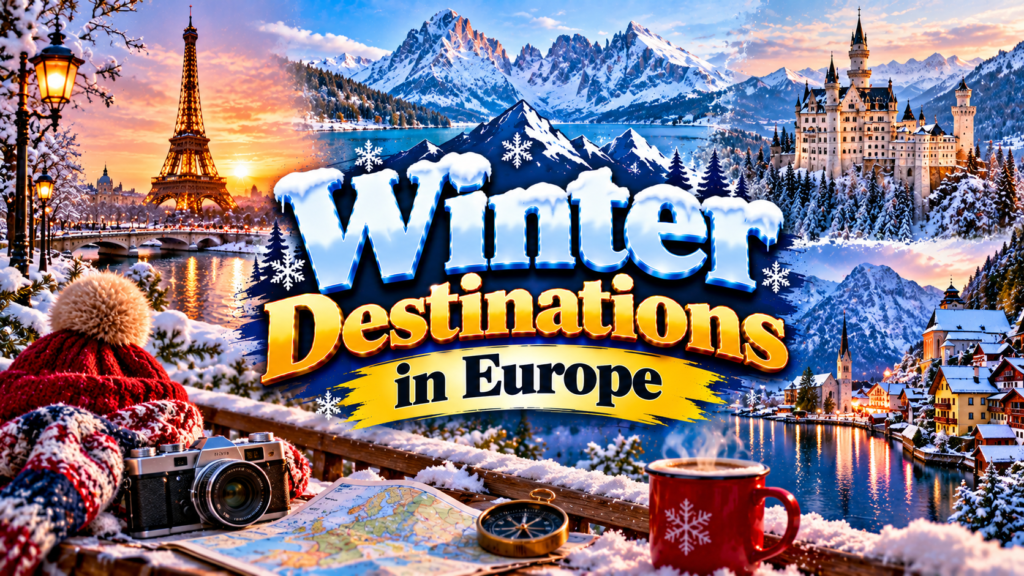
Europe also offers a wide range of winter experiences, such as:
- Visiting traditional Christmas markets in Germany and Austria.
- Skiing and snowboarding in Switzerland, France, and Italy.
- Watching the Northern Lights in Norway, Finland, and Iceland.
- Exploring romantic historic cities such as Prague and Vienna.
- Enjoying winter sunshine in southern Spain and Portugal.
- Discovering snow-covered villages and scenic mountain landscapes.
However, winter weather varies significantly across Europe. Northern and central regions generally experience colder temperatures, while Mediterranean destinations often have milder conditions. Choosing your destination according to your interests, budget, and preferred weather will help you enjoy a more comfortable trip.
2. What Are the Best Winter Destinations in Europe?
Several European destinations stand out for their winter scenery, cultural attractions, outdoor adventures, and festive atmosphere. Here are some of the best places to consider for your next winter holiday.
3. Why Is Switzerland One of the Best Winter Destinations in Europe?
Switzerland is a dream destination for travellers who love snow-covered mountains, beautiful alpine villages, scenic train journeys, and world-class ski resorts. During winter, the Swiss Alps create spectacular landscapes, with traditional wooden chalets, snowy forests, and mountain peaks that look especially impressive beneath a clear blue sky.
Zermatt is one of the country’s most famous winter destinations, offering views of the iconic Matterhorn mountain. Visitors can enjoy skiing, snowboarding, winter hiking, and cable car rides through breathtaking alpine scenery. Interlaken is another excellent choice for travellers interested in mountain excursions and outdoor adventures.
Lucerne offers a different winter experience, combining a picturesque lakeside setting with historic architecture and easy access to surrounding mountains. Meanwhile, St. Moritz attracts visitors looking for luxury hotels, elegant shopping, and premium winter sports.
What can you do in Switzerland during winter?
- Ski or snowboard at popular alpine resorts.
- Take a scenic train journey through the Swiss mountains.
- Explore traditional villages and historic town centres.
- Enjoy Swiss hot chocolate, cheese fondue, and other local dishes.
- Experience winter hiking and snowshoeing on suitable trails.
Switzerland can be expensive compared with many other European destinations, so advance planning is important. Travellers can manage costs by booking accommodation early, comparing rail passes, and choosing restaurants and activities that suit their budgets.
4. Why Should You Visit Austria During Winter?
Austria is an excellent winter destination for travellers who appreciate classical music, imperial architecture, festive markets, and spectacular mountain scenery. The country combines cultural experiences with outdoor adventures, making it suitable for couples, families, and solo travellers.
Vienna is particularly attractive during the winter season. Its grand palaces, historic cafés, museums, and beautifully decorated streets create a memorable atmosphere. Christmas markets add seasonal charm, while traditional coffeehouses provide a cosy place to escape the cold.
Salzburg, the birthplace of Wolfgang Amadeus Mozart, is another wonderful city to explore. Its historic centre, fortress, and baroque architecture look beautiful in winter, especially when snow settles over the surrounding mountains.
Travellers looking for skiing can explore Austrian alpine destinations such as Innsbruck and Kitzbühel, which offer access to winter sports and impressive mountain landscapes.
Which winter experiences make Austria special?
- Explore Vienna’s seasonal markets and historic landmarks.
- Visit Salzburg’s Old Town and Hohensalzburg Fortress.
- Enjoy skiing in the Austrian Alps.
- Attend classical music performances where available.
- Sample Austrian pastries, apple strudel, and warming traditional meals.
Austria is particularly appealing to visitors who want a balance between sightseeing and relaxation. You can spend the morning exploring a palace, enjoy a traditional lunch, and finish the day walking through illuminated streets or relaxing in a mountain resort.
5. Is Finland a Good Destination for a Magical Winter Holiday?
Finland is one of Europe’s most memorable winter destinations, especially for travellers seeking snowy forests, peaceful wilderness, and the possibility of seeing the Northern Lights. Finnish Lapland is particularly popular during winter because of its Arctic landscapes and unique seasonal activities.
Rovaniemi, located near the Arctic Circle, is widely associated with Santa Claus experiences and family-friendly winter tourism. Visitors can explore festive attractions, enjoy reindeer experiences, and participate in organised husky sledding trips.
Further north, destinations such as Inari and Saariselkä provide opportunities to experience quieter Arctic landscapes. Depending on weather conditions, solar activity, and cloud cover, visitors may also have a chance to witness the Northern Lights.
What should you experience in Finland during winter?
- Stay in a glass-roofed cabin or another Northern Lights accommodation.
- Join a guided Northern Lights excursion.
- Experience a traditional Finnish sauna.
- Try husky sledding or a guided reindeer experience.
- Explore snowy forests on snowshoes or cross-country skis.
Winter temperatures in Finnish Lapland can fall well below freezing, so suitable clothing is essential. Thermal base layers, insulated boots, gloves, and a warm outer jacket can make outdoor activities much more comfortable.
Although Finland can be expensive during the peak Christmas period, travelling outside the busiest dates may provide more accommodation choices. Northern Lights sightings are never guaranteed, so allow several nights if witnessing this natural phenomenon is a major priority.
6. What Makes Norway One of Europe’s Most Beautiful Winter Destinations?
Norway offers dramatic fjords, snow-covered mountains, colourful waterfront buildings, and some of the world’s most impressive Arctic landscapes. It is an excellent choice for travellers who enjoy nature, photography, outdoor activities, and peaceful winter scenery.
Tromsø is one of Norway’s best-known destinations for Northern Lights tourism. Located in the Arctic region, it offers guided aurora excursions, winter wildlife experiences, and opportunities to learn about northern Norwegian culture.
Bergen is famous for its colourful historic waterfront and access to scenic fjord regions. Oslo, the capital, combines museums, restaurants, cultural attractions, and winter recreation areas that are accessible from the city.
What are the best things to do in Norway during winter?
- Join a guided Northern Lights tour in northern Norway.
- Explore Tromsø’s museums, cafés, and waterfront.
- Discover Bergen’s historic Bryggen district.
- Enjoy skiing and winter walks in suitable areas.
- Experience scenic fjord excursions when seasonal conditions permit.
Norway’s winter landscapes can be extraordinary, but daylight hours are limited in the far north during parts of the season. Visitors should plan outdoor activities carefully, check local weather forecasts, and allow flexibility for transport disruptions caused by snow or storms.
7. Why Is Iceland Perfect for a Winter Adventure?
Iceland is an exciting destination for travellers looking for dramatic natural landscapes, volcanic scenery, waterfalls, glaciers, and geothermal hot springs. Winter adds a special atmosphere to the country’s rugged terrain, although road and weather conditions require careful planning.
Reykjavík makes a convenient starting point for exploring the country. The capital offers restaurants, museums, shopping streets, and easy access to organised excursions.
The Golden Circle is one of Iceland’s most popular sightseeing routes, featuring Þingvellir National Park, the Geysir geothermal area, and Gullfoss waterfall. The South Coast is also known for spectacular waterfalls, black-sand beaches, and glacier landscapes.
Which winter activities should you consider in Iceland?
- Look for the Northern Lights on clear, dark nights.
- Relax in geothermal bathing facilities.
- Visit waterfalls and dramatic coastal landscapes.
- Join a professionally guided glacier or ice-cave excursion.
- Explore Reykjavík’s cultural attractions and local food scene.
Winter travel in Iceland requires flexibility because storms, icy roads, and changing conditions can affect itineraries. Visitors should check official weather and road updates before driving and book specialist activities with qualified operators.
The Northern Lights are a natural phenomenon and cannot be guaranteed. Travellers should also avoid walking on glaciers, entering ice caves, or approaching dangerous coastal waves without appropriate guidance and safety precautions.
8. Is Prague One of the Best European Cities to Visit in Winter?
Prague, the capital of the Czech Republic, is an excellent destination for travellers who love medieval architecture, historic squares, charming streets, and an atmospheric winter setting. Its historic buildings and cobblestone lanes create a memorable backdrop for a seasonal city break.
The Old Town Square is a major attraction, particularly during the Christmas market season. Visitors can explore the surrounding streets, admire the Astronomical Clock, and enjoy traditional Czech food and seasonal drinks.
Prague Castle offers impressive views over the city, while Charles Bridge provides a scenic place for a winter walk when conditions are suitable. Snowfall is possible, although it is not guaranteed throughout the winter.
What can you do in Prague during winter?
- Explore the Old Town and its historic landmarks.
- Visit Prague Castle and St. Vitus Cathedral.
- Browse seasonal markets when they are operating.
- Try traditional Czech dishes and local pastries.
- Enjoy the city’s cafés, museums, and cultural performances.
Prague can offer better value than some of Western Europe’s most expensive winter destinations, although prices rise around Christmas and New Year. Booking accommodation early and staying within walking distance of public transport can make your trip more convenient.
9. Why Is Vienna a Wonderful Winter Destination?
Vienna is ideal for travellers seeking elegance, culture, music, and festive winter traditions. Austria’s capital is known for its imperial palaces, grand boulevards, historic cafés, and classical music heritage.
During winter, Vienna’s public squares and streets often feature seasonal decorations and Christmas markets. The Rathausplatz market is especially well known for its festive atmosphere when it operates. Visitors can also explore Schönbrunn Palace, the Belvedere, and the city’s many museums.
Vienna is a good destination for travellers who prefer cultural sightseeing over outdoor adventure. Its cafés provide inviting places to warm up after a day spent exploring historic streets and architectural landmarks.
What makes Vienna special in winter?
- Explore Schönbrunn Palace and its grounds.
- Visit museums and historic buildings.
- Enjoy classical music concerts and cultural events.
- Sample Austrian coffeehouse specialities and pastries.
- Experience seasonal markets and winter decorations.
Vienna is well connected by public transport, making it easy to explore different neighbourhoods. Travellers should check concert schedules and attraction opening hours in advance, particularly during public holidays.
10. Is Paris Worth Visiting During Winter?
Paris remains one of Europe’s most appealing winter city-break destinations. The French capital offers world-famous museums, beautiful architecture, elegant shopping streets, cosy cafés, and romantic evening walks.
Winter provides a different perspective on landmarks such as the Eiffel Tower, the Louvre, Notre-Dame Cathedral’s surrounding area, and the banks of the Seine. Although the weather can be cold, rainy, and windy, the city’s indoor attractions make it a practical choice for a seasonal holiday.
Paris also offers seasonal window displays, festive decorations, and special events during parts of the winter period. These experiences vary by year, so visitors should check current schedules before travelling.
What are the best winter activities in Paris?
- Visit the Louvre and other major museums.
- Enjoy French pastries in traditional cafés.
- Explore historic neighbourhoods and covered passages.
- Admire seasonal decorations and illuminated streets.
- Take a scenic walk along the Seine when weather permits.
Paris can be expensive, especially for centrally located accommodation. Travellers can save money by using public transport, booking popular attractions in advance, and considering accommodation near a convenient metro station rather than directly beside the main landmarks.
11. Why Should You Visit Budapest During Winter?
Budapest, the capital of Hungary, is an appealing winter destination known for its grand architecture, historic thermal baths, riverside scenery, and lively food culture. It is especially attractive to travellers who want a combination of relaxation, sightseeing, and value.
The Hungarian Parliament Building looks impressive along the Danube River, while Buda Castle and Fisherman’s Bastion provide beautiful views over the city. Winter evenings can be particularly atmospheric when the city’s landmarks are illuminated.
One of Budapest’s biggest attractions is its thermal bathing culture. A visit to a traditional thermal bath offers a relaxing way to spend a cold day, although outdoor pool availability and operating arrangements should be checked in advance.

What should you do in Budapest in winter?
- Visit the Hungarian Parliament Building area.
- Explore Buda Castle and the historic Castle District.
- Relax at a thermal bath.
- Sample Hungarian goulash, pastries, and other local dishes.
- Browse seasonal markets when available.
Budapest may be more affordable than several major Western European capitals, but costs depend on travel dates and accommodation choices. The city’s public transport system makes it convenient for exploring attractions across both sides of the Danube.
12. Is Strasbourg a Good Place for a Winter Holiday?
Strasbourg, located in northeastern France near the German border, is famous for its historic architecture, Alsatian culture, and celebrated Christmas market traditions. It is an excellent destination for travellers who want a festive European experience with a charming small-city atmosphere.
The historic centre, known as Grande Île, features picturesque streets, traditional houses, and the impressive Strasbourg Cathedral. The Petite France district is especially photogenic, with its canals and historic buildings.
During the Christmas season, Strasbourg attracts visitors with festive decorations, market stalls, regional food, and seasonal events. The city can become crowded during peak dates, so advance accommodation planning is advisable.
What can you experience in Strasbourg during winter?
- Explore the historic Petite France district.
- Visit Strasbourg Cathedral.
- Browse Christmas markets during their scheduled opening dates.
- Taste Alsatian specialities such as tarte flambée.
- Enjoy scenic walks through the historic centre.
Strasbourg is also a convenient starting point for discovering nearby Alsatian towns and villages. Travellers interested in a longer winter itinerary can combine the city with other destinations in the region, depending on transport schedules and available time.
13. Why Is the Dolomites Region in Italy Ideal for Winter Travel?
The Dolomites in northern Italy are among Europe’s most spectacular mountain destinations. Their dramatic peaks, alpine villages, scenic valleys, and ski areas attract visitors seeking winter sports and breathtaking landscapes.
Cortina d’Ampezzo is one of the region’s best-known resorts, offering mountain scenery, winter activities, and a sophisticated resort atmosphere. Other destinations across the Dolomites provide access to extensive skiing areas and scenic mountain routes.
Even travellers who do not ski can enjoy the region’s beauty through selected winter walks, mountain restaurants, cable cars operating in suitable conditions, and relaxing stays in alpine accommodation.
What are the best winter experiences in the Dolomites?
- Ski or snowboard on suitable slopes.
- Enjoy panoramic mountain views.
- Explore alpine villages and traditional markets.
- Taste regional Italian and South Tyrolean cuisine.
- Photograph snow-covered peaks and mountain landscapes.
Winter driving in mountainous areas can be challenging, so travellers should check road conditions and local requirements. Public transport, guided excursions, and transfers may be useful alternatives for visitors unfamiliar with snowy mountain roads.
14. Is Barcelona a Good European Destination for Winter Sun?
Barcelona is a strong choice for travellers who prefer a milder winter city break rather than heavy snowfall. Located on Spain’s Mediterranean coast, the city combines architecture, beaches, food, museums, and lively neighbourhoods.
Winter temperatures are generally milder than in northern and central Europe, although rain and cool evenings are possible. Visitors can explore the Sagrada Família, Park Güell, the Gothic Quarter, and the city’s markets without necessarily encountering the intense summer heat.
Barcelona’s food culture is another highlight. Travellers can sample Catalan dishes, enjoy tapas, explore bakeries, and visit neighbourhood cafés between sightseeing stops.
What can you do in Barcelona during winter?
- Discover Gaudí’s architectural landmarks.
- Explore the Gothic Quarter and historic streets.
- Visit museums and food markets.
- Enjoy seaside walks when the weather is pleasant.
- Sample Catalan cuisine and traditional Spanish dishes.
Barcelona is not a typical snow destination, but it is a great alternative for people who want culture and sightseeing in a relatively mild climate. Travellers should remain aware of pickpocketing risks in crowded tourist areas and keep belongings secure.
15. Which European Winter Destinations Are Best for Budget Travellers?
A memorable winter holiday does not always require a large budget. Several European cities can offer attractive sightseeing, cultural experiences, and seasonal charm at a lower overall cost than some of the continent’s most expensive destinations.
Prague and Budapest are popular choices for travellers looking for historic architecture, public transport, local food, and city-break experiences. Kraków in Poland is another option, with a historic main square, cultural attractions, and traditional cuisine. Ljubljana in Slovenia offers a compact historic centre and access to beautiful natural landscapes.
However, the total cost of a winter holiday depends on the dates, flight prices, accommodation, activities, and local transport. Even relatively affordable cities can become expensive during Christmas markets, school holidays, and New Year celebrations.
How can you save money on a European winter trip?
- Travel outside peak holiday dates where possible.
- Compare flights and accommodation before booking.
- Use public transport instead of relying on taxis.
- Choose centrally located budget accommodation with good transport links.
- Look for free walking tours, public parks, and free-entry attractions.
- Check whether museum passes or transport passes offer genuine savings.
- Book popular winter activities early when prices and availability allow.
Travellers should compare the full cost of each destination rather than focusing only on hotel prices. A slightly more expensive hotel near major attractions may reduce transport costs and make the trip more convenient.
16. When Is the Best Time to Visit Europe in Winter?
The best time to visit Europe in winter depends on the type of experience you want. Winter conditions vary across the continent, and the season can feel very different in Scandinavia, the Alps, central Europe, and the Mediterranean.
November: November is suitable for travellers who want to explore cities before the busiest Christmas period. Some seasonal markets open later in the month, while mountain snow conditions can still be variable.
December: December is popular for Christmas markets, festive decorations, and seasonal celebrations. Cities such as Vienna, Strasbourg, Prague, and Munich attract many visitors, particularly in the weeks leading up to Christmas.
January: January can be a good month for skiing, winter landscapes, and city breaks after the main Christmas period. Some destinations are quieter, although ski resorts may remain busy during school holidays.
February: February is popular for alpine winter sports and snowy mountain scenery. It can also be busy during European school holidays, so travellers should book popular resorts in advance.
For the Northern Lights, the darker months generally offer favourable opportunities in northern regions, but sightings depend on solar activity, cloud cover, and local conditions. For milder weather, southern European destinations are usually better options.
17. What Should You Pack for a Winter Holiday in Europe?
Packing appropriately can make a major difference to your comfort and safety during a European winter trip. Your packing list should reflect the destination, expected temperatures, planned activities, and likelihood of snow or rain.
Essential winter travel items include:
- A warm, insulated coat suited to the local climate.
- Thermal base layers and comfortable winter clothing.
- Waterproof shoes or insulated boots with good grip.
- Gloves, a scarf, and a warm hat.
- Thick socks and extra layers for cold-weather excursions.
- A compact umbrella or waterproof jacket for rainy cities.
- A power bank and suitable charging adapters.
- Travel insurance covering your planned activities.
- Necessary medication and important travel documents.
For ski holidays, you may also need specialist clothing, goggles, helmets, and appropriate equipment. Rental options are available at many resorts, but travellers should confirm what is included before booking.
If you are visiting Arctic destinations, ordinary city winter clothing may not be sufficient for extended outdoor excursions. Follow local operator guidance and check the forecast before leaving your accommodation.
18. How Can You Plan the Perfect European Winter Itinerary?
Planning a winter itinerary is easier when you choose a small number of destinations that suit your interests and are reasonably connected by transport. Trying to visit too many countries in a short period can make a trip tiring, especially when daylight hours are limited or weather affects travel.
For a festive city break, consider combining Vienna and Prague, allowing time to explore historic attractions and seasonal markets. For an alpine holiday, Switzerland’s mountain destinations or northern Italy’s Dolomites can provide a mix of outdoor activities and scenic relaxation.
Travellers interested in the Northern Lights may prefer to spend several nights in Tromsø or Finnish Lapland rather than rushing between distant destinations. If winter sunshine is the priority, Barcelona or other Mediterranean cities may be more suitable.
Before finalising your itinerary, consider these essential steps:
- Choose your preferred winter experience, such as skiing, Christmas markets, city sightseeing, or Northern Lights viewing.
- Set a realistic budget for flights, accommodation, food, transport, and activities.
- Check seasonal opening hours and book essential experiences.
- Review transport connections and leave flexibility for weather-related delays.
- Check passport validity, visa requirements, and travel insurance arrangements.
- Monitor local weather conditions and follow official safety advice.
A balanced itinerary should include time for sightseeing, meals, relaxation, and unexpected discoveries. Winter travel is often most enjoyable when there is enough flexibility to adapt to the weather.
19. Which Are the Best Winter Destinations in Europe for Couples and Families?
Europe offers winter destinations for different types of travellers, from couples seeking romantic city breaks to families looking for snow-based activities and festive experiences.
For couples, Paris, Vienna, Lucerne, and Prague offer beautiful architecture, atmospheric cafés, scenic walks, and cultural attractions. Couples who prefer outdoor adventure might choose the Swiss Alps, the Dolomites, or northern Norway.
For families, Finland’s Lapland region can offer festive attractions and guided winter activities. Salzburg, Vienna, and Strasbourg are appealing for family sightseeing, while suitable alpine resorts provide opportunities for children and adults to learn winter sports.
When travelling with children, it is important to consider journey times, access to indoor attractions, suitable clothing, and the availability of family-friendly accommodation. Arctic excursions and ski activities should be selected according to each child’s age, experience, and comfort with cold weather.
Rather than choosing a destination only because it looks beautiful in photographs, consider what each traveller will enjoy doing throughout the day.
20. What Are the Most Important Winter Travel Tips for Europe?
Winter holidays can be rewarding, but preparation is important because weather, daylight, transport schedules, and seasonal opening hours may affect your plans.
Keep these practical tips in mind:
- Book early: Popular Christmas markets, ski resorts, and Northern Lights accommodation can sell out quickly.
- Check daylight hours: Northern destinations may have very limited daylight during parts of winter.
- Prepare for changing weather: Pack layers and check forecasts regularly.
- Allow extra travel time: Snow and ice can affect roads, trains, and flights.
- Check attraction schedules: Museums, markets, cable cars, and seasonal activities may have special operating hours.
- Protect your belongings: Busy stations, markets, and tourist areas can attract pickpockets.
- Buy suitable travel insurance: Check that your policy covers winter sports or specialist excursions if required.
- Respect local safety guidance: Avoid unsafe mountain routes, frozen bodies of water, and unapproved glacier or ice-cave access.
These simple preparations can help reduce stress and allow you to focus on enjoying Europe’s winter landscapes and cultural experiences.
Frequently Asked Questions (FAQs)
Q1. What is the best winter destination in Europe?
Ans: Switzerland is an excellent choice for snowy mountain scenery and skiing, Austria is ideal for festive markets and culture, and Finland and Norway are popular for Northern Lights experiences. The best destination depends on your interests and budget.
Q2. Which European country is best for snow in winter?
Ans: Switzerland, Austria, Finland, Norway, and parts of France and Italy are popular for snow-based holidays. Snow conditions vary by altitude, location, and season, so travellers should check local forecasts before booking.
Q3. Which European cities are best to visit in December?
Ans: Vienna, Prague, Strasbourg, Budapest, and Paris are popular December destinations. Many offer festive decorations and seasonal markets, although dates and opening schedules vary each year.
Q4. Where can you see the Northern Lights in Europe?
Ans: Northern Norway, Finnish Lapland, northern Sweden, and Iceland offer opportunities to see the Northern Lights. Sightings depend on solar activity, darkness, cloud cover, and weather conditions.
Q5. Which European destinations are best for a winter holiday on a budget?
Ans: Prague, Budapest, Kraków, and Ljubljana can be attractive options for budget-conscious travellers. The overall cost depends on travel dates, accommodation, transport, and seasonal demand.
Q6. Which European destinations are best for winter sunshine?
Ans: Barcelona, Málaga, Seville, and parts of Portugal are good options for relatively mild winter weather. However, sunshine is not guaranteed, and evenings can still be cool.
Q7. Is Europe expensive to visit during winter?
Ans: Costs vary widely. Switzerland and Norway are generally expensive destinations, while some cities in Central and Eastern Europe may offer better value. Christmas and New Year can increase accommodation and transport prices.
Q8. How many days are enough for a European winter holiday?
Ans: A city break can work well in three to five days, while a trip combining several destinations may require seven to fourteen days or more. Arctic and mountain holidays often benefit from additional flexibility for weather-dependent activities.
Q9. What is the coldest month in Europe?
Ans: January is typically among the coldest months in many European destinations, although conditions vary significantly by region and year. Northern and mountainous areas are generally colder than Mediterranean locations.
Q10. What is the best way to travel around Europe in winter?
Ans: Trains are convenient for many city-to-city journeys, while flights may be more practical for distant destinations. Rental cars can be useful in some regions, but winter tyres, road conditions, and local driving requirements should be checked before travelling.
Conclusion: Which Are the Best Winter Destinations in Europe for Your Next Holiday?
The best winter destinations in Europe depend on what you want from your journey. Switzerland and the Dolomites are excellent for alpine scenery and winter sports, while Austria and Strasbourg are appealing for festive traditions and historic charm. Finland, Norway, and Iceland offer unforgettable Arctic landscapes and opportunities to search for the Northern Lights. Prague, Vienna, Paris, and Budapest are wonderful choices for winter city breaks, while Barcelona offers a milder alternative for travellers who prefer culture without extreme cold.
Before booking, compare seasonal weather, accommodation prices, transport connections, and available activities. Choose destinations that match your budget, travel style, and preferred experiences rather than trying to cover too many places in one trip.
Whether you dream of exploring snowy villages, wandering through illuminated historic streets, relaxing in thermal baths, or witnessing the Northern Lights, Europe offers a remarkable range of winter experiences. With thoughtful planning and suitable preparation, your next European winter holiday can become a memorable journey filled with beautiful scenery, cultural discoveries, and unforgettable moments.
Read More – Best French Movies to Watch