
Parisian Fashion: How Does Paris Define Timeless Style and Elegance?
Parisian fashion is a distinctive approach to dressing that combines elegance, simplicity, confidence, and effortless sophistication. Known for its timeless appeal, Parisian style focuses on well-fitted clothing, neutral colours, quality fabrics, and carefully selected accessories. Rather than following every passing trend, this fashion philosophy encourages people to develop a personal style that remains attractive season after season.
Paris, the capital of France, has long been recognized as one of the world’s most influential fashion capitals. The city is associated with haute couture, luxury fashion houses, innovative designers, and sophisticated street style. From the elegant streets of Saint-Germain-des-Pres to the fashionable boutiques of Le Marais, Paris offers endless inspiration for anyone interested in clothing and personal expression.
What makes Parisian fashion especially appealing is its balance between classic and contemporary elements. A simple white shirt, tailored trousers, a trench coat, and elegant shoes can create an outfit that looks polished without appearing overly complicated. This approach makes Parisian fashion accessible to people of different ages, lifestyles, and budgets.
How Did Parisian Fashion Develop Throughout History?
Parisian fashion has evolved over several centuries, influenced by royal courts, social changes, artistic movements, industrial development, and international designers. Its history reveals how clothing became more than a practical necessity and developed into a powerful form of cultural expression.
During the seventeenth century, the French royal court, particularly under King Louis XIV, helped establish France as a centre of luxury and refined taste. The court at Versailles influenced European clothing, hairstyles, accessories, and etiquette. Expensive fabrics, elaborate embroidery, and elaborate garments demonstrated wealth and social status.
During the eighteenth century, French fashion continued to influence aristocratic society across Europe. Silks, decorative gowns, intricate details, and elaborate accessories became prominent features of elite dress. However, the French Revolution transformed attitudes towards luxury and social distinction, contributing to changing clothing preferences.
In the nineteenth century, Paris strengthened its position as a centre of modern fashion. The growth of department stores, fashion magazines, and professional dressmaking expanded access to new styles. Charles Frederick Worth, an English-born designer who established his fashion house in Paris, helped shape the development of modern haute couture.
The twentieth century introduced dramatic changes. Designers such as Coco Chanel, Christian Dior, Yves Saint Laurent, and Hubert de Givenchy influenced the way women dressed through innovative silhouettes, practical designs, and luxurious craftsmanship.
Today, Parisian fashion combines this rich heritage with contemporary streetwear, sustainable clothing, gender-fluid design, and digital fashion culture. The city’s style continues to evolve while retaining its reputation for creativity and elegance.
Why Is Paris Considered One of the World’s Fashion Capitals?
Paris is widely regarded as a leading fashion capital because it brings together influential designers, prestigious fashion houses, skilled artisans, international buyers, fashion journalists, and creative talent.
The city is home to internationally recognized luxury brands and ateliers that contribute to the development of haute couture and ready-to-wear collections. Paris Fashion Week also attracts designers, celebrities, models, buyers, and media professionals from around the world.
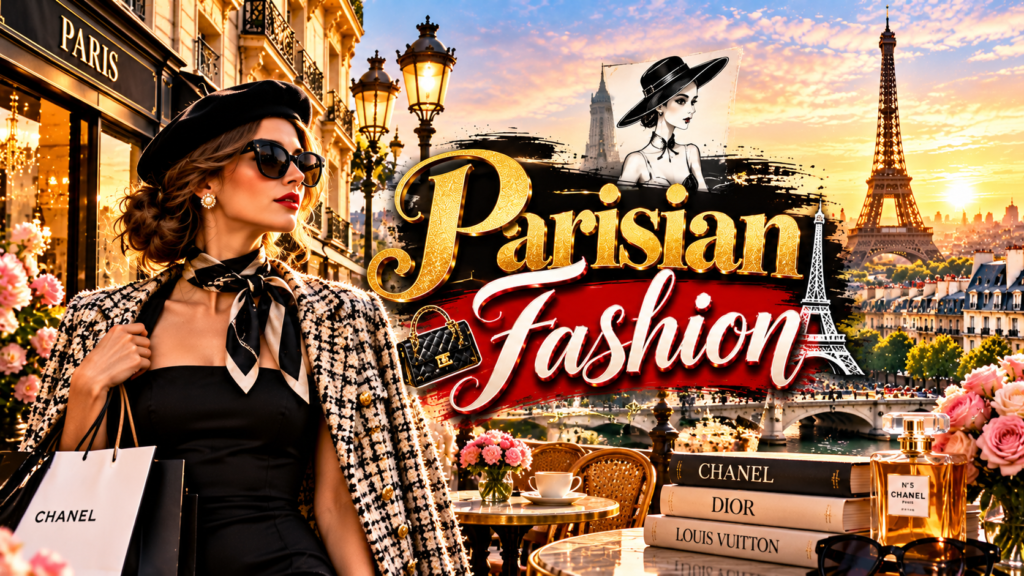
Several factors contribute to Parisian fashion influence:
- Historic Parisian fashion heritage: Centuries of craftsmanship and design have shaped the city’s reputation.
- World-famous fashion houses: Established brands continue to influence global clothing trends.
- Paris Fashion Week: Seasonal collections introduce new ideas and silhouettes.
- Artistic culture: Museums, architecture, photography, and literature inspire designers.
- Street style: Everyday outfits demonstrate how classic pieces can be styled in modern ways.
- Luxury craftsmanship: Tailoring, embroidery, leatherwork, and fabric selection remain important elements of French fashion.
Parisian fashion is not limited to luxury shopping or designer labels. Its broader influence comes from the way people combine clothing, personal confidence, and cultural identity.
What Are the Main Characteristics of Parisian Fashion?
Parisian fashion is often associated with simplicity, versatility, quality, and understated elegance. Although there is no single formula that every Parisian follows, several recurring principles help explain the style.
1. Timeless Wardrobe Essentials
Classic wardrobe staples are central to Parisian-inspired dressing. These garments can be combined in multiple ways, making it easier to create attractive outfits without purchasing large quantities of clothing.
Common essentials Parisian fashion include:
- White button-down shirts
- Straight-leg jeans
- Tailored black trousers
- Striped tops
- Blazers and trench coats
- Knit sweaters and cardigans
- Simple dresses
- Loafers, ballet flats, and ankle boots
The advantage of these pieces is their versatility. A blazer, for example, can be worn with jeans for a relaxed look or paired with tailored trousers for a more formal occasion.
2. Neutral and Coordinated Colours
Neutral shades such as black, white, navy, beige, grey, and cream frequently appear in Parisian-inspired wardrobes. These colours are easy to coordinate and create a refined appearance.
However, Parisian fashion is not limited to neutral tones. Burgundy, red, green, pastel shades, and other colours can also add personality to an outfit. The key is to select colours that complement one another and suit individual preferences.
3. Comfortable Yet Elegant Clothing
Parisian style often combines practicality with sophistication. Clothing should allow movement while maintaining an attractive silhouette.
Well-fitted jeans, breathable shirts, comfortable knitwear, and suitable footwear can be both functional and fashionable. The aim is not to sacrifice comfort for appearance but to find a balance between the two.
4. Quality Over Quantity
A carefully chosen wardrobe can be more useful than a collection of clothes that are rarely worn. Durable fabrics, good stitching, suitable fits, and versatile designs can help garments remain wearable for longer.
This principle also supports more thoughtful shopping by encouraging people to consider how frequently they will use an item before purchasing it.
Which Clothing Items Are Essential for a Parisian-Inspired Wardrobe?
Building a Parisian fashion-inspired wardrobe does not require expensive designer labels. The most important factors are fit, versatility, comfort, and personal taste.
The white shirt: A crisp white shirt works with denim, skirts, tailored trousers, and layered outfits. It is one of the most adaptable pieces in a classic wardrobe.
The trench coat: A trench coat adds structure to an outfit and is particularly useful during transitional weather. Beige is a classic choice, although black and navy are equally versatile.
Straight-leg jeans: Dark or medium-wash denim can create a relaxed yet polished appearance. Choose a cut that fits comfortably and complements your proportions.
The tailored blazer: A blazer provides structure and can make a simple outfit appear more refined. It works well over T-shirts, blouses, knitwear, and dresses.
The little black dress: Popularised in modern fashion history by Coco Chanel’s designs, the little black dress remains a versatile option for dinners, celebrations, and evening occasions.
The striped top: Breton-inspired stripes are closely associated with French style. A striped shirt can be paired with denim, tailored trousers, or a simple skirt.
Leather or leather-look accessories: Belts, bags, and shoes can add texture and polish. Consider durable materials and practical designs that complement several outfits.
Classic footwear: Loafers, ballet flats, ankle boots, and clean minimalist sneakers offer different options for everyday wear.
How Can You Dress Like a Parisian Without Spending Too Much?
Parisian-inspired fashion can be recreated on a modest budget by prioritising versatile basics and thoughtful combinations. Expensive brands are not essential to achieving a polished appearance.
Start by examining your existing wardrobe. Identify the items you wear frequently and the pieces that can be combined into several outfits. You may already own suitable jeans, shirts, sweaters, and shoes.
Next, create a shopping list based on genuine gaps rather than temporary trends. Purchase pieces that work with multiple items you already own.
Here are some practical budget-friendly strategies:
- Shop during seasonal sales and compare prices.
- Explore second-hand shops and vintage markets.
- Choose garments that can be styled for several occasions.
- Pay attention to fabric quality, seams, buttons, and fit.
- Repair or tailor suitable clothing instead of replacing it.
- Avoid buying items simply because they are currently fashionable.
- Use accessories to refresh familiar outfits.
For example, a white shirt can be styled with jeans and sneakers during the day, then paired with black trousers and loafers for an evening outing. One garment can therefore serve several purposes.
What Role Do Accessories Play in Parisian Fashion?
Accessories help create a distinctive personal style without requiring an entirely new wardrobe. Parisian-inspired outfits often use a few carefully selected accessories rather than numerous competing details.
A structured handbag can add polish to a simple outfit, while a leather belt can define the waist and create a more balanced silhouette. Scarves introduce colour, pattern, and texture, making them useful throughout the year.
Sunglasses, understated jewellery, watches, and classic footwear can also complete an outfit. The objective is to choose accessories that complement the clothing rather than overwhelm it.
For everyday dressing, consider a combination such as straight-leg jeans, a white shirt, a navy blazer, loafers, and a small shoulder bag. The result is simple, adaptable, and appropriate for many casual settings.
Accessories should reflect personal preferences and practical needs. There is no requirement to own luxury handbags or expensive jewellery to create a Parisian-inspired look.
How Does Parisian Street Style Influence Global Fashion Trends?
Parisian street style provides a different perspective on fashion from the highly polished looks seen on runways. It demonstrates how people combine garments for work, social activities, travel, and everyday life.
Photographers frequently document street style during Paris Fashion Week, when visitors and fashion professionals experiment with tailoring, layering, statement accessories, vintage clothing, and contemporary silhouettes.
The influence extends beyond France because many street-style combinations are relatively easy to adapt. A classic coat may be paired with relaxed denim, while a formal blazer may be worn with sneakers. Such combinations challenge the idea that elegance requires highly formal clothing.
Social media has increased the visibility of Parisian-inspired outfits, allowing people around the world to discover new styling ideas. However, online representations may present an idealised version of everyday life.
It is important to remember that Paris is a diverse city, and its residents have many different fashion preferences. Parisian street style is not a single uniform look but a broad collection of individual expressions.
Which Famous Designers Have Shaped Parisian Fashion?
Several influential designers have helped establish Paris as a centre of international fashion. Their contributions range from practical everyday clothing to elaborate couture craftsmanship.
Coco Chanel: Chanel transformed women’s fashion through designs that emphasised simplicity, comfort, and modernity. Her association with jersey garments, relaxed elegance, and the little black dress remains significant in fashion history.
Christian Dior: Dior’s 1947 New Look collection became a major moment in post-war fashion. Its emphasis on defined waists and full skirts introduced a dramatic silhouette that contrasted with the austerity of wartime clothing.
Yves Saint Laurent: Saint Laurent helped expand the possibilities of women’s fashion through designs such as Le Smoking, a tuxedo-inspired suit for women. His work challenged traditional ideas about formal dressing.
Hubert de Givenchy: Givenchy became known for elegant silhouettes and refined designs. His work with actress Audrey Hepburn helped establish some memorable associations between cinema and fashion.
Jean Paul Gaultier: Gaultier became known for challenging conventional ideas about gender, tailoring, and fashion imagery. His designs often combined traditional references with unexpected interpretations.
Gabrielle Chanel, Christian Dior, and their successors: Their broader legacy demonstrates how designers can influence not only clothing but also cultural attitudes, beauty standards, and the relationship between fashion and identity.
These designers represent only part of Paris’s fashion history. Contemporary and emerging designers continue to introduce new ideas, materials, and approaches to construction.
How Does Parisian Fashion Change With the Seasons?
Seasonal dressing is important in Paris because temperatures and weather conditions vary throughout the year. Layering and adaptable garments help create outfits that remain comfortable while looking coordinated.
Spring Fashion
Spring wardrobes often feature lightweight trench coats, cardigans, cotton shirts, straight-leg jeans, and comfortable flats. Neutral colours can be combined with pastel shades or brighter accessories.
Layering is useful because mornings and evenings may feel cooler than afternoons.
Summer Fashion
Summer outfits often prioritise breathable fabrics and comfortable silhouettes. Linen shirts, cotton dresses, lightweight trousers, simple skirts, and sandals are practical choices.
Straw accessories, sunglasses, and lightweight bags can complement warm-weather clothing. Light colours may also help create a fresh seasonal appearance.
Autumn Fashion
Autumn offers opportunities to combine knitwear, blazers, long coats, boots, and scarves. Brown, burgundy, navy, olive, and beige work well together.
Layering allows clothing to adapt to changing temperatures without requiring a completely different wardrobe throughout the day.
Winter Fashion
Winter wardrobes benefit from warm coats, wool sweaters, scarves, gloves, and weather-appropriate footwear. A long coat worn over knitwear and tailored trousers can create a classic look while providing additional warmth.
For cold or rainy conditions, practical insulation, water resistance, and comfortable shoes should take priority over appearance alone.
Is Parisian Fashion Suitable for Every Age and Body Type?
Yes. Parisian-inspired fashion can be adapted to different ages, body shapes, budgets, and lifestyles. Its emphasis on versatile clothing and personal confidence makes it flexible rather than restrictive.
The most effective approach is to choose garments that fit comfortably and suit your preferences. Some people prefer wide-leg trousers and oversized jackets, while others feel more comfortable in fitted shirts, straight skirts, or flowing dresses.
Age should not determine whether someone can wear a particular style. A person can incorporate classic Parisian elements at any stage of life by adjusting silhouettes, fabrics, colours, and accessories to suit their needs.
Similarly, there is no single ideal body shape for Parisian fashion. Good tailoring, balanced proportions, and comfortable clothing can help people create outfits that reflect their personalities.
The goal is not to imitate another person’s appearance exactly. Instead, use Parisian fashion as inspiration for developing a wardrobe that feels authentic and practical.
How Can You Create a Parisian Capsule Wardrobe?
A capsule wardrobe is a collection of carefully selected garments that work together and can be combined into numerous outfits. Parisian-inspired dressing lends itself well to this approach because many classic pieces are versatile.
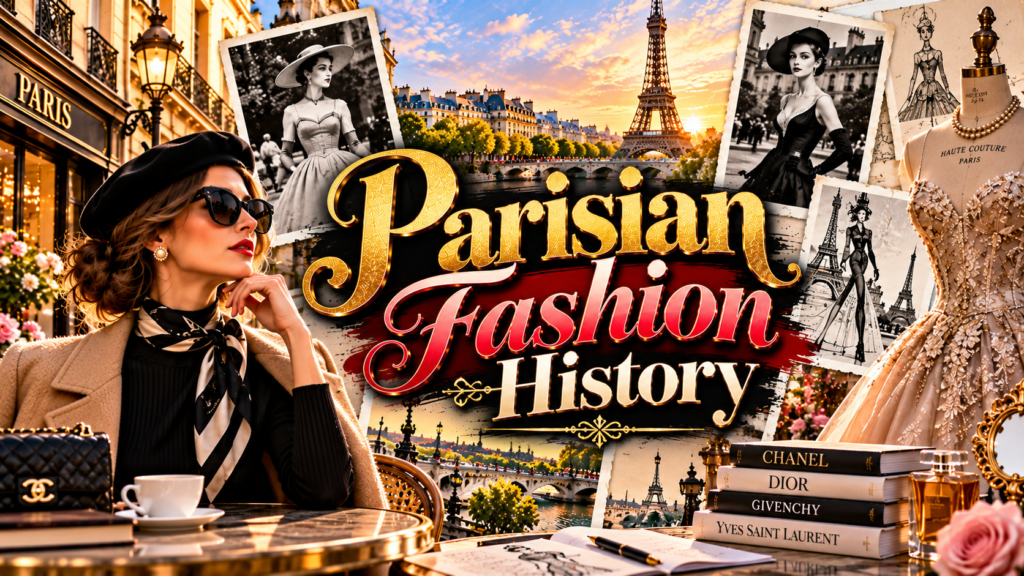
A simple starter capsule wardrobe might include:
- Two pairs of well-fitting trousers or jeans.
- Three versatile tops, including a white shirt.
- One striped top.
- One cardigan or lightweight sweater.
- One tailored blazer.
- One trench coat or suitable everyday jacket.
- One versatile dress or skirt.
- One pair of comfortable flats or loafers.
- One pair of casual sneakers.
- One practical handbag and a few complementary accessories.
These quantities are suggestions rather than strict rules. The right wardrobe depends on climate, occupation, lifestyle, and personal preferences.
To make the capsule wardrobe effective, select colours that coordinate naturally. Ensure that each major garment works with at least two or three other pieces.
Before buying anything new, try creating several outfits from your existing clothes. This exercise can reveal which pieces are genuinely missing and help prevent unnecessary spending.
What Are the Biggest Mistakes to Avoid When Following Parisian Fashion?
One common mistake is assuming that Parisian fashion requires expensive designer labels. In reality, styling, fit, garment condition, and individual confidence often matter more than the name on a label.
Another mistake is purchasing too many trend-driven items. Constantly replacing clothing can make it difficult to build a consistent personal style and may increase unnecessary spending.
Overcomplicating outfits is another issue. Combining too many statement accessories, competing patterns, and unrelated colours can make an outfit feel less coordinated. However, expressive and maximalist styling can also be fashionable when it reflects a deliberate personal choice.
People should also avoid copying stereotypical ideas about how Parisians dress. Not everyone in Paris wears a striped shirt, a beret, or a trench coat. These items are familiar fashion symbols, but they do not represent the full diversity of the city.
Finally, never sacrifice comfort or practicality simply to reproduce a photograph. Clothing should suit the weather, activity, and environment in which it will be worn.
How Is Sustainability Changing Modern Parisian Fashion?
Sustainability has become an important subject in the wider fashion industry, including conversations about Parisian style. Consumers, designers, and retailers are increasingly discussing garment durability, responsible production, textile waste, and the environmental impact of clothing.
A timeless wardrobe can support more thoughtful consumption when it encourages people to wear existing garments for longer. Buying fewer unnecessary items, repairing clothing, and exploring second-hand fashion are practical ways to reduce waste.
Vintage shopping is also attractive to people who appreciate distinctive designs and garments with a history. Second-hand clothing can provide access to interesting styles while extending the useful life of existing products.
However, classic styling alone does not guarantee sustainability. The environmental and social impact of a garment also depends on how it is produced, transported, maintained, and eventually discarded.
Consumers can make more informed choices by checking fabric composition, product durability, brand transparency, and care instructions. They should also be cautious about broad environmental claims that are not supported by clear evidence.
Modern Parisian fashion can therefore combine aesthetic appeal with a more considered approach to shopping and garment care.
What Can Travellers Learn From Parisian Fashion?
Travellers visiting Paris can use local street style as inspiration for packing practical, versatile outfits. Comfortable footwear is especially important for exploring museums, historic neighbourhoods, markets, and major attractions.
A useful travel wardrobe may include neutral trousers, breathable tops, a lightweight jacket, a versatile dress, comfortable walking shoes, and a compact bag. These items can be combined into different outfits without filling an entire suitcase.
The weather should guide packing decisions. A rain-resistant layer may be helpful during wet periods, while breathable fabrics and sun protection are useful during warmer months.
Visitors should also remember that Paris is a modern, diverse city rather than a fashion exhibition. Local people dress in many different ways, and travellers do not need to purchase new clothing simply to fit in.
Instead, use the city’s architecture, museums, boutiques, and everyday street scenes as opportunities to explore fashion as part of French culture.
What Is the Future of Parisian Fashion?
The future of Parisian fashion will likely continue to balance heritage with experimentation. Established luxury houses preserve traditional techniques, while emerging designers explore new silhouettes, digital tools, innovative materials, and alternative approaches to production.
Fashion’s relationship with technology is also developing. Digital presentations, online shopping, virtual styling, and social media influence how collections reach audiences and how consumers discover new trends.
Sustainability, inclusivity, and changing consumer expectations will remain important subjects for the industry. Designers and brands face growing questions about product longevity, responsible sourcing, representation, and the practical value of new collections.
At the same time, Paris’s historic fashion institutions and creative communities provide a strong foundation for future innovation. The city’s influence will depend not only on preserving its reputation but also on adapting to cultural and economic change.
For everyday consumers, the future of Parisian fashion may be less about following a fixed set of rules and more about finding a personal balance between style, comfort, quality, and responsible choices.
Why Does Parisian Fashion Remain Timeless?
Parisian fashion remains influential because it offers a flexible approach to personal style. Its most recognizable principles—versatility, thoughtful combinations, quality, comfort, and confidence can be adapted to different budgets, ages, climates, and lifestyles.
From the historical influence of French royal courts to the work of influential designers and the creativity of contemporary street style, Paris has played an important role in shaping global Parisian fashion.
The most useful lesson is that style does not depend on owning the largest wardrobe or purchasing the most expensive clothing. A small collection of versatile garments, combined with a clear understanding of personal preferences, can create countless attractive outfits.
Ultimately, Parisian fashion is best understood as inspiration rather than a rigid dress code. By choosing clothing that feels comfortable, expressing individuality, and making thoughtful shopping decisions, anyone can incorporate elements of Parisian elegance into everyday life.
Read More – Affordable universities in Europe