
What’s Defining the Future of European Style: European Fashion Trends to Watch in 2026
European fashion has always been admired for its creativity, elegance, craftsmanship and ability to balance traditional styles with modern influences. From the sophisticated streets of Paris and Milan to the relaxed fashion culture of Copenhagen, London and Stockholm, Europe continues to influence how people dress around the world. In 2026, European fashion is evolving through a combination of timeless elegance, sustainable clothing, bold creativity, comfortable silhouettes and innovative designs.
European fashion is no longer just about following seasonal trends or wearing expensive designer labels. Today’s European fashion culture places greater importance on personal expression, versatility, quality, individuality and responsible consumption. Consumers are increasingly interested in clothing that reflects their lifestyles while offering comfort, durability and style.
But what are the European fashion trends to watch in 2026? Which colors, fabrics, clothing styles and accessories are becoming popular? How are sustainability, technology and cultural influences changing the European fashion industry?
From minimalist wardrobes and vintage-inspired outfits to statement accessories and contemporary streetwear, several exciting developments are shaping the European fashion landscape. Let’s explore the major European fashion trends that are influencing modern style in 2026.
1. What Are the Biggest European Fashion Trends to Watch in 2026?
European fashion in 2026 is moving towards a more expressive and versatile approach to dressing. Rather than depending on one dominant aesthetic, designers and fashion enthusiasts are embracing a mixture of minimalist clothing, statement pieces, vintage influences, comfortable silhouettes and creative layering.
One of the most noticeable developments is the combination of simplicity and boldness. While some people prefer understated outfits with neutral colours and clean tailoring, others are experimenting with colourful garments, decorative details, sequins and unusual textures. Both approaches are finding their place in contemporary European fashion.
The Spring/Summer 2026 collections highlighted several popular directions, including bohemian dressing, lace details, floral skirts, utility clothing, sporty influences and colorful combinations. As the year progresses, autumn/winter fashion is bringing greater attention to structured silhouettes, luxurious fabrics, expressive colors and sophisticated outerwear.
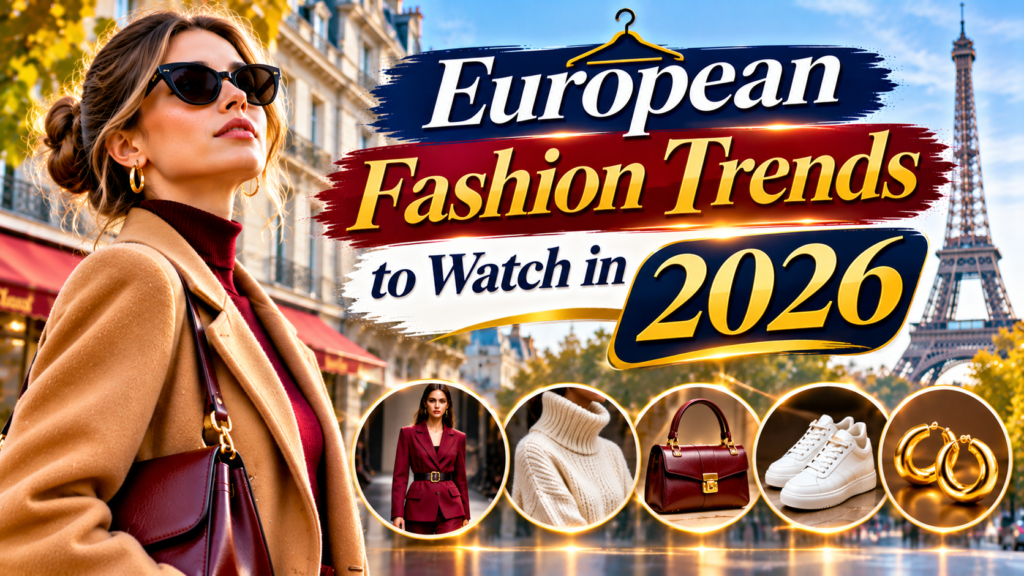
Some of the major European fashion trends to watch in 2026 include:
- Minimalist and timeless wardrobe essentials.
- Sustainable and responsible fashion.
- Oversized and relaxed tailoring.
- Vintage-inspired clothing and accessories.
- Bold colours and creative combinations.
- Comfortable streetwear and sporty outfits.
- Statement outerwear and layered clothing.
- Textured fabrics and handcrafted details.
- Elegant footwear and distinctive accessories.
These trends demonstrate how European fashion continues to balance heritage, innovation and personal style.
2. Why Is Minimalist Fashion Becoming Popular Across Europe?
Minimalist fashion remains an important part of European style in 2026. Its popularity comes from its simplicity, versatility and ability to create elegant outfits without requiring complicated combinations.
European cities such as Paris, Copenhagen, Stockholm and Milan have long been associated with sophisticated everyday dressing. Minimalist fashion reflects this approach through neutral colours, simple silhouettes, quality fabrics and carefully selected accessories.
Instead of purchasing numerous trendy garments, fashion-conscious consumers are increasingly interested in building wardrobes around pieces that can be worn in different ways. A well-fitted blazer, classic white shirt, tailored trousers and comfortable shoes can create several outfits suitable for professional and casual occasions.
Popular minimalist fashion essentials include:
- White and black shirts.
- Beige and grey trousers.
- Tailored jackets and blazers.
- Neutral-coloured knitwear.
- Simple leather handbags.
- Classic denim jeans.
- Minimalist dresses and skirts.
Minimalist fashion is also practical for people who want clothing that remains stylish beyond a single season. By choosing versatile garments, individuals can create a sophisticated personal appearance while reducing unnecessary wardrobe purchases.
3. How Is Sustainable Fashion Influencing European Clothing Trends in 2026?
Sustainability is becoming an increasingly important conversation within the European fashion industry. Consumers, designers and fashion businesses are paying greater attention to how clothing is produced, what materials are used and how long garments remain wearable.
The growing interest in responsible fashion is encouraging brands to explore recycled materials, organic fibres, improved manufacturing processes and more transparent supply chains. At the same time, second-hand shopping and clothing resale are helping consumers discover unique pieces while extending the life of existing garments.
Sustainable fashion is not limited to purchasing clothes made from environmentally friendly materials. It also involves making thoughtful decisions about clothing consumption.
Some important developments include:
- Choosing durable clothing instead of disposable fashion.
- Exploring second-hand and vintage collections.
- Supporting brands with transparent production practices.
- Purchasing garments made with recycled or responsibly sourced materials.
- Repairing and reusing existing clothing.
- Selecting versatile pieces that can be styled repeatedly.
European fashion’s growing focus on quality and value is also connected to this shift. In 2026, the emphasis on buying fewer but better garments is becoming increasingly visible in fashion discussions.
Sustainable fashion is therefore more than a temporary trend. It represents a broader change in how consumers think about style, quality and responsibility.
4. Are Oversized Blazers and Relaxed Tailoring Still Trending in 2026?
Yes. Relaxed tailoring continues to influence European fashion, although designers and consumers are also exploring more structured and refined silhouettes.
Oversized blazers have become versatile wardrobe essentials because they can be styled for professional meetings, casual outings and evening occasions. Their relaxed shape offers comfort while maintaining a polished appearance.
In 2026, tailoring is also becoming more expressive. Structured shoulders, defined waists, interesting proportions and sophisticated fabrics are giving traditional jackets and trousers a contemporary identity.
Popular tailoring styles include:
- Oversized single-breasted blazers.
- Double-breasted jackets.
- Wide-leg tailored trousers.
- Relaxed matching suits.
- Cropped structured jackets.
- Waist-defined coats.
- Coordinated jackets and skirts.
A relaxed blazer paired with straight-leg denim and leather shoes creates an effortless everyday outfit. For a more formal appearance, tailored trousers, a fitted shirt and a structured jacket offer a sophisticated combination.
The continuing interest in slim tailoring and structured silhouettes is particularly visible in the autumn/winter 2026 fashion direction.
5. Which Colours Are Defining European Fashion in 2026?
Colour is playing an important role in European fashion during 2026. While neutral shades remain popular for everyday clothing, stronger colours are adding personality and visual interest to contemporary wardrobes.
Brown, blue, cherry red and orange are among the notable colours appearing in Spring/Summer 2026 fashion discussions. These shades offer different styling possibilities, ranging from understated elegance to bold statement dressing.
For autumn and winter, deeper colours such as burgundy, rich purple and other dramatic shades are helping create sophisticated outfits.
Some colours worth exploring in 2026 include:
- Chocolate brown: A sophisticated alternative to traditional black.
- Cherry red: Adds energy and personality to simple outfits.
- Orange: Creates a bold and vibrant appearance.
- Powder blue: Offers a fresh and soft colour option.
- Burgundy: Works particularly well for autumn and winter styling.
- Cream and beige: Suitable for timeless minimalist outfits.
- Rich purple: Adds depth and elegance to evening clothing.
- Classic navy: A versatile choice for professional and casual dressing.
One of the easiest ways to experiment with colour is to introduce one statement shade into an otherwise neutral outfit. For example, a cherry-red handbag, orange scarf or blue jacket can transform a simple combination into a fashionable look.
6. Is Vintage Fashion Making a Comeback in Europe?
Vintage fashion continues to influence European clothing styles in 2026. The growing appreciation for classic designs, traditional craftsmanship and distinctive second-hand garments is bringing renewed attention to fashion from previous decades.
European fashion enthusiasts are exploring vintage boutiques, resale platforms and independent clothing stores to discover pieces that offer individuality. Rather than reproducing historical outfits exactly, contemporary styling combines older fashion influences with modern clothing.
Some popular vintage-inspired elements include:
- 1990s minimalist dresses.
- Retro denim jackets.
- Classic leather handbags.
- Vintage-inspired sunglasses.
- High-waisted trousers.
- Traditional checked patterns.
- Retro footwear.
- Statement belts and jewellery.
The appeal of vintage fashion lies in its ability to create a distinctive appearance. A vintage leather jacket, for instance, can be paired with contemporary denim and simple footwear to produce a modern outfit.
Vintage shopping can also support more circular consumption by giving existing garments a longer life. This makes it relevant to both fashion enthusiasts and people interested in more responsible clothing choices.
7. How Is European Streetwear Evolving in 2026?
European streetwear is becoming more diverse, combining sportswear, casual clothing, traditional tailoring and creative accessories. The modern streetwear aesthetic is no longer restricted to oversized hoodies, sneakers and graphic T-shirts.
Cities such as London, Berlin, Copenhagen and Paris are known for their distinctive street-style cultures. Each location brings its own influences, creating a fashion environment where individuality and experimentation are encouraged.
In 2026, streetwear is increasingly incorporating practical garments with stylish details. Cargo trousers, technical jackets, relaxed denim, sporty tops and statement footwear are helping create outfits that balance comfort and personality.
Popular streetwear elements include:
- Relaxed-fit jeans.
- Graphic T-shirts.
- Sport-inspired jackets.
- Utility trousers.
- Oversized outerwear.
- Comfortable sneakers.
- Crossbody bags.
- Colourful accessories.
Another interesting development is the combination of sporty and glamorous clothing. For example, a track jacket can be paired with a sequinned skirt, while athletic-inspired outerwear can be styled with elegant footwear. This contrast has appeared in 2026 street-style coverage from London.
European streetwear is therefore becoming a platform for creative self-expression rather than following a single uniform style.
8. Why Are Statement Accessories Important in European Fashion?
Accessories have always played an important role in European fashion because they can transform even the simplest clothing combinations. In 2026, statement accessories are helping individuals express their personalities without completely changing their wardrobes.
Handbags, sunglasses, scarves, jewellery, belts and footwear are becoming important styling elements. Instead of using accessories only as finishing touches, many fashion enthusiasts are treating them as central parts of their outfits.
Some accessory trends to watch include:
- Structured leather handbags.
- Oversized sunglasses.
- Colourful silk scarves.
- Chunky statement jewellery.
- Decorative belts.
- Textured footwear.
- Vintage-inspired handbags.
- Distinctive hats and hair accessories.
Scarves are particularly versatile because they can be worn around the neck, styled in the hair or attached to handbags. Similarly, a structured handbag can bring elegance to casual clothing.
The Copenhagen street-style scene in 2026 has also demonstrated how carefully selected accessories and playful colour combinations can give classic outerwear a distinctive personality.
9. Are Floral Prints and Bohemian Styles Trending in 2026?
Floral prints and bohemian fashion remain important sources of inspiration in European fashion, particularly during the spring and summer seasons.
Bohemian fashion is recognised for its relaxed silhouettes, flowing fabrics, decorative details and artistic influences. In 2026, the aesthetic is being refreshed through contemporary combinations that make traditional bohemian clothing more suitable for modern lifestyles.
Floral skirts, lace-trimmed tops, lightweight dresses and textured garments are among the styles attracting attention.
Popular bohemian-inspired clothing includes:
- Flowing maxi dresses.
- Floral midi skirts.
- Lace-detail blouses.
- Lightweight embroidered tops.
- Relaxed wide-leg trousers.
- Crochet-inspired garments.
- Printed scarves.
- Layered accessories.
The key to wearing bohemian fashion in 2026 is to balance decorative elements with simpler pieces. A floral skirt can be paired with a plain shirt, while an embroidered blouse can be combined with classic denim.
This approach creates an outfit that feels expressive without appearing overly complicated.
British Vogue’s coverage of Spring/Summer 2026 also highlights floral skirts, lace trims and bohemian dressing among the notable seasonal directions.
10. How Are Comfortable Fabrics and Practical Clothing Shaping European Style?
Comfort has become an important consideration in modern fashion. People want garments that look stylish while allowing them to move comfortably throughout the day.
This demand is influencing the popularity of relaxed trousers, breathable shirts, soft knitwear, lightweight jackets and versatile everyday clothing.
European fashion in 2026 demonstrates that comfort and elegance can work together. A relaxed linen shirt, tailored trousers and comfortable leather footwear can create an outfit suitable for several occasions.
Some practical wardrobe choices include:
- Breathable cotton shirts.
- Linen trousers and dresses.
- Soft wool sweaters.
- Relaxed denim.
- Lightweight jackets.
- Comfortable everyday footwear.
- Flexible knitwear.
- Layer-friendly outerwear.
Fabric selection is especially important because European climates vary considerably. Lightweight materials are suitable for warmer Mediterranean destinations, while wool, cashmere and layered garments are useful during colder months.
The growing interest in premium basics also reflects a preference for clothing that offers both practical value and long-term wearability.
11. What Role Do Denim Jeans Play in European Fashion Trends in 2026?
Denim remains one of the most important elements of European everyday fashion. Its versatility makes it suitable for different age groups, lifestyles and occasions. In 2026, denim is moving beyond traditional straight-leg jeans, with several silhouettes and styling variations attracting attention.
Fashion brands are experimenting with low-rise jeans, bootcut designs, flared trousers, cargo denim and relaxed fits. These variations allow consumers to choose denim that reflects their individual preferences.
Some denim styles to watch include:
- Straight-leg jeans for everyday dressing.
- Bootcut jeans for a retro-inspired appearance.
- Flared jeans for vintage-inspired outfits.
- Low-rise denim for a 1990s-inspired look.
- Cargo jeans for utility-inspired styling.
- Denim jackets for versatile layering.
- Denim skirts for casual and contemporary outfits.
Denim-on-denim styling is another way to create a fashionable appearance. Combining a denim jacket with jeans in a similar or contrasting shade produces a coordinated look.
For a more sophisticated outfit, dark denim can be paired with a tailored blazer, a simple shirt and leather shoes. For casual occasions, relaxed denim with sneakers and a basic T-shirt remains an easy choice.
The renewed popularity of denim is also reflected in European retail collections during 2026, with several denim categories expanding in seasonal ranges.
12. Are Leather Jackets and Statement Outerwear Trending in 2026?
Outerwear is becoming an important fashion statement in Europe, especially as autumn and winter collections introduce more expressive shapes, textures and materials.
A jacket is no longer simply a practical layer for cold weather. It can become the central feature of an outfit, adding structure, personality and sophistication.
In 2026, statement outerwear includes oversized coats, structured leather jackets, textured designs, utility-inspired jackets and luxurious-looking faux-fur pieces.
Some popular outerwear choices include:
- Classic black leather jackets.
- Oversized wool coats.
- Structured trench coats.
- Faux-fur jackets.
- Utility-inspired outerwear.
- Checked and tweed jackets.
- Funnel-neck jackets.
- Shearling-inspired coats.
London street-style coverage during 2026 has highlighted fluffy coats, checked jackets, tweed designs and funnel-neck outerwear. Copenhagen street style has also demonstrated the popularity of statement trenches and layered jackets.
A statement coat can be paired with simple trousers and understated footwear to create a balanced appearance. This approach allows the outerwear to become the main focus without making the entire outfit look excessive.
13. How Is Technology Changing the European Fashion Industry?
Technology is transforming the fashion industry by influencing how clothing is designed, manufactured, marketed and purchased. European fashion businesses are increasingly exploring digital solutions to improve creativity, efficiency and customer experiences.
Artificial intelligence, digital design tools, virtual fitting technologies and data analytics are creating new opportunities for fashion brands.
For example, digital design software allows designers to experiment with colours, patterns and garment shapes before producing physical samples. Virtual fitting tools can help shoppers understand how clothing might look on different body types, while data analytics can help retailers identify changing consumer preferences.
Important technological developments include:
- AI-assisted fashion design.
- Virtual fitting and digital try-on tools.
- Online personal styling services.
- Digital fashion presentations.
- Improved inventory management.
- Data-driven fashion forecasting.
- Technology-supported supply chain transparency.
Technology is also influencing the relationship between fashion brands and customers. Online platforms make it easier for independent designers to introduce their collections to international audiences.
However, technology does not replace the importance of creativity, craftsmanship and human design. Instead, it offers additional tools that can support innovation throughout the fashion industry.
14. What Are the Major European Fashion Trends for Men in 2026?
Men’s fashion in Europe is becoming increasingly versatile, combining traditional tailoring with relaxed casual clothing and modern streetwear.
The contemporary European men’s wardrobe is built around garments that can be styled for professional, social and everyday occasions. Rather than maintaining a strict separation between formal and casual clothing, many modern outfits combine elements from both categories.
Some important men’s fashion trends in 2026 include:
Relaxed tailoring: Looser trousers, unstructured blazers and comfortable suits are creating a more flexible approach to formal dressing.
Classic knitwear: Lightweight sweaters, cardigans and knitted polo shirts offer sophisticated alternatives to basic T-shirts.
Utility-inspired clothing: Cargo trousers, functional jackets and practical pockets bring a contemporary streetwear influence.
Modern denim: Straight-leg, bootcut and relaxed denim styles provide alternatives to traditional slim-fit jeans.
Minimalist footwear: Leather sneakers, loafers and classic boots complement both casual and smart outfits.
Layered dressing: Shirts, sweaters, jackets and coats can be combined to create depth and versatility.
Colour is also becoming an important feature of men’s fashion. Navy, chocolate brown, burgundy, olive green and cream offer stylish alternatives to an entirely black wardrobe.
The overall direction encourages men to experiment with clothing while maintaining a polished and comfortable personal style.
15. Which Women’s Fashion Trends Are Popular Across Europe in 2026?
Women’s fashion in Europe is embracing a combination of elegance, creativity, comfort and individuality. Designers are exploring different silhouettes, fabrics and styling techniques to create clothing that works for contemporary lifestyles.
In 2026, traditional wardrobe essentials are being refreshed through modern details, while statement garments are providing opportunities for personal expression.
Some women’s fashion trends worth watching include:
- Tailored jackets with defined silhouettes.
- Flowing floral and bohemian dresses.
- Lace-trimmed tops and skirts.
- Wide-leg and tailored trousers.
- Vintage-inspired denim.
- Structured handbags.
- Elegant knitwear.
- Statement outerwear.
- Colourful accessories.
- Modern eveningwear.
The popularity of versatile separates is particularly important. A tailored jacket can be worn with trousers for professional occasions or paired with denim for a relaxed weekend outfit.
Evening fashion is also becoming more expressive through sequins, textured materials, dramatic silhouettes and elegant accessories. The Spring/Summer 2026 fashion season highlighted the contrast between simple wardrobe essentials and more decorative statement garments.
16. How Do Paris, Milan, London and Copenhagen Influence European Fashion?
Europe does not have a single fashion identity. Different cities contribute their own creative influences, cultural traditions and styling preferences to the wider fashion industry.
Paris: The home of timeless elegance
Paris is internationally associated with sophisticated dressing, classic tailoring and understated luxury. French-inspired fashion often combines simple garments with carefully selected accessories. Blazers, neutral outfits, structured handbags and elegant footwear remain popular elements of this aesthetic.
Milan: Luxury and craftsmanship
Milan is recognised for its luxury fashion houses, innovative design and attention to craftsmanship. Italian fashion combines quality materials, distinctive silhouettes and sophisticated styling. Leather accessories, tailored suits and statement garments are important parts of its fashion identity.
London: Creativity and experimentation
London is known for its diverse fashion culture and willingness to experiment. Its street style frequently combines vintage clothing, bold colours, unconventional accessories and traditional tailoring. The city provides opportunities for emerging designers and independent fashion labels to develop distinctive identities.
Copenhagen: Contemporary Scandinavian style
Copenhagen has become an influential destination for contemporary street style. Its fashion culture combines practical clothing, creative colour combinations, comfortable silhouettes and playful accessories. Layering, oversized jackets and interesting footwear are common features of its street-style identity.
Together, these cities demonstrate why European fashion remains influential worldwide. Each destination contributes a different interpretation of contemporary style, encouraging people to develop their own fashion preferences.
17. Why Are Layering Techniques Important in European Fashion?
Layering is an essential part of European dressing because weather conditions can change considerably between seasons and regions.
In 2026, layering is also becoming an important styling technique. Combining different fabrics, lengths and textures allows individuals to create interesting outfits without relying on complicated garments.
For example, a simple shirt can be worn under a lightweight sweater, with a structured coat added for colder weather. Similarly, a dress can be combined with a jacket and boots to create a more seasonal appearance.
Some practical layering ideas include:
- Wearing a shirt beneath a knitted sweater.
- Combining a trench coat with tailored trousers.
- Adding a scarf to a minimalist outfit.
- Pairing a lightweight jacket with relaxed denim.
- Wearing a cardigan over a simple dress.
- Combining different textures for added visual interest.
The key is to maintain balance. Lightweight garments should generally form the inner layers, while heavier coats and jackets can be used as outer layers.
Copenhagen’s 2026 street-style looks demonstrate how double jackets, scarves, statement coats and accessories can create fashionable layered outfits.
18. Are Luxury Fashion and Affordable Clothing Coming Closer Together?
The relationship between luxury fashion and affordable clothing is evolving. Consumers increasingly have access to fashion inspiration from designer collections, social media, online retailers and independent labels.
This has encouraged brands across different price categories to experiment with similar silhouettes, colours and styling concepts.
The result is a fashion environment where consumers can create sophisticated outfits without purchasing every item from a luxury designer.
For example, a tailored blazer from an affordable retailer can be combined with quality leather shoes and a carefully selected handbag. This creates a balanced outfit that mixes accessible clothing with more premium accessories.
The growing importance of value is also influencing purchasing decisions. Consumers are paying greater attention to material quality, durability, design and versatility rather than considering price or brand reputation alone.
This shift is encouraging fashion businesses to communicate the quality and identity behind their products.
19. How Can You Incorporate European Fashion Trends Into Your Everyday Wardrobe?
Following European fashion trends does not mean completely replacing your existing wardrobe. The most practical approach is to identify styles that suit your personality, lifestyle, climate and budget.
You can introduce contemporary European fashion through a few carefully selected garments and accessories.
Here are some useful styling ideas:
1. Start with wardrobe essentials: Invest in shirts, denim, trousers and jackets that can be worn regularly.
2. Experiment with colours: Introduce cherry red, chocolate brown, blue or orange through individual garments and accessories.
3. Try relaxed tailoring: Pair an oversized blazer with jeans or tailored trousers.
4. Explore vintage fashion: Look for classic denim, leather jackets and accessories in second-hand shops.
5. Choose comfortable footwear: Loafers, sneakers and boots can complement different outfits.
6. Experiment with layering: Combine shirts, knitwear, scarves and jackets to create versatile looks.
7. Prioritise quality: Select garments that fit well and offer long-term value.
8. Use accessories creatively: A scarf, handbag or statement belt can transform a simple outfit.
The most important principle is to adapt trends rather than follow them blindly. Fashion should reflect personal taste and make everyday dressing enjoyable.
20. What Is the Future of European Fashion Beyond 2026?
The future of European fashion is likely to be shaped by a combination of sustainability, technological innovation, creative design and changing consumer expectations.
Fashion brands are exploring new materials, more efficient production methods and innovative ways to connect with customers. At the same time, traditional craftsmanship and heritage designs continue to provide inspiration for contemporary collections.
Several developments are likely to remain important in the coming years:
- Responsible production: Greater attention to sustainable materials, manufacturing practices and supply chain transparency.
- Personalised fashion: More clothing and styling options designed around individual preferences.
- Digital innovation: Wider use of artificial intelligence and virtual shopping experiences.
- Circular fashion: Growing interest in resale, repair, rental and garment recycling.
- Creative craftsmanship: Renewed appreciation for quality construction, embroidery and distinctive fabric techniques.
- Versatile wardrobes: Continued interest in clothing that works across different occasions and seasons.
The European fashion industry will also continue to reflect cultural diversity. Designers from different backgrounds are introducing new perspectives, combining traditional influences with contemporary ideas.
As fashion becomes increasingly connected to technology, sustainability and personal identity, European style is expected to remain an important influence on global clothing trends.
Conclusion: Why Should You Follow European Fashion Trends in 2026?
European fashion trends in 2026 demonstrate that modern style is about much more than wearing the latest designer collections. It is about finding the right balance between comfort, creativity, quality, sustainability and personal expression.
From minimalist wardrobes and relaxed tailoring to vintage-inspired clothing, colourful accessories and contemporary streetwear, European fashion offers inspiration for different lifestyles and preferences.
Paris continues to represent timeless elegance, Milan celebrates luxury and craftsmanship, London encourages experimentation, and Copenhagen demonstrates the appeal of practical yet creative dressing. Together, these fashion destinations highlight the diversity and influence of European style.
For fashion enthusiasts, 2026 is an excellent opportunity to explore new clothing combinations, experiment with different colours and discover more responsible ways to dress. Rather than following every passing trend, choosing versatile garments and developing an individual fashion identity can create a wardrobe that remains stylish for years.
Ultimately, the most important European fashion trend to embrace in 2026 is individuality. The future of fashion belongs to people who understand their personal style and express it with confidence.
Read More – Simple Daily Habits for Better Health