Where Can Remote Workers Live, Work and Explore Europe? Best European Countries for Digital Nomads in 2026
The digital nomad lifestyle has become one of the most attractive ways to combine professional ambitions with personal freedom. With remote work continuing to reshape the global workforce, more professionals, entrepreneurs, freelancers and online business owners are looking beyond their home countries to find places where they can work productively while experiencing a different culture, lifestyle and environment.
Europe has emerged as one of the most appealing regions for digital nomads in 2026. From the sunny beaches of Portugal and Spain to the historic cities of Italy and the affordable lifestyle of Eastern Europe, the continent offers a wide range of destinations for remote workers. Reliable internet, international communities, cultural attractions, public transportation and dedicated visa programmes have made many European countries attractive to people working remotely.
But which European countries are the best for digital nomads in 2026? Where can remote workers find affordable accommodation, good internet connectivity, a welcoming community and a comfortable lifestyle? Which countries offer digital nomad visas, and what should professionals consider before moving abroad?
This guide explores some of the best European countries for digital nomads in 2026, highlighting their lifestyle, affordability, work opportunities, visa considerations, advantages and potential challenges.
1. Why Is Europe a Popular Destination for Digital Nomads in 2026?
Europe offers a combination of lifestyle, infrastructure, cultural diversity and international accessibility that makes it appealing to remote professionals. Digital nomads can move between countries, experience different cultures and enjoy a variety of living environments while maintaining their professional commitments.
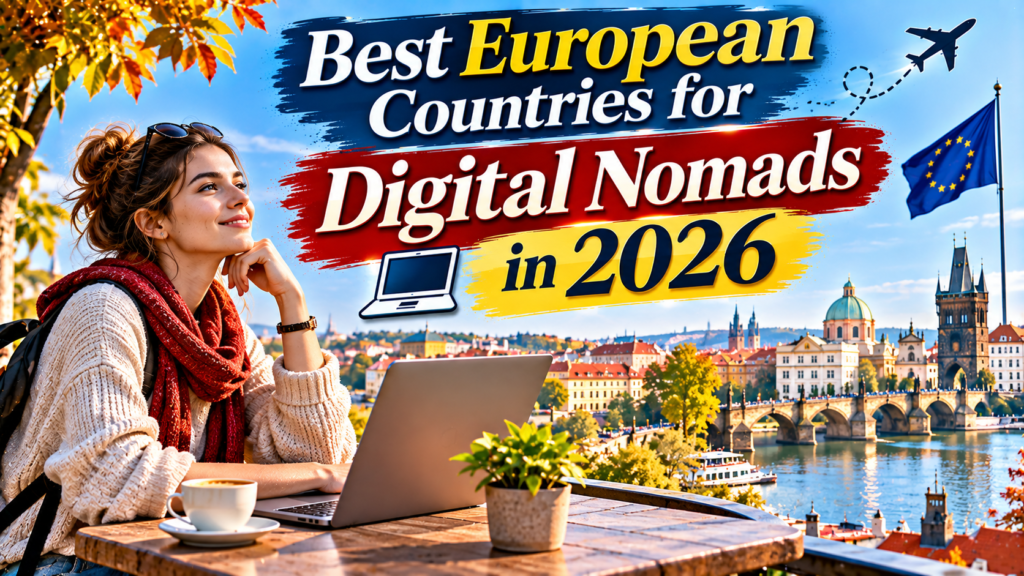
Some of the biggest reasons Europe attracts digital nomads include:
- Reliable internet connectivity: Many European cities offer fast broadband, mobile internet and coworking facilities.
- Digital nomad visas: Several countries have introduced visa or residence programmes designed for remote workers earning income from overseas employers or clients.
- Cultural diversity: Europe offers different languages, cuisines, traditions, architecture and cultural experiences.
- Transportation: Public transport, international flights and rail connections make travelling across the continent easier.
- Healthcare access: Many countries provide developed healthcare systems, although access and requirements vary according to residence status.
- Remote-work communities: Popular destinations have coworking spaces, networking groups, meetups and international communities.
- Lifestyle flexibility: Digital nomads can choose coastal destinations, historic cities, mountain towns or quieter rural locations.
The best country depends on a person’s budget, income, visa eligibility, work schedule, lifestyle expectations and long-term plans.
2. Is Portugal One of the Best European Countries for Digital Nomads in 2026?
Best for lifestyle, sunshine and remote-work communities
Portugal remains one of Europe’s most attractive destinations for digital nomads in 2026. The country combines pleasant weather, beautiful coastal landscapes, historic cities, modern infrastructure and a growing international remote-work community.
Cities such as Lisbon, Porto, Braga and Madeira attract remote professionals looking for a balance between work, leisure and travel. Portugal also offers opportunities for digital nomads who prefer smaller towns and quieter coastal locations.
Why should digital nomads choose Portugal?
Portugal appeals to remote workers for several reasons:
- A relatively relaxed lifestyle and mild climate.
- Strong international communities in major cities.
- Cafés, coworking spaces and remote-work networking opportunities.
- Access to beaches, hiking trails and cultural attractions.
- Good transport links to other European destinations.
- A dedicated remote-work visa route.
Which Portuguese cities are best for digital nomads?
- Lisbon: Best for networking, coworking spaces, international events and urban lifestyle.
- Porto: Attractive for historic architecture, cafés, culture and a lively but somewhat smaller city environment.
- Braga: A good option for people seeking a more affordable city with modern amenities.
- Madeira: Popular among remote workers who enjoy nature, ocean views, outdoor activities and island living.
- Ericeira: Attractive for surfers, coastal lifestyle enthusiasts and people seeking a smaller international community.
Does Portugal offer a digital nomad visa in 2026?
Yes. Portugal offers a remote-work visa route commonly known as the D8 visa for eligible applicants working remotely for foreign employers or clients.
For 2026, a published visa guide reports a monthly income requirement of €3,680, calculated using four times the mainland minimum wage of €920. Applicants should verify the current requirements with the Portuguese consulate or immigration authorities before applying, as income thresholds and documentation may change.
What are the challenges of living in Portugal?
Portugal’s popularity has contributed to rising housing costs in some areas, particularly Lisbon and Porto. Finding suitable accommodation, understanding taxation and navigating administrative procedures can require patience.
Portugal is particularly attractive to digital nomads who prioritise lifestyle, international connections, sunshine and the opportunity to stay in Europe for an extended period.
3. Why Is Spain a Top Choice for Digital Nomads in 2026?
Best for vibrant cities, lifestyle and remote-work infrastructure
Spain is one of the most popular countries in Europe for remote professionals who want a combination of city life, beaches, culture, food and modern infrastructure.
From Barcelona and Madrid to Valencia, Málaga and Alicante, Spain offers a range of destinations for digital nomads with different budgets and lifestyle preferences. The country also has a well-established international community of freelancers, entrepreneurs, online business owners and remote employees.
What makes Spain attractive to digital nomads?
Spain offers several advantages for people working remotely:
- A warm climate in many regions.
- A strong café and coworking culture.
- International airports and public transportation.
- Beautiful beaches and historic towns.
- A wide range of housing and lifestyle options.
- A dedicated international teleworking visa programme.
Which Spanish cities are best for digital nomads?
- Barcelona: Ideal for international networking, technology communities, coworking spaces and Mediterranean living.
- Madrid: Best for business networking, professional opportunities, cultural events and urban lifestyle.
- Valencia: Attractive for affordability relative to some major Spanish cities, beaches, parks and quality of life.
- Málaga: Popular among remote workers seeking sunshine, coastal living and an international community.
- Alicante: A good choice for relaxed coastal living and access to urban amenities.
Can digital nomads apply for a Spanish digital nomad visa?
Spain offers an international teleworking visa and residence authorisation for eligible remote workers. The programme generally allows qualifying applicants to work remotely for businesses outside Spain, with certain allowances for freelancers working with Spanish clients.
Spain’s official residence application guidance describes a residence authorisation of up to three years for eligible applicants applying under the relevant procedure, subject to requirements and the applicant’s circumstances.
Is Spain affordable for digital nomads?
Spain offers a wide range of costs depending on the city and neighbourhood. Madrid and Barcelona can be expensive, especially for accommodation, while smaller cities and some coastal towns may offer more affordable alternatives.
Spain is an excellent choice for digital nomads who want an established remote-work environment, lively communities, Mediterranean living and a strong mix of professional and cultural opportunities.
4. Is Estonia a Good Country for Digital Nomads in 2026?
Best for digital infrastructure and technology-oriented professionals
Estonia has established itself as a technology-focused destination for entrepreneurs, remote workers and digital professionals. Its digital services, modern infrastructure, relatively compact cities and technology-oriented environment make it an appealing option for digital nomads.
Tallinn, the country’s capital, is especially popular among professionals working in technology, startups, software development, digital marketing and online businesses.
Why choose Estonia for remote work?
- Strong digital government services.
- A technology-friendly business environment.
- Modern infrastructure and internet access.
- A growing startup ecosystem.
- Compact cities and accessible public transport.
- A distinctive cultural and natural environment.
Which city is best for digital nomads in Estonia?
Tallinn is the primary choice for digital nomads. It offers a historic city centre, modern business districts, coworking spaces, cafés, international events and access to the country’s technology ecosystem.
Tartu is another option for remote professionals who prefer a smaller city with a university atmosphere, cultural attractions and a more relaxed environment.
Does Estonia offer a digital nomad visa?
Yes. Estonia offers a Digital Nomad Visa that allows eligible remote workers to stay temporarily while working for employers or clients outside Estonia.
The visa is designed for people whose work can be performed remotely. Income requirements, eligibility conditions and documentation should be checked directly with Estonia’s official authorities before application.
What are the disadvantages of living in Estonia?
Estonia experiences long, cold winters and relatively short daylight hours during parts of the year. People who prefer warm climates may find the seasonal weather challenging.
Estonia is particularly suitable for digital nomads who value technology, digital services, professional productivity, safety and a modern urban environment.
5. Is Croatia One of the Best Countries for Digital Nomads?
Best for coastal lifestyle and Mediterranean living
Croatia has become an attractive destination for digital nomads who want to live near the Adriatic Sea while working remotely. Its coastal cities, islands, historic architecture and natural landscapes make it an appealing location for professionals seeking a different lifestyle.
Croatia combines Mediterranean living with a growing remote-work community and a dedicated temporary residence option for digital nomads.
Why should digital nomads consider Croatia?
- Attractive coastal towns and islands.
- Historic cities and cultural attractions.
- Outdoor activities, including sailing, hiking and swimming.
- A growing remote-work community.
- International travel connections.
- Dedicated temporary residence arrangements for digital nomads.
Which Croatian cities are best for digital nomads?
- Split: Popular for its coastal lifestyle, outdoor activities and international community.
- Dubrovnik: Attractive for its historic architecture, Adriatic views and cultural atmosphere.
- Zagreb: A practical choice for urban living, cafés, coworking spaces and professional networking.
- Zadar: Suitable for remote workers seeking a relaxed coastal atmosphere.
- Rijeka: A coastal city offering a different cultural environment and access to the surrounding region.
Does Croatia offer a digital nomad visa?
Croatia offers temporary residence for digital nomads who meet the applicable conditions. This route is designed for foreign remote workers whose employment or business activities are connected to companies or clients outside Croatia.
Income thresholds, permitted stay duration and application requirements are subject to official regulations and may be revised. Applicants should check the current Croatian government guidance before making relocation plans.
What are the challenges of living in Croatia?
Some coastal destinations can be expensive during the tourist season. Accommodation availability and prices may also vary considerably between summer and winter.
Croatia is ideal for remote workers who prioritise coastal living, outdoor experiences, European accessibility and a relaxed Mediterranean atmosphere.
6. Is Greece a Good Destination for Digital Nomads in 2026?
Best for history, sunshine and island lifestyle
Greece is one of Europe’s most appealing destinations for digital nomads who want a combination of culture, warm weather, historic attractions, coastal landscapes and island living.
The country offers an increasingly attractive environment for remote workers, particularly those who prefer a Mediterranean lifestyle and want to explore ancient sites, local traditions, beaches and beautiful landscapes.
Why choose Greece for remote work?
- Warm weather and Mediterranean lifestyle.
- Historic cities and cultural attractions.
- Island destinations and beautiful coastlines.
- Cafés and coworking options in larger cities.
- International communities in popular locations.
- A digital nomad visa route.
Which Greek cities and islands are best for digital nomads?
- Athens: Best for city living, cultural attractions, networking and coworking.
- Thessaloniki: Attractive for food, culture, nightlife and urban living.
- Crete: Suitable for remote workers seeking a larger island with diverse landscapes, towns and services.
- Rhodes: Offers beaches, historic sites and a relaxed island lifestyle.
- Corfu: Popular for its greenery, beaches and cultural heritage.
Does Greece offer a digital nomad visa?
Greece provides a digital nomad visa for eligible remote workers who work for employers or clients outside the country. The programme includes financial requirements, documentation and rules regarding employment and remote activities.
A 2026 visa comparison lists the financial requirement for the main applicant as €3,500 net monthly income, subject to the applicable rules and additional requirements for family members. Verify this amount with the Greek consulate or official immigration authorities before applying.
Is Greece affordable for digital nomads?
Living costs depend on the destination. Athens and popular islands can be relatively expensive, particularly in tourist-heavy areas and during peak season. Smaller towns and less tourist-oriented regions may offer more affordable options.
Greece is a strong option for remote professionals seeking sunshine, history, lifestyle flexibility and a balance between work and leisure.
7. Why Should Digital Nomads Consider Italy in 2026?
Best for culture, food, architecture and lifestyle
Italy is an attractive destination for digital nomads who want to experience European culture, historic cities, beautiful landscapes, outstanding cuisine and a diverse lifestyle. The country offers everything from large metropolitan cities and coastal villages to mountain towns and countryside retreats.
Italy is also an increasingly relevant destination for remote professionals seeking a longer-term base in Europe.
What makes Italy attractive to digital nomads?
- Historic cities and architecture.
- World-famous cuisine and regional food culture.
- Beautiful coastal destinations and countryside.
- A wide variety of living environments.
- Cultural events, museums and festivals.
- Dedicated visa provisions for certain remote professionals.
Which Italian cities are best for digital nomads?
- Milan: Best for business networking, professional connections, fashion, technology and urban living.
- Rome: Attractive for history, cultural experiences, international connections and city life.
- Florence: Ideal for art, architecture, cultural experiences and a smaller urban atmosphere.
- Bologna: Popular for food culture, education, walkability and a vibrant city environment.
- Naples: Offers a lively cultural atmosphere, food, history and access to coastal destinations.
Does Italy have a digital nomad visa?
Italy has a digital nomad and remote-worker visa programme for qualifying non-EU applicants. The programme is intended for certain highly qualified professionals who can work remotely and meet the relevant income, insurance, documentation and other eligibility conditions.
The specific requirements may vary according to the applicant’s professional circumstances and the relevant consular authority. Applicants should check the current official Italian visa guidance before submitting an application.
Is Italy affordable for remote workers?
Italy offers different cost levels depending on the location. Milan can be expensive, while some smaller cities and towns may provide more affordable accommodation and daily living expenses.
Italy is an excellent choice for digital nomads who value culture, food, architecture, lifestyle and the opportunity to experience a different part of Europe.
8. Is Malta a Good Country for Digital Nomads?
Best for English-speaking remote workers and island living
Malta is a small Mediterranean country that has attracted international professionals, remote workers, entrepreneurs and freelancers. Its English-speaking environment, sunny climate, coastal lifestyle and international connections make it a practical option for digital nomads.
The country offers a mix of historic towns, modern amenities, beaches and a compact urban environment.
Why is Malta popular among digital nomads?
- English is widely used in daily life.
- Mediterranean weather.
- International business connections.
- Compact cities and accessible services.
- A growing international professional community.
- A dedicated nomad residence programme.
Which areas are best for digital nomads in Malta?
- Valletta: Ideal for historic surroundings, cultural attractions and city living.
- Sliema: Popular for waterfront living, restaurants, cafés and international communities.
- St Julian’s: Suitable for remote workers seeking networking, nightlife and modern amenities.
- Gozo: Attractive for people who prefer a quieter island environment.
Does Malta offer a digital nomad residence permit?
Malta offers a Nomad Residence Permit for eligible applicants who work remotely for employers, businesses or clients outside Malta and satisfy the applicable requirements.
A 2026 visa comparison reports a gross annual income requirement of €42,000 for the programme. The applicable threshold, documentation and permit conditions should be verified with official Maltese authorities before applying.
What are the disadvantages of Malta?
Malta is relatively small, and housing prices can be high in popular locations. Traffic, urban density and the busy tourist season may also affect the lifestyle experience.
Malta is a good choice for digital nomads seeking an English-speaking environment, Mediterranean climate, international connections and a compact island lifestyle.
9. Is Slovenia an Attractive Destination for Digital Nomads?
Best for nature, peaceful cities and outdoor living
Slovenia is a beautiful European country that offers a combination of modern cities, green landscapes, mountains, lakes and outdoor activities. Its compact size and attractive lifestyle make it worth considering for remote professionals seeking a quieter European destination.
Ljubljana, the country’s capital, is particularly attractive to people who want city amenities without the overwhelming atmosphere of a large metropolitan area.
Why choose Slovenia for remote work?
- Green landscapes and outdoor activities.
- Beautiful mountains, lakes and forests.
- A compact and walkable capital city.
- A relatively relaxed lifestyle.
- Access to neighbouring European countries.
- A growing interest in international remote workers.
Which Slovenian destinations are best for digital nomads?
- Ljubljana: Best for city living, coworking, cultural attractions and international connections.
- Maribor: Attractive for a smaller city lifestyle, wine culture and affordability relative to some larger European destinations.
- Bled: Ideal for people seeking nature, lake views and outdoor recreation, although accommodation may be expensive in popular areas.
Does Slovenia offer a digital nomad visa?
Slovenia introduced a digital nomad residence route in 2025, making it a more relevant option for eligible remote workers planning temporary stays.
Applicants should check the current official requirements, income thresholds, permitted activities and application procedures before relocating.
Is Slovenia affordable?
Slovenia’s costs vary by location. Ljubljana and tourist destinations such as Bled may be more expensive, while smaller towns can offer a more economical lifestyle.
Slovenia is a compelling option for digital nomads who prioritise nature, peaceful surroundings, outdoor activities and quality of life.
10. Is the Czech Republic a Good Choice for Digital Nomads?
Best for historic city living and Central European access
The Czech Republic, also known as Czechia, is an appealing destination for digital nomads who want to experience Central European culture, historic architecture, modern amenities and international connections.
Prague is the country’s most popular destination for remote workers, offering an attractive combination of historic streets, cafés, cultural events, coworking spaces and international communities.
Why should digital nomads consider Czechia?
- Historic architecture and cultural attractions.
- International connections and transport access.
- Cafés and coworking spaces.
- A vibrant city lifestyle.
- Access to other Central European countries.
- A remote-work programme for eligible professionals.
Which Czech cities are best for digital nomads?
- Prague: Best for international networking, cultural attractions, coworking and city life.
- Brno: Attractive for technology professionals, students, innovation and a more relaxed urban atmosphere.
- Ostrava: A potential alternative for people seeking a less tourist-oriented city and a different urban experience.
Does Czechia offer a digital nomad programme?
The Czech Republic operates a Digital Nomad Program and other relevant residence arrangements for eligible remote workers, with requirements depending on nationality, occupation and the applicable route.
Applicants should verify current programme eligibility, income requirements and documentation with the Czech authorities.
What are the challenges of living in Czechia?
Prague has become more expensive in popular residential areas, particularly for housing. People who do not speak Czech may also need to rely on English in some administrative or everyday situations.
Czechia is suitable for digital nomads who enjoy historic cities, cultural experiences, Central European travel and a well-developed urban environment.
11. Is Romania One of Europe’s Affordable Digital Nomad Destinations?
Best for budget-conscious digital nomads
Romania is worth considering for digital nomads who want to explore Eastern Europe while managing their living expenses. The country offers historic cities, modern technology communities, cultural attractions and a growing international professional environment.
Bucharest, Cluj-Napoca and other urban centres have attracted technology professionals, entrepreneurs and freelancers.
Why choose Romania for remote work?
- Potentially lower living costs than many Western European cities.
- Technology and startup communities.
- Modern urban infrastructure.
- Cultural attractions and historic destinations.
- Cafés and coworking facilities.
- Access to diverse European travel experiences.
Which Romanian cities are best for digital nomads?
- Bucharest: Best for urban living, professional networking, cafés and business opportunities.
- Cluj-Napoca: Attractive for technology, education, innovation and cultural experiences.
- Timișoara: Offers architecture, cultural attractions and a relaxed city lifestyle.
- Brașov: Ideal for people who enjoy mountain scenery and outdoor activities.
Does Romania offer a digital nomad visa?
Romania has introduced a digital nomad visa programme for qualifying remote workers who meet the applicable financial and documentation requirements.
Applicants should consult the official Romanian immigration guidance for the latest eligibility conditions, income thresholds and application details.
Is Romania affordable for digital nomads?
Romania can be more affordable than several Western European destinations, although costs differ by city, housing type and lifestyle. Major urban centres may have higher accommodation costs than smaller towns.
Romania is an attractive option for digital nomads who want to balance remote work, European travel, urban living and budget considerations.
12. Is Montenegro a Good Alternative for Digital Nomads in 2026?
Best for Adriatic scenery and relaxed coastal living
Montenegro is an emerging destination for digital nomads who want to enjoy the Adriatic coast, mountain landscapes, historic towns and a relatively relaxed lifestyle.
Although Montenegro is not an EU member, it offers an appealing environment for remote workers looking for a European destination outside the traditional major cities.
Why should digital nomads consider Montenegro?
- Beautiful Adriatic coastline.
- Mountain scenery and outdoor activities.
- Historic towns and cultural attractions.
- A growing international community.
- Potentially affordable living compared with some popular Mediterranean destinations.
- Remote-work residence options.
Which Montenegrin destinations are best for digital nomads?
- Kotor: Popular for historic architecture, waterfront scenery and coastal living.
- Budva: Attractive for beaches, nightlife and a lively summer environment.
- Podgorica: Suitable for people who prefer urban services, year-round living and a less tourist-focused atmosphere.
- Tivat: Offers waterfront living, modern amenities and international connections.
Does Montenegro offer a digital nomad visa?
Montenegro has introduced a temporary residence route for digital nomads, subject to eligibility and applicable conditions.
Applicants should verify the latest official requirements, income thresholds, duration and permitted activities before applying.
Is Montenegro affordable?
Montenegro may offer a more economical lifestyle than certain Western European destinations, although costs can rise significantly in popular coastal areas during peak tourist seasons.
Montenegro is an attractive alternative for remote workers who want beautiful scenery, coastal living, outdoor experiences and a less conventional European destination.
13. Which European Countries Are the Most Affordable for Digital Nomads in 2026?
Affordability is one of the most important factors when choosing a destination for remote work. Accommodation, groceries, transport, healthcare, coworking memberships and entertainment can significantly affect a digital nomad’s monthly budget.
Some European countries may offer a more affordable lifestyle than others, but costs depend heavily on the city, neighbourhood, season and accommodation arrangements.
| Country | Potentially affordable locations |
|---|---|
| Romania | Bucharest, Timișoara, Brașov |
| Bulgaria | Sofia, Plovdiv, Varna |
| Montenegro | Podgorica, Bar, smaller towns |
| Croatia | Zadar, Rijeka, smaller towns |
| Portugal | Braga, smaller towns, inland locations |
| Czech Republic | Brno, Ostrava |
| Slovenia | Maribor, smaller towns |
| Greece | Smaller cities and mainland towns |
These are general destination suggestions, not verified current monthly budgets. Housing and living costs can vary substantially.
14. What Should Digital Nomads Consider Before Moving to Europe?
Choosing a country for remote work involves more than looking at beautiful scenery or popular travel destinations. Digital nomads should consider their financial, professional and personal needs before making a relocation decision.
What visa requirements should remote workers check?
Before moving to any European country, digital nomads should understand the immigration requirements.
Important considerations include:
- Whether a dedicated digital nomad visa exists.
- Whether the applicant’s occupation qualifies.
- Minimum monthly or annual income requirements.
- Required employment contracts or client agreements.
- Proof of health insurance.
- Criminal record documentation, where required.
- Visa fees and processing times.
- Residence permit renewal conditions.
- Rules regarding dependants and family members.
Visa eligibility should be confirmed through official immigration authorities or the relevant embassy or consulate.
How important is internet connectivity?
Reliable internet is essential for digital nomads. Video meetings, online collaboration, cloud-based work, virtual client meetings and project management all depend on a stable connection.
Before choosing accommodation, remote workers should consider:
- Internet speed and reliability.
- Availability of fibre broadband.
- Mobile network coverage.
- Backup internet options.
- Nearby coworking spaces.
- Quiet working environments.
How should digital nomads calculate their monthly budget?
A realistic monthly budget should include more than rent and groceries.
Consider the following expenses:
- Accommodation and utilities.
- Food and groceries.
- Public transportation or car expenses.
- Health insurance.
- Coworking memberships.
- Visa and residence costs.
- Taxes and social security.
- Travel expenses.
- Emergency savings.
- Leisure and entertainment.
Should digital nomads consider taxation?
Taxation is one of the most important aspects of international remote work. Living in a foreign country for an extended period may trigger tax residency, reporting obligations or social security requirements.
Digital nomads should understand the relevant tax rules in both their home country and destination country. They should also investigate tax treaties, residency rules and the taxation of foreign income before relocating.
Consulting an international tax professional may help prevent unexpected liabilities.
Is healthcare important for digital nomads?
Healthcare should be part of every relocation plan. Remote workers should understand whether they need private insurance, whether local healthcare access is available and what medical services are covered.
Travel insurance may not be sufficient for a long-term stay, depending on the visa and residence requirements.
How can digital nomads find accommodation?
Digital nomads can explore short-term rentals, serviced apartments, furnished apartments, shared accommodation and long-term rental contracts.
Before booking, consider:
- Rental costs and deposit requirements.
- Internet availability.
- Proximity to coworking spaces.
- Public transport access.
- Safety of the neighbourhood.
- Local rental regulations.
- Seasonal price changes.
15. Which European Country Is Best for Digital Nomads in 2026?
The best country for digital nomads depends on individual priorities. Some remote professionals prefer affordable destinations, while others value networking, lifestyle, infrastructure, visa flexibility or access to nature.
| Country | Best suited for |
|---|---|
| Portugal | Lifestyle, sunshine and remote-work communities |
| Spain | Urban lifestyle, beaches and networking |
| Estonia | Technology, digital infrastructure and productivity |
| Croatia | Coastal living and Mediterranean lifestyle |
| Greece | History, sunshine and island life |
| Italy | Culture, food and architecture |
| Malta | English-speaking environment and island living |
| Slovenia | Nature, peaceful cities and outdoor activities |
| Czechia | Historic cities and Central European access |
| Romania | Affordability and technology communities |
| Montenegro | Coastal scenery and relaxed lifestyle |
This is an editorial comparison based on general lifestyle and destination characteristics, not a formal ranking of visa eligibility or costs.
Frequently Asked Questions About the Best European Countries for Digital Nomads in 2026
Q1. Which European country is best for digital nomads in 2026?
Ans: Portugal, Spain, Estonia, Croatia and Greece are among the most attractive European destinations for digital nomads in 2026. Portugal and Spain offer established remote-work communities, Estonia is attractive for digital infrastructure, Croatia offers coastal living, and Greece appeals to remote professionals seeking a Mediterranean lifestyle.
Q2. Which European country is cheapest for digital nomads?
Ans: Romania, Bulgaria and some locations in Montenegro, Croatia and Portugal may offer comparatively affordable living options. However, costs depend on the city, accommodation, lifestyle and time of year.
Q3. Which European countries offer digital nomad visas in 2026?
Ans: Countries with dedicated digital nomad visa or residence programmes include Portugal, Spain, Estonia, Croatia, Greece, Italy, Malta, Romania, Bulgaria, Czechia, Hungary, Latvia and Slovenia, subject to the applicable programme requirements and current regulations.
Q4. Can digital nomads work legally in Europe?
Ans: Digital nomads can work legally in European countries when they meet the applicable immigration and employment requirements. A tourist visa or short-term visitor status may not permit remote work in every country or circumstance. Remote workers should check the official rules before travelling.
Q5. Which European country is best for digital nomads who want a warm climate?
Ans: Portugal, Spain, Greece, Malta, Italy and Montenegro are attractive options for digital nomads who prefer warmer climates, coastal landscapes and outdoor lifestyles. Weather varies by region and season.
Q6. Is Europe safe for digital nomads?
Ans: Many European destinations are considered attractive for remote workers because of their infrastructure, services and established international communities. However, safety varies between locations. Digital nomads should research neighbourhoods, local conditions, transportation safety and accommodation before moving.
Q7. Which European country is best for digital nomads with families?
Ans: Portugal, Spain, Italy, Greece and Slovenia may be attractive to digital nomads with families because they offer a variety of cities, residential environments, schools, cultural experiences and lifestyle options. Family visa requirements, healthcare access, education and housing should be considered before choosing a destination.
Q8. How much money should a digital nomad earn to live in Europe?
Ans: The amount depends on the country, city, visa income requirements, accommodation and lifestyle. A digital nomad should ideally earn enough to cover living costs, insurance, taxes, travel and savings while satisfying the relevant visa requirements.
Conclusion: Where Should Digital Nomads Live in Europe in 2026?
Europe continues to offer exciting opportunities for digital nomads in 2026. From the sunny coastlines of Portugal and Spain to the technology-focused environment of Estonia, the historic cities of Italy and the beautiful landscapes of Croatia, remote professionals can find destinations that suit a variety of lifestyles, budgets and career goals.
Portugal and Spain remain attractive choices for people seeking an established digital nomad community and Mediterranean lifestyle. Estonia appeals to technology-oriented professionals, while Croatia and Greece are suitable for remote workers seeking coastal living. Italy, Malta, Slovenia, Czechia, Romania and Montenegro offer additional opportunities for people looking to explore different European environments.
The ideal destination is not necessarily the most popular or the cheapest. It is the country that offers the right balance of work opportunities, financial stability, visa eligibility, internet connectivity, healthcare, lifestyle and long-term plans.
By carefully researching visa requirements, living expenses, taxation, accommodation and work infrastructure, digital nomads can make more informed decisions about where to live and work in Europe in 2026.
Europe offers more than a place to work remotely — it offers the opportunity to build a lifestyle around freedom, discovery, culture and professional independence.
Read More – Life Lessons To Travel Across Europe