
Best Road Trips in Europe 15 Scenic Routes Every Traveler Should Experience
Europe is one of the world’s most exciting destinations for road trips, offering a remarkable combination of scenic coastlines, historic cities, charming villages, dramatic mountains, and picturesque countryside. From the winding Alpine roads of Switzerland to the sun-drenched coastal highways of Italy and the rugged landscapes of Scotland, European road trips offer travelers the freedom to explore destinations at their own pace.
Unlike traditional holidays that follow fixed itineraries, road trips allow visitors to discover hidden attractions, stop at beautiful viewpoints, enjoy local cuisine, and explore places that might otherwise be overlooked. Whether you are planning a romantic getaway, a family vacation, a solo adventure, or an affordable European holiday, there is a road trip route to suit almost every travel style.
The best road trips in Europe combine beautiful scenery, interesting cultural experiences, convenient driving routes, and memorable destinations. With proper planning, travelers can experience several countries, explore national parks, visit historic landmarks, and enjoy unforgettable journeys through some of the continent’s most beautiful regions.
Which Are the Best Road Trips in Europe?
Europe offers countless driving routes, but some stand out for their spectacular landscapes, cultural attractions, and unforgettable experiences. Here are 15 of the best European road trips to consider for your next adventure.
1. Why Is the Amalfi Coast Road Trip in Italy So Popular?
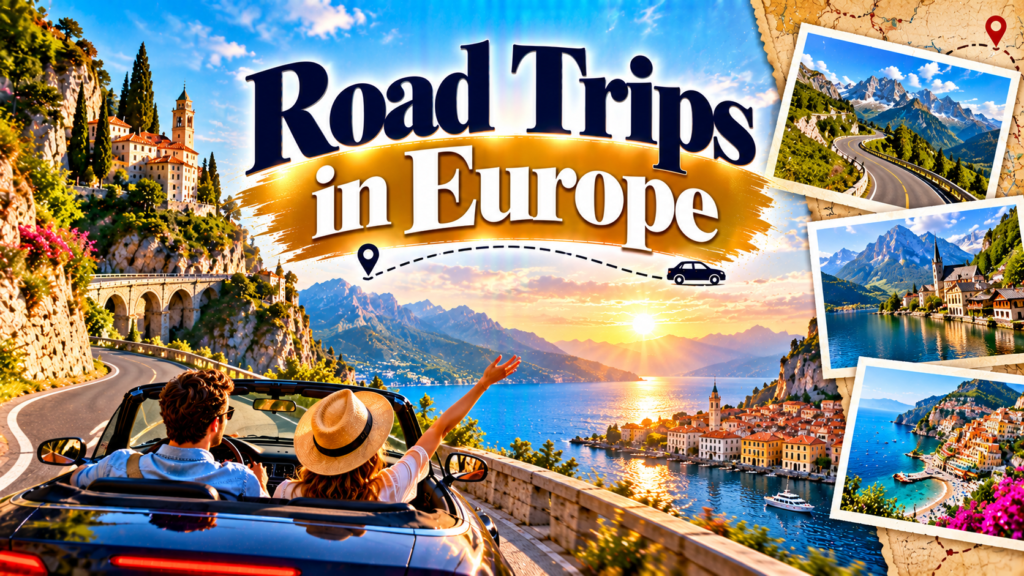
The Amalfi Coast is one of Italy’s most famous travel destinations, known for its colorful seaside villages, dramatic cliffs, turquoise waters, and winding coastal roads. The route between Sorrento, Positano, Amalfi, and Ravello offers breathtaking Mediterranean scenery at almost every turn.
Travelers can explore narrow streets filled with boutique shops, enjoy traditional Italian seafood, and relax at scenic coastal cafés. Positano is especially popular for its pastel-colored buildings, while Amalfi offers historic architecture and a beautiful waterfront.
Top attractions along the route include:
- Positano’s colorful hillside streets and beaches.
- Amalfi Cathedral and the historic town center.
- Ravello’s gardens and panoramic sea views.
- Sorrento’s lemon groves and coastal atmosphere.
Best time to visit: April to June and September to October.
Ideal duration: 2–4 days.
The Amalfi Coast is perfect for couples, photography enthusiasts, and travelers looking for a scenic Italian holiday. However, the roads can be narrow and congested, particularly in summer. Drivers should plan carefully, check parking availability, and consider public transport for some sections of the coast.
2. What Makes the Romantic Road in Germany Worth Exploring?
Germany’s Romantic Road is an excellent choice for travelers interested in medieval architecture, historic towns, castles, and traditional Bavarian culture. Stretching from Würzburg to Füssen, this famous route passes through picturesque countryside and charming towns that appear straight out of a fairy tale.
Rothenburg ob der Tauber is one of the route’s most memorable stops, with preserved medieval walls, cobbled streets, and traditional timber-framed houses. Further south, travelers can explore the Alpine scenery around Füssen and visit Neuschwanstein Castle, one of Germany’s most recognizable landmarks.
Must-visit places include:
- Würzburg’s Residence Palace.
- Rothenburg ob der Tauber’s medieval old town.
- Dinkelsbühl’s historic streets.
- Neuschwanstein Castle near Füssen.
Best time to visit: May to October.
Ideal duration: 3–5 days.
The Romantic Road is particularly suitable for families, history lovers, and first-time visitors to Germany. Its combination of cultural attractions and manageable driving distances makes it one of the best road trips in Europe for a relaxed vacation.
3. Why Should You Experience the North Coast 500 in Scotland?
Scotland’s North Coast 500, often called the NC500, is a spectacular driving route through the northern Highlands. The journey features rugged coastlines, remote beaches, dramatic mountains, historic castles, and peaceful villages.
Beginning and ending in Inverness, the route typically covers approximately 500 miles. Along the way, travelers can discover some of Scotland’s most impressive natural landscapes and experience the country’s distinctive Highland culture.
Highlights include the white sands of Achmelvich Beach, the dramatic cliffs of the northern coast, and the beautiful mountain scenery around Torridon. Visitors may also encounter wildlife, including seals and seabirds.
Top experiences include:
- Exploring the historic streets of Inverness.
- Visiting Dunrobin Castle.
- Photographing remote Highland beaches.
- Enjoying traditional Scottish food in coastal villages.
Best time to visit: May to September.
Ideal duration: 5–7 days.
The North Coast 500 is ideal for adventure seekers, nature lovers, and photographers. Drivers should remember that some roads are narrow single-track routes with passing places. Planning fuel stops, checking weather conditions, and allowing enough time for driving are essential.
4. What Makes the Swiss Alpine Road Trip Unforgettable?
Switzerland is famous for its snow-covered mountains, clear lakes, alpine villages, and exceptionally scenic mountain roads. A Swiss road trip offers travelers the opportunity to explore the dramatic landscapes of the Alps while visiting some of Europe’s most beautiful destinations.
A route connecting Lucerne, Interlaken, Lauterbrunnen, Zermatt’s surrounding region, and Lake Geneva can provide a memorable introduction to Switzerland. However, Zermatt itself is largely car-free, so visitors generally park elsewhere and continue by train.
Travelers can enjoy mountain viewpoints, lakeside walks, traditional Swiss villages, and panoramic journeys through Alpine valleys.
Popular stops include:
- Lucerne’s historic old town and lakeside setting.
- Interlaken’s mountain scenery and outdoor activities.
- Lauterbrunnen’s waterfalls and green valley.
- Montreux’s lakeside promenade.
Best time to visit: June to September for many high-altitude routes.
Ideal duration: 5–7 days.
Switzerland is an excellent destination for couples, families, and outdoor enthusiasts. Mountain roads may close because of snow or weather, even outside winter, so check road conditions before traveling. Also account for Swiss motorway vignette requirements and other driving regulations.
5. Why Is the Atlantic Road in Norway a Must-Visit Route?
Norway’s Atlantic Road is one of Europe’s most distinctive coastal driving experiences. Built across small islands and connected by bridges, this route offers dramatic ocean views and a close-up look at Norway’s rugged western coastline.
The road is relatively short, making it easy to combine with a longer journey through the Norwegian fjords. Travelers can stop at designated viewpoints, watch waves crash against the rocky shoreline during stormy weather, and explore nearby fishing villages.
What can travelers enjoy?
- Driving across the famous curved bridges.
- Photographing the Atlantic coastline.
- Visiting small fishing communities.
- Exploring nearby fjords and coastal landscapes.
Best time to visit: May to September.
Ideal duration: 1–3 days, depending on nearby stops.
The Atlantic Road is particularly appealing to photographers and nature lovers. Strong winds and changing weather can make the experience dramatic, so drivers should pay attention to forecasts and avoid stopping in unsafe locations.
6. What Can You Discover on a Road Trip Through the French Riviera?
The French Riviera, or Côte d’Azur, is one of Europe’s most glamorous coastal regions. Its combination of Mediterranean beaches, elegant towns, historic villages, and scenic seaside roads makes it a favorite destination for summer travelers.
A road trip from Nice through Èze, Monaco, Antibes, and Cannes allows visitors to enjoy different sides of the French Mediterranean. Nice offers a lively old town and famous Promenade des Anglais, while Èze provides beautiful elevated views of the sea.
Monaco is known for its harbor and luxury atmosphere, whereas Antibes offers historic streets and a charming old port.
Best places to explore include:
- Nice’s old town and waterfront.
- Eze’s medieval village.
- Monaco’s harbor and historic district.
- Antibes’ old town and coastal scenery.
- Cannes’ seafront boulevard.
Best time to visit: May to June and September.
Ideal duration: 3–5 days.
This route is ideal for couples, luxury travelers, and beach lovers. Summer traffic can be heavy, so visiting outside peak holiday periods may provide a more relaxed experience.
7. Why Is Portugal’s Algarve Coast Perfect for a Road Trip?
Portugal’s Algarve region is famous for golden beaches, dramatic limestone cliffs, turquoise waters, and charming fishing towns. Its scenic roads make it an excellent destination for travelers seeking sunshine, coastal adventures, and delicious Portuguese cuisine.
A journey from Faro to Lagos and Sagres offers access to beautiful beaches, historic towns, and some of Portugal’s most impressive coastal viewpoints. Lagos is known for its dramatic rock formations, while Sagres offers a rugged landscape at the southwestern edge of mainland Europe.
Top attractions include:
- Faro’s historic old town.
- Lagos and the Ponta da Piedade cliffs.
- Benagil’s famous coastal cave area.
- Sagres Fortress and nearby viewpoints.
Best time to visit: April to June and September to October.
Ideal duration: 3–5 days.
The Algarve is suitable for families, beach enthusiasts, and travelers looking for a relaxed European getaway. Visitors should use designated parking areas and follow local guidance when exploring beaches and coastal caves.
8. What Makes the Croatian Adriatic Coast One of Europe’s Best Drives?
Croatia’s Adriatic Coast combines sparkling blue waters, historic towns, island views, and beautiful seaside roads. It is a wonderful option for travelers who want to combine cultural sightseeing with a Mediterranean-style holiday.
A road trip linking Zadar, Šibenik, Split, and Dubrovnik reveals Croatia’s rich history and coastal beauty. Split is famous for Diocletian’s Palace, while Dubrovnik’s impressive city walls and historic streets attract visitors from around the world.
Travelers can also explore national parks, enjoy local seafood, and take ferries to nearby islands.
Recommended stops include:
- Zadar’s historic center and waterfront.
- Šibenik’s historic architecture.
- Split’s Diocletian’s Palace.
- Dubrovnik’s Old Town.
Best time to visit: May, June, and September.
Ideal duration: 5–7 days.
The Croatian coast is perfect for history enthusiasts, couples, and beach lovers. Remember that island visits may require ferry travel, and some coastal roads become crowded during the summer. Check ferry schedules and border requirements if your itinerary crosses into another country.
9. Why Should You Drive Through Tuscany in Italy?
Tuscany is one of the most beautiful regions in Italy for a countryside road trip. Its rolling hills, vineyards, olive groves, medieval towns, and historic villas create an unforgettable landscape.
A route through Florence, Siena, San Gimignano, and the Val d’Orcia countryside offers a combination of art, architecture, food, and scenic driving. Travelers can stop at local farms, sample regional dishes, and explore villages that preserve centuries-old traditions.
Must-see destinations include:
- Florence’s Renaissance landmarks.
- Siena’s historic Piazza del Campo.
- San Gimignano’s medieval towers.
- Pienza’s historic center and countryside.
- The vineyards and rolling hills of Chianti.
Best time to visit: April to June and September to October.
Ideal duration: 4–6 days.
Tuscany is ideal for food lovers, photographers, and travelers seeking a peaceful holiday. Be careful when driving into historic town centers, where restricted traffic zones may apply. Staying outside these zones and exploring on foot can make the experience easier.
10. What Is Special About the Ring Road in Iceland?
Iceland’s Ring Road, also known as Route 1, circles much of the island and connects many of its most spectacular natural attractions. The journey features waterfalls, glaciers, volcanic landscapes, black-sand beaches, and geothermal areas.
Starting in Reykjavík, travelers can explore the southern coast before continuing east toward glacier lagoons, northern fishing towns, and the landscapes around Lake Mývatn. The full circuit usually requires more time than visitors expect because of sightseeing stops and changing weather.
Top attractions include:
- Seljalandsfoss and Skógafoss waterfalls.
- Reynisfjara’s black-sand beach.
- Jökulsárlón Glacier Lagoon.
- Lake Mývatn’s volcanic landscapes.
- The scenic surroundings of Akureyri.
Best time to visit: June to August for longer daylight hours and generally easier driving conditions.
Ideal duration: 7–10 days or longer.
Iceland is a dream destination for nature lovers and adventure travelers. Conditions can change quickly, so check official road and weather information daily. Some interior Highland roads require suitable four-wheel-drive vehicles and are not part of the ordinary Ring Road route.
11. Why Is the Transfagarasan Highway in Romania So Famous?
Romania’s Transfăgărășan Highway is renowned for its dramatic mountain curves and spectacular views across the Carpathian Mountains. The road winds through high-altitude terrain, offering an exciting experience for travelers who enjoy mountain scenery.
The route passes near Bâlea Lake and offers access to beautiful hiking areas and viewpoints. Its winding design and steep slopes have made it particularly popular with driving enthusiasts and photographers.
What should travelers see?
- Bâlea Lake and its mountain surroundings.
- Panoramic viewpoints along the highway.
- Nearby villages and countryside.
- Historic attractions in the broader Transylvania region.
Best time to visit: Summer and early autumn, depending on road access.
Ideal duration: 2–4 days when combined with nearby destinations.
The Transfagarasan is an excellent option for adventurous travelers. Its high sections are seasonally closed or restricted depending on conditions, so confirm current access before planning your journey.
12. What Makes the Basque Country Road Trip in Spain Unique?
The Basque Country offers a distinctive blend of beautiful coastlines, green hills, historic fishing villages, and exceptional cuisine. Located in northern Spain, the region provides a refreshing alternative to the country’s more crowded Mediterranean destinations.
A road trip between Bilbao, San Sebastián, and coastal towns such as Getaria and Zarautz allows visitors to explore cultural landmarks, seaside promenades, and local food markets.
San Sebastián is particularly famous for its culinary scene, including pintxos, the region’s popular small bites. Bilbao offers the Guggenheim Museum and a vibrant urban atmosphere.
Highlights include:
- Bilbao’s Guggenheim Museum.
- San Sebastián’s La Concha Beach.
- Getaria’s traditional fishing-town atmosphere.
- Scenic coastal viewpoints and green countryside.
Best time to visit: May to September.
Ideal duration: 3–5 days.
The Basque Country is perfect for food lovers, culture enthusiasts, and travelers who enjoy combining coastal scenery with city exploration.
13. Why Should You Explore the Dalmatian Islands and Coast by Car?
Croatia’s Dalmatian region is particularly appealing to travelers who want to combine a road trip with island exploration. The mainland offers scenic coastal drives, historic towns, and access to ferry ports serving islands such as Hvar and Brač.
A route through Split and the surrounding coastal region allows visitors to experience Roman heritage, traditional villages, beaches, and Mediterranean cuisine. Travelers can leave their vehicles at designated parking areas and use ferries or passenger boats to explore selected islands.
Experiences worth considering include:
- Exploring Split’s historic center.
- Visiting coastal towns along the Adriatic.
- Taking a ferry to Hvar or Brač.
- Enjoying local seafood and waterfront cafés.
Best time to visit: May to June and September.
Ideal duration: 4–7 days.
This is an excellent road trip for travelers who enjoy beaches, culture, and relaxed seaside experiences. Because island transportation requires additional planning, confirm vehicle ferry availability and accommodation before traveling in peak season.
14. What Can You Experience on a Road Trip Through the Austrian Alps?
Austria is home to beautiful mountain villages, alpine lakes, historic cities, and spectacular scenic roads. A road trip through the Austrian Alps allows visitors to experience traditional architecture, mountain viewpoints, and outdoor adventures.
One of the best-known routes is the Grossglockner High Alpine Road, which provides access to dramatic mountain landscapes and panoramic viewpoints during its seasonal opening period.
Travelers can combine this route with visits to Salzburg, Zell am See, and nearby alpine communities.
Top attractions include:
- Salzburg’s historic old town.
- Zell am See’s lakeside scenery.
- Grossglockner High Alpine Road viewpoints.
- Alpine villages and mountain hiking areas.
Best time to visit: June to September for many high-altitude roads.
Ideal duration: 4–6 days.
Austria is suitable for families, couples, and outdoor enthusiasts. Check seasonal road openings, toll charges, and motorway vignette requirements before setting off.
15. Why Is the Garden Route in Slovenia Worth Discovering?
Slovenia may be smaller than many European countries, but it offers an impressive variety of landscapes, including Alpine mountains, turquoise rivers, forests, and charming towns. Its manageable size makes it a rewarding destination for a shorter European road trip.
A route connecting Ljubljana, Lake Bled, Lake Bohinj, and the Soča Valley offers beautiful scenery and opportunities for outdoor activities. Visitors can explore Ljubljana’s riverside cafés, photograph Lake Bled’s island church, and enjoy the emerald-colored waters of the Soča River.
Places to visit include:
- Ljubljana’s historic center.
- Lake Bled and its panoramic viewpoints.
- Lake Bohinj in Triglav National Park.
- The Soča Valley’s scenic landscapes.
Best time to visit: May to September.
Ideal duration: 3–5 days.
Slovenia is ideal for nature lovers, photographers, and travelers seeking a peaceful escape. The country’s smaller size makes it possible to combine mountain scenery, cultural attractions, and lakeside relaxation in one itinerary.
When Is the Best Time to Plan a Road Trip in Europe?
The best time for a European road trip depends on the destination, weather conditions, personal preferences, and budget. Spring, summer, and early autumn each offer different advantages.
Which Season Is Best for European Driving Holidays?
Spring (March to May): Spring brings blooming flowers, green landscapes, and fewer visitors at many destinations. It is a good time to explore Tuscany, the French Riviera, and parts of southern Europe. However, high mountain roads may remain closed because of snow.
Summer (June to August): Summer is popular for Alpine routes, Scotland’s Highlands, Norway’s coastal roads, and Iceland’s Ring Road. Longer daylight hours provide more time for sightseeing, although accommodation prices and traffic can increase.
Autumn (September to November): Early autumn offers attractive scenery, pleasant temperatures in many regions, and fewer crowds than peak summer. Tuscany, Croatia, Portugal, and southern France are particularly appealing during September and October.
Winter (December to February): Winter road trips can be beautiful, especially in regions with festive markets and snowy landscapes. However, snow, ice, limited daylight, and seasonal closures require additional preparation. Travelers should choose suitable routes and check winter equipment regulations.
How Can You Plan a Budget-Friendly Road Trip in Europe?
A European road trip can be affordable if you plan carefully and understand the main expenses. Fuel, accommodation, tolls, parking, food, rental vehicles, and insurance can significantly affect your overall budget.
Here are practical ways to save money:
- Book accommodation early: Reserve hotels, guesthouses, or campsites before popular travel periods.
- Travel during shoulder season: Consider April, May, September, or October, depending on your destination.
- Compare rental car prices: Check mileage limits, insurance coverage, fuel policies, and cross-border restrictions before booking.
- Plan fuel stops: Compare prices and avoid unnecessary detours.
- Prepare some meals: Grocery shopping and picnic lunches can reduce restaurant expenses.
- Check road charges: Research toll roads, congestion charges, and motorway vignette requirements.
- Choose free attractions: Beaches, public viewpoints, walking trails, and historic neighborhoods can offer memorable experiences without expensive entry fees.
- Avoid unnecessary driving: Group attractions by region to reduce fuel costs and travel time.
Travelers should also check whether their rental agreement permits driving across international borders. Some rental companies impose additional fees or restrictions.
What Should You Know Before Driving in Europe?
Driving across Europe can be straightforward with preparation, but regulations differ between countries. Travelers should understand local driving laws before beginning their journey.
Which Documents Are Required for a European Road Trip?
Depending on your nationality, country of residence, and rental arrangements, you may need:
- A valid driving licence accepted in the destination country.
- An International Driving Permit when required.
- A passport and relevant travel documents.
- Rental car documents and insurance information.
- Vehicle registration and proof of insurance, where applicable.
- Required motorway vignettes or road-use permits.
Always verify the requirements with the relevant national authorities and your rental provider.
Are European Roads Easy for Tourists to Navigate?
Most major European routes are well signposted, and navigation apps make it easier to find attractions, accommodation, and fuel stations. However, historic city centers may feature restricted driving zones, narrow streets, and limited parking.
Mountain roads can be steep and winding, while rural routes may have limited lighting or services. In some countries, road rules include specific requirements for winter tyres, safety equipment, or reflective vests.
Before driving, familiarize yourself with speed limits, parking regulations, right-of-way rules, and local traffic signs. Never assume that regulations are identical across borders.
Should You Rent a Car or Use Your Own Vehicle?
Renting a car is often convenient for international visitors who want to explore several destinations without bringing their own vehicle. It can also provide flexibility when selecting vehicle size, transmission type, and luggage capacity.
Driving your own car may be practical for residents or travelers beginning their journey within Europe, but international vehicle insurance, registration rules, and cross-border requirements should be checked in advance.
Choose a vehicle that suits your itinerary. A compact car is often easier to park in historic towns, while a suitable larger vehicle may be useful for families carrying substantial luggage.
Which European Road Trips Are Best for Different Travelers?
The ideal route depends on what you want to experience during your holiday.
- For couples: The Amalfi Coast, Tuscany, and the French Riviera offer romantic scenery, excellent dining, and beautiful accommodation.
- For families: Germany’s Romantic Road, Slovenia, and selected Austrian routes provide cultural attractions, nature, and manageable itineraries.
- For adventure seekers: Iceland’s Ring Road, Scotland’s North Coast 500, and the Austrian Alps offer dramatic scenery and outdoor activities.
- For beach lovers: Portugal’s Algarve and Croatia’s Adriatic Coast combine coastal drives with swimming, seaside towns, and waterfront dining.
- For photographers: Norway’s Atlantic Road, the Swiss Alps, and Iceland provide striking landscapes and exceptional viewpoints.
- For history enthusiasts: Germany’s Romantic Road, Tuscany, and Croatia offer historic cities, castles, and cultural landmarks.
- For food lovers: Tuscany, the Basque Country, and the French Riviera are excellent choices for regional cuisine and memorable dining experiences.
How Many Days Do You Need for a European Road Trip?
The time required depends on the distance, the number of destinations, and the activities you want to include. Shorter routes can be explored over a long weekend, while longer journeys may require a week or more.
For a two- or three-day trip, consider Tuscany, the Algarve, or a section of the French Riviera. For a five- to seven-day holiday, the Romantic Road, the Croatian coast, or the Scottish Highlands can provide a more immersive experience.
Iceland’s Ring Road generally deserves at least seven to ten days, and additional time allows for hiking, photography, and weather-related changes.
A useful planning principle is to avoid driving long distances every day. Allow time for meals, scenic stops, unexpected delays, and spontaneous discoveries. A slower itinerary often creates a more enjoyable travel experience than attempting to cover too many places.
What Are the Best Tips for a Safe and Memorable European Road Trip?
A successful road trip depends on balancing preparation with flexibility. Planning the essential details in advance can help you enjoy the journey without unnecessary stress.
Keep these recommendations in mind:
- Research your route: Identify major attractions, alternative roads, fuel stations, and overnight stops.
- Check local driving regulations: Review speed limits, toll systems, insurance requirements, and cross-border rules.
- Book important accommodation: Reserve rooms early in popular destinations and during major events.
- Travel with essential supplies: Carry water, snacks, a phone charger, and suitable clothing.
- Monitor weather conditions: Mountain passes and coastal roads can be affected by rapidly changing weather.
- Take regular breaks: Avoid fatigue by sharing driving responsibilities where possible and stopping when needed.
- Keep valuables secure: Use designated parking areas and avoid leaving luggage visible inside the vehicle.
- Allow extra time: Traffic, roadworks, and sightseeing stops can extend travel times.
- Respect local communities: Follow parking rules, protect natural environments, and observe restrictions in residential areas.
- Keep a flexible itinerary: Leave room for unexpected viewpoints, small villages, and memorable local experiences.
Why Should You Add a European Road Trip to Your Travel Bucket List?
The best road trips in Europe offer much more than beautiful roads. They provide opportunities to discover different cultures, taste regional food, explore historic towns, and experience landscapes that change dramatically from one region to another.
From the Mediterranean coastlines of Italy and Portugal to the rugged Highlands of Scotland and the breathtaking mountains of Switzerland, every journey offers its own character and appeal. Some routes are ideal for relaxed beach holidays, while others are designed for outdoor adventures, cultural exploration, or scenic photography.
The key to a successful European road trip is choosing a route that matches your interests, traveling at a comfortable pace, and preparing for local driving conditions. With thoughtful planning, even a short journey can become a memorable holiday filled with remarkable views and unique experiences.
Whether you prefer winding mountain passes, peaceful countryside roads, charming medieval towns, or spectacular coastal highways, Europe has a road trip waiting to be explored. Start with one region, plan a realistic itinerary, and enjoy the freedom of discovering Europe one road at a time.
Read More – European Businesses Leading Innovation Ultimate Guide