
Who Are the European Artists Who Became Global Icons?
Europe has played an extraordinary role in the history of art, music, fashion, film and popular culture. Across centuries, European artists have created works that moved beyond national borders and became part of global culture. From Renaissance masters who transformed the way people understood human creativity to modern musicians and contemporary artists who command worldwide audiences, Europe has produced some of the most recognizable creative figures in history.
When we talk about European artists who became global icons, we are not simply talking about people who achieved fame. A global icon is an artist whose work, personality, style or cultural influence continues to be recognized internationally. Their creations may be displayed in museums, played on streaming platforms, discussed in universities, reproduced in popular culture or referenced by new generations of creators.
Artists such as Leonardo da Vinci, Vincent van Gogh, Pablo Picasso and Claude Monet changed the visual arts. Musicians such as The Beatles, David Bowie and Adele transformed popular music and developed audiences far beyond Europe. Contemporary figures such as Banksy have demonstrated how art can become a global conversation about society, politics and everyday life.
What makes these European artists particularly fascinating is that many of them were initially connected to a specific European city, country or artistic movement. Yet their influence eventually crossed borders, languages and cultures.
Why Has Europe Produced So Many Globally Recognized Artists?
Europe has a long and complex cultural history that has encouraged artistic experimentation. Cities such as Florence, Paris, London, Berlin, Vienna, Madrid and Amsterdam became important centers for art, music, literature and design at different points in history.
The development of universities, academies, galleries, theaters, publishing industries, music venues and cultural institutions gave artists opportunities to develop their skills and reach audiences. Royal courts and wealthy patrons also played an important role in supporting artists during earlier periods.
The growth of international travel and communication further expanded European cultural influence. Later, photography, cinema, radio, television, recorded music and the internet made it possible for European artists to reach audiences around the world.

Several factors helped European artists achieve international recognition:
- Long-established artistic traditions
- Major museums and cultural institutions
- International art markets
- Strong music and entertainment industries
- European fashion and design centers
- Cultural exchange between countries
- Advances in printing, photography and mass media
- Global tourism and education
- Digital platforms and social media
However, infrastructure alone cannot explain global artistic influence. The artists themselves created something distinctive enough to remain relevant long after their original time.
How Did Leonardo da Vinci Become a Global Art Icon?
Leonardo da Vinci is one of the clearest examples of a European artist whose reputation became truly global. Born in Italy in 1452, Leonardo was not only a painter but also an inventor, scientist, engineer, architect and researcher.
His artistic legacy is strongly associated with masterpieces such as the Mona Lisa and The Last Supper. The Mona Lisa, in particular, has become one of the most recognizable artworks in the world.
Leonardo’s importance comes partly from his approach to observation. He studied anatomy, nature, movement, light and human expression in extraordinary detail. His notebooks demonstrate an intense curiosity about how the world worked.
The global fascination with Leonardo has continued for centuries because his life represents the ideal of the Renaissance individual—someone who combined art, science and intellectual curiosity.
Today, Leonardo’s name is recognized far beyond the traditional art world. His paintings appear in books, documentaries, films, educational materials and popular culture, making him one of the most enduring European art icons.
Why Is Vincent van Gogh Considered One of the Most Influential European Artists?
Vincent van Gogh is another European artist whose influence has become much larger than his commercial success during his lifetime. Born in the Netherlands in 1853, van Gogh created approximately 900 paintings and many drawings during his relatively short artistic career.
His distinctive use of color, expressive brushwork and emotional intensity made his work fundamentally different from traditional academic painting.
Among his best-known works are The Starry Night, Sunflowers and his numerous self-portraits. His paintings have become cultural symbols as much as works of fine art.
What makes van Gogh particularly important is the way his art communicates emotion. His paintings often feel energetic and personal, encouraging viewers to experience rather than simply observe the scene.
Although van Gogh did not achieve widespread fame during his lifetime, his reputation grew dramatically after his death. Today, his work is reproduced on everything from posters and books to clothing and home décor.
His story also demonstrates an important reality about artistic success: global recognition does not always happen during an artist’s lifetime.
How Did Pablo Picasso Change Modern Art?
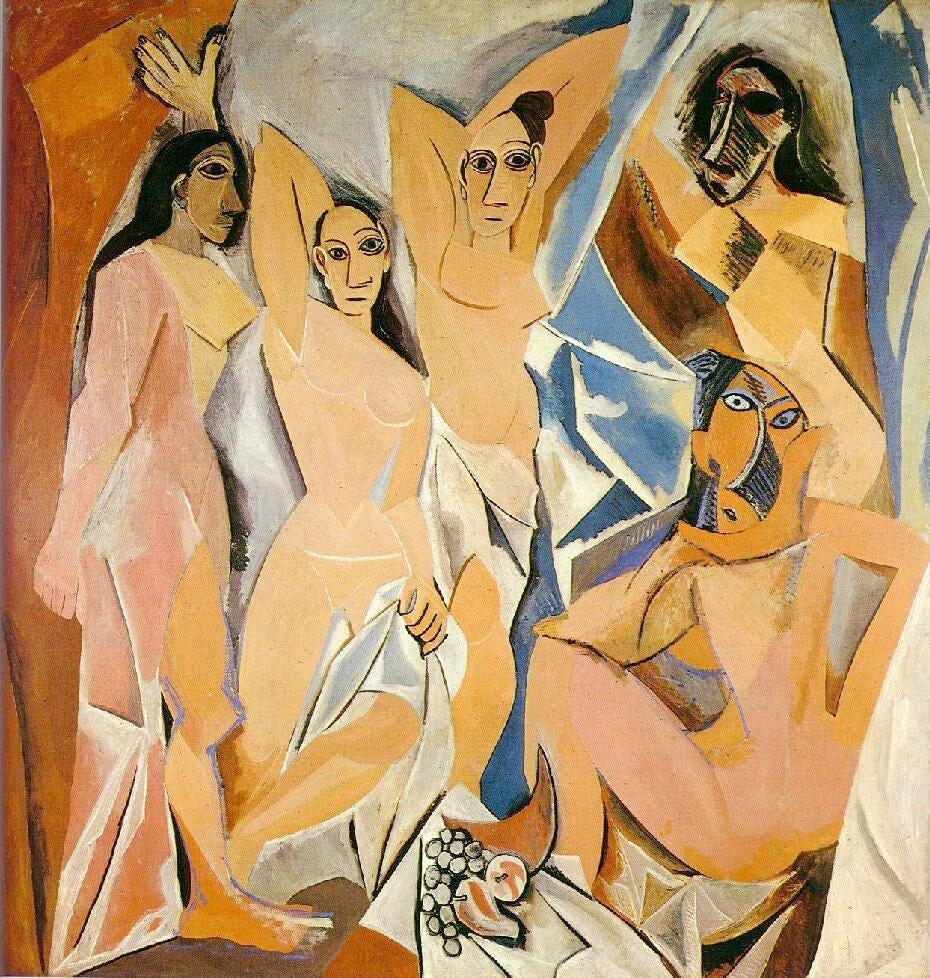
Pablo Picasso was born in Spain in 1881 and became one of the most influential artists of the 20th century. His career crossed multiple artistic periods, and his experimentation helped redefine modern art.
Picasso is especially associated with Cubism, a movement that challenged conventional approaches to perspective and representation. Instead of presenting objects from a single viewpoint, Cubist artists explored multiple perspectives and fragmented forms.
His painting Guernica became one of the most powerful artistic responses to the horrors of war. Beyond its visual impact, the work demonstrated how art could become a vehicle for political and humanitarian expression.
Picasso’s influence extended beyond painting into sculpture, ceramics, printmaking and other creative fields. His name eventually became synonymous with artistic experimentation.
Why does Picasso remain globally relevant? One reason is his willingness to reinvent himself. Rather than remaining attached to one recognizable style, he continually explored new ideas.
For aspiring artists, Picasso’s career offers a valuable lesson: innovation often comes from questioning established rules.
Why Did Claude Monet Become a Symbol of Impressionism?
French painter Claude Monet became one of the defining figures of Impressionism. His approach emphasized light, atmosphere, color and the changing appearance of a scene rather than highly detailed traditional representation.
The Impressionist movement transformed European painting by encouraging artists to work outdoors and capture everyday experiences, landscapes and changing natural conditions.
Monet’s Water Lilies series is among the most recognizable bodies of work associated with Impressionism. Instead of creating one definitive representation of a subject, Monet repeatedly painted similar scenes under different lighting and atmospheric conditions.
His approach influenced generations of artists and helped establish Impressionism as one of the most popular movements in art history.
Today, Monet’s paintings attract millions of viewers through major museums and exhibitions around the world.
How Did The Beatles Become Global Cultural Icons?
European artistic influence is not limited to painters. Music has also produced some of Europe’s most powerful global cultural icons.
The Beatles, formed in Liverpool, England, became one of the most influential music groups in modern history. John Lennon, Paul McCartney, George Harrison and Ringo Starr transformed popular music during the 1960s.
Their appeal extended far beyond Britain. Their songwriting, studio experimentation, fashion and public image influenced musicians and popular culture across continents.
Songs such as Yesterday, Let It Be and Hey Jude remain familiar to audiences decades after their original release.
The Beatles also changed the relationship between artists and their audiences. European artists worldwide popularity demonstrated the enormous cultural power of recorded music, television and international touring.
Their legacy can still be seen in contemporary songwriting, album production, band culture and popular entertainment.
Why Is David Bowie Considered a European Global Icon?
British musician David Bowie became globally famous not simply because of his music but because he continually reinvented his identity and artistic presentation.
Throughout his career, Bowie experimented with rock, electronic music, soul, pop and other genres. His visual identity was equally important. Characters such as Ziggy Stardust demonstrated how music, fashion, performance and storytelling could merge into one artistic experience.
Bowie challenged traditional ideas about celebrity and identity. He showed that an artist could change dramatically without losing cultural relevance.
His influence can be seen across music, fashion, visual arts and performance. Contemporary musicians continue to draw inspiration from his willingness to experiment.
Bowie’s career demonstrates that being a global icon is often about more than producing successful work. It can also involve creating a distinctive artistic universe.
How Did Banksy Turn Street Art Into a Global Phenomenon?
Banksy represents a very different generation of European artists who became global icons. The anonymous British street artist became internationally recognized through politically charged and often humorous stencil artworks.
Unlike traditional artists whose work is primarily associated with galleries and museums, Banksy’s art frequently appears in public spaces. His works address topics such as war, consumerism, inequality, migration and political power.
The mystery surrounding Banksy’s identity has also contributed to his cultural influence. By maintaining anonymity, the artist has created a fascinating contrast with the celebrity-driven nature of contemporary culture.
Banksy’s work demonstrates how street art can move from local walls into international discussions. Images of his works are shared globally, reproduced in media and analyzed by art enthusiasts.
His career also raises interesting questions about ownership, public art and commercialization. When street art becomes valuable, what happens to the original relationship between the artwork and its public environment?
These questions are part of what makes contemporary European art so dynamic.
Which European Fashion Artists Became Global Icons?
European influence extends deeply into fashion, where designers have transformed clothing into a form of artistic expression.
Paris, Milan, London and other European cities have long been central to the global fashion industry. Designers have influenced everything from haute couture and luxury branding to streetwear and everyday style.
Names such as Coco Chanel, Yves Saint Laurent, Alexander McQueen and Giorgio Armani became internationally recognized because they created distinctive design philosophies.
Coco Chanel, in particular, transformed women’s fashion through ideas that emphasized simplicity, practicality and elegance. Her influence continues to shape luxury fashion.
Alexander McQueen became known for combining dramatic presentation, tailoring and artistic storytelling. His fashion shows often felt more like theatrical performances than conventional commercial events.
European fashion icons demonstrate that artistic influence does not have to come from traditional paintings or sculptures. Clothing, architecture, photography and design can also become powerful creative languages.
How Did European Artists Influence Global Popular Culture?
The influence of European artists can be seen far beyond galleries and concert halls. Their ideas have entered advertising, cinema, fashion, education, interior design, social media and entertainment.
A famous European artwork may be referenced in a film. A musician’s fashion may inspire a new generation. A designer’s aesthetic may become part of everyday clothing. A street artist’s visual language may influence advertising campaigns.
This cultural crossover is one of the most important characteristics of global artistic influence.
European artists have contributed to global culture through:
- Visual art and painting
- Music and songwriting
- Fashion and design
- Photography
- Architecture
- Cinema
- Street art
- Performance
- Illustration
- Digital creativity
Their work often becomes a shared cultural vocabulary that people can recognize even without knowing the complete history behind it.
What Can Modern Artists Learn From European Global Icons?
The careers of famous European artists provide valuable lessons for contemporary creators.
1. Develop a Distinctive Voice
Global icons are rarely remembered simply because they were technically skilled. They developed recognizable creative identities.
2. Experiment With New Ideas
Picasso changed styles, Bowie reinvented his music and Banksy challenged conventional ideas about where art belongs. Experimentation can help artists remain creatively relevant.
3. Understand the Power of Storytelling
An artwork becomes more memorable when it connects with human emotions, experiences or social questions.
4. Do Not Fear Change
Many influential European artists changed throughout their careers. Artistic evolution can be a strength rather than a weakness.
5. Connect With Society
Some of the most powerful artistic works reflect the world around them. Art can respond to political, cultural and social developments.
6. Think Beyond Borders
The internet has made international audiences more accessible than ever. Artists today can share their work globally without necessarily depending on traditional institutions.
Why Do European Artists Continue to Matter Today?
The lasting influence of European artists comes from their ability to communicate ideas that remain meaningful across generations.
Human emotions, beauty, conflict, identity, freedom, nature and creativity are not limited by national borders. A painting created hundreds of years ago can still inspire someone today because its central ideas remain understandable.
Technology has also made historic art more accessible. People can explore museum collections, listen to classic music and learn about famous artists through digital platforms without traveling to Europe.
At the same time, contemporary European artists continue to create new forms of cultural expression. Digital art, street art, experimental fashion, independent music and multimedia installations are expanding the definition of what it means to be an artist.
This combination of historical legacy and contemporary creativity keeps Europe important in the global cultural landscape.
Are European Artists Still Creating Global Icons Today?
Yes. The concept of the global artistic icon is changing, however.
In the past, an artist might become internationally famous through museums, record companies, galleries, newspapers and television. Today, social media, streaming platforms, online exhibitions and digital communities can rapidly introduce an artist to millions of people.
This means emerging European artists have opportunities that previous generations never had.
A young painter can showcase work internationally through digital platforms. A musician can reach listeners around the world without signing with a major record label. A fashion designer can build an international following through social media.
The challenge is no longer simply reaching an audience. It is creating work distinctive enough to remain memorable in an extremely crowded global creative environment.
What Makes an Artist a True Global Icon?
Fame alone does not necessarily create an icon. A global icon usually combines several qualities.
First, the artist creates work that is recognizable. Second, the work influences other creators. Third, the artist’s ideas remain relevant over time. Finally, the artist becomes part of wider cultural conversations.
The most successful European artists who became global icons achieved influence through different paths. Leonardo da Vinci represented Renaissance curiosity. Van Gogh became associated with emotional expression. Picasso represented artistic experimentation. Monet transformed perceptions of light and landscape. The Beatles reshaped popular music. Bowie demonstrated the power of reinvention. Banksy showed how street art could become a global cultural conversation.
Their styles are very different, but their impact shares one important characteristic: they changed the way people experienced creativity.
Why Will the Legacy of European Artists Continue?
The legacy of European artists is unlikely to disappear because their work has become embedded in global culture.
Museums continue to exhibit their creations. Schools teach their contributions. Musicians reinterpret their ideas. Designers reference their visual language. Filmmakers tell their stories. Digital creators introduce their work to new audiences.
Perhaps most importantly, each generation discovers these European artists differently.
A teenager might encounter Van Gogh through a social media post. A student might discover Picasso through an art history class. A music fan might hear The Beatles through a streaming playlist. A fashion enthusiast might discover Chanel through contemporary design.
The technology and platforms may change, but the fundamental appeal of creative expression remains.
Which European Artists Have Had the Greatest Global Impact?
There is no single definitive ranking because artistic influence is difficult to measure. Different European artists transformed different fields and periods.
However, several names consistently stand out when discussing European cultural influence:
- Leonardo da Vinci — Renaissance art and interdisciplinary creativity
- Vincent van Gogh — Post-Impressionist expression and emotional painting
- Pablo Picasso — Modern art and Cubism
- Claude Monet — Impressionism and landscape painting
- The Beatles — Popular music and global youth culture
- David Bowie — Music, fashion and artistic reinvention
- Coco Chanel — Fashion and modern luxury
- Alexander McQueen — Fashion, theatricality and design
- Banksy — Contemporary street art and social commentary
This list is only a starting point. Europe has produced thousands of European artists whose contributions deserve recognition.
What Is the Lasting Lesson From European Artists Who Became Global Icons?
The history of European artists who became global icons shows that creativity can cross every kind of boundary. Language, nationality, geography and time do not necessarily limit the power of an artistic idea.
The most influential European artists did not all follow the same path. Some worked within traditional institutions, while others challenged them. Some became famous during their lifetimes, while others achieved recognition only after their deaths. Some created paintings, others wrote songs, designed clothing or transformed public spaces.
What connects them is their ability to create something that people remember.
Their stories remind us that art is not simply about producing beautiful objects or entertaining audiences. Art can challenge assumptions, capture emotions, document history, question society and inspire future generations.
For Europe, this artistic legacy remains one of its greatest cultural strengths. From Renaissance masterpieces and Impressionist landscapes to groundbreaking music, fashion and contemporary street art, European creativity continues to shape the global cultural conversation.
And as new generations of European creators emerge, the next global icon may already be creating something that will define the culture of tomorrow.
Read More – Europe Immigration Guide