
What Makes Life in Small European Towns So Special?
Life in small European towns offers a unique combination of peaceful surroundings, historic beauty, cultural traditions, and strong community connections. While major European cities such as Paris, London, Rome, and Berlin attract millions of visitors with their famous landmarks and modern attractions, smaller towns reveal another side of Europe that is equally fascinating. They offer charming streets, traditional architecture, welcoming communities, local markets, beautiful landscapes, and a slower pace of everyday life.
Across Europe, small towns preserve centuries-old customs while adapting to modern lifestyles. From picturesque villages in the Italian countryside to historic towns in Germany, France, Austria, Portugal, and Switzerland, each destination has its own identity and character. Residents often enjoy close relationships with neighbours, access to local products, outdoor activities, and a lifestyle connected to nature.
But what is everyday life really like in these places? Why do people dream of living in small European towns? And how do these communities balance tradition with modern development? Exploring these questions helps us understand why small-town living remains an important part of Europe’s cultural identity.
1. Why Do People Love Living in Small European Towns?
People are increasingly attracted to small European towns because they offer a lifestyle that can feel more relaxed and community-oriented than life in large metropolitan areas. Instead of dealing with constant traffic, crowded public spaces, and busy schedules, residents may enjoy quieter neighborhoods, familiar faces, and a stronger connection with their surroundings.
Small towns also provide opportunities to experience local culture in everyday life. Residents can visit traditional bakeries, shop at family-owned businesses, attend community celebrations, and explore historic streets without travelling long distances.
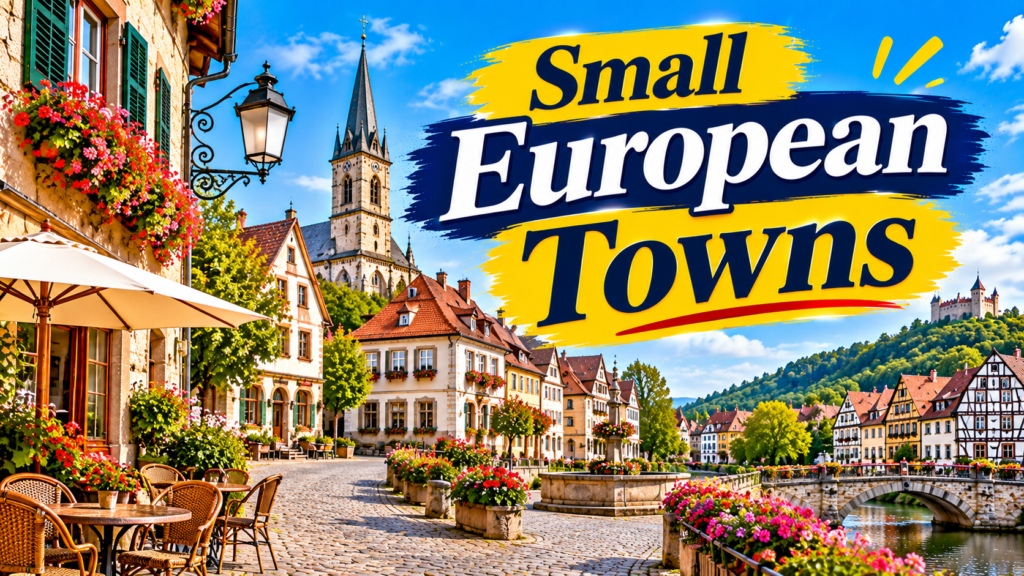
Some of the biggest attractions of small-town living include:
- A quieter and potentially less stressful daily routine.
- Greater opportunities to develop relationships with neighbours.
- Access to beautiful countryside and natural landscapes.
- Traditional food, architecture, and cultural experiences.
- Local festivals and community activities.
- Opportunities to enjoy walking, cycling, and outdoor recreation.
However, the experience differs considerably depending on the country, town, employment opportunities, and available services.
2. What Is Everyday Life Like in a Typical European Small Town?
Everyday life in a small European town often revolves around familiar routines, local businesses, community spaces, and neighbourhood activities. Mornings may begin with residents visiting a nearby café, buying fresh bread from a bakery, or walking to work through historic streets.
Local markets are important gathering places in many towns. People purchase seasonal vegetables, fruits, cheese, bread, flowers, and other everyday products while catching up with friends and neighbours.
Afternoons may be quieter, particularly in some Mediterranean communities where businesses observe longer lunch breaks. In northern and central Europe, daily schedules may follow different patterns, with shops and public services operating according to local working hours.
Evenings often bring residents together in public squares, parks, restaurants, and community spaces. Families enjoy walks, friends meet for coffee, and children participate in sports or other recreational activities.
Although every town has its own rhythm, everyday life often reflects a balance between personal routines and community traditions.
3. How Does Architecture Shape the Beauty of Small European Towns?
One of the most attractive features of small European towns is their architecture. Many settlements preserve historic buildings, narrow streets, colourful houses, stone bridges, medieval squares, and traditional churches that reflect their regional history.
Architecture creates a strong sense of identity and connects residents with generations that lived in the same places centuries earlier.
Different European countries offer distinctive architectural experiences:
- Italy: Stone houses, terracotta rooftops, historic piazzas, and charming medieval streets.
- France: Traditional stone cottages, elegant town squares, and historic marketplaces.
- Germany: Half-timbered houses, cobbled streets, and colourful medieval buildings.
- Austria: Alpine architecture, traditional wooden balconies, and beautiful historic centres.
- Portugal: Colourful tiled buildings, narrow streets, and traditional houses.
- Spain: Whitewashed buildings, decorative balconies, and historic plazas.
- Switzerland: Wooden chalets, flower-filled balconies, and mountain-inspired architecture.
Preserving these architectural traditions allows small towns to maintain their cultural character while attracting visitors interested in European history and heritage.
4. Is Life in Small European Towns More Peaceful Than in Big Cities?
For many people, one of the greatest advantages of small-town living is the possibility of enjoying a quieter environment. Compared with busy metropolitan centres, smaller towns may have less traffic, fewer crowded public spaces, and a more relaxed atmosphere.
Residents can often enjoy outdoor spaces, walk through historic neighbourhoods, and spend time in parks or countryside areas. The absence of constant urban noise can make everyday routines feel more comfortable.
However, peaceful living does not necessarily mean that everything is convenient. Smaller towns may have fewer entertainment venues, limited shopping options, and reduced access to certain professional services.
The lifestyle also depends on the town’s popularity. Tourist destinations can become crowded during summer holidays, festivals, and peak travel seasons.
Therefore, small European towns can offer a peaceful alternative to large cities, but the quality of life depends on individual preferences and local conditions.
5. What Role Do Local Markets Play in European Small-Town Culture?
Local markets are an important part of everyday life in many European towns. They are more than places to purchase food and household products; they are social spaces where residents meet, exchange information, and maintain long-standing community relationships.
Traditional markets often feature locally grown vegetables, seasonal fruits, handmade products, fresh flowers, regional cheeses, baked goods, and speciality foods.
Shopping at these markets also allows people to support independent producers and family-owned businesses.
Some common features of European local markets include:
- Fresh and seasonal agricultural products.
- Traditional regional food specialities.
- Handmade crafts and locally produced goods.
- Friendly conversations between sellers and customers.
- Weekly market days that bring communities together.
- Seasonal celebrations and food festivals.
For visitors, local markets provide an opportunity to understand regional food culture and experience the everyday character of a destination.
6. How Important Is Community Life in Small European Towns?
Community life is one of the defining characteristics of many small European towns. Residents often develop relationships through schools, neighbourhood associations, cultural organisations, sports clubs, religious institutions, and local events.
In some communities, people know their neighbours personally and regularly participate in shared activities. Local celebrations, charity events, village gatherings, and traditional festivals create opportunities for different generations to interact.
Children may grow up attending the same schools and participating in local sports clubs, while older residents contribute knowledge about local history, customs, and traditions.
However, close communities can also have challenges. New residents may need time to build relationships, particularly in places where local networks have existed for generations. Language differences and cultural expectations can also influence social integration.
Despite these challenges, community connections remain an important reason why many people appreciate small-town living.
7. What Traditional Foods Can You Experience in Small European Towns?
Food is an essential part of the cultural identity of small European towns. Each region has its own ingredients, recipes, cooking techniques, and food traditions, many of which have been passed down through generations.
Unlike international restaurant chains, traditional local restaurants and family-owned cafés often focus on regional specialities.
Some examples include:
- Italy: Fresh pasta, risotto, local cheeses, olive oil, and traditional breads.
- France: Artisan bread, regional cheeses, pastries, and countryside dishes.
- Germany: Sausages, pretzels, potato dishes, and regional baked goods.
- Spain: Tapas, regional rice dishes, olive-based foods, and traditional desserts.
- Portugal: Fresh seafood, traditional soups, pastries, and regional specialities.
- Greece: Olive oil-based dishes, grilled vegetables, seafood, and traditional pastries.
- Austria: Apple strudel, schnitzel, traditional cakes, and hearty regional meals.
Seasonal food celebrations also help preserve culinary heritage. Visiting local food festivals or traditional restaurants can provide a deeper understanding of Europe’s regional diversity.
8. Are Small European Towns Good Places for Families?
Small European towns can be attractive places for families because many offer residential neighbourhoods, public parks, local schools, recreational facilities, and community activities.
Children may have opportunities to participate in outdoor activities, sports clubs, cultural programmes, and neighbourhood events. Smaller communities can also make it easier for families to develop social connections.
Some towns provide access to excellent educational institutions, healthcare facilities, and public transportation. However, services vary considerably, and families should research the availability of schools, childcare, hospitals, and specialist medical services before relocating.
Important factors families should consider include:
- Quality and availability of local schools.
- Access to healthcare and emergency services.
- Safe walking routes and recreational spaces.
- Public transport and connectivity.
- Housing costs and family accommodation.
- Employment opportunities for parents.
- Language and cultural integration.
A small European town can provide a rewarding family lifestyle when its facilities and opportunities match a family’s needs.
9. How Do Small European Towns Preserve Their Cultural Traditions?
Cultural traditions remain visible throughout everyday life in many European towns. Historic festivals, traditional clothing, folk music, regional dances, handicrafts, religious celebrations, and seasonal events help preserve local identities.
Many communities organise annual celebrations that bring residents and visitors together. These events may include traditional food, music performances, craft exhibitions, historical reenactments, and local sporting activities.
Cultural preservation also happens through everyday practices, including:
- Teaching traditional recipes to younger generations.
- Maintaining historic buildings and monuments.
- Supporting local artists and craftspeople.
- Organising traditional music and dance events.
- Preserving regional languages and dialects.
- Celebrating local holidays and seasonal festivals.
These traditions help smaller towns maintain their cultural uniqueness in an increasingly connected world.
10. What Are the Best Small European Towns to Experience Traditional European Living?
Europe has thousands of small towns with distinctive cultural, historical, and natural attractions. Some are known for medieval architecture, while others are famous for mountain scenery, seaside locations, food traditions, or artistic heritage.
Here are several destinations that represent different aspects of small-town European life.
Hallstatt, Austria
Hallstatt is famous for its lakeside setting, traditional houses, mountain views, and historic character. Its picturesque surroundings make it one of Austria’s best-known small destinations.
Colmar, France
Located in the Alsace region, Colmar is admired for its colourful half-timbered buildings, canals, historic streets, and regional food traditions.
Rothenburg ob der Tauber, Germany
This historic Bavarian town is known for its medieval architecture, preserved town walls, cobbled streets, and traditional German atmosphere.
Alberobello, Italy
Alberobello is recognised for its distinctive trulli houses, traditional stone architecture, and unique regional character.
Cesky Krumlov, Czechia
This charming town features a historic castle, winding streets, riverside views, and a well-preserved medieval town centre.
Sintra, Portugal
Sintra is celebrated for its historic palaces, romantic architecture, green landscapes, and cultural heritage.
Giethoorn, Netherlands
Known for its canals, traditional houses, and peaceful waterways, Giethoorn offers a distinctive village experience.
Bled, Slovenia
Bled is famous for its beautiful lake, island church, mountain scenery, and opportunities for outdoor recreation.
These destinations offer memorable experiences, although some are popular tourist locations rather than representative examples of ordinary small-town life.
11. Is Public Transportation Easily Available in Small European Towns?
Public transportation in small European towns varies from country to country and from one region to another. Some towns have reliable train connections, regional buses, and cycling infrastructure, while others depend more heavily on private vehicles.
In countries such as Germany, Switzerland, Austria, and the Netherlands, regional rail and bus networks connect many smaller communities with larger cities.
In remote mountain villages and rural areas, transportation services may be less frequent, particularly during evenings, weekends, and public holidays.
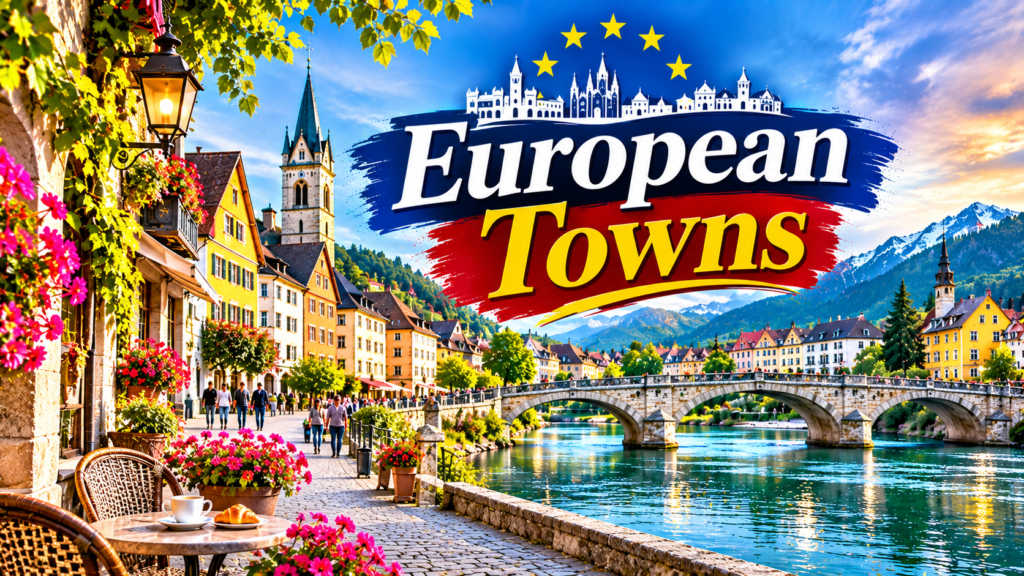
Common transportation options include:
- Regional trains connecting towns and cities.
- Local and intercity buses.
- Bicycle routes and cycling networks.
- Walking paths and pedestrian-friendly streets.
- Private cars for remote locations.
- Seasonal transport services in tourist regions.
Before moving to or visiting a small European town, it is important to check transport schedules, nearby railway stations, and connections to major airports.
12. How Does Nature Influence Everyday Life in Small European Towns?
Nature is an important part of the lifestyle in many European small towns. Unlike densely populated urban centres, some smaller communities are surrounded by mountains, forests, rivers, lakes, vineyards, farmland, or coastal landscapes.
These natural environments create opportunities for residents to enjoy outdoor recreation throughout the year.
Popular activities include:
- Hiking through countryside trails.
- Cycling along scenic routes.
- Swimming in lakes and coastal areas.
- Exploring forests and nature reserves.
- Gardening and growing seasonal vegetables.
- Skiing and snow activities in mountain regions.
- Walking through vineyards and rural landscapes.
Access to nature can encourage healthier daily routines and provide opportunities for relaxation. It also supports tourism, agriculture, and local businesses.
However, rural environments can bring challenges such as seasonal weather conditions, longer travel distances, and limited access to certain facilities.
13. Can You Find Modern Facilities in Small European Towns?
Although small European towns are often associated with historic buildings and traditional lifestyles, many have modern facilities that support contemporary living.
Depending on their size and location, residents may have access to supermarkets, healthcare centres, schools, libraries, sports facilities, restaurants, banking services, and high-speed internet.
Digital technology has also changed how people work and communicate. Remote workers and freelancers may find opportunities to live in smaller communities while remaining connected to employers and clients elsewhere.
Nevertheless, modern facilities are not equally available everywhere. Smaller or remote communities may lack specialist healthcare, extensive shopping facilities, and reliable public transport.
The best approach is to evaluate a town based on its actual infrastructure rather than assuming that every European destination offers the same standard of convenience.
14. Is Living in a Small European Town More Affordable?
The cost of living in small European towns can be lower than in major cities, but this is not guaranteed. Housing, transportation, groceries, healthcare, utilities, and local taxes vary considerably depending on the country and location.
In some towns, property prices and rental costs are relatively affordable compared with nearby capital cities. However, attractive tourist destinations and wealthy residential areas can be expensive.
People considering relocation should compare:
- Monthly rental or mortgage payments.
- Electricity, heating, and water costs.
- Grocery and household expenses.
- Public transport or vehicle costs.
- Healthcare and insurance arrangements.
- Local taxes and administrative expenses.
- Internet and communication services.
Employment opportunities are another important consideration. A lower housing cost may not necessarily result in a better financial situation if local salaries and job availability are limited.
Careful financial planning is essential before choosing a small European town as a permanent home.
15. What Challenges Do People Face When Living in Small European Towns?
Despite their beauty and peaceful atmosphere, small European towns are not free from challenges. People who move from large cities may need time to adjust to a different lifestyle.
Some common difficulties include:
Limited employment opportunities: Smaller towns may have fewer professional opportunities, particularly in specialised industries.
Language barriers: Learning the local language can be important for building relationships, accessing services, and integrating into the community.
Limited healthcare facilities: Specialist medical services may require travelling to a larger city.
Reduced entertainment options: Smaller communities may have fewer cinemas, shopping centres, nightlife venues, and cultural attractions.
Transport limitations: Public transportation may be less frequent, especially in remote areas.
Seasonal tourism: Popular destinations can experience overcrowding during peak travel periods.
Understanding these challenges helps people make realistic decisions about living, working, or retiring in smaller European communities.
16. How Is Tourism Changing Life in Small European Towns?
Tourism has become an important economic activity for many small European towns. Visitors support local restaurants, accommodation providers, cafés, transport operators, shops, museums, and cultural attractions.
Tourism can also encourage the restoration of historic buildings and create opportunities for local entrepreneurs.
However, increasing visitor numbers can create pressure on local communities. Popular destinations may experience rising housing costs, crowded public spaces, environmental concerns, and changes in traditional business activities.
Many towns are therefore exploring more sustainable tourism strategies, including:
- Promoting travel outside peak seasons.
- Supporting locally owned businesses.
- Protecting historic architecture.
- Encouraging responsible visitor behaviour.
- Improving waste management.
- Preserving natural landscapes.
- Promoting lesser-known cultural attractions.
Sustainable tourism can help smaller European communities benefit economically while protecting their cultural and environmental heritage.
17. Can Remote Workers Enjoy Life in Small European Towns?
Remote working has created new opportunities for professionals who want to experience life outside major metropolitan areas. People working in technology, writing, design, consulting, marketing, and other digital professions may be able to live in smaller towns while serving clients or employers internationally.
Small European towns can offer attractive surroundings, quieter working environments, and opportunities to balance professional responsibilities with outdoor activities.
However, remote workers should consider several practical factors:
- Availability and reliability of high-speed internet.
- Suitable accommodation and workspace.
- Access to coworking facilities.
- Time-zone differences with clients and employers.
- Local residency and visa requirements.
- Healthcare and taxation rules.
- Access to airports and transport connections.
A beautiful location alone is not enough. Reliable infrastructure and legal permission to live and work in the country are equally important.
18. How Do Small European Towns Celebrate Festivals and Special Occasions?
Festivals are among the most exciting aspects of cultural life in small European towns. They provide opportunities for residents to celebrate history, religion, food, music, agriculture, and seasonal traditions.
Different communities organise celebrations according to their regional identities and historical backgrounds.
Examples include:
- Christmas markets in Germany, Austria, and other central European countries.
- Harvest festivals celebrating local agricultural traditions.
- Wine festivals in France, Italy, Portugal, and Germany.
- Traditional music and dance celebrations across Europe.
- Easter and religious processions in many European communities.
- Summer festivals featuring local food, crafts, and performances.
These celebrations help strengthen community relationships and introduce visitors to authentic regional customs.
19. Why Are Small European Towns Important for Europe’s Cultural Identity?
Small European towns play a significant role in preserving the continent’s cultural diversity. They protect historic architecture, regional languages, culinary traditions, traditional crafts, and community celebrations that contribute to Europe’s distinctive character.
While major cities often represent international business, modern architecture, and global culture, smaller communities frequently preserve local traditions and regional identities.
They also provide valuable connections to Europe’s agricultural history, medieval development, traditional industries, and local artistic movements.
Preserving these towns is therefore important not only for tourism but also for cultural continuity and future generations.
20. Is Life in Small European Towns the Right Choice for You?
Choosing to live in a small European town depends on personal priorities, career opportunities, financial circumstances, and lifestyle preferences.
People who appreciate quieter surroundings, community connections, historic architecture, local food, and outdoor recreation may find small-town living particularly appealing.
On the other hand, those who depend on specialised employment, extensive public transport, large entertainment venues, or immediate access to specialist services may prefer a bigger city.
Before making a decision, consider:
- Whether the town offers suitable employment opportunities.
- Whether housing and everyday expenses fit your budget.
- Whether healthcare and education facilities meet your needs.
- Whether public transportation is convenient.
- Whether you are comfortable learning the local language.
- Whether the community offers activities that match your interests.
Visiting a town during different seasons and spending time in ordinary residential neighbourhoods can help you understand what everyday life is actually like.
Conclusion: Why Does Life in Small European Towns Continue to Inspire People?
Life in small European towns represents a beautiful combination of history, culture, nature, community, and modern living. From traditional markets and historic architecture to peaceful countryside landscapes and colourful cultural festivals, these communities offer experiences that are different from the fast-moving atmosphere of major cities.
Every town has its own personality. Some are famous for their medieval streets, others for their culinary traditions, mountain scenery, artistic heritage, or welcoming neighbourhoods. Together, they demonstrate the remarkable diversity of European life.
Although small-town living comes with challenges, including limited employment opportunities, transport restrictions, and fewer specialised services, it continues to attract people seeking a different relationship with their surroundings.
For travellers, these towns offer opportunities to discover authentic regional culture. For residents, they can provide meaningful community connections and a lifestyle shaped by local traditions.
Ultimately, the charm of small European towns lies not only in their beautiful landscapes and historic buildings but also in the everyday experiences that make each community special.
Exploring these destinations reminds us that some of Europe’s most memorable stories are found far beyond its famous capitals and crowded tourist attractions.
Read More – How to Apply to European Universities