
Inspiring Stories of Kindness, Courage, and Community: Everyday Heroes Across Europe Making a Difference
Across Europe, countless ordinary people are doing extraordinary things to improve the lives of others. From volunteers supporting vulnerable families to teachers inspiring the next generation, healthcare workers caring for patients, and environmental activists protecting nature, everyday heroes are making a meaningful difference in communities of every size. They may not appear on television or receive international awards, but their actions demonstrate the power of kindness, compassion, courage, and responsibility.
The everyday heroes across Europe come from different backgrounds, professions, cultures, and generations. Some dedicate their weekends to helping people experiencing homelessness, while others organise neighbourhood initiatives, support refugees, care for elderly residents, or work to protect wildlife. Their contributions often begin with a simple observation: someone needs help, a community faces a challenge, or an opportunity exists to make life better.
These individuals remind us that positive change does not always require wealth, fame, or political influence. Sometimes, a small act of generosity can restore hope, strengthen relationships, and inspire others to take action. Across European cities, towns, and villages, ordinary citizens are proving that meaningful progress begins when people choose to care about one another.
Why Are Everyday Heroes Important to European Communities?
Everyday heroes play an essential role in building stronger, safer, and more inclusive communities. While public institutions and charities provide important services, individuals often identify local problems and respond with practical solutions. Their efforts can help bridge gaps in social support, encourage cooperation, and create opportunities for people who might otherwise feel forgotten.
Europe is home to diverse societies facing challenges such as poverty, social isolation, environmental pressures, unequal access to opportunities, and the integration of newcomers. Although these issues require long-term solutions, community members can make an immediate difference by offering their time, knowledge, resources, and compassion.
For example, a volunteer helping an older neighbour with grocery shopping may reduce loneliness and make daily life easier. A local mentor supporting disadvantaged young people may help them develop confidence and discover new career opportunities. Similarly, a community organiser arranging food donations can connect people who have surplus resources with families who need assistance.
The importance of everyday heroes extends beyond the people who directly receive their help. Their actions encourage others to participate, build trust between neighbours, and demonstrate that collective responsibility can produce lasting benefits.
How Are Volunteers Supporting Vulnerable People Across Europe?
Volunteers are among the most visible examples of everyday heroes making a difference across Europe. They contribute to food banks, shelters, community centres, charity organisations, refugee assistance programmes, and emergency response initiatives. Their work often involves tasks that seem ordinary but are essential to the well-being of individuals and families.
In many European communities, volunteers help distribute food, prepare meals, collect clothing, organise fundraising campaigns, and provide companionship to people experiencing difficult circumstances. Others use professional skills such as translation, counselling, teaching, administration, or digital support to help organisations serve more people.
Volunteering also creates opportunities for people from different generations and backgrounds to work together. University students may assist with educational programmes, working professionals may offer specialized expertise, and retired individuals may contribute decades of experience.
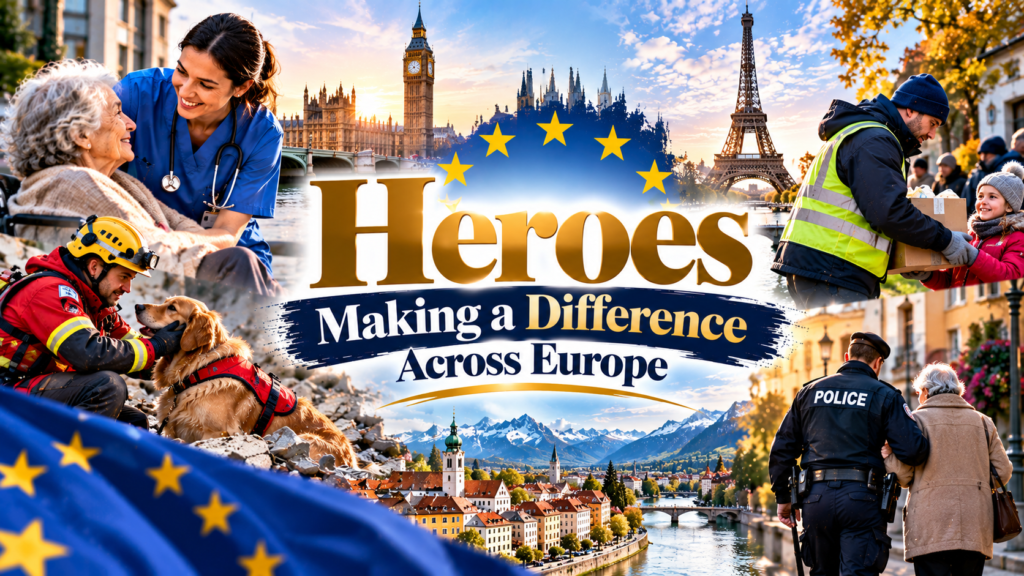
Some meaningful ways volunteers support vulnerable communities include:
- Food assistance: Collecting donations, preparing meals, and distributing groceries to families experiencing financial hardship.
- Homelessness support: Helping shelters provide essential supplies, warm clothing, hygiene products, and practical guidance.
- Refugee assistance: Supporting language learning, local orientation, education, and access to community services.
- Elderly care: Visiting older residents, assisting with everyday errands, and helping reduce social isolation.
- Disability inclusion: Supporting accessible activities and advocating for equal participation in community life.
These contributions show how ordinary people can strengthen social support networks. Although volunteering cannot replace effective public services, it can complement them and help communities respond more compassionately to local needs.
How Are Teachers and Mentors Changing Young Lives in Europe?
Teachers, coaches, tutors, and mentors are everyday heroes because their influence can extend far beyond the classroom. By helping young people develop knowledge, confidence, and practical skills, they contribute to a stronger and more hopeful future.
Across Europe, educators support children from different social, cultural, and economic backgrounds. Some provide additional lessons to students who struggle academically, while others organise reading programmes, after-school activities, career workshops, and creative projects. These efforts can help students discover their strengths and develop a sense of belonging.
Mentors also play an important role in helping young people navigate challenges such as unemployment, social exclusion, language barriers, and uncertainty about their futures. A mentor who listens carefully, offers constructive advice, and encourages a young person to pursue realistic goals can make a lasting difference.
Digital education has created additional opportunities for volunteers and educators to share knowledge. Online tutoring, digital literacy workshops, and career guidance sessions can help learners access resources beyond their immediate neighbourhoods.
What makes these educational heroes special is their commitment to recognising potential in others. Their success is not measured only through examination results or awards but also through the confidence, resilience, and independence they help develop.
What Role Do Healthcare Workers Play in Making Europe a Better Place?
Healthcare workers are essential everyday heroes whose work directly affects the health and well-being of individuals and communities. Doctors, nurses, paramedics, care assistants, pharmacists, and community health professionals often work under demanding conditions to provide treatment, comfort, and guidance.
Their contribution extends beyond hospitals and clinics. Community health workers help people understand preventive care, while care assistants support older adults and individuals living with disabilities. Mental health professionals provide guidance to people experiencing emotional difficulties, and public health volunteers may help communities access reliable health information.
Healthcare workers also demonstrate the importance of empathy. A patient may remember not only the treatment received but also the reassurance of a professional who listened carefully and explained a difficult situation with patience.
In many communities, local initiatives complement professional healthcare services by organising health awareness campaigns, supporting isolated patients, and helping people navigate available services. Such activities are particularly valuable when language barriers, financial difficulties, or limited mobility make accessing assistance more challenging.
Recognising healthcare workers as everyday heroes also means appreciating the importance of safe working conditions, adequate resources, fair treatment, and sustainable staffing. Celebrating their dedication should go hand in hand with supporting the systems that allow them to provide quality care.
How Are Environmental Volunteers Protecting Europe’s Natural Beauty?
Environmental protection is another area where everyday heroes are creating meaningful change. Across Europe, residents, students, scientists, community groups, and local organisations are taking action to protect forests, rivers, coastlines, wildlife, and urban green spaces.
Some volunteers organise neighbourhood clean-ups, while others participate in tree-planting initiatives, wildlife monitoring, recycling campaigns, and environmental education programmes. Community gardeners transform unused spaces into green areas, and local activists encourage households and businesses to reduce waste.
These activities may appear small individually, but they can help improve local environments and encourage more sustainable habits. A river clean-up can remove litter from a shared natural space, while a community garden can create opportunities for education, food production, and social interaction.
Everyday environmental heroes contribute in several practical ways:
- Organising clean-up events in parks, forests, beaches, and waterways.
- Encouraging recycling, repair, reuse, and responsible consumption.
- Protecting local habitats and raising awareness about biodiversity.
- Promoting walking, cycling, public transport, and other lower-impact travel choices.
- Teaching children and adults about conservation and climate responsibility.
Environmental action is not limited to organised campaigns. People can also make a difference by reducing unnecessary waste, conserving water, supporting responsible businesses, and respecting wildlife.
These efforts are most effective when combined with sound environmental policies, scientific knowledge, and long-term investment. Nevertheless, community participation helps turn environmental awareness into practical action.
Who Is Helping Refugees and Newcomers Feel Welcome in Europe?
People who help refugees, migrants, and newcomers settle into unfamiliar communities are important everyday heroes. Moving to another country can involve significant challenges, including learning a new language, finding accommodation, understanding administrative procedures, securing employment, and building social relationships.
Community volunteers often provide practical assistance that makes these transitions easier. They may help newcomers practise the local language, understand public transport, access educational resources, or connect with community organisations. Others arrange cultural exchange activities that allow residents and newcomers to meet and develop mutual understanding.
These efforts can help reduce isolation and encourage a sense of belonging. A welcoming conversation, a language-learning partner, or an introduction to a local community group may help someone feel less alone while adapting to a new environment.
Schools, libraries, sports clubs, cultural associations, and neighbourhood organisations can also create spaces where people from different backgrounds participate together. Shared activities allow individuals to discover common interests while respecting cultural differences.
Supporting newcomers does not mean ignoring the challenges of integration. Successful inclusion requires cooperation, accessible services, language education, employment opportunities, and respect for local laws and democratic values.
Everyday heroes contribute by treating people with dignity and helping them participate constructively in their communities. Their work demonstrates how empathy and practical support can strengthen social connections across borders.
How Are Ordinary Citizens Fighting Loneliness Among Older People?
Loneliness can affect people of every age, but older adults may face particular risks when they experience bereavement, reduced mobility, retirement, or limited opportunities for social interaction. Across Europe, volunteers, neighbours, care workers, and community groups are helping older people remain connected to their communities.
Some initiatives organise regular visits, telephone conversations, shared meals, hobby groups, and intergenerational activities. Others help older residents use smartphones, video calls, and online services to maintain contact with family members and friends.
Simple gestures can have considerable emotional value. Checking on an elderly neighbour during severe weather, offering assistance with shopping, or inviting someone to a community gathering can help reduce feelings of isolation.
Intergenerational programmes are particularly valuable because they create opportunities for younger and older people to learn from one another. Older adults can share life experiences, practical knowledge, and cultural traditions, while younger participants may offer digital assistance and fresh perspectives.
Communities can support older residents by:
- Establishing regular social gatherings and neighbourhood activities.
- Creating volunteer visiting and telephone support programmes.
- Improving access to transport and accessible public spaces.
- Offering digital literacy sessions for older adults.
- Encouraging respectful relationships between generations.
These actions recognise that older people are not simply recipients of support. They are active community members whose experience, skills, and contributions deserve recognition.
How Are Local Communities Supporting Families Facing Financial Hardship?
Financial hardship can affect families through unemployment, rising living costs, unexpected expenses, illness, or changes in household circumstances. Everyday heroes help respond to these difficulties by connecting families with resources, practical assistance, and supportive community networks.
Food banks, community kitchens, charitable organisations, and neighbourhood groups often coordinate donations of groceries, clothing, school supplies, and household essentials. Some initiatives provide free or low-cost meals, while others organise fundraising activities to help families manage temporary emergencies.
Community members can also support families by sharing useful information about local assistance programmes, helping parents access educational resources, or donating items that children need for school.
A particularly effective approach involves cooperation among residents, businesses, charities, and public services. Local supermarkets may contribute surplus food, community centres may provide distribution space, and volunteers may coordinate collections and deliveries.
However, supporting families requires sensitivity and respect. People experiencing financial hardship should be treated with dignity rather than judged for their circumstances. Assistance programmes are most effective when they protect privacy, respond to genuine needs, and help people maintain independence wherever possible.
The everyday heroes involved in this work demonstrate that a caring community can provide immediate relief while encouraging longer-term solutions to poverty and social inequality.
Can Young People Become Everyday Heroes Across Europe?
Young people are increasingly important contributors to community initiatives, environmental projects, social enterprises, and charitable activities. Their creativity, energy, digital skills, and willingness to challenge established practices can help communities identify new solutions to longstanding problems.
Students may organise fundraising events, participate in environmental campaigns, tutor younger children, or support local charities. Young entrepreneurs may develop projects addressing food waste, accessibility, sustainable products, or digital inclusion. Others use social media to raise awareness about important issues and encourage responsible participation.
Youth volunteering also helps participants develop communication, teamwork, leadership, and problem-solving skills. By working with people from different backgrounds, young volunteers can learn how communities function and how collective decisions affect everyday life.
Schools, universities, youth organisations, and local authorities can encourage participation by providing accessible volunteering opportunities and recognising young people’s contributions.
Young people do not need to establish large organisations to make a difference. They can begin with practical actions such as helping a neighbour, organising a book collection, mentoring a classmate, or participating in a local clean-up.
Their involvement demonstrates that community leadership is not determined by age. Meaningful change can begin whenever someone recognises a problem and chooses to help.
How Are Everyday Heroes Promoting Equality and Inclusion?
Equality and inclusion are essential to healthy communities. Across Europe, everyday heroes are working to create environments where people can participate regardless of disability, age, background, economic circumstances, or other personal characteristics.
Some volunteers help organise accessible sporting events, while others support inclusive arts programmes, employment initiatives, and community activities. Advocates work to raise awareness about discrimination and encourage organisations to improve accessibility.
People with disabilities may encounter physical, digital, and social barriers that limit participation. Community members can help identify these obstacles, promote accessible facilities, and encourage inclusive communication. Businesses and public institutions also have important responsibilities in ensuring that services and opportunities are accessible.
Everyday heroes can promote inclusion through practical measures such as:
- Supporting accessible public spaces and community facilities.
- Challenging harmful stereotypes and discriminatory behaviour.
- Encouraging equal opportunities in education and employment.
- Creating activities that welcome people from different backgrounds.
- Listening to individuals whose experiences are often overlooked.
Inclusion becomes meaningful when people are not merely invited to participate but are also given the opportunity to contribute, lead, and influence decisions.
These everyday actions help build communities in which diversity is respected and people feel that their voices matter.
What Can We Learn From Everyday Heroes in European Cities and Villages?
Everyday heroes offer valuable lessons about responsibility, perseverance, empathy, and cooperation. Their work demonstrates that communities become stronger when people recognise shared challenges and take practical steps to address them.
One important lesson is that meaningful change often begins locally. A neighbourhood initiative may inspire similar projects elsewhere, while a successful volunteering programme may encourage other organisations to adopt effective practices.
Another lesson is the importance of consistency. A single donation or volunteer session can provide immediate assistance, but lasting relationships often develop through repeated efforts. Regular visits, ongoing mentoring, and sustained environmental projects can produce benefits that extend beyond individual events.
Everyday heroes also show the value of collaboration. People may have different skills, opinions, and experiences, yet they can work towards common goals when they communicate respectfully and share responsibilities.
Their examples encourage everyone to consider how their abilities might benefit others. Someone with professional expertise can offer guidance, a student can volunteer time, a business can support a community project, and a neighbour can simply listen to someone who needs companionship.
The central lesson is that heroism is not always dramatic. Often, it is expressed through patience, reliability, generosity, and the willingness to help when doing so is inconvenient.
How Can You Become an Everyday Hero in Your Own Community?
Becoming an everyday hero does not require extraordinary resources or specialised qualifications. Most people can contribute in ways that match their interests, skills, available time, and personal circumstances.
The first step is to identify a genuine need within your community. You might notice that an elderly neighbour needs assistance, a local charity requires volunteers, a park needs cleaning, or students would benefit from additional learning support.
Once you understand the need, look for a practical and responsible way to help. Established charities and community organizations can provide guidance, safeguarding procedures, and opportunities to contribute effectively.
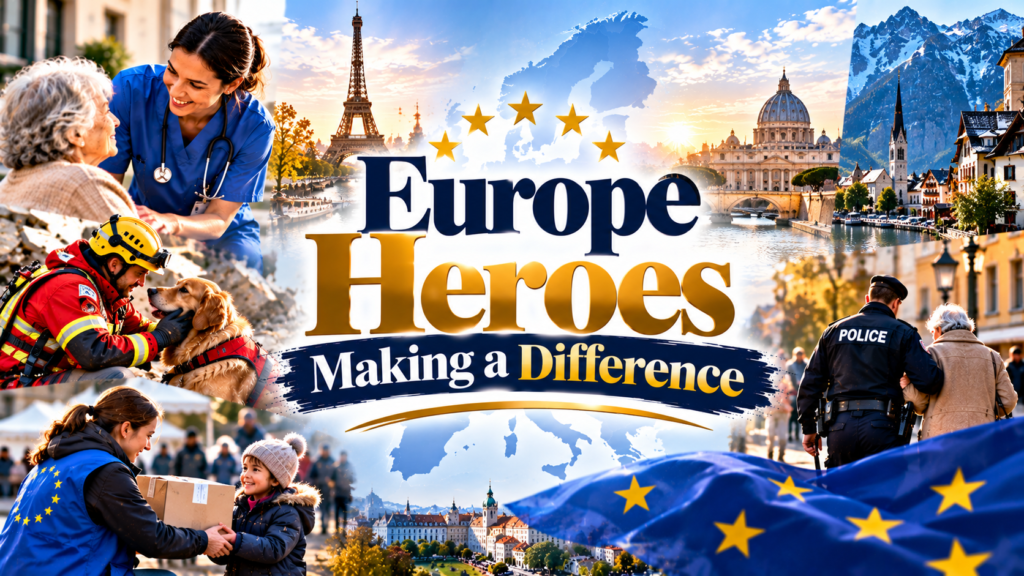
Here are several ways to begin:
- Volunteer locally: Contact a recognised charity, food bank, community centre, animal welfare organisation, or environmental group.
- Support neighbours: Offer appropriate help with everyday tasks, particularly when someone faces temporary difficulties.
- Donate responsibly: Give useful items, food, or financial contributions to reputable organisations that can distribute assistance effectively.
- Share your skills: Provide tutoring, translation, mentoring, digital assistance, or professional guidance where appropriate.
- Protect the environment: Reduce waste, join clean-up activities, and encourage sustainable practices.
- Promote kindness online: Share verified information about community initiatives and avoid spreading misleading claims.
- Encourage others: Invite friends, colleagues, or family members to participate in positive local activities.
It is important to recognise personal limits. Helping others should be sustainable, safe, and respectful of individual privacy. Volunteers should follow organisational guidance, protect vulnerable people, and seek professional assistance when a situation requires specialised support.
Even a small, consistent contribution can become part of a wider effort to improve community life.
Why Should We Celebrate Everyday Heroes Across Europe?
Celebrating everyday heroes helps recognise contributions that might otherwise go unnoticed. Public attention often focuses on celebrities, political leaders, and major achievements, but the everyday work of volunteers, carers, educators, community organisers, and neighbours is equally important to the social fabric of communities.
Sharing their experiences can encourage others to participate in volunteering, support charitable organisations, and develop a stronger sense of collective responsibility. It can also help highlight local challenges and demonstrate practical ways to address them.
Community newspapers, digital publications, schools, local councils, and social organisations can all play a role in recognising positive contributions. Responsible storytelling should focus on genuine achievements, obtain permission before sharing personal details, and avoid exaggerating individual accomplishments.
Celebrating everyday heroes should also involve recognising teamwork. Behind many successful community projects are groups of volunteers, supportive families, charitable organisations, and local partners whose combined efforts make lasting progress possible.
Recognition is most valuable when it leads to further participation. A story about a volunteer helping vulnerable residents, for example, may encourage readers to contact a local charity or organise a similar initiative in their own neighbourhood.
Across Europe, these stories offer a reminder that positive change is not limited to famous individuals. It is created every day by people who choose to contribute to something larger than themselves.
What Does the Future Hold for Everyday Heroes in Europe?
The future of community action in Europe will depend on cooperation, innovation, and a continued commitment to social responsibility. As communities respond to changing economic conditions, demographic shifts, environmental pressures, and technological developments, everyday heroes will remain important contributors to local resilience.
Digital platforms can help volunteers discover opportunities, coordinate donations, share knowledge, and connect people with relevant services. Online communities may also make it easier for individuals in rural areas or smaller towns to participate in wider initiatives.
At the same time, technology cannot replace every form of human connection. Personal visits, face-to-face conversations, practical assistance, and trusted local relationships remain essential in many situations.
Future community initiatives can become more effective by combining traditional volunteering with responsible digital tools, clear objectives, and cooperation between organisations. Providing training and appropriate support can also help volunteers contribute safely and confidently.
Long-term progress will require more than individual goodwill. Governments, businesses, charities, and community members must work together to address the underlying causes of poverty, exclusion, environmental damage, and unequal access to opportunities.
Nevertheless, everyday heroes will continue to play a valuable role by identifying local needs, testing practical solutions, and encouraging others to get involved.
Conclusion: How Can Small Acts Create a Big Difference Across Europe?
Everyday heroes across Europe demonstrate that compassion, courage, and community spirit can create meaningful change. From volunteers supporting vulnerable families to teachers inspiring young minds, healthcare professionals caring for patients, environmental advocates protecting nature, and neighbours helping one another, these individuals make communities stronger through their actions.
Their stories remind us that people do not need fame, wealth, or special recognition to contribute to society. What matters is the willingness to notice a need, take responsibility, and offer help in a thoughtful and practical way.
Across cities, towns, and villages, small acts of kindness can encourage cooperation, restore confidence, and create opportunities for people facing difficult circumstances. When these actions are repeated and shared, they can inspire wider participation and contribute to long-term social progress.
The everyday heroes making a difference across Europe deserve recognition not simply because they help others, but because their example shows what communities can achieve together.
Ultimately, the most important question is not whether we can all become famous heroes. It is whether we can each find a meaningful way to make life better for someone else. By volunteering, supporting neighbors, protecting the environment, and treating others with dignity, we can all contribute to a more compassionate, inclusive, and connected Europe.
Read More – How the Global Economy Works & Its Impact