
Europe Traditional Housewarming Customs: How Different Cultures Celebrate a New Home
Moving into a new home is one of life’s most meaningful milestones. Across Europe, welcoming someone into a new house is more than simply celebrating a change of address. It is an opportunity to share happiness, strengthen relationships, honour cultural traditions and wish the new homeowners good fortune. European traditional housewarming customs reflect centuries of history, local beliefs, religious practices and community values. From bringing bread and salt into a new home to lighting candles, sharing meals and presenting symbolic gifts, different European countries have developed unique ways of celebrating fresh beginnings.
Although modern lifestyles have changed the way people organise housewarming parties, many traditional customs remain popular. Some families continue to follow rituals believed to bring prosperity, protection and happiness, while others combine old traditions with contemporary celebrations.
But what makes European housewarming traditions so interesting? Why do people bring bread, salt, wine or plants when visiting a new home? How do different European cultures celebrate the beginning of a new chapter? Exploring these customs offers a fascinating look at Europe’s cultural diversity and its enduring appreciation for family, hospitality and belonging.
1. What Are Traditional Housewarming Customs in Europe?
Traditional housewarming customs are cultural practices followed when someone moves into a new home. These customs usually involve welcoming the homeowners, offering symbolic gifts, sharing food and wishing the household happiness, health and prosperity.
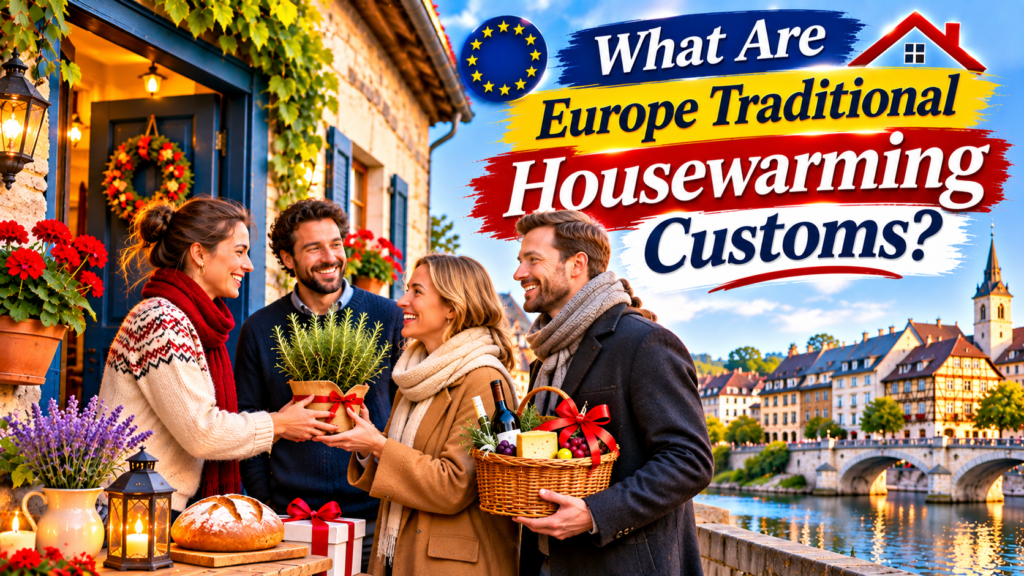
Across Europe, housewarming celebrations often represent three important ideas:
- Good fortune: Symbolic gifts and rituals are believed to invite luck and financial stability.
- Hospitality: Friends, relatives and neighbours gather to welcome the new residents.
- Fresh beginnings: Moving into a new house represents a new chapter filled with opportunities and memories.
In many European communities, a new home is considered more than a physical structure. It represents security, family life, independence and emotional comfort. Therefore, housewarming traditions often focus on creating a positive atmosphere and establishing a sense of belonging.
While customs vary considerably between countries and regions, sharing food and celebrating with loved ones are common elements.
2. Why Is Bread and Salt Traditionally Given as a Housewarming Gift?
Bread and salt are among the most recognisable traditional housewarming gifts in several European cultures. They symbolise basic necessities, hospitality, abundance and the hope that the household will never experience hunger or hardship.
Bread represents nourishment and the ability to provide for the family. Salt, historically considered a valuable commodity, represents preservation, protection and lasting prosperity.
This custom is particularly associated with parts of Eastern and Central Europe, including Poland, Russia, Ukraine and neighbouring cultural regions, although practices differ between communities.
In some traditions, guests bring bread and salt when visiting a newly established household. The gesture expresses a wish that the family will always have enough food and enjoy a comfortable life.
The symbolic meanings include:
- Bread: Food, nourishment and household security.
- Salt: Prosperity, preservation and protection.
- Together: A life filled with abundance, stability and happiness.
Even today, bread and salt can be presented as thoughtful gifts because they connect modern celebrations with generations of cultural heritage.
3. How Do Germans Celebrate Traditional Housewarming Parties?
In Germany, housewarming celebrations are commonly known as Einweihungsfeier or Einweihungsparty. These gatherings provide an opportunity for homeowners to invite friends, relatives and neighbours to see their new living space.
German housewarming celebrations are generally relaxed and social. Hosts may organise a small gathering with homemade food, drinks, snacks and conversations. In some areas, particularly among people with connections to older rural traditions, a housewarming gathering may be called a Richtfest when it celebrates the completion of the building’s structural framework rather than moving into an already finished home.
One interesting German tradition is the presentation of bread and salt. These gifts symbolise the wish that the new household will always enjoy food, security and prosperity.
Popular elements of German housewarming celebrations include:
- Inviting friends and neighbours to explore the new home.
- Serving homemade cakes, bread and traditional snacks.
- Offering practical household gifts.
- Sharing good wishes for a peaceful and successful life.
These celebrations demonstrate how German hospitality combines traditional symbolism with modern social gatherings.
4. What Are the Housewarming Traditions in France?
France has a strong tradition of social dining and hospitality, making housewarming celebrations a natural opportunity to bring friends and family together.
A French housewarming party is often called a pendaison de crémaillère. The expression is historically connected to an iron rack or hook used in fireplaces to support cooking pots. In older homes, installing this fixture represented an important stage in making a house ready for everyday living.
Today, the expression refers to a housewarming party organised after moving into a new home.
French celebrations often revolve around food, conversation and a welcoming atmosphere. Hosts may serve cheese, baguettes, pastries, wine and other regional specialities. Guests sometimes bring flowers, wine, decorative objects or useful household items.
Some common features include:
- Sharing an apéritif before the main meal.
- Offering wine or regional delicacies as gifts.
- Inviting neighbours to establish new friendships.
- Enjoying a relaxed evening filled with conversation.
The French approach reflects the importance of food, friendship and enjoying life’s special moments.
5. How Do British Families Celebrate Moving Into a New Home?
In the United Kingdom, housewarming parties are popular social occasions where homeowners welcome friends, family members and neighbours into their new property.
British housewarming customs generally focus on hospitality, friendship and making people feel comfortable. There is no single nationwide ritual that every household follows, but several traditional gifts and practices are commonly associated with moving into a new home.
Bread, salt and wine are familiar symbolic gifts. Bread represents nourishment, salt suggests prosperity, and wine represents celebration and enjoyment.
Some families organise afternoon tea, while others prefer evening gatherings with snacks, drinks and music.
Popular British housewarming gift ideas include:
- Flowers or indoor plants to brighten the home.
- Tea and coffee sets for everyday use.
- Candles and decorative accessories.
- Wine or locally produced food.
- Personalised ornaments and framed photographs.
A British housewarming party is often an informal way to introduce a new home to the people who matter most.
6. What Are the Traditional Housewarming Customs in Italy?
Italy is famous for its strong family connections, delicious food and welcoming culture. These values are also reflected in the way Italians celebrate moving into a new home. Although there is no single housewarming ritual followed throughout the country, gatherings often centre on family, friends, food and shared experiences.
Italian homeowners may organise a meal or informal party to introduce their new home to relatives and neighbours. Traditional Italian food, homemade pasta, bread, cheese, desserts and regional specialities frequently become part of the celebration.
Guests may bring gifts such as olive oil, wine, flowers, kitchen accessories or decorative items. Olive oil is particularly meaningful because it is associated with Mediterranean life, nourishment and abundance.
Some thoughtful Italian-inspired housewarming gifts include:
- A bottle of high-quality olive oil.
- Traditional Italian wine.
- Handmade ceramic plates or bowls.
- Fresh flowers or aromatic herbs.
- Homemade sweets and regional delicacies.
The emphasis is on creating a warm environment where guests feel welcome. For many Italian families, the happiness of a new home is best celebrated around a shared dining table.
7. How Are New Homes Welcomed in Spain?
In Spain, housewarming celebrations are generally connected with hospitality, friendship and enjoying good food. Spanish culture places considerable importance on social relationships, and moving into a new home offers an excellent reason to bring people together.
A Spanish housewarming gathering may include tapas, traditional dishes, desserts and refreshments. Friends and relatives visit the new property, congratulate the homeowners and spend time together.
In some families, religious practices or personal blessings may accompany the move. However, customs differ between regions and households, and there is no universal Spanish housewarming ceremony.
Popular gifts include:
- Olive oil and Spanish food products.
- Wine or locally produced beverages.
- Decorative pottery and ceramics.
- Indoor plants and flowers.
- Kitchen accessories and serving dishes.
The Spanish approach to housewarming celebrations highlights the importance of community and shared happiness. A new home becomes a place where friendships can grow and memorable occasions can be celebrated.
8. What Makes Greek Housewarming Traditions Special?
Greek culture has a long history of family traditions, religious customs and hospitality. These values influence how many Greek families welcome a new home.
For some households, a priest may be invited to bless the property with holy water and prayers. This practice is associated with the Greek Orthodox tradition and expresses a wish for protection, peace and harmony.
However, religious house blessings are not compulsory for every Greek family. Some homeowners simply organise a gathering with relatives and friends.
Food plays an important role in Greek celebrations. Guests may enjoy bread, olives, cheese, pastries, salads and other traditional dishes. Gifts may include olive oil, decorative household items, flowers or handmade ceramics.
Some meaningful elements of a Greek-inspired housewarming celebration include:
- A religious blessing for families who follow this practice.
- Sharing traditional Greek food with guests.
- Presenting olive oil as a symbol of nourishment.
- Welcoming friends and neighbours into the home.
- Wishing the household health, peace and happiness.
Greek housewarming celebrations demonstrate how spiritual beliefs, family relationships and hospitality can come together during an important life event.
9. How Do Polish Families Celebrate a New Home?
Poland has a particularly interesting connection with traditional housewarming symbolism. Bread and salt are widely recognised gifts associated with welcoming a family into a new home.
Bread represents the hope that the household will always have enough food, while salt symbolises preservation, protection and prosperity. Together, these everyday essentials express sincere wishes for a comfortable and successful future.
Polish housewarming celebrations may include a family meal, traditional dishes, desserts and conversations. Guests often bring practical or decorative gifts to help the homeowners settle into their new surroundings.
Traditional Polish-inspired housewarming gifts include:
- Bread and salt presented together.
- Homemade cakes and pastries.
- Decorative kitchen accessories.
- Flowers and indoor plants.
- Handmade pottery or household decorations.
The tradition reflects the historical importance of food security and family stability. Even when modern celebrations become more informal, symbolic gifts help preserve a connection with Polish cultural heritage.
10. What Are the Housewarming Customs in Russia and Ukraine?
In Russia and Ukraine, bread and salt have traditionally played an important role in hospitality and welcoming ceremonies. The custom of offering bread and salt is associated with respect, friendship and wishes for abundance.
In some traditional welcoming ceremonies, a decorated loaf of bread and a small container of salt are presented to guests. Similar symbolism can also be found in celebrations connected with moving into a new home.
The bread represents nourishment and prosperity, while salt carries associations with preservation and hospitality. The gesture expresses the hope that the household will always have what it needs.
Other housewarming practices may include:
- Inviting relatives and close friends to visit.
- Sharing homemade meals and traditional dishes.
- Presenting household gifts.
- Offering prayers or blessings according to family beliefs.
- Celebrating the beginning of a new chapter together.
Some families also follow personal customs intended to bring good luck and positive energy into their new surroundings. These practices can vary considerably depending on regional background, religious beliefs and family traditions.
11. How Do Scandinavian Countries Celebrate Housewarming Occasions?
Scandinavian countries, including Sweden, Norway and Denmark, are well known for their appreciation of comfortable living spaces, simple design and social togetherness. These cultural values can also be seen in modern housewarming celebrations.
Rather than following one shared traditional ceremony, many Scandinavian households organise informal gatherings where guests can enjoy food, conversation and a welcoming atmosphere.
The concept of hygge, particularly associated with Danish culture, describes a feeling of comfort, warmth and togetherness. It is not specifically a housewarming ritual, but it helps explain the atmosphere many people seek when welcoming friends into a new home.

Scandinavian-inspired housewarming celebrations may include:
- Candles and warm lighting.
- Simple homemade meals.
- Coffee, cakes and pastries.
- Natural decorations and fresh flowers.
- Wooden household accessories.
- Comfortable spaces for conversations.
In Sweden, the tradition of fika, a social coffee break often accompanied by something sweet, can provide inspiration for a relaxed housewarming gathering.
Norwegian and Danish celebrations may similarly focus on informal hospitality and enjoying time with friends and family.
The central idea is simple: a home should feel welcoming, comfortable and full of meaningful connections.
12. What Are the Traditional Housewarming Practices in Ireland?
Ireland has a rich cultural heritage shaped by storytelling, family relationships, hospitality and religious traditions. Housewarming celebrations provide an opportunity to express these values.
Some Irish families may follow religious practices, including inviting a priest to bless a new home. A house blessing may involve prayers and holy water, expressing hopes for protection, peace and happiness.
Irish housewarming gatherings are often informal occasions where family members, friends and neighbours come together. Guests may bring food, flowers or useful household gifts.
Some traditional and contemporary gift ideas include:
- Homemade bread and baked goods.
- Flowers and indoor plants.
- Candles and decorative items.
- Tea, coffee and kitchen accessories.
- Locally produced food products.
The celebration may also involve sharing family stories, enjoying music and welcoming neighbours into the household.
For many Irish families, the most meaningful part of moving into a new home is creating a place where people can gather, share experiences and build lasting relationships.
13. How Do Nordic and Other Northern European Cultures View a New Home?
Across Northern Europe, the home is often associated with comfort, personal space, family life and emotional well-being. This perspective influences how people celebrate moving into a new property.
Although housewarming practices vary between countries, many contemporary celebrations focus on making guests feel comfortable rather than following elaborate ceremonies.
In Finland, for example, a gathering may include coffee, baked goods, traditional food and relaxed conversation. The Finnish sauna culture also reflects the importance of relaxation and well-being, although using a sauna is not a universal housewarming custom.
In the Netherlands, housewarming gatherings are often referred to as housewarming parties, and guests may bring flowers, plants, drinks or practical gifts.
In Belgium, celebrations can involve sharing regional food, drinks and desserts with friends and relatives. Different language communities and family backgrounds contribute to the country’s diverse customs.
Common features across these cultures include:
- Practical gifts that help homeowners settle in.
- Informal gatherings with friends and neighbours.
- Food and refreshments.
- Home decorations that create warmth.
- Celebrations that encourage social connections.
These traditions show that the meaning of a home extends beyond architecture and furniture. It is also about creating an environment where people feel safe, comfortable and connected.
14. What Are Some Popular European Housewarming Gifts and Their Meanings?
Housewarming gifts are an important part of European hospitality. While modern gift-giving often focuses on practical needs, traditional presents frequently carry symbolic meanings.
Here are some popular gifts and the ideas they represent:
| Housewarming gift | Traditional or symbolic meaning |
|---|---|
| Bread | Nourishment and abundance |
| Salt | Preservation and prosperity |
| Olive oil | Nourishment and hospitality |
| Wine | Celebration and friendship |
| Flowers | Happiness and fresh beginnings |
| Candles | Warmth and light |
| Indoor plants | Growth and renewal |
| Honey | Sweetness and happiness |
| Handmade pottery | Craftsmanship and cultural heritage |
| Kitchen utensils | Practical support for a new household |
The meaning of these gifts can vary between countries and families. Not every gift has a fixed traditional interpretation, but choosing something thoughtful can make the occasion more memorable.
A good housewarming present does not need to be expensive. Its value often comes from the sentiment behind it.
15. Why Do Some European Families Bless Their New Homes?
Home blessings are an important practice in some European religious communities. They are performed to express gratitude, seek divine protection and welcome peace into a newly occupied property.
Christian traditions, particularly Catholic and Orthodox practices, include different forms of home blessings. Depending on the religious community, a priest or minister may visit the property, offer prayers, sprinkle holy water and bless different rooms.
Some families choose to perform a blessing before moving their furniture into the house, while others arrange it after settling in.
Common elements of a traditional home blessing may include:
- Prayers for the safety and well-being of residents.
- Holy water used as part of the religious ceremony.
- Religious symbols placed in particular rooms.
- Candles representing faith and hope.
- Family members gathering for a prayer.
Not all European families follow religious housewarming practices. Many prefer secular celebrations, while others combine religious blessings with modern housewarming parties.
Nevertheless, these customs demonstrate the importance of spiritual comfort and the desire to begin a new chapter with positive intentions.
16. What Foods Are Commonly Served at European Housewarming Parties?
Food is one of the most important elements of European hospitality. Across the continent, housewarming parties frequently involve sharing meals, snacks and traditional delicacies.
Different countries have their own culinary specialities, which make these celebrations particularly interesting.
Some examples include:
- France: Cheese, baguettes, pastries and regional specialities.
- Italy: Pasta, bread, olive oil, cheese and traditional desserts.
- Germany: Pretzels, bread, sausages and homemade cakes.
- Spain: Tapas, olives, bread and regional dishes.
- Greece: Olives, feta cheese, salads and traditional pastries.
- Poland: Pierogi, homemade cakes and traditional bread.
- United Kingdom: Sandwiches, cakes, biscuits and afternoon tea.
- Sweden: Coffee, cinnamon buns and other baked treats.
Food is not simply served to satisfy hunger. It creates opportunities for conversation, strengthens relationships and allows homeowners to share their cultural backgrounds with guests.
17. How Have Modern Housewarming Celebrations Changed Across Europe?
Modern lifestyles have transformed the way Europeans celebrate moving into a new home. Traditional customs continue to influence celebrations, but contemporary homeowners often prefer informal gatherings that fit their schedules and personal preferences.
Urban living, international migration, smaller households and changing social habits have introduced new approaches to housewarming parties.
For example, some homeowners organise a small dinner with close friends instead of hosting a large celebration. Others invite neighbours for coffee or arrange a weekend gathering.
Technology has also changed how people organise these occasions. Digital invitations, online gift registries and video calls allow homeowners to include friends and family who live far away.
Some popular modern housewarming ideas include:
- Themed housewarming parties: Homeowners choose a theme based on their interests, favourite colours or cultural backgrounds.
- Neighbourhood gatherings: New residents invite nearby families to establish friendly relationships.
- Potluck celebrations: Guests bring homemade dishes, allowing everyone to contribute.
- Virtual housewarming parties: Friends and relatives join through video calls.
- Eco-friendly celebrations: Hosts choose reusable decorations, locally sourced food and sustainable gifts.
- Small family dinners: Homeowners celebrate privately with their closest relatives.
Despite these changes, the central purpose remains the same: welcoming people into a new home and celebrating a fresh beginning.
18. What Role Do Neighbours Play in European Housewarming Traditions?
Neighbours have traditionally played an important role in building a sense of community across Europe. Moving into a new neighbourhood can be an exciting experience, but it also involves getting to know unfamiliar people and surroundings.
Housewarming celebrations provide an opportunity to introduce oneself to neighbours and establish friendly relationships.
In some communities, neighbours may bring small gifts, offer assistance with moving or welcome new residents with homemade food. In other places, homeowners take the initiative by inviting nearby residents for refreshments.
These interactions can create several benefits:
- Helping newcomers feel comfortable in their neighbourhood.
- Building relationships based on trust and friendship.
- Creating opportunities for social interaction.
- Encouraging people to support one another.
- Developing a stronger sense of community.
Although urban lifestyles sometimes make neighbourly relationships less frequent, a simple invitation or friendly conversation can still make a meaningful difference.
19. What Are Some Interesting European Superstitions About Moving Into a New Home?
European folklore includes numerous beliefs connected with luck, protection and prosperity. Some of these beliefs have influenced housewarming customs, although their popularity differs between regions and families.
A few interesting examples include:
Bringing bread and salt: In several Eastern and Central European traditions, bread and salt are presented as symbols of abundance and hospitality.
Hanging a horseshoe: Horseshoes are associated with good luck in different European folk traditions. Some people display them near entrances as a symbolic gesture of protection and good fortune.
Lighting candles: Candles are associated with warmth, light and hope. Some families use them to create a welcoming atmosphere when entering a new home.
Bringing plants indoors: Plants are often associated with growth, renewal and a positive living environment. They also add natural beauty to a newly decorated property.
Sharing honey: Honey has long been associated with sweetness and abundance in various cultural traditions. It can be a thoughtful symbolic gift for a new household.
These customs should be understood as cultural beliefs rather than guarantees of good fortune. Their importance lies in the stories, values and memories they preserve.
20. How Can You Organise a Traditional European-Inspired Housewarming Party?
Organising a European-inspired housewarming party can be a wonderful way to celebrate a new home while appreciating different cultural traditions.
You do not need to follow every custom from a particular country. Instead, you can select meaningful elements that reflect your interests and create a comfortable environment for guests.
Here are some practical ideas:
1. Choose a cultural theme
Select a country or European region that inspires you. You could organise an Italian dinner, a French-style afternoon gathering or a Scandinavian-inspired cosy celebration.
2. Prepare traditional food
Offer a selection of European dishes such as bread, cheese, pastries, olives and regional specialities.
3. Include symbolic gifts
Display bread and salt, fresh flowers, candles or indoor plants to reflect traditional housewarming symbolism.
4. Create a welcoming atmosphere
Use comfortable seating, warm lighting and simple decorations. The aim should be to make everyone feel relaxed.
5. Invite neighbours and friends
A housewarming party is a good opportunity to develop new friendships and introduce yourself to the community.
6. Share cultural stories
Explain the meaning behind the food, gifts and decorations. This can make the celebration more interesting and educational.
7. Capture the memories
Take photographs and create a small collection of memories from the first gathering in your new home.
A thoughtfully organised celebration can combine European cultural heritage with modern hospitality.
21. Why Are European Housewarming Customs Important for Preserving Cultural Heritage?
European housewarming customs are valuable because they preserve cultural traditions that have been passed down through generations. Although the physical experience of moving into a home may appear similar everywhere, the rituals and symbolic practices surrounding it reveal important differences between communities.
For example, bread and salt traditions reflect the historical importance of food security and hospitality. French pendaison de crémaillère preserves a connection with older household arrangements, while religious home blessings reflect spiritual beliefs and family values.
These customs also help younger generations understand their cultural backgrounds. When grandparents explain the meaning of traditional gifts or parents organise celebrations inspired by family heritage, cultural knowledge continues to be shared.
Preserving these traditions does not mean rejecting modern lifestyles. Instead, families can adapt old customs to contemporary homes and celebrations.
European housewarming traditions therefore serve as a bridge between the past and present, keeping cultural identity alive while welcoming new ways of living.
Frequently Asked Questions About European Traditional Housewarming Customs
Q1. What is the most common traditional European housewarming gift?
Ans: Bread and salt are among the most recognisable traditional European housewarming gifts, particularly in Eastern and Central European cultures. They symbolise nourishment, hospitality, prosperity and the hope that a household will always have enough essential resources.
Q2. What is a French housewarming party called?
Ans: A French housewarming party is called pendaison de crémaillère. The expression has historical connections with the installation of a fireplace cooking rack and is now used for celebrations held after moving into a new home.
Q3. Why do Europeans give bread and salt when someone moves into a new house?
Ans: Bread and salt symbolise basic necessities, abundance and hospitality. Bread represents nourishment, while salt is associated with preservation and prosperity. Giving these items expresses good wishes for the new household.
Q4. Do European families bless their new homes?
Ans: Some European families arrange religious home blessings, particularly in Catholic and Orthodox communities. These ceremonies may involve prayers and holy water. However, many families celebrate without religious rituals.
Q5. What should you bring to a European housewarming party?
Ans: Suitable gifts include flowers, bread, salt, wine, olive oil, candles, indoor plants, handmade decorations and practical kitchen accessories. The best choice depends on the homeowners’ preferences and cultural background.
Q6. How do Scandinavian people celebrate housewarming parties?
Ans: Many Scandinavian housewarming gatherings are informal and focus on comfort, food and social connections. Coffee, cakes, candles, simple decorations and relaxed conversations can be part of these celebrations.
Q7. Are housewarming traditions the same across Europe?
Ans: No. European housewarming traditions vary according to national culture, regional history, religious beliefs and family practices. Bread and salt are particularly associated with parts of Eastern and Central Europe, while French celebrations have their own distinctive historical name.
Q8. What does a horseshoe symbolise in European housewarming traditions?
Ans: A horseshoe is associated with good luck and protection in several European folk traditions. Some people display it near the entrance of a home as a symbolic way of welcoming good fortune.
Q9. When should you organise a housewarming party?
Ans: A housewarming party is generally organised after moving into a new home and completing the essential arrangements. Some people celebrate immediately, while others wait until their furniture and belongings are properly organised.
Q10. Why are housewarming celebrations important?
Ans: Housewarming celebrations help homeowners mark an important life milestone, connect with friends and neighbours, share happiness and establish a sense of belonging in a new environment.
Conclusion: How Do European Housewarming Customs Celebrate New Beginnings?
European traditional housewarming customs reveal the continent’s rich cultural diversity and enduring appreciation for hospitality, family and community. From the symbolic presentation of bread and salt in Eastern and Central European traditions to the French pendaison de crémaillère, every custom reflects a meaningful connection between people and their homes.
Germany, Italy, Spain, Greece, Poland, Ireland and the Scandinavian countries each offer different approaches to welcoming a new household. Some traditions focus on symbolic gifts and blessings, while others emphasise food, friendship and social gatherings.
Although modern lifestyles continue to change how people organize housewarming celebrations, the underlying message remains remarkably consistent. A home is not simply a place to live; it is a space where relationships develop, memories are created and new opportunities begin.
By understanding and preserving these customs, people can appreciate Europe’s cultural heritage while celebrating the universal joy of finding a place to call home.
Read More – 10 European Trends That Could Shape the Future