
Europe Fashion Rules: Essential Style Tips Every Fashion Lover Should Know
Europe Fashion Rules are more than simple guidelines about what to wear. They reflect the continent’s rich cultural heritage, diverse lifestyles, changing fashion trends, and appreciation for personal expression. From the sophisticated streets of Paris and Milan to the relaxed coastal towns of Greece and Spain, European fashion represents a beautiful combination of elegance, comfort, creativity, and individuality.
Whether you are planning a European holiday, exploring international fashion trends, or simply looking to improve your everyday wardrobe, understanding European fashion rules can help you dress with greater confidence. European style is not about following every trend or purchasing expensive designer clothing. Instead, it often focuses on choosing well-fitted outfits, maintaining a balanced appearance, selecting suitable colours, and wearing clothes that reflect your personality.
But what makes Europe fashion different from fashion in other parts of the world? Are there specific dressing rules that Europeans follow? How can you achieve a stylish European-inspired look without spending too much money?
Let’s explore the essential Europe fashion rules, traditional dressing habits, modern styling ideas, and practical fashion tips that can help anyone develop a timeless and sophisticated wardrobe.
1. What Are the Most Important Europe Fashion Rules?
Europe fashion is known for its diversity, but certain styling principles appear across many Europe fashion capitals. These principles emphasize simplicity, quality, comfort, individuality, and appropriate dressing.
Unlike fashion approaches that focus heavily on seasonal trends, many European wardrobes include versatile clothing that can be worn in different combinations throughout the year.
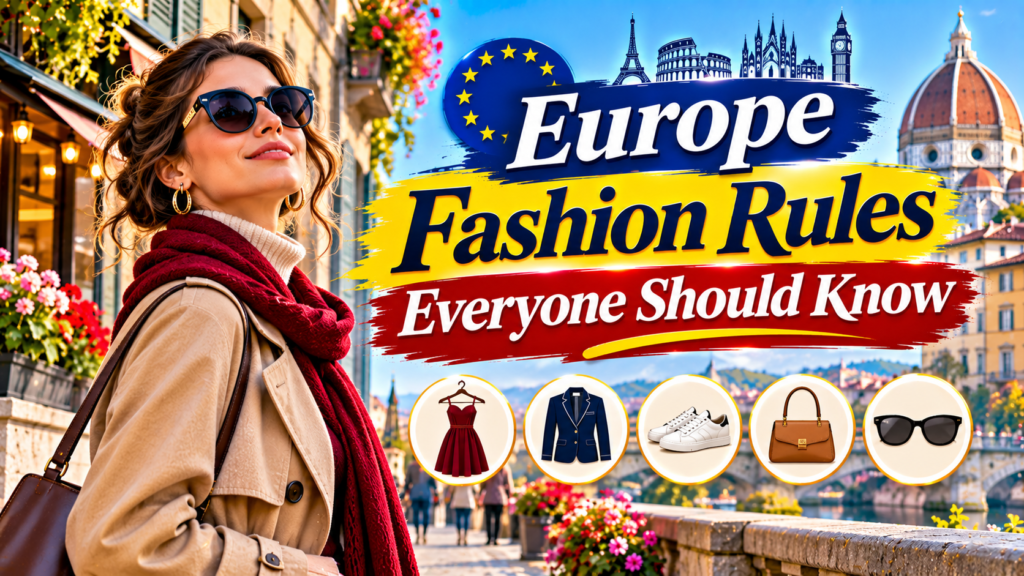
Some important Europe fashion rules include:
- Choose clothes that fit your body comfortably.
- Prefer quality over quantity when building a wardrobe.
- Avoid combining too many competing patterns.
- Select colours that complement one another.
- Dress appropriately for the occasion and location.
- Invest in timeless wardrobe essentials.
- Choose comfortable footwear for everyday activities.
- Use accessories to enhance rather than overwhelm an outfit.
- Maintain a neat and well-groomed appearance.
- Express your personality through your clothing choices.
These principles are not strict rules followed by every European. Fashion preferences differ between countries, generations, cities, and individuals. However, they provide a useful foundation for creating a polished European-inspired appearance.
2. Why Is Simplicity Important in Europe Fashion?
Simplicity is one of the most recognisable elements of European-inspired fashion. Many classic European outfits feature clean silhouettes, neutral colours, understated accessories, and carefully selected clothing pieces.
The idea is to create an attractive appearance without making an outfit unnecessarily complicated. A simple white shirt, tailored trousers, comfortable shoes, and a quality handbag can create an elegant look suitable for several occasions.
Why does simplicity work so well?
Simple clothing is generally easier to coordinate, more versatile, and suitable for different settings. It also allows people to experiment with accessories, textures, and layering without making their appearance look crowded.
For example, a neutral-coloured blazer can be paired with jeans for a casual outing or tailored trousers for a more formal occasion.
To follow this Europe fashion principle:
- Choose classic clothing silhouettes.
- Avoid unnecessary decorative elements.
- Combine two or three complementary colours.
- Focus on well-maintained clothing.
- Select accessories that add personality without dominating the outfit.
Minimalism does not mean avoiding creativity. It means understanding how to create an attractive appearance through thoughtful styling.
3. How Should You Choose the Right Clothes for a European-Inspired Look?
Choosing the right clothes is essential for developing a stylish wardrobe. European-inspired dressing often combines practical clothing with sophisticated design.
Rather than purchasing every new fashion trend, start by identifying pieces that suit your lifestyle, body proportions, and personal preferences.
Some useful wardrobe essentials include:
- White and neutral-coloured shirts.
- Well-fitted jeans.
- Tailored trousers.
- Classic blazers.
- Comfortable knitwear.
- Simple dresses.
- Versatile skirts.
- Lightweight jackets.
- Comfortable everyday shoes.
- Quality coats for colder weather.
These clothing items can be mixed and matched to create several outfits without requiring a large wardrobe.
The most important consideration is fit. Clothing should allow comfortable movement while maintaining a flattering silhouette. Extremely tight or excessively loose clothing is not automatically fashionable simply because it follows a particular trend.
A well-selected wardrobe should make getting dressed easier while helping you feel confident throughout the day.
4. Why Do Neutral Colors Play an Important Role in Europe Fashion?
Neutral colors are popular in many classic Europe fashion aesthetics because they are easy to coordinate and remain relevant across different seasons.
Colours such as black, white, beige, grey, navy, brown, and cream can create sophisticated combinations without requiring complicated styling.
For example, a beige coat paired with black trousers and a white sweater creates a balanced outfit suitable for everyday activities.
However, Europe fashion is not limited to neutral shades. Bright colors, colorful prints, and bold combinations are also important parts of contemporary European street style.
How can you use colours effectively?
- Build your basic wardrobe around versatile neutral shades.
- Introduce seasonal colours through accessories.
- Combine contrasting colours carefully.
- Avoid using too many competing shades in one outfit.
- Experiment with colour combinations that complement your complexion and personal taste.
The goal is to create visual harmony rather than follow an inflexible colour formula.
5. Is Wearing Well-Fitted Clothing a Europe Fashion Rule?
Yes, wearing clothes that fit properly is an important principle of many European-inspired fashion styles.
A well-fitted outfit can make even inexpensive clothing appear polished. On the other hand, poorly fitting clothes may affect the overall appearance, regardless of their brand or price.
Europe fashion frequently highlights tailored jackets, structured trousers, fitted shirts, and dresses that complement natural body proportions.
What should you consider when choosing clothing?
Shoulders: Jacket and shirt shoulders should sit comfortably without excessive pulling or sagging.
Waist: Trousers and skirts should fit securely without restricting movement.
Length: Sleeves, trousers, and skirts should have proportions that suit the outfit.
Comfort: Clothing should feel comfortable when sitting, walking, and performing everyday activities.
Remember that oversized fashion is also popular in many European cities. The key is to choose intentional proportions rather than assuming that every garment must be tightly fitted.
6. How Important Are Shoes in Europe Fashion?
Shoes play an essential role in completing a European-inspired outfit. They combine practicality, comfort, and personal style.
Many European cities are known for walkable neighbourhoods, public transport, historic streets, and extensive pedestrian areas. Therefore, comfortable footwear is particularly useful when travelling or exploring urban destinations.
Popular footwear choices include:
- Classic white sneakers.
- Leather loafers.
- Ballet flats.
- Ankle boots.
- Comfortable sandals.
- Minimalist trainers.
- Classic leather shoes.
- Weather-appropriate boots.
The right footwear depends on the occasion, season, and location.
For example, sneakers can complement jeans and a casual blazer, while leather loafers can create a more refined appearance. During winter, ankle boots provide warmth and can be paired with dresses, trousers, or skirts.
One important Europe fashion tip is to avoid sacrificing comfort simply to follow a trend. Stylish footwear should also support your daily activities.
7. What Are the Best Accessories for Following Europe Fashion Rules?
Accessories are an important part of European fashion because they can transform a simple outfit into something distinctive. The right accessories add personality, elegance, and visual interest without making the overall appearance feel excessive.
Many classic European-inspired outfits use carefully selected accessories rather than multiple statement pieces.
Some popular accessories include:
- Leather handbags and crossbody bags.
- Classic sunglasses.
- Minimalist watches.
- Simple gold or silver jewellery.
- Elegant scarves.
- Leather belts.
- Stylish hats.
- Subtle hair accessories.
How should you style accessories?
If you are wearing a simple outfit, a colourful scarf or attractive handbag can introduce a little personality. Similarly, a classic watch and delicate jewellery can make everyday clothing look more refined.
One useful principle is to avoid wearing too many statement accessories together. If your outfit already includes bold patterns or bright colours, choose simpler accessories to maintain balance.
8. What Is the Difference Between French, Italian, and British Fashion Rules?
Europe does not have one universal fashion identity. Every country has its own cultural influences, weather conditions, traditions, and fashion preferences.
Understanding these differences can help you appreciate European fashion beyond popular stereotypes.
French fashion: Why is it associated with effortless elegance?
French fashion, particularly the popular Parisian aesthetic, is often associated with understated elegance and timeless wardrobe essentials. Classic shirts, trench coats, tailored trousers, striped tops, and simple accessories frequently appear in French-inspired styling.
Popular French-inspired fashion choices include:
- Striped shirts.
- Tailored blazers.
- Straight-leg jeans.
- Trench coats.
- Ballet flats.
- Neutral-coloured handbags.
The idea is to create a relaxed but polished appearance.
Italian fashion: Why does it focus on sophistication and craftsmanship?
Italian fashion is internationally recognised for its luxury fashion houses, tailoring traditions, leather craftsmanship, and attention to detail.
Cities such as Milan are major fashion destinations, where contemporary designs meet traditional craftsmanship.
Italian-inspired styling often includes:
- Well-tailored suits.
- Elegant dresses.
- Quality leather accessories.
- Sophisticated footwear.
- Rich colours and luxurious textures.
- Carefully coordinated outfits.
Italian fashion demonstrates how quality materials and thoughtful construction can elevate everyday clothing.
British fashion: Why is it known for creativity and individuality?
British fashion combines traditional tailoring with modern experimentation. London, in particular, has a diverse fashion scene that embraces streetwear, vintage clothing, contemporary designers, and unconventional combinations.
Popular British-inspired fashion elements include:
- Trench coats.
- Structured jackets.
- Plaid and checked patterns.
- Layered clothing.
- Classic boots.
- Vintage-inspired accessories.
British style illustrates that fashion does not always need to follow conventional expectations. Individuality and creativity are equally important.
9. How Should You Dress According to European Seasons?
Seasonal dressing is an important part of Europe fashion. Weather conditions vary considerably across the continent, so clothing choices should reflect local temperatures and seasonal activities.
Spring fashion: What should you wear during spring in Europe?
Spring is an excellent time to experiment with lightweight layers, soft colours, and comfortable clothing.
Useful spring wardrobe options include:
- Lightweight trench coats.
- Cotton shirts.
- Denim jackets.
- Midi dresses.
- Lightweight knitwear.
- Comfortable sneakers.
- Light scarves.
Pastel shades, floral prints, and neutral combinations can create attractive spring outfits.
Summer fashion: How can you stay stylish during European summers?
European summers can be warm, particularly in Mediterranean destinations such as Italy, Spain, Portugal, and Greece.
Breathable fabrics and comfortable clothing are practical choices.
Consider wearing:
- Linen shirts.
- Cotton dresses.
- Lightweight trousers.
- Midi skirts.
- Comfortable sandals.
- Sunglasses.
- Sun hats.
- Breathable casual outfits.
Lightweight materials help improve comfort in warm weather. However, remember that summer temperatures differ across Europe, and northern destinations may require additional layers.
Autumn fashion: What are the essential autumn styling rules?
Autumn is a popular season for layering and experimenting with textures.
A combination of knitwear, coats, boots, and tailored trousers can create a sophisticated seasonal appearance.
Recommended autumn essentials include:
- Wool sweaters.
- Leather jackets.
- Trench coats.
- Ankle boots.
- Dark denim.
- Scarves.
- Long-sleeved dresses.
Earthy colours such as brown, burgundy, olive green, and beige are particularly useful for autumn-inspired outfits.
Winter fashion: How can you dress elegantly during European winters?
Winter fashion combines warmth, practicality, and personal style. Depending on the destination, temperatures can range from relatively mild to extremely cold.
Essential winter clothing includes:
- Wool coats.
- Thermal innerwear.
- Warm sweaters.
- Insulated jackets.
- Wool scarves.
- Gloves.
- Comfortable winter boots.
- Warm socks.
Layering is particularly important because outdoor temperatures may differ significantly from indoor conditions.
10. Are There Any European Fashion Rules for Casual Dressing?
Casual fashion is an important part of everyday European style. However, casual does not necessarily mean careless or uncoordinated.
A simple outfit can look stylish when clothing pieces complement each other and are appropriate for the occasion.
For example, jeans paired with a white shirt and clean sneakers can create an attractive everyday outfit.
Other casual styling combinations include:
- Straight-leg jeans with a striped shirt.
- Tailored trousers with a basic T-shirt.
- A casual dress with comfortable sneakers.
- A knit sweater with a midi skirt.
- A denim jacket with a simple summer dress.
The most useful rule is to choose comfortable clothing that looks intentional. Even a relaxed outfit can benefit from clean footwear, suitable proportions, and well-maintained fabrics.
11. What Should You Wear When Visiting European Churches and Religious Places?
Respectful dressing is important when visiting religious and cultural landmarks throughout Europe.
Some churches, monasteries, cathedrals, and religious attractions have specific dress codes for visitors. Requirements vary by location, so checking the official visitor information before travelling is recommended.
In places with modest-dress requirements, visitors may need to cover their shoulders and knees.
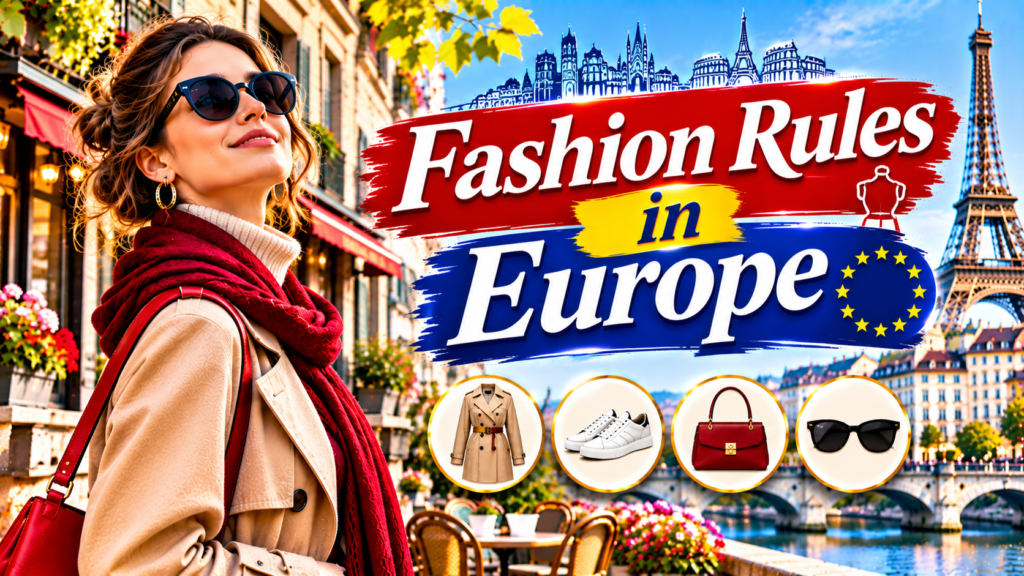
Useful clothing choices include:
- Shirts or tops that cover the shoulders.
- Trousers or longer skirts.
- Dresses with appropriate coverage.
- Lightweight scarves or shawls.
- Comfortable footwear suitable for walking.
For example, visitors to major religious sites in Italy or other European countries should check individual entry requirements rather than assume that the same dress code applies everywhere.
The general principle is to respect local customs, religious traditions, and visitor guidelines.
12. How Can You Follow European Fashion Rules While Travelling?
Travelling through Europe provides an opportunity to explore different fashion cultures. However, packing the right clothes can sometimes be challenging because destinations have different weather conditions and social expectations.
The best approach is to build a travel wardrobe around versatile clothing that can be styled in multiple ways.
What should you pack for a European holiday?
- Two or three versatile pairs of trousers.
- Comfortable jeans.
- Basic T-shirts and shirts.
- One or two smart-casual outfits.
- A lightweight jacket.
- Weather-appropriate outerwear.
- Comfortable walking shoes.
- A versatile handbag or backpack.
- Sunglasses and essential accessories.
- Clothing suitable for religious or formal locations.
A capsule wardrobe can make travelling easier because fewer clothing pieces can create several different outfits.
For example, one blazer can be paired with jeans during the day and tailored trousers for an evening dinner.
You should also consider luggage restrictions, the length of your trip, laundry facilities, and the activities you have planned.
13. Why Is Quality More Important Than Quantity in European Fashion?
Quality is a significant consideration in many traditional European fashion approaches. Instead of constantly purchasing new clothing, a well-planned wardrobe can focus on durable materials, good construction, and versatile designs.
This does not mean that fashionable clothing must always be expensive. Affordable brands, second-hand shops, and vintage markets can also provide excellent wardrobe options.
What should you look for when purchasing quality clothing?
- Strong stitching and well-finished seams.
- Comfortable and durable fabrics.
- Reliable zippers and buttons.
- Appropriate fabric weight.
- Colours that remain attractive after washing.
- Designs that can be worn for several seasons.
Investing in a few dependable wardrobe essentials can be more practical than buying numerous items that quickly lose their appeal.
Quality also connects with sustainable fashion because purchasing thoughtfully and caring for existing clothes can help reduce unnecessary consumption.
14. What Are the Common Fashion Mistakes to Avoid When Following European Style?
Developing a European-inspired wardrobe does not require following strict rules. However, certain styling mistakes can make an outfit appear unbalanced or unsuitable for its setting.
Here are some common mistakes to avoid:
1. Following every fashion trend: Not every trend suits every person. Choose clothing that complements your lifestyle and personal preferences.
2. Ignoring comfort: Uncomfortable shoes or restrictive clothing can make everyday activities difficult.
3. Wearing too many competing patterns: Combining several bold prints can sometimes make an outfit visually overwhelming.
4. Choosing the wrong clothing size: Clothing that does not fit properly may affect the overall appearance.
5. Ignoring the weather: Wearing unsuitable clothing can make travelling and outdoor activities uncomfortable.
6. Overusing accessories: Too many statement accessories can distract from the rest of the outfit.
7. Buying clothes only because of brand names: A designer label does not automatically guarantee that a garment suits your style.
8. Ignoring local dress expectations: Certain events, workplaces, and religious locations may require more appropriate clothing.
The best approach is to understand the purpose of each outfit and dress accordingly.
15. How Can You Create a European-Inspired Wardrobe on a Budget?
You do not need a luxury shopping budget to achieve a European-inspired appearance. Many classic European styling principles are based on simplicity, versatility, and thoughtful clothing combinations.
Start by identifying the clothes you already own. You may discover that several existing items can be combined to create new outfits.
Practical budget-friendly fashion tips include:
- Purchase versatile basics before statement pieces.
- Explore second-hand and vintage clothing shops.
- Look for seasonal discounts.
- Choose clothes that can be styled in different ways.
- Prioritise comfortable and durable footwear.
- Learn basic clothing-care techniques.
- Avoid unnecessary impulse purchases.
- Invest in tailoring when it meaningfully improves the fit.
For example, a basic white shirt can be styled with jeans, skirts, tailored trousers, or shorts. Similarly, a neutral blazer can work for casual outings, office environments, and semi-formal occasions.
The secret is to make every wardrobe purchase useful and intentional.
16. What Role Does Personal Grooming Play in European Fashion?
Personal grooming is another important element of a polished appearance. Even the most fashionable clothing may not create the desired impression if it is poorly maintained.
European fashion aesthetics often emphasise looking neat, comfortable, and confident rather than appearing overly styled.
Some useful grooming habits include:
- Keep clothes clean, ironed, and properly maintained.
- Choose hairstyles that suit your personality.
- Maintain clean and comfortable footwear.
- Use fragrances appropriately.
- Keep accessories in good condition.
- Choose makeup that complements your overall appearance, if you wear it.
- Maintain a simple and consistent personal-care routine.
Personal grooming should never be about meeting unrealistic beauty standards. It is about feeling comfortable and confident in your appearance.
17. Are European Fashion Rules Different for Men and Women?
European fashion offers a wide range of styling choices for both men and women. Although some traditional clothing categories differ, many modern fashion principles are shared.
European fashion rules for men
Men’s European-inspired fashion often combines classic tailoring with casual wardrobe essentials.
Popular choices include:
- Well-fitted shirts.
- Tailored trousers.
- Dark or neutral jeans.
- Classic blazers.
- Polo shirts.
- Leather loafers.
- Minimalist sneakers.
- Quality coats and jackets.
A combination of a fitted shirt, tailored trousers, and leather shoes can create an elegant appearance suitable for professional and social occasions.
European fashion rules for women
Women’s European-inspired fashion includes everything from minimalist everyday outfits to sophisticated dresses and contemporary streetwear.
Popular choices include:
- Classic dresses.
- Tailored blazers.
- Straight-leg jeans.
- Midi skirts.
- Elegant trousers.
- Comfortable flats.
- Leather handbags.
- Simple jewellery.
The emphasis is on creating outfits that balance comfort, elegance, and individuality.
Modern European fashion is also increasingly inclusive of different body types, identities, and personal expressions. There is no single correct way to dress.
18. How Is Sustainable Fashion Influencing European Fashion Rules?
Sustainability has become an increasingly important conversation within the European fashion industry. Consumers, designers, and fashion businesses are paying greater attention to environmental impact, responsible manufacturing, clothing longevity, and waste reduction.
The traditional idea of purchasing fewer but more versatile clothing pieces aligns with many sustainable fashion principles.
How can you make your wardrobe more sustainable?
- Choose durable clothing instead of disposable fashion.
- Purchase second-hand garments.
- Repair damaged clothes whenever possible.
- Donate or responsibly recycle unwanted clothing.
- Support transparent and responsible fashion brands.
- Avoid unnecessary purchases.
- Learn how to care for different fabrics.
Sustainable fashion is not simply about buying expensive eco-friendly products. It is also about making thoughtful decisions and extending the useful life of clothing.
European fashion continues to evolve as sustainability, innovation, and consumer awareness influence the industry.
19. What Are the Latest European Street Style Influences?
European street style is one of the most exciting parts of contemporary fashion. Unlike traditional runway fashion, street style reflects how people combine clothing in their everyday lives.
Fashion capitals such as Paris, Milan, London, Copenhagen, and Berlin have distinctive street-style identities.
Some popular street-style influences include:
- Oversized blazers with relaxed trousers.
- Minimalist sneakers with tailored clothing.
- Vintage-inspired jackets.
- Wide-leg trousers.
- Layered knitwear.
- Monochromatic outfits.
- Statement handbags.
- Contemporary sportswear combinations.
One interesting aspect of European street style is the combination of traditional and modern clothing. A classic coat may be paired with contemporary sneakers, while vintage accessories can complement modern silhouettes.
Street style demonstrates that fashion is constantly changing and that personal creativity is just as important as established trends.
20. How Can You Develop Your Own European-Inspired Fashion Identity?
Following European fashion rules should not mean copying another person’s wardrobe. The most successful style choices are those that reflect individual preferences, comfort, lifestyle, and personality.
Start by identifying the fashion aesthetics you enjoy most. You might prefer French-inspired minimalism, Italian sophistication, British vintage fashion, or Scandinavian simplicity.
Once you understand your preferences, create a wardrobe that supports your everyday activities.
Here are some practical steps:
- Identify your preferred colours and clothing silhouettes.
- Select versatile wardrobe essentials.
- Experiment with different outfit combinations.
- Invest in comfortable and durable footwear.
- Introduce accessories gradually.
- Consider the climate and activities when selecting outfits.
- Explore different European fashion influences.
- Avoid purchasing clothing simply because it is fashionable.
- Maintain and organise your existing wardrobe.
- Develop a personal style that makes you feel confident.
Remember that fashion is a form of self-expression. The purpose of understanding European fashion rules is to gain inspiration, not to restrict your creativity.
Frequently Asked Questions About Europe Fashion Rules
Q1. What are the basic fashion rules in Europe?
Ans: The basic principles include choosing comfortable clothing, wearing well-fitted outfits, selecting complementary colours, investing in versatile wardrobe essentials, and dressing appropriately for different occasions. Personal expression and cultural differences are also important parts of European fashion.
Q2. What should tourists avoid wearing in Europe?
Ans: Tourists should avoid clothing that is unsuitable for the weather or specific locations. For example, some religious attractions require modest clothing, while formal restaurants and special events may have particular dress expectations. There is no universal clothing restriction across Europe.
Q3. Is European fashion mostly minimalist?
Ans: Minimalism is an influential part of several European fashion aesthetics, particularly classic French and Scandinavian-inspired styling. However, European fashion also includes colourful outfits, bold prints, luxury designs, vintage clothing, and experimental streetwear.
Q4. What colours are popular in European fashion?
Ans: Black, white, beige, navy, grey, cream, brown, and olive green are common choices in classic European-inspired wardrobes. Bright colours and seasonal shades are also popular in contemporary fashion.
Q5. What shoes should you wear when travelling around Europe?
Ans: Comfortable sneakers, walking shoes, loafers, flats, and supportive sandals are practical options. Your footwear should suit the weather, walking distance, and activities planned during your trip.
Q6. Is expensive clothing necessary to look fashionable in Europe?
Ans: No. European-inspired fashion is not exclusively about luxury brands. Well-maintained affordable clothing, appropriate fitting, versatile basics, and thoughtful styling can create an elegant appearance without excessive spending.
Q7. How can beginners follow European fashion trends?
Ans: Beginners can start with simple wardrobe essentials such as neutral shirts, comfortable jeans, tailored trousers, versatile jackets, and classic footwear. They can gradually experiment with accessories, colours, and different European fashion influences.
Q8. What is the difference between European and American fashion?
Ans: There is no single style followed throughout either continent. However, some traditional European fashion aesthetics place considerable emphasis on tailoring, versatile wardrobe pieces, and understated styling, while many American fashion aesthetics embrace casual sportswear, denim, and relaxed everyday clothing. Both fashion cultures are diverse and continually influence each other.
Q9. Is modest dressing common in Europe?
Ans: Modest dressing is practised by many people across Europe, although clothing preferences differ according to individual beliefs, cultural backgrounds, and social settings. Some religious locations also have specific dress requirements for visitors.
Q10. What is the best way to build a timeless European wardrobe?
Ans: Start with versatile clothing in complementary colours, invest in durable fabrics, select comfortable footwear, and choose classic designs that can be worn for multiple occasions. Add contemporary trends through accessories and selected statement pieces.
Conclusion: Why Should You Follow Europe Fashion Rules?
Europe Fashion Rules offer valuable inspiration for anyone interested in developing a stylish, comfortable, and versatile wardrobe. From French-inspired simplicity and Italian sophistication to British creativity and Scandinavian minimalism, European fashion provides countless ideas for expressing personal style.
The most important principles are choosing appropriate clothing, understanding colour combinations, prioritising comfort, investing in quality, and selecting outfits that reflect your personality.
You do not need an expensive wardrobe or designer labels to achieve an elegant appearance. A few carefully selected essentials, thoughtful accessories, and confidence in your personal choices can make a significant difference.
Ultimately, European fashion is not about following strict rules. It is about understanding different styles, respecting cultural influences, and finding creative ways to make fashion your own.
Whether you are travelling across Europe or updating your everyday wardrobe, these fashion principles can help you develop a timeless style that combines elegance, practicality, and individuality.
Read More – What Are Europe Traditional Housewarming Customs?