
British Fashion Trends: How Is the UK Shaping Timeless Style and Modern Fashion?
British fashion trends represent a unique combination of timeless elegance, cultural heritage, creative experimentation, and contemporary style. From traditional tailoring and classic trench coats to modern streetwear and sustainable clothing, British fashion continues to influence wardrobes around the world. The United Kingdom has developed a distinctive fashion identity by combining historical influences with modern design, making its style relevant to different generations.
British fashion is not limited to expensive designer clothing or formal outfits. It includes everyday essentials, vintage-inspired looks, bold accessories, minimalist wardrobes, and creative street fashion. London, in particular, is recognised for its diverse fashion culture, where traditional British elegance meets innovative and unconventional designs.
One of the most interesting aspects of British fashion is its versatility. People can embrace a sophisticated appearance with tailored blazers and polished shoes or choose a relaxed look featuring oversized jackets, denim, trainers, and graphic T-shirts. This balance between tradition and individuality makes British fashion appealing to fashion enthusiasts worldwide.
Why Is British Fashion So Influential Around the World?
British fashion has influenced international style through its designers, fashion institutions, music culture, royal traditions, and distinctive street style. The United Kingdom has a long history of textile production, tailoring, craftsmanship, and fashion innovation. Over time, these elements have contributed to a fashion identity that balances classic design with experimentation.
London is one of the world’s major fashion capitals and hosts London Fashion Week, an important event for established designers and emerging creative talent. British fashion also draws inspiration from different communities, subcultures, and artistic movements, creating a diverse environment for new ideas.
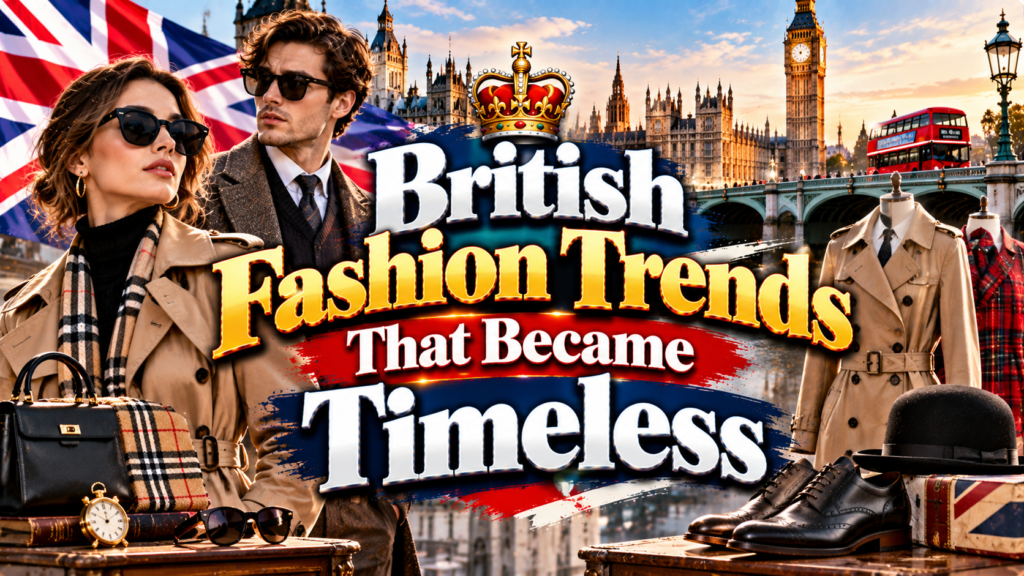
Several factors contribute to the global influence of British fashion:
- Traditional tailoring: British tailoring is associated with structured jackets, well-fitted trousers, and sophisticated formalwear.
- Street style: London street fashion encourages individuality, layering, vintage clothing, and unconventional combinations.
- Music and subcultures: Punk, mod, rock, and other youth movements have influenced clothing, footwear, hairstyles, and accessories.
- Royal and heritage fashion: Classic coats, elegant dresses, tartan patterns, and polished formalwear remain recognisable elements of British style.
- Fashion education: British institutions and designers continue to contribute to the development of international fashion talent.
These influences demonstrate how British fashion combines historical traditions with changing lifestyles and cultural expression.
What Are the Most Popular British Fashion Trends?
British fashion encompasses a wide range of styles, from traditional country-inspired clothing to contemporary urban outfits. Although individual preferences change over time, several recognisable trends remain important to British style.
1. Why Are Trench Coats an Essential Part of British Fashion?
The trench coat is one of the most iconic pieces of British-inspired clothing. Its practical design and sophisticated appearance make it suitable for changing weather, casual outings, office wear, and formal occasions. Traditionally associated with neutral colours such as beige, camel, navy, and black, the trench coat can complement almost any wardrobe.
Modern styling offers numerous possibilities. A classic trench coat can be worn over jeans and a simple T-shirt for an effortless everyday outfit. For a more formal appearance, it can be paired with tailored trousers, a button-down shirt, and leather shoes.
Longline silhouettes, belted waists, oversized fits, and water-resistant fabrics offer contemporary interpretations of this traditional garment.
2. How Does British Tailoring Create a Timeless Fashion Statement?
British tailoring is widely associated with craftsmanship, structured silhouettes, and refined details. Tailored suits, blazers, waistcoats, and formal trousers are important elements of classic British style.
A well-cut blazer can transform a simple outfit into a sophisticated look. It works equally well with tailored trousers for professional settings and with denim for smart-casual occasions. Double-breasted jackets, subtle pinstripes, and textured fabrics provide additional styling options.
British-inspired tailoring is also becoming more adaptable to everyday dressing. Relaxed shoulders, wider trousers, and softer fabrics allow people to enjoy a polished appearance without sacrificing comfort.
To incorporate tailoring into a modern wardrobe, consider:
- Choosing a blazer in navy, charcoal, beige, or another versatile shade.
- Pairing tailored trousers with simple knitwear or a classic shirt.
- Selecting comfortable fabrics that suit the season.
- Investing in pieces that can be styled for multiple occasions.
The result is a practical wardrobe that combines sophistication with long-lasting appeal.
3. Why Is British Street Style So Popular?
British street style is known for its creativity, diversity, and willingness to challenge conventional fashion rules. London streetwear frequently combines vintage clothing, contemporary trainers, oversized outerwear, bold accessories, and unexpected colour combinations.
Unlike highly coordinated outfits, street style often celebrates personal expression. A person might combine a traditional blazer with distressed denim, chunky footwear, and a graphic T-shirt. Another might prefer minimalist clothing with a statement handbag or distinctive jewellery.
Popular British-inspired streetwear elements include:
- Oversized jackets and relaxed-fit coats.
- Denim jeans, cargo trousers, and wide-leg pants.
- Trainers, combat boots, and chunky loafers.
- Graphic T-shirts and casual sweatshirts.
- Vintage-inspired bags, belts, and sunglasses.
The appeal of British street fashion lies in its flexibility. It encourages people to experiment with their existing wardrobes instead of following every new trend.
4. How Do Plaid and Tartan Patterns Influence British Fashion?
Plaid and tartan patterns have a strong association with British and Scottish clothing traditions. These distinctive designs appear in kilts, scarves, coats, skirts, trousers, and accessories. Their enduring popularity comes from their ability to add texture, colour, and heritage-inspired character to an outfit.
Traditional tartan patterns often feature combinations of red, green, blue, black, and yellow. Contemporary interpretations may use muted colours, oversized checks, or minimalist patterns.
For an everyday outfit, a checked scarf can add interest to a neutral coat. A tartan skirt can be paired with a plain jumper and boots, while a checked blazer can provide a sophisticated focal point.
To avoid overwhelming an outfit, consider balancing patterned garments with solid-colour basics. This approach allows the pattern to stand out without making the overall look feel too busy.
5. Why Are Knitwear and Layering Important in British Style?
The UK’s changeable weather makes layering a practical and stylish part of everyday dressing. Knitwear, cardigans, jumpers, lightweight jackets, and scarves allow people to adapt their outfits to different temperatures while creating visual interest.
Classic British-inspired knitwear includes crew-neck jumpers, cable-knit designs, fine-gauge sweaters, and comfortable cardigans. Neutral shades such as cream, grey, brown, navy, and black are easy to coordinate, while brighter colours can create a statement.
A simple layering combination might include a cotton shirt, a lightweight jumper, tailored trousers, and a coat. For casual wear, a T-shirt, cardigan, denim jacket, and comfortable trainers can work well together.
Successful layering depends on balancing proportions and choosing suitable fabrics. Lightweight pieces work best near the body, while heavier outerwear provides warmth and structure.
How Has British Fashion Changed Over Time?
British fashion has evolved through historical traditions, social changes, youth movements, and technological developments. Each era has introduced new silhouettes, materials, and attitudes towards clothing.
What Did Traditional British Fashion Look Like?
Traditional British fashion was shaped by formal dress codes, tailoring, outdoor activities, and regional textile traditions. Structured suits, waistcoats, wool coats, tweed jackets, leather shoes, and carefully chosen accessories were prominent elements of classic dressing.
Country-inspired clothing developed around practical needs and outdoor pursuits. Tweed, wool, sturdy boots, and waxed jackets became associated with durability and the British countryside.
Meanwhile, formal tailoring established a reputation for precision and craftsmanship. These historical influences remain visible in modern wardrobes, even when garments are adapted for comfort and casual use.
How Did British Youth Culture Transform Fashion?
British youth culture played a major role in making fashion more expressive and experimental. During the twentieth century, different music scenes and youth movements developed distinctive clothing styles that challenged traditional expectations.
The mod movement became associated with tailored suits, clean silhouettes, and carefully styled looks. Punk introduced rebellious aesthetics through leather jackets, ripped garments, bold graphics, and unconventional accessories. Later music and streetwear cultures continued to influence denim, trainers, sportswear, and oversized clothing.
These movements demonstrate that British fashion is not simply about tradition. It also reflects changing social attitudes, music, creativity, and individual identity.
How Did London Become a Global Fashion Capital?
London’s fashion identity developed through a combination of design talent, historic craftsmanship, cultural diversity, and creative independence. The city provides a platform for established fashion houses as well as emerging designers who experiment with new materials, silhouettes, and concepts.
London Fashion Week contributes to this reputation by presenting collections, supporting designers, and connecting fashion businesses with international audiences. London’s street style also attracts attention because it combines high fashion, vintage finds, everyday clothing, and distinctive personal expression.
This creative environment helps British fashion remain relevant while allowing traditional design elements to evolve.
What Are the Essential Clothing Items for a British-Inspired Wardrobe?
Building a British-inspired wardrobe does not require purchasing an entirely new collection of clothes. A small selection of versatile garments can create numerous outfits suitable for different occasions.
Which Wardrobe Essentials Should You Choose?
Consider investing in these foundational pieces:
- A classic trench coat: Suitable for transitional weather and smart-casual dressing.
- A tailored blazer: Adds structure to jeans, dresses, shirts, and trousers.
- Straight-leg denim: A versatile option for casual and relaxed outfits.
- Neutral knitwear: Useful for layering and creating comfortable everyday looks.
- A white or light-blue shirt: Works for office wear, formal occasions, and casual styling.
- A pair of loafers or ankle boots: Offers a polished alternative to everyday trainers.
- A checked scarf: Adds colour and a heritage-inspired touch.
- A versatile wool coat: Provides warmth and complements both formal and casual clothing.
The most useful pieces are those that fit comfortably, coordinate with existing clothes, and suit the local climate. Quality, fit, and versatility are often more valuable than the number of garments in a wardrobe.
How Can You Style British Fashion Trends for Everyday Wear?
British-inspired outfits can be adapted to different lifestyles, whether you are dressing for work, university, travel, social events, or a relaxed weekend.
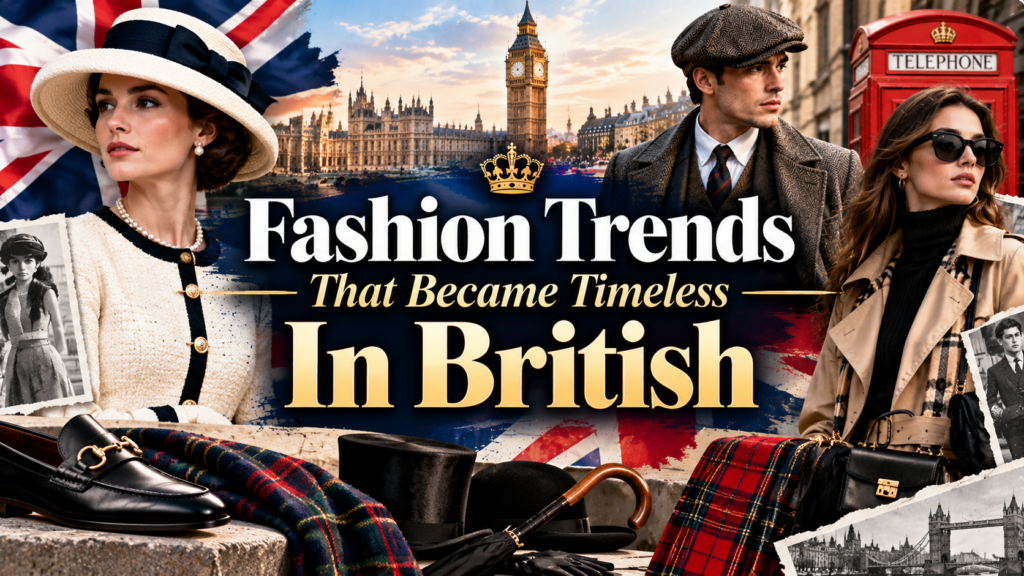
How Can You Create a Casual British-Inspired Outfit?
For a casual look, combine straight-leg jeans with a neutral T-shirt, a relaxed blazer, and comfortable trainers. Add a crossbody bag or simple sunglasses to complete the outfit.
During cooler weather, replace the blazer with a wool coat or trench coat and add a scarf. The key is to combine practical clothing with a few structured elements that create a polished appearance.
How Can You Achieve a Smart-Casual British Look?
Smart-casual dressing combines formal and relaxed elements. A tailored blazer, knit jumper, dark denim, and loafers create a balanced outfit suitable for informal meetings, dinners, and social occasions.
For a more feminine interpretation, a midi skirt can be paired with knitwear, ankle boots, and a structured coat. The same principles can be adapted to different personal styles and preferences.
What Should You Wear for British-Inspired Office Fashion?
Professional British-inspired fashion often emphasises neat silhouettes, versatile colours, and well-fitted clothing. Tailored trousers, structured blazers, shirts, fine-knit jumpers, and polished footwear form a reliable foundation.
A practical office wardrobe can include navy, black, grey, cream, and earthy shades. Small accessories, such as a leather belt or understated watch, can add refinement without distracting from the overall outfit.
For workplaces with relaxed dress codes, combining a blazer with dark jeans or pairing tailored trousers with a simple knit top can create a contemporary professional look.
How Can You Style British Fashion for Evening Events?
Evening fashion can combine classic British elegance with contemporary details. A well-fitted suit, an elegant dress, a tailored coat, or a monochromatic outfit can work for a variety of events.
Accessories help determine the overall mood. Leather shoes, a structured handbag, delicate jewellery, or a statement belt can elevate a simple outfit. The best choice depends on the dress code, weather, and formality of the occasion.
What Colours Define British Fashion Trends?
British-inspired wardrobes often feature versatile colours that are easy to combine. Navy, charcoal, black, cream, beige, camel, olive, and brown are common choices for classic outerwear, knitwear, tailoring, and accessories.
These colours work well because they can be mixed across different outfits. A camel coat, for example, complements dark denim, black trousers, cream knitwear, and many other wardrobe staples.
However, British fashion is not restricted to neutral shades. Burgundy, forest green, red, cobalt blue, and pastel colours can provide personality and seasonal variety.
For a balanced look, use neutral garments as the foundation and introduce brighter colours through one or two pieces. A colourful scarf, patterned skirt, statement jacket, or distinctive handbag can make an otherwise simple outfit feel more individual.
How Do British Designers Influence Modern Fashion?
British designers have contributed significantly to international fashion through tailoring, luxury craftsmanship, innovative silhouettes, and unconventional creative ideas.
Designers such as Alexander McQueen, Vivienne Westwood, Stella McCartney, and Burberry’s design teams have helped shape different aspects of the British fashion identity. Their work reflects a broad range of approaches, from theatrical design and rebellious fashion to refined outerwear and sustainability-focused innovation.
British fashion houses and independent designers often explore the relationship between tradition and modernity. Classic fabrics and tailoring techniques may be reinterpreted through unexpected proportions, contemporary styling, or new production methods.
Fashion weeks, design schools, independent studios, and creative communities also help emerging talent develop fresh ideas. This ongoing exchange between established heritage and new experimentation keeps British fashion diverse and influential.
Why Is Sustainable Fashion Becoming Important in the UK?
Sustainable fashion has become an important topic as consumers, designers, and clothing businesses consider the environmental and social effects of garment production. Interest in durable clothing, second-hand shopping, repair, and responsible sourcing has encouraged people to rethink how they build their wardrobes.
British-inspired fashion can support more thoughtful consumption because many classic garments are designed to remain useful beyond a single season. A durable coat, versatile blazer, or well-made pair of boots may be worn for years when properly cared for.
How Can You Follow Sustainable British Fashion Trends?
You can make more responsible fashion choices by adopting a few practical habits:
- Buy fewer items and choose garments that work with your existing wardrobe.
- Explore second-hand shops and vintage markets for distinctive clothing.
- Repair damaged garments instead of replacing them immediately.
- Follow care instructions to help clothes last longer.
- Consider fabric durability, construction quality, and brand transparency.
- Donate, resell, or responsibly recycle clothing you no longer need.
Sustainable fashion does not require a particular budget or a completely new wardrobe. The goal is to make informed purchasing decisions, reduce unnecessary waste, and get more use from the clothes you already own.
How Does British Weather Influence Fashion Choices?
The UK’s changing weather has a significant influence on clothing choices. Rain, wind, cooler temperatures, and occasional warmer periods make adaptable garments especially useful.
Outerwear is a particularly important part of British-inspired dressing. Trench coats, wool coats, lightweight waterproof jackets, and quilted outerwear provide different levels of protection depending on the conditions.
Layering is equally valuable because temperatures can change throughout the day. A breathable shirt, lightweight knitwear, and a removable jacket offer flexibility without requiring a complete outfit change.
Footwear should also match the weather and intended activity. Leather boots, water-resistant shoes, and comfortable trainers can all play a role in a practical wardrobe.
Although these choices are influenced by the UK climate, the same principles can be adapted to other countries. People living in warmer regions can embrace British style through lightweight tailoring, cotton shirts, relaxed trousers, and breathable fabrics instead of heavy coats and thick knitwear.
What Accessories Complete a British Fashion Look?
Accessories can transform a simple outfit and introduce character without requiring major wardrobe changes. British-inspired styling often incorporates scarves, structured handbags, leather belts, classic watches, sunglasses, and understated jewellery.
A checked scarf adds a heritage-inspired element to a neutral coat, while a leather belt can bring structure to tailored trousers or denim. A structured handbag works well with formal clothing, whereas a crossbody bag may be more suitable for everyday use.
Footwear is another important detail. Loafers and ankle boots create a polished appearance, while trainers provide a relaxed, contemporary feel.
The most effective approach is to select accessories that complement the outfit rather than compete with it. A single distinctive item can often create more impact than several unrelated accessories.
How Can You Follow British Fashion Trends on a Budget?
Following British fashion does not require buying luxury labels or expensive designer collections. Many of the defining elements of British style can be recreated with affordable basics, second-hand clothing, and carefully selected accessories.
Start by identifying the pieces you already own. A simple shirt, dark jeans, neutral jumper, and comfortable shoes can form the foundation of several outfits. Adding a checked scarf, structured jacket, or classic coat can introduce a British-inspired aesthetic.
To shop more strategically:
- Prioritise versatile garments: Choose items that can be worn in multiple combinations.
- Focus on fit: Affordable clothing can look refined when it fits well.
- Explore second-hand options: Vintage and pre-owned garments can provide unique styles at different price points.
- Avoid unnecessary purchases: Buy clothing because it suits your wardrobe, not simply because it is trending.
- Experiment with styling: Layering, rolling sleeves, changing footwear, and combining textures can create new looks from existing clothes.
A thoughtful wardrobe is often more useful than a large collection of clothing that rarely gets worn.
What Are the Differences Between British Fashion and Other European Fashion Styles?
British fashion shares many influences with other European fashion traditions, but its identity is often associated with distinctive tailoring, heritage fabrics, creative streetwear, and a willingness to combine contrasting styles.
French-inspired fashion is frequently associated with understated elegance and carefully coordinated basics. Italian fashion is often linked to expressive tailoring, luxurious materials, and strong attention to presentation. British fashion, by comparison, is widely recognised for its mix of traditional structure, practical outerwear, subcultural influences, and individual experimentation.
These are broad cultural associations rather than strict rules. Designers and consumers across Europe embrace many different styles, and contemporary fashion regularly blends influences from multiple countries.
British fashion stands out because it allows classic garments to coexist with bold, unconventional choices. A traditional tweed jacket may be styled with modern trainers, while a tailored coat may be combined with relaxed denim. This contrast creates a distinctive look that can be both polished and personal.
How Can You Adapt British Fashion Trends to Different Seasons?
Seasonal styling allows you to enjoy British-inspired fashion while choosing clothing appropriate for the temperature and weather.
What Should You Wear for Spring?
Spring outfits can include lightweight trench coats, cotton shirts, straight-leg jeans, loafers, and thin knitwear. Pastel colours and lighter neutrals can create a fresh appearance while maintaining a classic aesthetic.
How Can You Style British Fashion in Summer?
Summer dressing works best with breathable fabrics such as cotton and linen. Lightweight shirts, relaxed trousers, simple dresses, and comfortable footwear help maintain a polished look without excessive layering.
Which British Fashion Trends Work Best in Autumn?
Autumn is ideal for layering with knitwear, checked scarves, tailored jackets, ankle boots, and midweight coats. Earthy colours such as brown, olive, burgundy, and camel can complement the season.
How Can You Create a Stylish Winter Wardrobe?
Winter outfits can combine wool coats, warm jumpers, scarves, boots, and heavier trousers. Layering helps maintain warmth, while neutral colours and classic silhouettes make it easier to coordinate different garments.
Seasonal dressing should always reflect your local climate. British fashion is best treated as a source of styling inspiration rather than a requirement to wear heavy clothing regardless of the weather.
What Is the Future of British Fashion?
The future of British fashion is likely to continue balancing heritage, creativity, sustainability, and changing consumer preferences. Traditional tailoring and classic outerwear remain valuable sources of inspiration, while digital platforms and changing lifestyles influence how people discover and wear clothing.
Contemporary consumers increasingly have access to independent labels, vintage sellers, international designers, and online styling communities. This wider choice encourages people to create wardrobes that reflect their personalities rather than follow a single fashion formula.
Sustainability, material innovation, inclusive design, and adaptable clothing are also important areas of discussion across the fashion industry. Designers and businesses are exploring how garments can remain attractive and useful while responding to changing expectations around production and consumption.
British fashion’s strength lies in its diversity. Its heritage provides a foundation, but its creative culture allows designers and everyday wearers to reinterpret established styles in new ways.
Why Should You Embrace British Fashion Trends?
British fashion offers a practical way to combine timeless clothing with personal expression. From classic trench coats and tailored blazers to contemporary streetwear, vintage accessories, and sustainable wardrobe choices, its many influences provide ideas for different ages, lifestyles, and budgets.
The most effective way to embrace British fashion is to choose pieces that suit your preferences and everyday needs. You do not need to follow every trend or purchase designer labels. Instead, focus on versatile clothing, comfortable fits, thoughtful layering, and accessories that reflect your personality.
Whether you prefer understated elegance, bold street style, or a mixture of traditional and contemporary clothing, British fashion offers plenty of inspiration. By combining heritage pieces with modern styling, you can create outfits that feel distinctive, practical, and timeless.
Ultimately, British fashion is not just about what you wear. It is about how you combine clothing, express individuality, and adapt established styles to your own life. That combination of tradition and creativity is what continues to make British fashion relevant around the world.
Read More – Most Famous Artists from Spain