
What Are Community Gardens and Why Are They Important?
Community gardens are shared green spaces where people come together to grow vegetables, fruits, herbs, flowers, and other plants. These gardens may be located in residential neighborhoods, public parks, schools, unused urban spaces, or community centers. They provide opportunities for people to connect with nature while building meaningful relationships with those who live nearby.
In today’s fast-paced world, many people have limited opportunities to interact with their neighbours. Busy schedules, digital communication, and urban lifestyles can sometimes create social distance between people living just a few steps apart. Community gardens offer a simple yet effective way to bring people together through a shared interest in gardening and environmental care.
More than places to grow plants, community gardens can become welcoming spaces where individuals exchange knowledge, share resources, celebrate achievements, and work toward common goals. Whether a garden is managed by a small group of residents or a large neighborhood organization, its greatest strength often lies in the relationships it helps develop.
How Do Community Gardens Bring Neighbours Together?
Community gardens encourage neighbors to spend time together in a relaxed and productive environment. People who may rarely speak to one another can meet while watering plants, preparing garden beds, planting seeds, or harvesting vegetables. These everyday activities create natural opportunities for conversation and friendship.
Unlike many social activities that require expensive equipment or formal arrangements, gardening allows people to participate at their own pace. Some may contribute a few hours each week, while others may help organize activities, maintain tools, or share gardening advice.
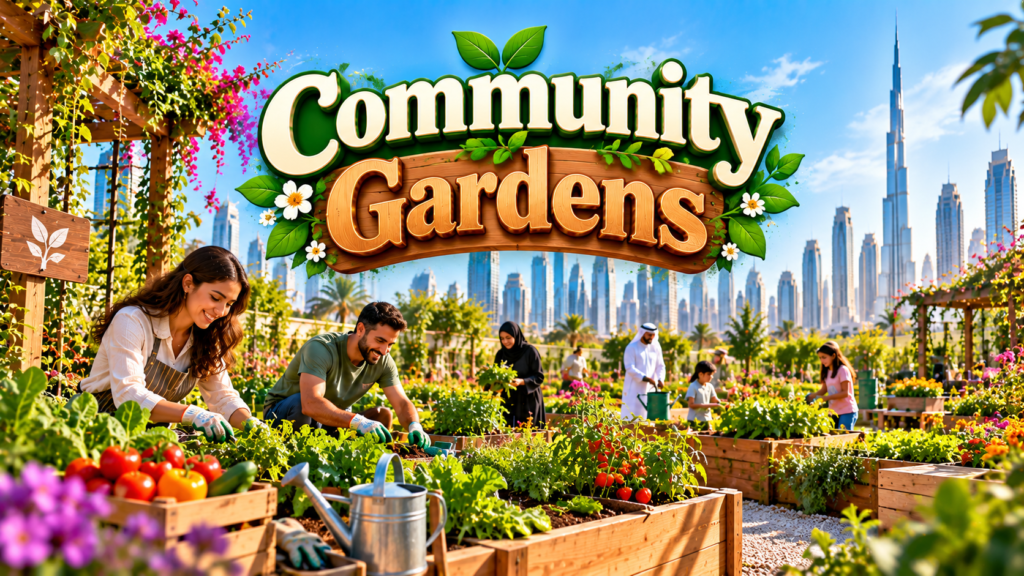
Community gardens can bring neighbours together in several ways:
- Shared responsibilities: Residents work together to plant, water, weed, and maintain the garden.
- Regular interaction: Frequent visits create opportunities for conversations and stronger relationships.
- Knowledge sharing: Experienced gardeners help beginners learn practical skills.
- Community celebrations: Harvest festivals, gardening workshops, and seasonal events create enjoyable shared experiences.
- Mutual support: Neighbours can exchange seeds, seedlings, fresh produce, and useful gardening resources.
Over time, these interactions can turn unfamiliar faces into trusted neighbours and help create a stronger sense of belonging.
What Social Benefits Do Community Gardens Offer?
One of the most important benefits of community gardens is their ability to encourage social connection. In many neighborhoods, people live close together without developing meaningful relationships. A shared garden provides a common purpose that can help overcome this distance.
Working alongside others encourages communication, cooperation, and understanding. People from different age groups, professions, cultures, and backgrounds can learn from one another through simple gardening activities.
Community gardens can also create welcoming opportunities for people who have recently moved into an area. Joining a gardening group gives newcomers a chance to meet residents, learn about their neighborhood, and feel included in local activities.
The social benefits of community gardening include:
- Building friendships among neighbours.
- Encouraging teamwork and cooperation.
- Creating opportunities for intergenerational interaction.
- Reducing feelings of social isolation for some participants.
- Strengthening neighborhood identity.
- Encouraging residents to participate in local improvement projects.
Although a garden cannot solve every social challenge, it can provide a practical starting point for creating a more connected and supportive community.
Can Community Gardens Improve Mental and Emotional Well-Being?
Gardening can offer a refreshing break from daily responsibilities and digital distractions. Spending time outdoors, caring for plants, and observing their growth can provide a sense of calm and accomplishment. Community gardening combines these experiences with opportunities for social interaction.
For many participants, gardening creates a routine that encourages them to slow down and focus on a meaningful activity. Planting a seed, watching it grow, and eventually harvesting the results can be deeply satisfying.
Community gardens also provide opportunities to share experiences with others. Conversations during gardening sessions may help people feel more connected to their surroundings and less alone in their everyday lives.
Some potential well-being benefits include:
- Providing a relaxing outdoor activity.
- Encouraging gentle physical movement.
- Creating a sense of purpose through plant care.
- Offering opportunities for social interaction.
- Helping participants develop patience and responsibility.
- Supporting a stronger connection with nature.
Individual experiences vary, and community gardening should complement rather than replace professional support when someone needs help with mental or emotional health.
How Do Community Gardens Encourage Healthy Eating?
Community gardens can make fresh vegetables, fruits, and herbs more accessible to participating households. Growing food locally gives gardeners a better understanding of how produce is cultivated and encourages them to explore fresh ingredients.
When people grow their own food, they may become more interested in preparing meals with vegetables and herbs. Children can learn where food comes from, while adults can experiment with new crops and cooking methods.
Depending on the climate, available space, and growing season, a community garden may produce tomatoes, spinach, beans, chillies, coriander, lettuce, carrots, cucumbers, and other useful crops.
Community gardening can support healthy eating by:
- Encouraging the consumption of fresh produce.
- Introducing participants to unfamiliar vegetables and herbs.
- Helping families learn basic food-growing skills.
- Providing opportunities to exchange recipes.
- Teaching children about nutrition and seasonal foods.
- Making locally grown produce available for sharing.
However, gardens do not automatically guarantee food security. Their contribution depends on the amount of land available, the crops grown, the resources provided, and how fairly the harvest is distributed.
Why Are Community Gardens Important for Children and Young People?
Community gardens offer children and young people an opportunity to learn outside the classroom. By participating in planting, watering, composting, and harvesting, they can develop practical skills while discovering how plants grow.
Gardening encourages curiosity and helps children understand the relationship between soil, water, sunlight, insects, and food production. It can also introduce important environmental concepts in an enjoyable and accessible way.
When children garden alongside adults and older residents, they have opportunities to learn from different generations. These interactions can encourage respect, communication, and shared responsibility.
Educational activities in community gardens may include:
- Identifying different plants and insects.
- Learning how seeds germinate.
- Understanding composting and soil health.
- Measuring plant growth and keeping observation journals.
- Exploring seasonal vegetables and fruits.
- Learning about pollinators and biodiversity.
- Practising teamwork through shared gardening projects.
Parents, schools, and community organizations can collaborate to create safe, age-appropriate gardening activities that make environmental learning more engaging.
How Can Community Gardens Connect Different Generations?
Community gardens can bring together children, teenagers, adults, and older residents through activities that benefit from different experiences and perspectives.
Older gardeners may share traditional growing techniques, knowledge of local plants, and practical advice about seasonal planting. Younger participants may contribute fresh ideas, digital skills, or enthusiasm for environmental projects. Both groups can learn from each other.
These exchanges can help reduce generational barriers and create opportunities for meaningful conversations. Rather than interacting only during formal events, participants can build relationships gradually through regular gardening activities.
Intergenerational gardening projects may include:
- Organizing seed-saving workshops.
- Creating gardens featuring traditional plants.
- Sharing family gardening stories.
- Teaching children how to grow seasonal vegetables.
- Recording local knowledge about herbs and crops.
- Hosting harvest celebrations for all age groups.
Such activities can help preserve useful knowledge while making community spaces more inclusive and welcoming.
What Environmental Benefits Do Community Gardens Provide?
Community gardens can contribute to greener and more environmentally aware neighborhoods. Plants add vegetation to built-up areas, while well-managed gardens can create habitats for pollinators and other beneficial organisms.
Gardens that use composting, water conservation, and responsible soil management can also encourage more sustainable household habits. Residents may become more conscious of food waste, resource use, and the environmental effects of their daily choices.
The environmental benefits of community gardens may include:
- Supporting bees, butterflies, and other pollinators.
- Increasing local green cover.
- Encouraging composting of suitable organic waste.
- Improving awareness of soil and water conservation.
- Providing opportunities to grow seasonal food locally.
- Creating small habitats for beneficial wildlife.
- Encouraging responsible use of shared outdoor spaces.
The actual environmental impact depends on how a garden is designed and maintained. For example, excessive watering, unsuitable pesticide use, or transporting materials over long distances can reduce its sustainability benefits.
How Can Community Gardens Make Urban Neighbourhoods Greener?
Urban neighborhoods often have limited green space, especially in densely populated residential areas. Community gardens can help residents make better use of suitable vacant plots, shared courtyards, rooftops, and other approved spaces.
A well-designed garden can introduce greenery into areas dominated by buildings, roads, and concrete. Raised beds, container gardens, vertical planters, and small herb plots can make gardening possible even where open land is limited.
Residents can begin with a modest project rather than waiting for a large area to become available. A few containers of herbs or a shared vegetable bed can provide a starting point for future development.
Practical ideas for greener neighborhoods include:
- Transforming suitable unused spaces into planted areas with permission.
- Creating shared herb and vegetable beds.
- Planting flowers that support local pollinators.
- Using containers in courtyards and other appropriate locations.
- Installing rainwater collection systems where permitted and suitable.
- Organizing regular clean-up and garden maintenance days.
Before developing a site, organizers should check land ownership, local permissions, water access, sunlight, drainage, and possible soil contamination.
How Can Neighbours Start a Community Garden?
Starting a community garden does not always require a large budget or extensive gardening experience. The process becomes easier when residents begin with a clear plan and divide responsibilities among interested participants.
The first step is to identify people who would like to take part. A small meeting, neighborhood message group, community noticeboard, or informal conversation can help determine the level of interest.
Once a group has formed, residents can explore suitable locations, decide what to grow, estimate costs, and agree on how the garden will be managed.
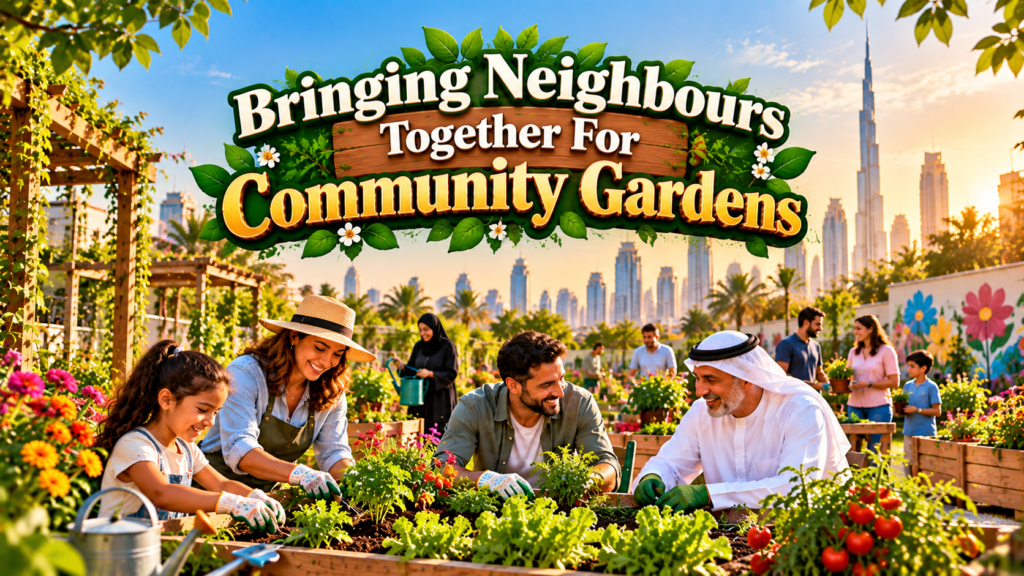
A practical step-by-step approach includes:
- Gather interested residents: Speak with neighbours and identify volunteers who can contribute time or resources.
- Find a suitable location: Consider sunlight, water access, drainage, accessibility, and land ownership.
- Obtain permission: Contact the property owner, housing association, municipality, or relevant authority.
- Create a simple budget: Estimate the cost of soil, compost, seeds, tools, fencing, and water.
- Divide responsibilities: Assign tasks such as watering, weeding, purchasing supplies, and coordinating volunteers.
- Choose suitable plants: Select crops that match the local climate, season, available space, and gardening experience.
- Establish shared rules: Agree on access, harvest distribution, maintenance, and respectful use of the space.
- Review progress regularly: Discuss challenges, celebrate successes, and adjust the plan when necessary.
Starting small helps participants learn together and reduces the pressure of managing a large project immediately.
What Are the Best Plants for a Community Garden?
The best plants for a community garden depend on the local climate, soil conditions, available sunlight, water supply, and growing season. Choosing suitable crops can make gardening easier for beginners and improve the chances of a successful harvest.
Vegetables and herbs that grow relatively quickly are often useful for shared projects because participants can observe visible progress within a manageable period.
Depending on the region, suitable options may include:
- Leafy vegetables: Spinach, lettuce, amaranth, and other locally adapted greens.
- Herbs: Coriander, mint, basil, parsley, and other culinary herbs.
- Vegetables: Tomatoes, beans, radishes, chillies, and cucumbers where conditions are suitable.
- Fruits: Strawberries or regionally appropriate fruit plants where space and climate permit.
- Flowers: Marigolds, sunflowers, and native flowering plants suitable for local pollinators.
It is helpful to combine plants with different growing periods so that the garden remains productive throughout the year. Gardeners should also consider crop rotation, plant spacing, and the needs of each species.
Where edible plants will be grown, the soil should be assessed for potential contamination, especially on former industrial land or sites with an uncertain history.
How Can Community Gardens Encourage Cultural Exchange?
Food and gardening traditions vary widely between families and cultures. Community gardens create opportunities for residents to share these traditions through seeds, recipes, growing techniques, and stories about familiar plants.
A neighbour who grows traditional herbs may introduce others to their uses in cooking, while another resident may explain how particular vegetables are prepared for seasonal celebrations. These exchanges can help participants discover new foods and appreciate the diversity of their community.
Cultural gardening activities may include:
- Growing vegetables used in different regional cuisines.
- Hosting seed-sharing events.
- Organizing community cooking demonstrations.
- Creating themed planting beds.
- Sharing stories about traditional farming practices.
- Celebrating seasonal harvests respectfully and inclusively.
A culturally diverse garden can become a place where residents learn about each other through everyday experiences rather than formal introductions alone.
How Can Community Gardens Support Local Food Sharing?
Community gardens can create opportunities for residents to share fresh produce, particularly when certain crops produce more than individual gardeners can use. A fair and transparent sharing system helps ensure that the harvest benefits the wider group.
Participants may agree to divide produce among those who maintain the garden, donate surplus vegetables to local community kitchens, or offer suitable produce to neighbours who need it.
Successful food-sharing arrangements require clear communication. Organizers should explain how harvests will be distributed and establish practical rules for picking, storing, and transporting produce safely.
Ways to encourage food sharing include:
- Setting up a shared harvest table during agreed hours.
- Donating surplus produce to suitable local organizations.
- Sharing recipes that use seasonal ingredients.
- Arranging produce exchanges between households.
- Creating a volunteer rota for harvesting and distribution.
- Keeping records of donations when useful for the project.
Food sharing should respect participants’ contributions while ensuring that community members understand how to access available produce.
What Challenges Do Community Gardens Face?
Although community gardens provide many opportunities, maintaining them can be challenging. Gardens require time, resources, coordination, and consistent participation. Problems can arise when responsibilities are unclear or when expectations differ among residents.
Water shortages, unsuitable soil, pests, extreme weather, vandalism, and limited funding can also affect the garden’s success.
Common challenges and possible solutions include:
- Limited funding: Seek small community grants, local sponsorships, or voluntary contributions.
- Unequal workloads: Establish a realistic rota and divide tasks according to participants’ availability.
- Disagreements over harvests: Create transparent distribution rules before planting begins.
- Water shortages: Use appropriate mulching, efficient watering methods, and drought-tolerant plants.
- Low participation: Organize beginner-friendly events and make volunteer tasks manageable.
- Pest problems: Use locally appropriate integrated pest management practices.
- Site-related risks: Check permissions, soil conditions, drainage, and site safety before planting.
Open communication is essential. Regular meetings and clear decision-making processes can prevent minor misunderstandings from becoming major disputes.
How Can Community Gardens Become More Inclusive?
A successful community garden should welcome people with different abilities, schedules, incomes, and levels of gardening experience. Inclusion is important because the garden’s social benefits are strongest when participation is not limited to a small group.
Organizers can offer a variety of tasks so that people can contribute according to their abilities and interests. Not everyone needs to dig, lift heavy containers, or work for long periods to become a valued participant.
Practical ways to improve inclusion include:
- Providing raised beds or accessible planting containers where feasible.
- Keeping pathways stable, clear, and wide enough for intended users.
- Offering flexible volunteer schedules.
- Providing basic gardening instruction for beginners.
- Communicating rules in clear, accessible language.
- Considering low-cost participation options.
- Inviting feedback from different groups of residents.
- Ensuring that shared decisions and opportunities are transparent.
An inclusive garden recognizes that people contribute in different ways, including planning, teaching, organizing events, maintaining records, and sharing knowledge.
How Can Technology Help Community Gardens Grow?
Technology can simplify the organization of community gardens without replacing the personal connections that make them valuable. Simple digital tools can help residents coordinate tasks, exchange advice, and share information about upcoming activities.
A neighborhood messaging group can be used to announce watering schedules, request volunteers, share photos of plant growth, and notify members when produce is ready for harvesting.
More organized projects may benefit from digital calendars, shared spreadsheets, weather information, and basic garden-planning tools.
Useful approaches include:
- Creating a group chat for garden updates.
- Maintaining a shared calendar of gardening activities.
- Recording planting dates and harvest quantities.
- Sharing short instructional guides for beginners.
- Using local weather forecasts to plan watering and planting.
- Posting event notices through community websites or noticeboards.
Digital communication should remain optional where possible so that residents without reliable internet access can participate equally.
How Can Local Authorities and Organizations Support Community Gardens?
Local authorities, schools, housing associations, charities, and community organizations can help residents establish and maintain shared gardens. Their support may include access to suitable land, gardening materials, water facilities, training, or small grants.
Partnerships can also help gardens become more sustainable over time. For example, schools may contribute educational activities, environmental organizations may provide horticultural guidance, and local businesses may donate appropriate tools or compost.
Possible forms of support include:
- Identifying suitable public or shared spaces.
- Offering guidance on permissions and site safety.
- Providing training in sustainable gardening.
- Supporting community gardening events.
- Helping secure seeds, tools, and planting materials.
- Connecting garden groups with food-sharing organizations.
- Recognizing volunteers who contribute to local improvement projects.
Successful partnerships should respect the community’s needs and ensure that residents remain involved in decisions about how the garden is used and managed.
What Is the Future of Community Gardens?
Community gardens have the potential to play an increasingly valuable role in neighborhoods seeking greener spaces, stronger social connections, and more sustainable everyday habits. As urban populations grow and environmental concerns receive greater attention, shared gardening projects can offer practical opportunities for residents to participate in local improvement.
Future community gardens may combine traditional growing methods with rainwater harvesting, composting, pollinator-friendly planting, accessible raised beds, and educational programs. Some projects may also explore rooftop gardening, vertical growing systems, and other space-efficient approaches where conditions permit.
However, the future of community gardening depends less on advanced technology than on continued participation, responsible management, and access to suitable land.
Communities can strengthen their gardens by encouraging younger volunteers, supporting experienced gardeners, developing partnerships, and sharing successful ideas with neighbouring areas.
Why Should Every Neighbourhood Consider a Community Garden?
Every neighbourhood has its own needs, resources, and challenges, but community gardens can offer a flexible way to bring people together around a shared purpose. Even a small garden can encourage residents to spend time outdoors, learn new skills, and develop a greater appreciation for their surroundings.
A garden does not need to be large or expensive to make a difference. A shared herb bed, a few vegetable containers, or a collection of flowering plants can provide a starting point for conversations and cooperation.
By working together, residents can create a space that reflects their community’s interests while encouraging environmental responsibility and social participation.
The most successful community gardens are built on shared ownership, clear communication, and mutual respect. Their value lies not only in the plants they produce but also in the friendships, knowledge, and collective achievements that grow alongside them.
Conclusion: Can Community Gardens Create Stronger Neighbourhoods?
Community gardens demonstrate how a simple shared activity can help bring people closer together. By growing food, caring for plants, exchanging knowledge, and supporting one another, neighbours can transform an ordinary outdoor space into a meaningful community resource.
These gardens can encourage healthier habits, environmental awareness, cultural exchange, intergenerational learning, and greater participation in neighborhood life. Although challenges such as funding, maintenance, and access to land require careful planning, cooperation can help communities overcome many of these obstacles.
Ultimately, community gardens are about more than gardening. They are about creating opportunities for people to connect, contribute, and build a shared sense of belonging. When neighbours work together to nurture a garden, they also help cultivate a stronger, greener, and more welcoming community.
A garden grows through care, but a community grows through connection.
Read More – European Industries Expected to Grow