
What is the Mediterranean Diet?
The Mediterranean diet is one of the world’s most popular healthy eating patterns, known for its focus on fresh vegetables, fruits, whole grains, legumes, nuts, seeds, olive oil, and other nutrient-rich foods. Inspired by traditional eating habits in countries such as Greece, Italy, and Spain, this diet emphasizes balanced nutrition, variety, and enjoying meals with family and friends. Rather than following strict food rules or eliminating entire food groups, the Mediterranean diet encourages people to make healthier food choices consistently.
One of the main reasons the Mediterranean diet has gained worldwide attention is its flexible approach to healthy living. It does not require counting every calorie or purchasing expensive specialty foods. Instead, it encourages people to eat more minimally processed foods, include healthy fats, choose appropriate portions, and limit foods high in added sugars, excess salt, and unhealthy fats. This makes the Mediterranean diet appealing to people who want to improve their eating habits without following a highly restrictive diet.
Why Is the Mediterranean Diet So Popular?
The Mediterranean diet has become popular because it combines simple food choices with a sustainable approach to everyday eating. Many diets focus on rapid weight loss or strict restrictions, but the Mediterranean diet prioritizes long-term health, nutritional balance, and enjoyment. People can adapt it to different budgets, cultural preferences, and cooking styles.
Another reason for its popularity is the growing interest in preventive health and lifestyle habits. Research has associated Mediterranean-style eating with better cardiovascular health and a lower risk of certain chronic diseases. Although individual results vary, this eating pattern offers a practical way to include a wide range of nutrient-dense foods in daily meals.
The Mediterranean diet is also easy to personalize. Someone may enjoy vegetable-rich pasta, while another person prefers lentil soup, grilled fish, whole-grain bread, or chickpea salads. The central principle remains the same: build meals around nutritious plant foods, use healthy fats, and enjoy protein sources in balanced portions.
What Foods Are Included in the Mediterranean Diet?
The Mediterranean diet emphasizes variety and encourages people to consume foods that provide essential vitamins, minerals, fiber, protein, and healthy fats. Most meals include plant-based ingredients, while fish, poultry, dairy products, and eggs may be included in moderate amounts.
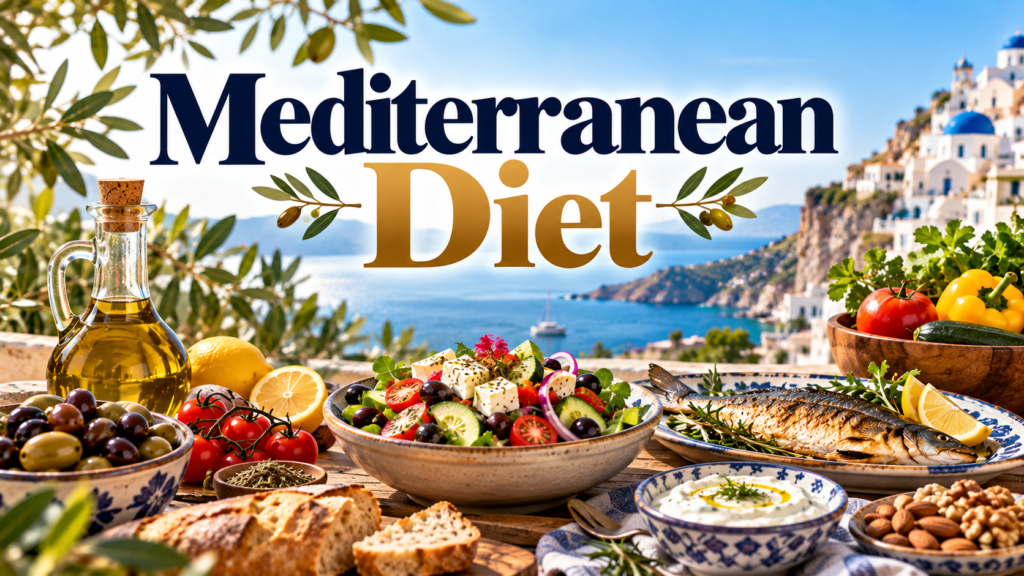
Common foods in the Mediterranean diet include:
- Fruits: Apples, oranges, berries, grapes, bananas, pears, and seasonal fruits.
- Vegetables: Spinach, tomatoes, broccoli, carrots, cucumbers, peppers, and leafy greens.
- Whole grains: Oats, brown rice, whole-wheat bread, barley, and whole-grain pasta.
- Legumes: Lentils, chickpeas, kidney beans, peas, and other beans.
- Nuts and seeds: Almonds, walnuts, pistachios, chia seeds, and flaxseeds.
- Healthy fats: Extra-virgin olive oil, olives, nuts, and seeds.
- Protein sources: Fish, seafood, eggs, poultry, beans, and lentils.
- Dairy products: Yogurt, milk, and cheese, often in moderate portions.
Fresh ingredients and minimally processed foods are central to this approach. However, the Mediterranean diet is not a single fixed menu. Food availability and traditional recipes vary across Mediterranean countries, and the eating pattern can be adapted to local ingredients.
What Makes Olive Oil Important in the Mediterranean Diet?
Olive oil is one of the best-known ingredients in the Mediterranean diet. Extra-virgin olive oil contains predominantly monounsaturated fats and various antioxidant compounds, including polyphenols. Replacing some sources of saturated fat with unsaturated fats can support healthier blood cholesterol levels and contribute to cardiovascular health.
Olive oil can be used in salad dressings, vegetable dishes, marinades, and cooking. It adds flavor and can make nutritious meals more satisfying. Nevertheless, olive oil is energy-dense, so portion sizes still matter, especially for people managing their calorie intake.
Other sources of healthy fats are also important. Nuts, seeds, avocados, and oily fish can provide unsaturated fats and other valuable nutrients. The goal is not to rely on one ingredient but to choose a balanced variety of foods.
How Does the Mediterranean Diet Support Heart Health?
Heart health is one of the most widely discussed benefits of the Mediterranean diet. This eating pattern emphasizes vegetables, fruits, whole grains, legumes, nuts, and unsaturated fats while encouraging people to limit processed meats and foods high in saturated fat.
These choices can help improve overall diet quality. Fiber-rich foods support healthy cholesterol levels, while replacing some saturated fats with unsaturated fats may help reduce LDL cholesterol. Fish provides protein and, in many varieties, omega-3 fatty acids that contribute to normal cardiovascular function.
Studies of Mediterranean-style dietary patterns have found associations with lower risks of cardiovascular disease, and some clinical trials have reported cardiovascular benefits from particular Mediterranean-style eating interventions. However, no single food or diet can eliminate heart disease risk. Physical activity, avoiding tobacco, adequate sleep, blood pressure management, and other lifestyle factors also play important roles.
Can the Mediterranean Diet Help With Weight Management?
The Mediterranean diet can support weight management because it encourages foods that provide fiber, nutrients, and satisfying meals. Vegetables, fruits, beans, and whole grains can help people feel full, while nuts, olive oil, fish, and other protein sources contribute to balanced meals.
Unlike highly restrictive diets, this eating pattern does not automatically require eliminating carbohydrates or fats. Instead, it encourages people to choose nutritious sources and pay attention to portions. For example, replacing sugary snacks with fruit and nuts or choosing whole grains instead of refined grains may improve overall eating quality.
Weight loss is not guaranteed simply by following the Mediterranean diet. Changes in body weight depend on total energy intake, activity levels, sleep, medications, and individual health factors. People who want to lose weight may benefit from adjusting portions while maintaining a varied and balanced diet.
What Are the Main Health Benefits of the Mediterranean Diet?
The Mediterranean diet is widely studied because it offers several potential benefits when followed as part of an overall healthy lifestyle. The strength of evidence varies by health outcome, and results depend on the individual’s circumstances and the specific foods consumed.
1. Supports Cardiovascular Health
A Mediterranean-style eating pattern provides unsaturated fats, fiber, vitamins, and minerals. Replacing some highly processed foods and saturated fats with plant foods, legumes, nuts, and olive oil may improve important cardiovascular risk factors.
2. Helps Maintain Healthy Blood Sugar Levels
Whole grains, vegetables, legumes, and other fiber-rich foods can help moderate the rise in blood glucose after meals. A balanced eating pattern may be useful for people concerned about type 2 diabetes risk. People with diabetes should still follow individualized medical and nutritional advice.
3. Provides Essential Nutrients
A varied Mediterranean diet supplies nutrients such as potassium, folate, vitamin C, magnesium, calcium, and healthy fats. Eating a broad selection of fruits, vegetables, whole grains, and protein sources helps support normal body functions.
4. Encourages Better Digestive Health
Legumes, vegetables, fruits, nuts, and whole grains provide dietary fiber. Fiber supports regular bowel movements and helps nourish beneficial gut bacteria. Increasing fiber gradually and drinking enough water can help reduce digestive discomfort.
5. May Support Healthy Aging
Research has linked Mediterranean-style eating with healthy aging and better health outcomes in some populations. The diet provides nutrients important for normal body function and may help address cardiovascular risk factors. However, it cannot guarantee longevity or prevent every age-related condition.
6. Encourages Sustainable Eating Habits
The Mediterranean diet is flexible and focuses on everyday food choices rather than short-term restrictions. This can make it easier for many people to maintain healthier habits over time.
Is the Mediterranean Diet Good for Brain Health?
Brain health is another reason the Mediterranean diet attracts attention. The brain needs a variety of nutrients to function normally, including healthy fats, vitamins, minerals, and protein. Mediterranean-style meals provide these nutrients through foods such as fish, olive oil, nuts, leafy greens, berries, and whole grains.
Some observational studies have associated Mediterranean-style eating with better cognitive health and a lower risk of cognitive decline. Researchers believe that its emphasis on nutrient-rich foods and cardiovascular health may contribute to these associations. However, findings are not uniform, and research has not established that the Mediterranean diet can prevent dementia or Alzheimer’s disease.
People interested in supporting brain health can use the Mediterranean diet as one part of a broader healthy lifestyle. Regular physical activity, quality sleep, social interaction, and management of conditions such as high blood pressure are also important.
What Is a Typical Mediterranean Diet Meal Plan?
A Mediterranean diet meal plan focuses on simple, balanced meals made from accessible ingredients. Instead of following a strict menu, people can combine vegetables, whole grains, healthy fats, and protein sources according to their preferences.
Here is an example of a simple one-day Mediterranean diet meal plan:
Breakfast
- Oatmeal topped with fresh berries and a few walnuts.
- Plain yogurt or an unsweetened dairy alternative.
- Water, tea, or coffee with little or no added sugar.
Mid-morning snack
- An apple, orange, or another seasonal fruit.
- A small handful of unsalted nuts, if desired.
Lunch
- Chickpea or lentil salad with tomatoes, cucumbers, leafy greens, and olive oil dressing.
- Whole-grain bread or brown rice.
- Water or unsweetened tea.
Evening snack
- Carrot and cucumber sticks with hummus.
- A piece of fruit if additional food is needed.
Dinner
- Grilled fish, beans, or tofu.
- Roasted or steamed vegetables.
- Brown rice, whole-grain pasta, or another whole grain.
This meal plan is only an example. Individual energy needs vary according to age, activity, health conditions, and other factors. People can adjust the ingredients and portions to suit their dietary needs and cultural preferences.
Can Vegetarians Follow the Mediterranean Diet?
Yes, the Mediterranean diet can easily accommodate vegetarian and plant-based eating patterns. Although fish is commonly included in traditional Mediterranean-style meals, it is not essential to build every meal around animal protein.
Vegetarians can obtain protein from lentils, chickpeas, kidney beans, peas, tofu, nuts, seeds, eggs, and dairy products, depending on their preferences. Combining these foods with whole grains and vegetables can create nutritious and satisfying meals.
Examples of vegetarian Mediterranean diet meals include:
- Lentil soup with whole-grain bread.
- Chickpea and vegetable salad with olive oil dressing.
- Whole-wheat pasta with tomatoes, spinach, and beans.
- Vegetable omelets with whole-grain toast.
- Roasted vegetables served with hummus and brown rice.
- Greek-style yogurt with fruit, oats, and nuts.
People following a fully vegan diet should pay attention to nutrients that may require additional planning, particularly vitamin B12, as well as calcium, vitamin D, iodine, iron, and omega-3 fats.
Can Indians Follow the Mediterranean Diet?
The Mediterranean diet can be adapted to Indian food habits without requiring people to replace every traditional meal. Many Indian foods already fit well within its principles, including lentils, chickpeas, vegetables, whole grains, fruits, nuts, and seeds.
Instead of relying on expensive imported ingredients, people can use locally available foods and traditional cooking methods. For example, dal, vegetable sabzi, chickpea curry, whole-wheat roti, brown rice, and seasonal fruit can form part of a Mediterranean-inspired eating pattern.
Here are some practical ways to adapt the Mediterranean diet to Indian meals:
- Replace some refined grains with whole-wheat roti, oats, millets, or brown rice.
- Include dal, rajma, chana, or other legumes regularly.
- Eat a variety of seasonal vegetables and fruits.
- Use unsaturated oils, including olive oil where practical, while keeping total oil portions moderate.
- Choose nuts and seeds instead of frequently eating highly processed snacks.
- Limit excessive salt, sugary drinks, deep-fried foods, and sweets.
- Include curd or plain yogurt if dairy is part of your diet.
For example, a Mediterranean-inspired Indian lunch could include dal, whole-wheat roti, a mixed vegetable dish, cucumber salad, and plain curd. A dinner could include chickpea curry, brown rice, and steamed vegetables.
The aim is not to reproduce the exact cuisine of Greece or Italy. It is to follow the underlying principles of variety, balanced nutrition, healthy fats, and minimally processed foods.
What Foods Should You Limit on the Mediterranean Diet?
The Mediterranean diet does not require a rigid list of forbidden foods. However, it encourages people to reduce their consumption of foods that provide excessive added sugar, sodium, saturated fat, or calories while offering relatively few essential nutrients.
Foods to limit include:
- Highly processed snacks: Packaged chips, crackers, and snacks high in salt or refined ingredients.
- Sugary foods: Cakes, cookies, sweets, and desserts that are high in added sugar.
- Sugary drinks: Soft drinks, sweetened juices, and energy drinks.
- Processed meats: Sausages, bacon, and other processed meat products.
- Excessive red meat: Large or frequent portions of red meat, particularly fatty or processed varieties.
- Refined grains: White bread and other refined-grain foods when they regularly replace whole grains.
- Foods high in saturated fat: Products containing large amounts of butter or certain high-fat processed ingredients.
- Excessive salt: Very salty packaged foods, sauces, and snacks.
These foods do not necessarily need to be eliminated entirely. The overall pattern matters more than one occasional meal. People can enjoy favorite foods in reasonable portions while making nutritious choices most of the time.
Is the Mediterranean Diet Expensive to Follow?
The Mediterranean diet does not have to be expensive. Although some people associate it with imported olive oil, specialty products, and fresh seafood, many of its main ingredients are affordable everyday foods.
Beans, lentils, seasonal vegetables, fruits, oats, whole grains, and locally available nuts can provide much of the nutritional foundation. Frozen vegetables and fruit can also be practical alternatives to fresh produce, depending on availability and price.
To make the Mediterranean diet more affordable, consider these strategies:
- Plan meals before shopping to reduce food waste.
- Buy seasonal fruits and vegetables.
- Prepare larger batches of beans, lentils, and soups.
- Choose locally available whole grains.
- Use small portions of nuts and seeds.
- Purchase frozen vegetables when they are more economical.
- Replace expensive fish meals occasionally with beans, lentils, or other affordable protein sources.
Olive oil is a traditional ingredient, but people should not feel that they must purchase expensive products to follow the diet’s broader principles. Other suitable unsaturated oils can also fit into a healthy eating pattern.
How Does the Mediterranean Diet Compare With Other Diets?
The Mediterranean diet differs from many popular diets because it emphasizes food quality, flexibility, and long-term sustainability rather than strict restrictions.
For example, some low-carbohydrate diets substantially reduce carbohydrate intake, while the Mediterranean diet includes whole grains, legumes, and fruit. Some weight-loss programs focus heavily on calorie counting, whereas the Mediterranean diet emphasizes nutritious foods and balanced portions. Vegetarian diets exclude meat to varying degrees, while the Mediterranean diet can include fish and poultry alongside plant-based foods.
The Mediterranean diet is not automatically better for every person. The most suitable eating pattern depends on personal preferences, medical needs, food availability, and the ability to maintain it over time.
Its main advantage is that it can be adapted to different lifestyles without requiring the complete elimination of major food groups. People with specific health conditions may still need individualized dietary guidance.
Are There Any Disadvantages of the Mediterranean Diet?
Although the Mediterranean diet is generally considered a healthy eating pattern for many adults, it has some practical limitations.
First, people who are accustomed to eating highly processed foods may need time to adjust to preparing more meals at home. Fresh produce, fish, and certain specialty ingredients may also be costly or less accessible in some locations.
Second, foods such as olive oil, nuts, and seeds are nutritious but calorie-dense. Eating large portions can make weight management more difficult for people who need to reduce their energy intake.
Third, the diet requires attention to individual nutritional needs. People following a vegan version may need to plan vitamin B12 intake carefully. People with food allergies, kidney disease, or other medical conditions may need to modify certain foods under professional guidance.
Finally, the Mediterranean diet is not a guaranteed treatment for any disease. Its benefits depend on the overall eating pattern, personal circumstances, and other lifestyle factors.
How Can Beginners Start the Mediterranean Diet?
Starting the Mediterranean diet does not require changing every meal overnight. Small, consistent adjustments can make the transition easier and more sustainable.
Here are practical steps beginners can follow:
- Add more vegetables: Include vegetables in lunch and dinner, using fresh, frozen, or seasonal options.
- Eat fruit regularly: Choose whole fruit as a snack or part of breakfast.
- Switch to whole grains: Gradually replace some refined grains with oats, brown rice, barley, or whole-wheat products.
- Eat legumes more often: Include beans, chickpeas, peas, or lentils several times a week.
- Choose healthier fats: Use moderate portions of olive oil, nuts, seeds, or other unsaturated fat sources.
- Vary protein sources: Include fish, eggs, poultry, beans, lentils, or tofu according to your preferences.
- Reduce added sugar: Choose water or unsweetened drinks more often than sugary beverages.
- Cook more meals at home: Preparing meals allows greater control over ingredients, salt, and portion sizes.
- Enjoy meals mindfully: Eat at a comfortable pace and pay attention to hunger and fullness.
- Focus on consistency: Aim for an overall healthy pattern rather than expecting every meal to be perfect.
These changes can help beginners build a Mediterranean-style routine without unnecessary pressure or strict food rules.
Is the Mediterranean Diet Suitable for Long-Term Healthy Living?
The Mediterranean diet is well suited to long-term healthy eating for many people because it emphasizes variety, flexibility, and foods that can be incorporated into everyday life. It allows people to enjoy different flavors while making nutritious choices a regular part of their routine.
Unlike short-term diet challenges, this approach can evolve as a person’s needs, budget, and preferences change. Someone may follow a vegetarian version, another person may include fish regularly, and someone else may adapt the diet to local ingredients and traditional recipes.
Long-term success also depends on habits beyond food. Regular physical activity, adequate sleep, social connections, and avoiding tobacco can complement a balanced diet. People should seek professional advice if they have specific medical conditions or nutritional requirements.
What Is the Future of the Mediterranean Diet?
Interest in the Mediterranean diet is likely to remain strong as more people look for practical ways to improve their eating habits and support long-term health. Its focus on plant foods, whole grains, legumes, and unsaturated fats aligns with broader interest in balanced nutrition and sustainable food choices.
The diet also offers flexibility in how meals are prepared. People can use traditional Mediterranean recipes or adapt the principles to Asian, Indian, Middle Eastern, and other cuisines. This adaptability makes it relevant to households with different budgets and food cultures.
Another important consideration is sustainability. Meals built around vegetables, legumes, whole grains, and seasonal ingredients can often reduce reliance on resource-intensive foods, although the environmental impact depends on the specific ingredients, production methods, and food waste involved.
Rather than treating the Mediterranean diet as a passing trend, many people view it as a practical framework for making everyday meals more nutritious and enjoyable.
Conclusion: Why Does the Mediterranean Diet Remain Popular?
The Mediterranean diet remains popular because it combines balanced nutrition, flexibility, and enjoyable food choices in one practical eating pattern. Its emphasis on vegetables, fruits, legumes, whole grains, nuts, seeds, and healthy fats can help people improve overall diet quality while supporting cardiovascular health and other aspects of well-being.
It does not require expensive specialty products, extreme restrictions, or a completely new approach to cooking. People can adapt it to their culture, budget, and preferences, whether they enjoy Mediterranean recipes or prefer familiar Indian meals.
Although no diet guarantees weight loss, prevents every disease, or replaces medical care, the Mediterranean diet offers a well-studied approach to healthy eating. By making gradual changes, choosing a variety of nutritious foods, and maintaining other healthy lifestyle habits, individuals can build a sustainable routine that supports their long-term goals.
Ultimately, the popularity of the Mediterranean diet comes from its simple message: eat a variety of nutritious foods, choose healthy fats, enjoy balanced meals, and make healthy eating a consistent part of everyday life.
Read More – Best European Films of All Time