
Ultimate Guide For What Does a Healthy Lifestyle Really Mean?
What does a healthy lifestyle really mean in today’s busy world? A healthy lifestyle is not simply about eating salads, going to the gym every day, or following a strict diet. It is a balanced way of living that supports physical health, mental well-being, emotional stability, healthy relationships, and long-term quality of life.
A healthy lifestyle means making regular choices that help your body and mind function well. These choices can include eating nutritious foods, staying physically active, getting enough sleep, drinking adequate water, managing stress, avoiding harmful habits, maintaining social connections, and making time for rest and relaxation.
The most important thing to understand is that a healthy lifestyle does not require perfection. Small, consistent improvements can make a meaningful difference over time. Instead of looking for a quick solution, it is better to develop sustainable habits that can become a natural part of everyday life.
Why Is a Healthy Lifestyle Important?
Why is living a healthy lifestyle so important? The human body and mind are influenced by everyday habits. What you eat, how much you move, how well you sleep, how you handle stress, and how you spend your free time can all affect your overall well-being.
A healthy lifestyle can help support energy levels, physical fitness, emotional health, concentration, and overall quality of life. Healthy habits may also help reduce the risk of several lifestyle-related health problems when combined with appropriate medical care and regular health checkups.
Living healthily is not only about preventing illness. It is also about feeling better in everyday life. When people develop balanced routines, they may find it easier to stay active, concentrate on important tasks, manage daily responsibilities, and enjoy their personal and social lives.
What Are the Main Parts of a Healthy Lifestyle?
What are the most important elements of a healthy lifestyle? There is no single habit that defines good health. Instead, a healthy lifestyle consists of several interconnected areas.
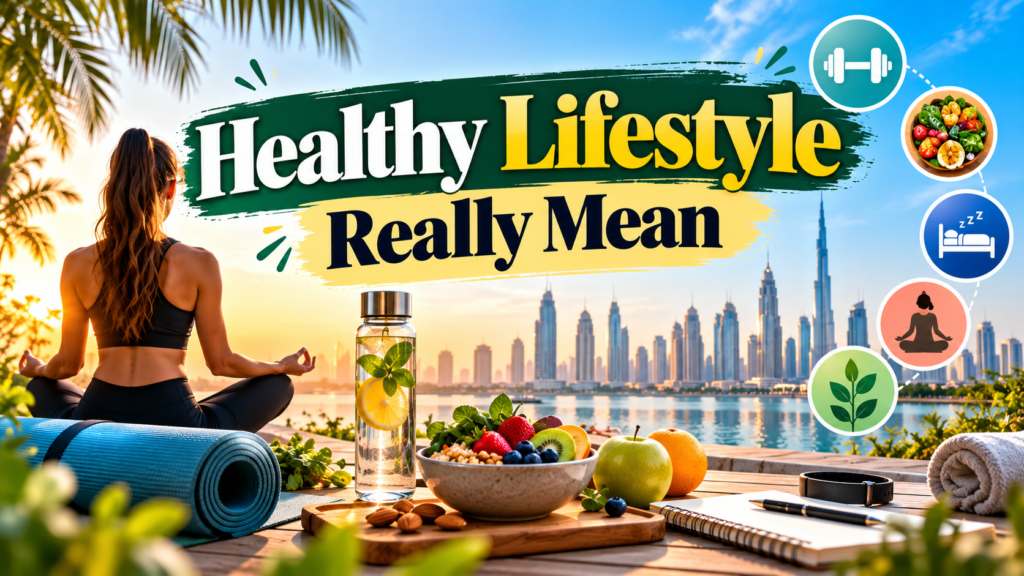
The major components include:
- Nutritious and balanced eating
- Regular physical activity
- Quality sleep
- Proper hydration
- Stress management
- Mental and emotional well-being
- Healthy relationships
- Avoiding tobacco and other harmful substances
- Maintaining good personal hygiene
- Regular preventive healthcare
- Creating a sustainable daily routine
These areas work together. For example, regular exercise may support sleep, while adequate sleep can make it easier to stay active and make balanced food choices.
How Does Healthy Eating Contribute to a Healthy Lifestyle?
How important is healthy eating for overall wellness? Food provides the energy and nutrients the body needs for everyday functions. A balanced diet can support normal growth, immune function, muscle health, brain function, and energy levels.
Healthy eating does not mean eliminating every food you enjoy. Instead, it means creating an overall pattern that includes a variety of nutritious foods while keeping highly processed foods, excess added sugars, excess sodium, and unhealthy fats in moderation.
A balanced eating pattern can include vegetables, fruits, whole grains, pulses and other protein sources, nuts and seeds, and appropriate sources of healthy fats. Depending on individual needs and dietary preferences, dairy or fortified alternatives and other nutrient-rich foods can also be included.
What Are Some Simple Healthy Eating Habits?
Simple changes can make healthy eating easier:
- Include vegetables and fruits regularly.
- Choose whole grains when possible.
- Include a variety of protein sources.
- Drink water regularly.
- Pay attention to portion sizes.
- Limit foods high in added sugars and excessive sodium.
- Avoid making extreme dietary restrictions without professional guidance.
- Eat mindfully and pay attention to hunger and fullness.
The goal should be balance rather than perfection.
Is Exercise Necessary for a Healthy Lifestyle?
Is physical activity really necessary for a healthy lifestyle? Yes, regular movement is an important part of overall health. Physical activity can support cardiovascular fitness, muscle strength, bone health, mobility, and emotional well-being.
Exercise does not necessarily mean spending hours in a gym. Walking, cycling, swimming, dancing, playing sports, stretching, gardening, and other forms of movement can contribute to an active lifestyle.
For adults, widely used public-health recommendations encourage regular moderate-intensity or vigorous physical activity each week, together with muscle-strengthening activities. However, the right amount and type of exercise can vary according to age, fitness level, health conditions, and individual circumstances.
How Can You Become More Physically Active?
How can someone who has a sedentary lifestyle start exercising? Starting gradually is often more sustainable than making dramatic changes overnight.
You can:
- Take short walking breaks during the day.
- Use stairs when practical.
- Walk while talking on the phone.
- Start with short exercise sessions.
- Try activities you genuinely enjoy.
- Add strength exercises appropriate for your ability.
- Reduce long periods of sitting with regular movement breaks.
The best exercise routine is one you can safely maintain.
Why Is Sleep an Essential Part of a Healthy Lifestyle?
Why does sleep matter so much? Sleep gives the body and brain time to recover and plays an important role in physical and mental functioning. Poor sleep can affect concentration, mood, energy, and daily performance.
Adults generally need around seven or more hours of sleep per night, although individual needs can vary. Children and teenagers typically require more sleep.
A healthy lifestyle therefore includes not only eating well and exercising but also making sleep a priority.
How Can You Improve Your Sleep Routine?
Simple sleep habits can include:
- Maintain a relatively consistent sleep and wake schedule.
- Create a relaxing bedtime routine.
- Keep your bedroom comfortable and suitable for sleep.
- Reduce unnecessary screen exposure before bedtime.
- Avoid consuming large amounts of caffeine late in the day.
- Give yourself enough time to sleep.
If persistent sleep problems affect daily life, speaking with a healthcare professional can be appropriate.
How Important Is Hydration for a Healthy Lifestyle?
How does drinking enough water fit into a healthy lifestyle? Water is essential for many functions in the body. Hydration supports temperature regulation, digestion, circulation, and normal physical performance.
Individual fluid requirements vary depending on factors such as climate, physical activity, diet, age, and health status. People who exercise or spend time in hot environments may need additional fluids.
Water is usually a simple choice for regular hydration. Sugary drinks can add substantial amounts of sugar and calories, so they are generally better consumed less frequently.
Does Mental Health Count as Part of a Healthy Lifestyle?
Is mental health really part of physical wellness? Absolutely. Health is broader than physical fitness. Mental and emotional well-being are important parts of living a balanced life.
Stress is a normal part of life, but constant or overwhelming stress can affect sleep, mood, concentration, relationships, and daily functioning. Developing healthy ways to manage stress can therefore be an important lifestyle habit.
Mental wellness can involve:
- Taking regular breaks.
- Spending time outdoors.
- Practicing relaxation techniques.
- Maintaining supportive relationships.
- Pursuing hobbies and enjoyable activities.
- Setting realistic goals.
- Asking for professional support when needed.
Seeking help for persistent emotional difficulties is not a sign of weakness. Professional support can be an important part of overall health.
How Does Stress Management Support a Healthy Lifestyle?
How can stress be managed in a healthier way? Stress cannot always be eliminated, but people can develop strategies that make challenging situations easier to handle.
Physical activity, adequate sleep, breathing exercises, mindfulness, time management, social support, and enjoyable hobbies may help some people manage everyday stress.
It can also help to identify the sources of stress. If work, finances, relationships, or excessive responsibilities are creating constant pressure, addressing the underlying issue may be more effective than relying only on temporary relaxation techniques.
A healthy lifestyle should therefore leave room for rest and recovery.
Can Healthy Relationships Improve Your Lifestyle?
Do relationships influence health? Social connection is an important part of overall well-being. Positive relationships can provide emotional support, companionship, encouragement, and a sense of belonging.
Healthy relationships involve communication, respect, trust, boundaries, and mutual support. Spending quality time with family, friends, colleagues, or community groups can help create a more balanced lifestyle.
Social health is sometimes overlooked when people think about wellness, but human beings are social by nature. A lifestyle focused entirely on food and exercise may still be incomplete if it leaves no time for meaningful relationships.
Should You Avoid Harmful Habits for Better Health?
What role do harmful habits play in a healthy lifestyle? Avoiding tobacco is one of the most important lifestyle choices a person can make for long-term health. Tobacco use is associated with numerous serious health risks.
Excessive alcohol consumption can also cause health and social problems. People who drink should follow applicable health guidance and understand that less alcohol generally means lower alcohol-related health risks.
Other potentially harmful behaviors can include recreational drug use, misuse of medications, prolonged inactivity, chronic sleep deprivation, and consistently unhealthy eating patterns.
The goal of a healthy lifestyle is not to create fear around everyday choices. It is to understand how repeated behaviors can influence long-term well-being.
How Does Personal Hygiene Fit Into a Healthy Lifestyle?
Is personal hygiene part of healthy living? Yes. Everyday hygiene practices can help reduce exposure to germs and support general health.
Important habits include regular handwashing, dental care, bathing, clean clothing, food hygiene, and keeping living spaces reasonably clean.
Oral health is particularly important because the health of the mouth is connected with overall well-being. Brushing teeth regularly, cleaning between teeth, and receiving appropriate dental care can support good oral hygiene.
Does a Healthy Lifestyle Mean Following a Strict Diet?
Does healthy living require giving up your favorite foods? No. One of the biggest misconceptions about a healthy lifestyle is that it requires strict dieting.
A sustainable eating pattern can include foods that people enjoy. The focus should be on the overall balance and frequency of food choices rather than labeling every food as completely “good” or “bad.”
Extreme diets can be difficult to maintain and may not provide all the nutrients the body needs. Individual nutritional needs also differ, so people with specific health conditions or dietary requirements may benefit from advice from a qualified healthcare professional or registered dietitian.
Healthy eating should be practical, enjoyable, and sustainable.
Can You Have a Healthy Lifestyle Without Going to the Gym?
Can people live healthily without a gym membership? Certainly. A gym is only one possible environment for physical activity.
Walking, jogging, cycling, home workouts, swimming, sports, dancing, yoga, and strength exercises can all be incorporated into an active lifestyle.
The key question is not whether you have a gym membership. The more useful question is whether you regularly move your body in ways that are appropriate for your abilities and goals.
What Does a Healthy Daily Routine Look Like?
What might a balanced healthy routine look like? There is no perfect schedule for everyone, but a healthy day can include a combination of nutritious food, movement, hydration, work or study, relaxation, social connection, and sufficient sleep.
For example, a simple routine might involve:
- Starting the morning with adequate hydration.
- Eating a nutritious breakfast if it fits your needs and routine.
- Moving regularly throughout the day.
- Eating balanced meals.
- Taking short breaks from prolonged sitting.
- Spending time with family or friends.
- Practicing a relaxing activity in the evening.
- Limiting unnecessary late-night screen time.
- Going to bed at a consistent time.
The routine should be flexible enough to work with your lifestyle rather than becoming another source of stress.
How Can Beginners Start Living a Healthier Lifestyle?
How should you start if your current lifestyle is not very healthy? Start small. Trying to change everything at once can become overwhelming.
Choose one or two realistic habits first. For example, you could begin by taking a daily walk, adding more vegetables to meals, drinking more water, or creating a consistent bedtime.
Once these behaviors become easier, gradually introduce additional improvements.

A simple starting plan could include:
- Move more: Add a short walk or another enjoyable activity.
- Eat better: Add more nutrient-rich foods rather than focusing only on restrictions.
- Sleep better: Establish a consistent bedtime.
- Hydrate: Keep water available throughout the day.
- Manage stress: Schedule regular breaks and relaxation.
- Connect: Make time for supportive people.
- Review: Notice what works and adjust your routine.
Small habits repeated consistently can be more useful than ambitious plans that are abandoned after a few weeks.
What Are the Benefits of a Healthy Lifestyle?
What can you gain from maintaining healthier habits? A balanced lifestyle can support many aspects of well-being.
Potential benefits include:
- Better physical fitness
- Improved energy and daily functioning
- Support for healthy body weight
- Better sleep quality
- Improved mood and emotional well-being
- Stronger muscles and bones
- Better cardiovascular fitness
- Improved ability to manage everyday stress
- Support for long-term health
- Greater confidence in daily activities
However, healthy habits do not guarantee that a person will never become ill. Genetics, environment, age, access to healthcare, and many other factors also influence health.
Is a Healthy Lifestyle the Same for Everyone?
Is there one healthy lifestyle that works for everybody? No. Health is individual. Age, occupation, culture, physical ability, medical needs, food preferences, finances, family responsibilities, and personal goals can all influence what a healthy lifestyle looks like.
For one person, improving sleep may be the biggest priority. For another, increasing physical activity may be more important. Someone else may need to focus on balanced nutrition or stress management.
A healthy lifestyle should therefore be personalized rather than copied from someone else’s routine.
Can Small Healthy Habits Really Make a Difference?
Do small lifestyle changes matter? Yes. Health is influenced by repeated behaviors over time. A single healthy meal or workout is unlikely to transform your health, but consistent habits can contribute to meaningful long-term changes.
For example, regularly choosing water instead of sugary drinks, taking daily walks, sleeping sufficiently, and including more nutritious foods can gradually become part of a healthier routine.
The important principle is consistency. You do not have to be perfect every day to live a healthy lifestyle.
How Can You Stay Consistent With Healthy Habits?
Why do people often struggle to maintain healthy habits? One reason is that they set goals that are too difficult or unrealistic.
Instead of saying, “I will completely change my lifestyle tomorrow,” create specific and achievable goals.
You might:
- Set small weekly targets.
- Track your progress.
- Build habits around existing routines.
- Keep healthy foods easily available.
- Choose enjoyable forms of exercise.
- Avoid an all-or-nothing mindset.
- Reward progress without using unhealthy behaviors.
- Accept occasional setbacks and return to your routine.
Consistency becomes easier when healthy choices fit naturally into everyday life.
What Is the Biggest Misconception About Healthy Living?
What is the biggest misunderstanding about a healthy lifestyle? Many people believe healthy living means perfection.
In reality, a healthy lifestyle is about balance. You can enjoy a special meal, miss a workout, stay up late occasionally, or have a stressful day without destroying your progress.
The bigger picture matters more than one isolated decision.
Instead of asking, “Did I follow my lifestyle perfectly today?” ask, “Are most of my regular choices supporting my health?”
That change in perspective can make healthy living more realistic and sustainable.
How Can You Make a Healthy Lifestyle Sustainable?
How can healthy habits become a permanent part of life? Sustainability comes from making choices that you can realistically continue for months and years.
Avoid extreme routines that depend on constant motivation. Build systems that make healthy choices easier.
For example, keeping nutritious foods at home, scheduling exercise, preparing meals in advance, establishing a regular bedtime, and making time for social connection can help turn healthy behaviors into routines.
A sustainable lifestyle should also include enjoyment. Health should not mean removing all pleasure from life.
What Is the Connection Between Physical and Mental Wellness?
How are physical and mental health connected? The two are closely related. Physical activity can influence mood, sleep can affect concentration and emotional regulation, and prolonged stress can influence physical well-being.
Similarly, emotional difficulties can make it harder to exercise, sleep well, or maintain regular eating habits.
This is why a complete approach to health should address both the body and mind rather than treating them as completely separate areas.
When Should You Seek Professional Health Advice?
When should lifestyle changes be discussed with a healthcare professional? If you have ongoing symptoms, a diagnosed medical condition, significant changes in weight or appetite, persistent sleep problems, or concerns about your physical or mental health, professional guidance can be important.
People who are pregnant, recovering from illness or injury, taking certain medications, or managing chronic conditions may also need individualized advice before making significant changes to diet or exercise.
Online health information can provide general education, but it cannot replace personalized medical evaluation.
So, What Does a Healthy Lifestyle Really Mean?
What does a healthy lifestyle really mean when everything is considered? It means creating a balanced way of living that supports your physical, mental, emotional, and social well-being.
It is not about following a perfect diet, exercising every day without rest, or copying another person’s routine. Instead, it is about making regular choices that support your health while leaving room for flexibility and enjoyment.
A healthy lifestyle can include nutritious food, regular movement, adequate sleep, hydration, stress management, meaningful relationships, good hygiene, preventive healthcare, and avoiding harmful habits.
Most importantly, healthy living is a long-term journey rather than a short-term challenge. You do not need to transform your entire life overnight. Start with realistic changes, build them gradually, and focus on consistency.
Final Takeaway
A healthy lifestyle is ultimately about balance, consistency, and sustainability. Eating well, moving regularly, sleeping enough, managing stress, staying connected, and taking care of your body and mind can all contribute to better overall well-being.
The best healthy lifestyle is not necessarily the most complicated one. It is the one that you can realistically maintain and that helps you feel stronger, healthier, and more capable of enjoying everyday life.
Read More – Biggest Issues Shaping the World Today