
Effortless European Style: How to Create a Timeless, Elegant Wardrobe
Effortless European style is a fashion approach that combines simplicity, elegance, comfort, and individuality. Rather than following every passing trend, this style focuses on timeless clothing, thoughtful combinations, quality fabrics, and carefully selected accessories. It creates an appearance that feels polished without looking overly complicated or carefully planned.
Across Europe, fashion reflects a wide variety of cultures, lifestyles, climates, and personal preferences. French wardrobes are often associated with understated elegance, Italian fashion celebrates craftsmanship and confident dressing, Scandinavian style emphasizes minimalism and functionality, and British fashion frequently combines tradition with modern creativity. These influences offer plenty of inspiration for anyone who wants to develop a versatile and sophisticated personal style.
The beauty of effortless European style is that it does not require an expensive wardrobe. With a few reliable basics, flattering silhouettes, and an understanding of how to coordinate colors and textures, anyone can create stylish everyday outfits. The goal is not to copy a particular country or designer but to build a wardrobe that feels natural, comfortable, and authentic.
Why Is European Style Considered Timeless?
European fashion has long influenced international clothing trends because it often balances traditional craftsmanship with contemporary design. Many classic European-inspired outfits remain fashionable across seasons because they rely on simple shapes, versatile colors, and garments that can be worn in multiple ways.
Timeless fashion also encourages people to think carefully before purchasing new clothing. Instead of filling a wardrobe with items that quickly lose their appeal, it prioritizes pieces that work together and remain useful for years.
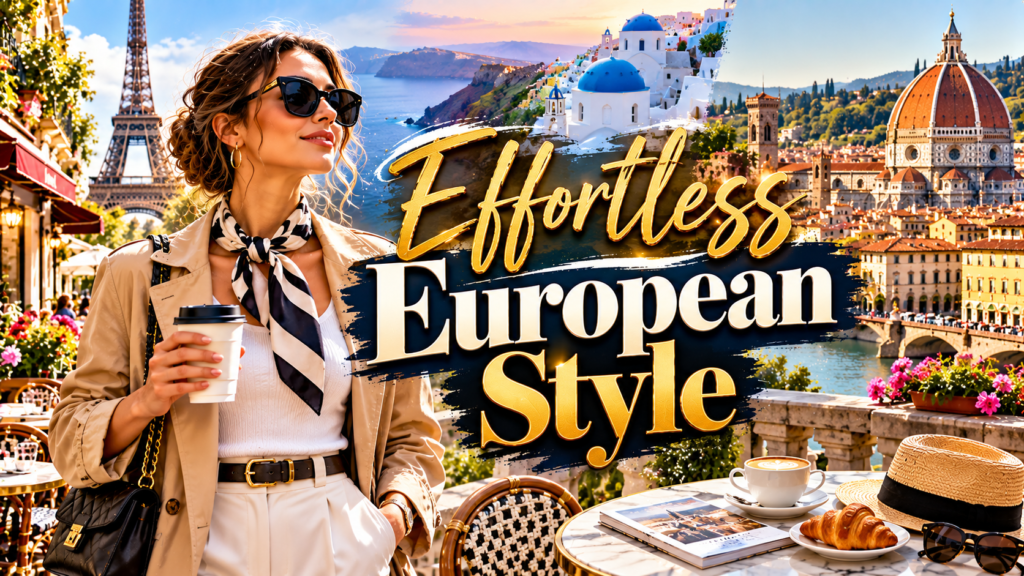
Several characteristics make European-inspired fashion especially appealing:
- Simplicity: Clean lines and uncomplicated outfits create a refined appearance.
- Versatility: Basic garments can be styled for different occasions.
- Quality: Durable fabrics and good construction help clothing maintain its appearance.
- Personal expression: Individual preferences matter more than blindly following trends.
- Practicality: Comfortable, wearable clothing supports everyday activities.
- Attention to detail: Shoes, bags, belts, and jewelry complete an outfit without overwhelming it.
Although European fashion varies significantly from country to country, these principles provide a useful starting point for developing a timeless wardrobe.
How Can You Build an Effortless European Wardrobe?
Creating an effortless European wardrobe begins with identifying the clothes you genuinely enjoy wearing. Before buying anything new, examine your existing collection and identify the garments that fit well, feel comfortable, and work for several occasions.
A practical wardrobe contains a combination of everyday essentials, seasonal pieces, and a few distinctive items that express your personality. You do not need dozens of outfits to look stylish. Instead, focus on choosing clothing that can be combined in different ways.
Consider including these wardrobe essentials:
- A well-fitting white or neutral shirt.
- Classic straight-leg or tailored trousers.
- Dark-wash or medium-wash denim jeans.
- A lightweight knit sweater or cardigan.
- A versatile blazer.
- A simple dress suitable for different occasions.
- A comfortable trench coat or structured jacket.
- Clean sneakers, loafers, or ankle boots.
- A practical handbag with a timeless shape.
- A few understated accessories.
The most important consideration is how these pieces work together. For example, a white shirt can be paired with jeans for a casual afternoon, tailored trousers for work, or a skirt for an evening gathering. A blazer can add structure to almost any of these combinations.
When each garment complements several others, getting dressed becomes easier and your wardrobe feels more organized.
Which Colors Work Best for Effortless European Style?
Color plays an important role in creating cohesive outfits. Neutral shades are popular in many European-inspired wardrobes because they are easy to coordinate and provide a sophisticated foundation for different looks.
Black, white, navy, beige, cream, grey, brown, and olive green are particularly versatile. These colors can be combined in numerous ways without making an outfit feel visually crowded.
However, effortless European style does not mean wearing only neutral clothing. Rich red, burgundy, cobalt blue, forest green, and soft pastel shades can add personality when used thoughtfully.
Here are some easy color combinations to try:
- White and navy: A fresh combination for shirts, trousers, and knitwear.
- Beige and cream: A soft, coordinated look that works especially well with varied textures.
- Black and grey: A modern pairing suitable for casual and formal settings.
- Brown and blue: A balanced combination for jeans, leather accessories, and outerwear.
- Olive green and white: A relaxed palette for everyday outfits.
- Burgundy and camel: A rich combination for cooler weather.
One useful approach is to select two or three main colors for an outfit and introduce a contrasting shade through an accessory. This creates visual harmony without making the result feel predictable.
Ultimately, the best color palette is one that complements your preferences, suits your lifestyle, and makes you feel confident.
How Can You Dress Like a European Without Spending Too Much?
You do not need designer labels or luxury shopping budgets to embrace European-inspired fashion. Many stylish outfits can be created using affordable basics, secondhand finds, and garments already in your wardrobe.
The secret is to focus on fit, coordination, and condition rather than the price tag. A simple shirt that fits well can look more refined than an expensive garment that feels uncomfortable or poorly proportioned.
To create an affordable wardrobe, consider the following strategies:
- Shop your existing wardrobe: Revisit forgotten garments and experiment with new combinations.
- Prioritize versatile basics: Purchase items that complement several pieces you already own.
- Choose quality where it matters: Invest in frequently worn shoes, coats, trousers, or bags when your budget allows.
- Explore secondhand clothing: Thrift shops and resale platforms can offer distinctive garments at lower prices.
- Avoid impulse purchases: Consider whether a new item works with at least three existing outfits.
- Maintain your clothing: Proper washing, storage, repairs, and shoe care can extend the life of your wardrobe.
- Buy according to your lifestyle: Choose clothes for the activities you actually do rather than an imagined version of your daily routine.
Affordable fashion becomes more sustainable financially when purchases are intentional. A smaller collection of useful garments often provides more styling possibilities than a large wardrobe filled with rarely worn items.
What Are the Essential Clothing Pieces for a Chic European Look?
A chic European-inspired wardrobe is built around adaptable garments that can move between casual, professional, and social settings. Although personal requirements vary, certain pieces are especially useful because they can be styled throughout the year.
1. The Classic White Shirt
A white shirt is one of the most versatile pieces in a timeless wardrobe. It can be worn tucked into tailored trousers, layered under knitwear, or paired with jeans and simple sneakers. Choose a fit that allows comfortable movement without looking excessively loose or restrictive.
2. Well-Fitting Jeans
Straight-leg and other classic denim silhouettes are useful for everyday dressing. Dark denim creates a slightly more polished appearance, while lighter washes work well for relaxed outfits. Select a cut that feels comfortable and suits your proportions rather than choosing a shape simply because it is fashionable.
3. The Tailored Blazer
A blazer adds structure to an outfit and can instantly make basic clothing look more intentional. Wear it over a T-shirt and jeans, combine it with matching trousers, or layer it over a dress. Neutral colors offer flexibility, while a distinctive color can become a personal signature.
4. Comfortable Knitwear
Sweaters and cardigans provide warmth, texture, and versatility. Fine-knit pieces work well under jackets, while heavier knits are useful during colder months. Wool, cotton, and other suitable fibers can be chosen according to climate, budget, and care requirements.
5. Practical Outerwear
Outerwear can shape the entire appearance of an outfit. A trench coat, wool coat, leather jacket, or minimalist raincoat can provide both function and style. Choose the option that matches your local weather rather than assuming every European-inspired wardrobe needs the same coat.
6. Classic Footwear
Loafers, ankle boots, ballet flats, and clean sneakers can complement a wide variety of outfits. Comfort should remain a priority, particularly if you spend long periods walking. Well-maintained footwear often makes a greater difference than wearing a fashionable but impractical pair of shoes.
How Can You Create Effortless European Outfits for Everyday Life?
Everyday European-inspired outfits work best when they balance comfort with a little structure. You do not need complicated layering or elaborate styling techniques. Often, a reliable combination of well-fitting basics and one thoughtful detail is enough.
For a casual day, try straight-leg jeans, a white shirt, comfortable sneakers, and a crossbody bag. For a more polished appearance, combine tailored trousers with a fine-knit sweater and loafers. During cooler weather, add a structured coat and a scarf.
Here are several outfit formulas to consider:
- Casual daytime: Jeans, a cotton T-shirt, sneakers, and a lightweight jacket.
- Smart casual: Tailored trousers, a neutral top, loafers, and a simple belt.
- Weekend style: Relaxed denim, a striped knit, comfortable flats, and a tote bag.
- Office dressing: A blazer, a button-down shirt, tailored trousers, and practical footwear.
- Evening outfit: A simple dress, understated jewelry, and elegant shoes.
- Cold-weather layering: Knitwear, a long coat, straight-leg trousers, and ankle boots.
These combinations are starting points rather than strict rules. Adjust the colors, fabrics, and silhouettes to suit your climate, workplace requirements, cultural preferences, and personal taste.
What Role Do Accessories Play in European Fashion?
Accessories can transform a simple outfit into a distinctive look. In many minimalist European-inspired outfits, the clothing remains relatively understated while accessories introduce texture, color, or character.
The key is to select accessories that complement rather than compete with your clothes. A structured handbag, a leather belt, a silk scarf, or a pair of classic sunglasses can add visual interest without making an outfit feel excessive.
Consider these practical accessories:
- A leather or fabric belt that coordinates with your shoes or bag.
- A structured handbag for work and everyday activities.
- A lightweight scarf for color, warmth, or texture.
- Simple earrings or a delicate necklace.
- A classic watch for a refined finishing detail.
- Sunglasses that suit your face shape and daily needs.
You do not have to wear every accessory at once. Choose one or two pieces that enhance the outfit and feel comfortable throughout the day.
It is also worth remembering that accessories do not need to be expensive. Well-maintained, thoughtfully selected pieces can contribute to a polished appearance regardless of their brand.
How Does French Style Differ From Italian and Scandinavian Fashion?
European fashion is not a single uniform aesthetic. Different countries have distinct fashion traditions, and understanding these differences can help you find inspiration that matches your personality.
What Makes French-Inspired Style So Popular?
French-inspired fashion is frequently associated with understated elegance, simple tailoring, and relaxed combinations. A striped top, classic jeans, a blazer, ballet flats, or a trench coat can create a recognizable interpretation of this aesthetic.
The emphasis is often on making familiar pieces feel personal rather than assembling an outfit entirely from current trends. Natural-looking styling, thoughtful proportions, and versatile garments are useful principles to borrow.
Why Is Italian Fashion Known for Its Elegance?
Italian fashion is widely associated with craftsmanship, expressive tailoring, rich materials, and confident styling. Depending on the designer and region, Italian-inspired outfits may feature elegant trousers, beautifully constructed jackets, leather accessories, or bold colors.
To incorporate this influence into everyday clothing, pay attention to garment construction, fabric texture, and fit. You can also introduce one statement piece while keeping the rest of the outfit relatively simple.
What Defines Scandinavian Minimalist Style?
Scandinavian-inspired fashion often emphasizes functionality, clean silhouettes, practical layering, and restrained color palettes. Neutral knitwear, wide-leg trousers, comfortable sneakers, and weather-appropriate outerwear are common elements of this broader aesthetic.
This approach is especially useful for people who want clothing that looks contemporary while remaining comfortable and adaptable.
How Can British Fashion Inspire Your Wardrobe?
British-inspired fashion draws on diverse traditions, including tailoring, heritage fabrics, streetwear, and experimental styling. A checked blazer, trench coat, knitted sweater, or sturdy pair of boots can introduce elements of this influence.
You can combine classic pieces with modern accessories to create a balanced look that feels individual rather than overly formal.
These national styles are broad cultural influences, not fixed rules. The most interesting wardrobes often combine elements from several traditions.
How Can You Dress Elegantly in Different Seasons?
Seasonal dressing is an important part of building a practical wardrobe. Clothing should respond to temperature, rainfall, humidity, and daily activities while maintaining a consistent personal style.
What Should You Wear for Spring?
Spring outfits benefit from lightweight layers that can be added or removed throughout the day. Consider cotton shirts, light knitwear, denim, tailored trousers, and a versatile jacket.
Useful spring combinations include:
- A white shirt with straight-leg jeans and loafers.
- A lightweight dress with a cardigan and flats.
- Tailored trousers with a T-shirt and a trench coat.
- A striped top with a neutral jacket and sneakers.
How Can You Create Stylish Summer Outfits?
Summer dressing is about breathable fabrics, comfortable fits, and minimal layering. Cotton, linen, and other lightweight materials can help you feel more comfortable in warm weather.
Linen trousers, relaxed shirts, simple dresses, cotton tops, sandals, and lightweight sneakers can all contribute to an effortless look. Lighter colors may also be appealing in sunny conditions, although personal preference should guide your choices.
What Makes Autumn Fashion So Versatile?
Autumn provides opportunities to combine different textures and layers. Knitwear, denim, tailored trousers, boots, scarves, and medium-weight coats can create outfits that are both practical and visually interesting.
Try combining a fine-knit sweater with dark jeans and ankle boots, or wear a blazer over a simple top with tailored trousers. Earthy colors such as brown, olive, rust, and burgundy can complement the season.
How Can You Dress Well During Winter?
Winter fashion requires warmth, suitable layering, and weather-resistant footwear when needed. A warm coat, insulating knitwear, thermal base layers, gloves, and a scarf can provide comfort without sacrificing style.
Choose garments that fit comfortably over one another. Layering becomes more effective when each piece serves a purpose, from insulation to protection against wind or rain.
How Can You Make European Style Work in Your Own Climate?
You do not need to live in Europe to enjoy European-inspired fashion. The most practical approach is to adapt its principles to your own environment instead of copying outfits designed for a different climate.
In hot or humid regions, lightweight cotton, breathable linen, relaxed trousers, simple dresses, and unlined jackets may be more comfortable than heavy layers. In colder climates, wool knitwear, insulated coats, and weather-resistant boots may be more useful.
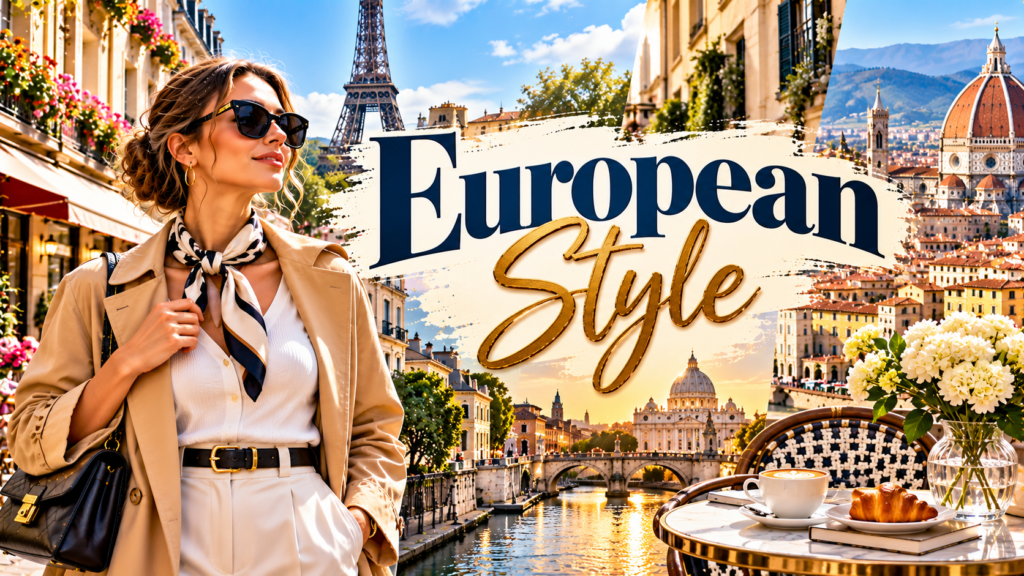
For a warm-weather wardrobe, consider:
- Breathable shirts in neutral or complementary colors.
- Lightweight trousers with comfortable fits.
- Cotton dresses and skirts.
- Comfortable sandals or breathable sneakers.
- Lightweight bags and minimal accessories.
In cooler conditions, focus on layering and fabrics that provide warmth. Wherever you live, choose clothing that supports your everyday routine and makes you feel confident.
Effortless style is not about following a geographic dress code. It is about applying useful fashion principles to your own life.
How Can You Avoid Common European Style Mistakes?
Developing a refined wardrobe does not mean following a long list of fashion rules. However, a few common habits can make dressing more difficult or lead to unnecessary spending.
One mistake is buying too many trend-driven pieces without considering how they fit into your existing wardrobe. Another is choosing clothing based only on appearance, without considering comfort, fabric quality, or suitability for your climate.
Avoid these common problems:
- Overcomplicating outfits: Start with a simple foundation and add details selectively.
- Ignoring fit: Choose proportions that feel comfortable and look balanced.
- Buying clothes for one occasion only: Consider whether a garment can be styled in several ways.
- Following trends without personal preference: Adapt trends rather than adopting every new look.
- Neglecting maintenance: Clean shoes, repaired seams, and properly stored garments help preserve an outfit’s appearance.
- Assuming expensive means stylish: Fit, condition, and coordination matter more than a label.
- Copying a complete aesthetic: Borrow ideas that suit your personality instead of trying to imitate someone else’s life.
The aim is to develop a wardrobe that makes daily dressing easier, not one that creates additional pressure.
Is Effortless European Style Suitable for Every Age?
Yes. European-inspired style can be adapted to different ages, body types, budgets, and lifestyles. Its emphasis on versatility and personal expression makes it suitable for anyone who enjoys classic clothing and practical outfit combinations.
Younger adults may prefer relaxed denim, contemporary sneakers, oversized shirts, or modern layering. People who favor a more traditional look might choose tailored trousers, structured jackets, knitwear, and classic footwear. Others may combine vintage pieces with contemporary designs.
Rather than following age-based fashion rules, focus on three considerations:
- Comfort: Choose clothes that support your daily activities.
- Confidence: Wear colors, shapes, and styles that feel authentic to you.
- Versatility: Build combinations that work for your lifestyle and different occasions.
There is no single correct way to dress at any age. A personal style becomes more distinctive when it reflects individual preferences rather than external expectations.
How Is Sustainable Fashion Connected to Effortless European Style?
Sustainable fashion and timeless dressing can complement each other because both encourage more thoughtful decisions about clothing. Choosing versatile garments, maintaining what you own, and avoiding unnecessary purchases can reduce waste and improve the usefulness of your wardrobe.
However, no particular fashion aesthetic is automatically sustainable. Environmental impact depends on factors such as how garments are produced, the materials used, how long clothing lasts, and how frequently new items are purchased.
To make your wardrobe more responsible, consider these habits:
- Repair garments instead of discarding them when practical.
- Explore secondhand and vintage clothing.
- Follow care instructions to help clothes last longer.
- Choose durable fabrics appropriate for your needs.
- Buy fewer items that receive regular use.
- Donate or resell wearable garments you no longer need.
- Consider the production practices and transparency of brands when information is available.
A sustainable wardrobe does not have to be perfect. Small, consistent decisions can help you make better use of your clothing while maintaining a personal style you enjoy.
How Can You Develop Your Own Effortless European Style?
The best way to develop your own version of effortless European style is to begin with observation and experimentation. Notice which outfits make you feel comfortable and confident, identify the colors you wear most often, and determine which clothing shapes suit your daily activities.
You can create a personal style plan by following a few simple steps:
Step 1: Define your preferences. Decide whether you prefer minimalist, classic, romantic, contemporary, or more expressive clothing.
Step 2: Review your wardrobe. Keep the garments you wear regularly and identify any genuine gaps.
Step 3: Establish a color palette. Select a few coordinating shades and add other colors that reflect your personality.
Step 4: Create outfit combinations. Experiment with different tops, trousers, dresses, jackets, and shoes before purchasing anything new.
Step 5: Identify useful additions. Buy only the pieces that improve the versatility or functionality of your wardrobe.
Step 6: Refine your approach. Over time, notice which outfits work best and adjust your wardrobe accordingly.
You can also keep a simple record of outfits you enjoy wearing. This makes it easier to identify successful combinations and avoid repeating purchases that do not serve your needs.
What Is the Secret to Achieving Effortless European Style?
The secret to effortless European style is not a particular brand, a specific national aesthetic, or an expensive collection of clothing. It is the ability to combine practical garments, flattering proportions, complementary colors, and personal details into outfits that feel natural.
Start with a few versatile essentials, choose fabrics that suit your climate, and pay attention to the fit and condition of your clothes. Use accessories to introduce personality, experiment with different European fashion influences, and prioritize pieces that can be worn repeatedly.
Most importantly, remember that style should support your life rather than dictate it. You do not need to look fashionable every moment or follow every trend to develop a distinctive wardrobe. Confidence, comfort, and thoughtful choices can make even the simplest outfit feel polished.
Effortless European style offers a flexible approach to dressing that values individuality, versatility, and timeless appeal. By adapting its principles to your own preferences and budget, you can create a wardrobe that looks elegant, feels comfortable, and remains useful season after season.
Whether you are inspired by French simplicity, Italian craftsmanship, Scandinavian minimalism, or British heritage, the most successful style is the one that feels genuinely yours.
Read More – Community Gardens Bringing Neighbours Together